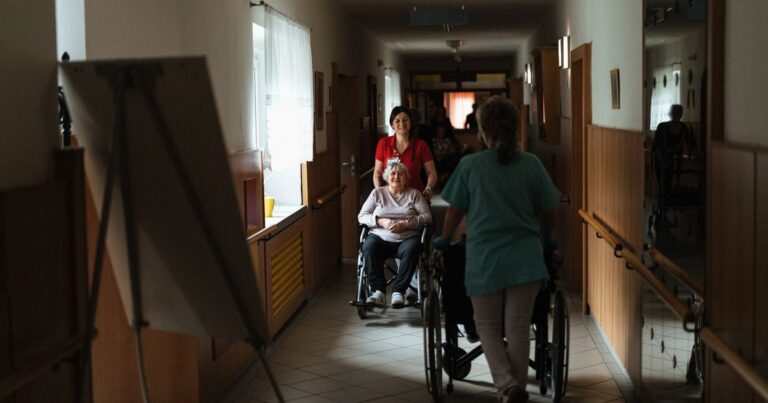
As a senior registered nurse with years of experience navigating the complex medical landscape of the five boroughs, I understand that managing multiple sclerosis in-home nursing NYC services requires a localized and highly specialized approach. Recovery and stability in the city mean more than just taking medication; it involves adapting to the unique stressors of New York living, from vertical housing challenges to the extreme seasonal climate shifts. Our clinical team focuses on providing robust Nurse Support that addresses the neurological, physical, and emotional needs of every patient right where they are most comfortable.
MS recovery for New Yorkers is most effective when it combines specialized multiple sclerosis in-home nursing NYC with a proactive management plan that addresses mobility and medication adherence. Professional Nurse Support provides the clinical oversight necessary to monitor disease progression and intervene during flares, ensuring that patients maintain the highest possible level of independence in their own homes.
From a clinical perspective, one of the most significant risks for MS patients in New York City is the Uhthoff’s phenomenon, where even a slight increase in core body temperature due to NYC's humid summers or overheated pre-war apartments can trigger a pseudo-relapse. A common mistake is for patients to view nursing support as a luxury rather than a preventative necessity; timely Nurse Support can identify subtle changes in gait or cognitive function that often precede a major flare-up. By the time a patient notices a significant decline, the window for early intervention with corticosteroids or therapy adjustments may have already narrowed, making consistent in-home monitoring vital for long-term stabilization.
Living with multiple sclerosis in a metropolitan area like New York presents a unique set of variables that are rarely found in suburban settings. The density of the city, the reliance on public infrastructure, and the specific architecture of New York apartments all play a role in how a patient manages their condition. Comprehensive support must be holistic, addressing not just the biological aspects of the disease but the environmental and social factors that influence recovery and maintenance.
The Critical Role of Multiple Sclerosis In-Home Nursing NYC
- Medication Management and Administration: Many disease-modifying therapies (DMTs) for MS require precise administration, including subcutaneous or intramuscular injections. In-home nurses ensure these are done correctly to maximize efficacy and minimize site reactions.
- Symptom Monitoring and Early Intervention: Nurses are trained to spot the “red flags” of a relapse, such as new-onset optic neuritis, increased spasticity, or sensory changes, allowing for immediate communication with the patient's neurologist.
- Infusion Therapy Coordination: For patients receiving IV-based treatments, having a nurse at home can simplify the process and provide a safer environment for monitoring potential allergic reactions or side effects.
- Bladder and Bowel Care: These common but sensitive symptoms of MS require professional management to prevent secondary infections like UTIs, which are a leading cause of hospitalization in MS patients.
- Wound Care and Skin Integrity: For those with limited mobility, nurses provide essential skin checks to prevent pressure ulcers, which can be difficult to manage in the home setting without professional help.
Navigating Nurse Support Within the NYC Healthcare Ecosystem
- Coordination with Major Medical Centers: NYC is home to world-class MS centers like those at NYU Langone, Mount Sinai, and Columbia. In-home nursing serves as the “eyes and ears” for these specialists, providing real-time data that informs treatment plans.
- Insurance Advocacy: Navigating the requirements for Medicaid, Medicare, and private insurance in New York can be a full-time job. Professional nursing agencies help document the “medical necessity” required to maintain consistent coverage for home services.
- Transitions of Care: Moving from a rehabilitation center or hospital back to an NYC apartment is a high-risk period. Nurse Support ensures that the discharge plan is followed exactly and that the home environment is prepared for the patient's return.
- Accessing CDPAP: For many, the Consumer Directed Personal Assistance Program is a lifeline. Nurses can help evaluate the level of care needed and provide the clinical documentation required for participation in these New York-specific programs.
- Specialized Pharmacy Liaison: MS medications are often high-cost specialty drugs. Nurses assist in the coordination between specialty pharmacies and the patient to ensure no doses are missed due to delivery delays in the city.

Addressing Environmental Risks and Mobility in the City
- Apartment Safety Assessments: Many NYC apartments feature narrow hallways, high thresholds, and cramped bathrooms. Nurses perform safety audits to suggest grab bar placements and remove tripping hazards that contribute to falls.
- Heat Management Strategies: Since heat sensitivity is a major trigger for MS symptoms, nurses help patients implement cooling strategies, especially in older buildings where central air is not available.
- Stair and Elevator Logistics: For those in walk-up apartments or buildings with unreliable elevators, nurses help develop energy conservation techniques to ensure patients don’t overexert themselves during daily commutes.
- Public Transportation Guidance: Nurses and therapists work together to train patients on using Access-A-Ride or navigating the subway system safely with assistive devices.
- Emergency Preparedness: Given NYC's history of power outages and weather events, nurses help MS patients create a “go-bag” and an emergency plan that accounts for medication refrigeration and mobility needs.
Managing the Psychological and Cognitive Aspects of MS
- Cognitive Function Screening: “Brain fog” is a common MS symptom. Nurses use standardized tools to track cognitive changes over time, providing objective data to the healthcare team.
- Depression and Anxiety Support: Chronic illness in a high-stress city like New York can lead to significant mental health challenges. Nurses provide emotional support and can refer patients to specialized MS counselors.
- Sleep Hygiene Education: Disturbed sleep is frequent in MS. Nurses help establish routines that improve rest, which is essential for neurological repair and fatigue management.
- Caregiver Education: Often, family members in NYC are balancing demanding jobs while providing care. Nurses train caregivers on safe transfer techniques and medication safety to reduce burnout.
- Social Interaction Promotion: Isolation is a risk for disabled New Yorkers. Nursing support includes encouraging engagement with MS support groups and community resources available throughout the boroughs.
Physical Rehabilitation and Energy Conservation Techniques
- At-Home Exercise Programs: Maintaining muscle strength is vital. Nurses supervise prescribed physical therapy exercises to ensure they are performed safely and consistently.
- Spasticity Management: Through stretching routines and monitoring the effectiveness of muscle relaxants, nurses help alleviate the pain and stiffness associated with MS.
- The Spoon Theory Application: Nurses teach patients how to “budget” their energy (often called the Spoon Theory) to ensure they can complete essential daily tasks without hitting a wall of total exhaustion.
- Nutritional Counseling: Managing inflammation through diet is a key component of MS care. Nurses provide guidance on heart-healthy and anti-inflammatory diets while considering the availability of groceries in different NYC neighborhoods.
- Adaptive Equipment Training: From walkers to specialized utensils, nurses ensure that patients know how to use their adaptive tools correctly to foster maximum independence.
The Importance of Long-Term Monitoring and Disease Progression
- Annual and Semi-Annual Reviews: MS is a dynamic disease. Regular nursing assessments help determine if a patient is moving from Relapsing-Remitting MS to a progressive phase;
- Tracking Treatment Efficacy: By maintaining detailed logs of symptoms and side effects, nurses help doctors decide if a change in DMT is necessary.
- Vaccination and Infection Prevention: Many MS treatments are immunosuppressive. Nurses provide flu and pneumonia vaccines and educate patients on avoiding infections in crowded NYC environments.
- Bone Health Monitoring: Long-term steroid use and limited mobility can impact bone density. Nurses monitor for risks of osteoporosis and encourage weight-bearing activities where possible.
- Palliative Care Integration: For those with advanced MS, nursing support shifts toward comfort, pain management, and maintaining quality of life, ensuring that the patient’s wishes are respected.
ProLife Home Care is dedicated to providing the highest quality of life for those living with neurological conditions through expert multiple sclerosis in-home nursing NYC. Our team offers the compassionate and professional Nurse Support needed to navigate the challenges of MS while staying safe at home in New York.
Service | What It Includes | Why It MattersMedication Management | Injection training and IV monitoring | Ensures treatment adherence and safety.
Home Safety Audits | Evaluation of NYC apartment layouts | Reduces fall risks and increases mobility.
Symptom Tracking | Daily monitoring of neurological changes | Allows for early intervention during relapses.Contact ProLife Home Care NYC for a free clinical assessment:(718) 232 – 2777
Frequently Asked Questions
How does multiple sclerosis in-home nursing NYC help during a flare-up?
A nurse can provide immediate clinical assessment, administer prescribed corticosteroids, and coordinate with your neurologist to manage worsening symptoms without requiring an immediate ER visit.
Is Nurse Support for MS covered by New York Medicaid?
Yes, many in-home nursing services for MS are covered under Medicaid and the CDPAP program, provided there is a documented medical necessity for skilled care.
Can a nurse help with MS-related mobility issues in a walk-up apartment?
Absolutely. Nurses work on energy conservation techniques and home modifications to help you navigate stairs and small spaces safely and with less fatigue.
How often will a nurse visit for MS recovery support?
The frequency of visits depends on your specific needs, ranging from daily medication administration to weekly wellness checks and symptom monitoring.
What is the main benefit of having Nurse Support instead of just a home aide for MS?
While an aide helps with daily tasks, a nurse provides skilled clinical care such as managing injections, monitoring disease progression, and identifying medical complications that an aide is not trained to see.
Contact ProLife Home Care NYC for a free clinical assessment: (718) 232-2777