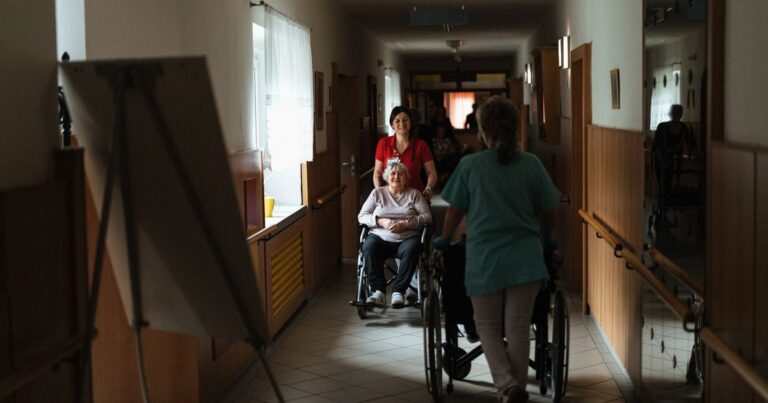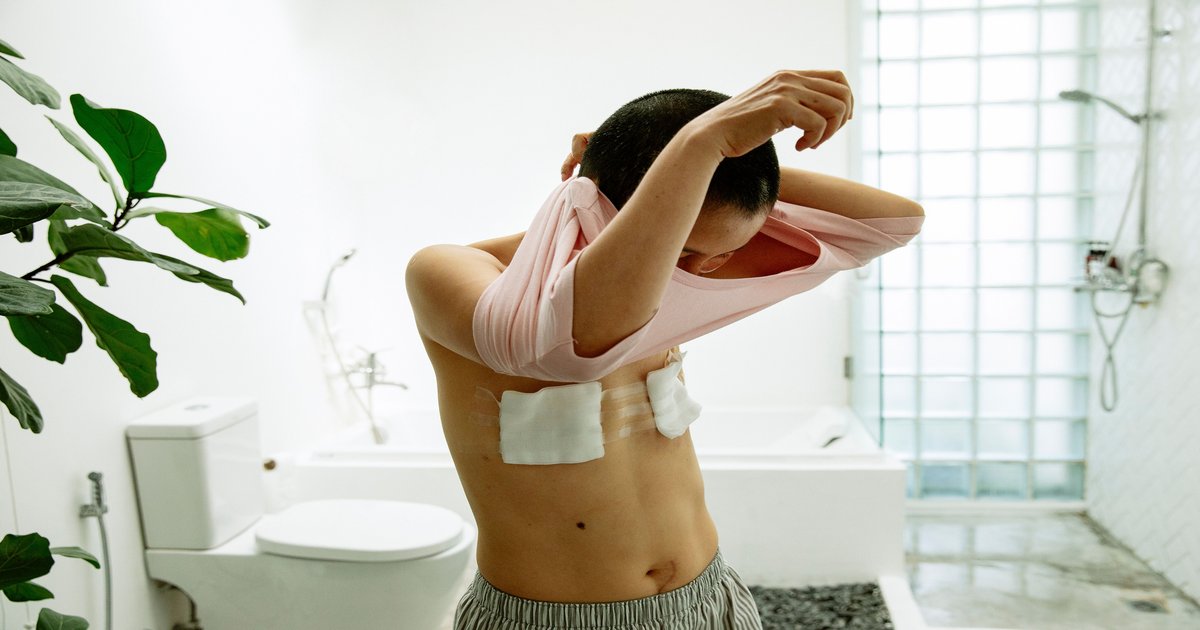
After surgery, recovery happens at home—not in a hospital or facility. Professional post-surgical home care accelerates recovery, prevents complications, and allows seniors to heal in the comfort and safety of their own homes.
This guide covers everything you need to know about post-surgical home care: what to expect, how to prepare, which services are essential, and how to optimize recovery outcomes.
🔹 ANNA’S INSIGHT: Home Recovery is Faster Recovery
“I’ve cared for hundreds of post-surgical patients. The ones who recover fastest are those at home with professional support. Why? Reduced infection risk, better pain management, meaningful activity, emotional support, and coordinated medical oversight. Surgery doesn’t end at the hospital—recovery begins at home.”
— Anna Kiyauzova, MSN, RN
Why Home Recovery is Superior
Research clearly demonstrates that post-surgical patients recover faster and better at home than in rehabilitation facilities. Hospital-acquired infections (HAI) affect 1 in 25 hospitalized patients. At home, infection risk drops dramatically. Patients experience better pain control, faster functional recovery, and superior psychological outcomes.
Infection Prevention
The biggest risk post-surgery is infection. Hospital environments expose patients to resistant bacteria (MRSA, C. difficile). Home environments are far cleaner and safer.
Faster Functional Recovery
Patients recover 20-30% faster at home due to reduced infection risk, better pain management, familiar comfortable environment, and daily meaningful activity.
Cost Savings
Home recovery costs 40-60% less than facility rehabilitation while producing better outcomes.
💙 HELEN’S STORY: Total Knee Replacement Recovery
Helen, 74, had total knee replacement. Her surgeon recommended facility rehabilitation. Instead, she chose ProLife HC home recovery. Skilled nurses managed her wound, managed pain, coordinated physical therapy. Within 8 weeks, Helen was walking without assistance. “I recovered faster than facility patients,” Helen says. “Home was the best medicine.”
Immediately After Surgery (First 2 Weeks)
The first 2 weeks post-surgery are critical. Daily nursing care prevents complications and monitors healing.
Essential Services
- Daily wound assessment and dressing changes
- Pain management and medication oversight
- Infection monitoring (fever, redness, discharge)
- Blood clot prevention measures
- Constipation prevention (opioids cause constipation)
- Mobility assistance (safe movement, fall prevention)
- Nutritional support (protein for healing)
- Physician communication
Typical Schedule
Skilled nursing 5-7 days/week, with daily care during the first 2 weeks. Home health aides assist with personal care and mobility.
Early Recovery (Weeks 3-6)
As the acute phase resolves, recovery focuses on restoring function and mobility.
Care Components
- Continued wound monitoring (weekly nursing)
- Pain management adjustment
- Physical therapy coordination and assistance
- Independence building (bathing, dressing, toileting)
- Mobility progression (walking distances, stairs)
- Strength exercises and activity encouragement
Typical Schedule
Nursing 2-3 times/week + Home health aide 3-5 days/week
Late Recovery (Weeks 6-12)
By week 6, most acute care is complete. Recovery focuses on returning to normal activities.
Care Components
- Monthly nursing checks
- Personal care aide support as needed
- Physical therapy continuation
- Independence validation
- Activity progression (full return to normal)
Typical Schedule
Nursing 1x/month + Aide support as needed (usually tapering off)
💡 PRO TIP: Wound Care at Home
Professional wound care prevents infection, promotes healing, and allows early detection of complications. Families should never attempt complex wound care. Licensed nurses are trained in sterile technique, dressing changes, and infection prevention.
Common Post-Surgical Complications (Prevention)
Surgical Site Infection
Signs: Fever, redness, warmth, discharge from wound, increasing pain.
Prevention: Daily wound assessment, sterile dressing changes, antibiotic oversight, hygiene support.
Blood Clots (DVT/PE)
Signs: Leg swelling, calf pain, chest pain, shortness of breath.
Prevention: Movement encouragement, compression stockings, blood thinner administration, mobility assistance.
Pneumonia
Signs: Cough, fever, shortness of breath, chest pain.
Prevention: Early mobilization, coughing and deep breathing exercises, nutritional support, infection monitoring.
Constipation
Signs: No bowel movement for 3+ days, bloating, straining.
Prevention: Stool softeners, adequate hydration, dietary fiber, activity encouragement.
Pain Management Problems
Signs: Uncontrolled pain limiting movement and recovery.
Prevention: Regular pain assessment, medication adjustment, comfort measures, activity pacing.
⚠️ RED FLAG SYMPTOMS: Call Doctor Immediately
- Fever above 101.5°F
- Wound opens or drains pus
- Severe swelling or redness spreading from wound
- Uncontrolled pain despite medications
- Difficulty breathing or chest pain
- Signs of blood clot (leg swelling, calf pain)
- Severe constipation or inability to urinate
Physical Therapy and Rehabilitation
Most post-surgical patients benefit from physical therapy—often coordinated through home care services.
PT Goals
- Restore mobility and function
- Rebuild strength
- Improve balance and coordination
- Return to normal activities
Home Care Coordination
ProLife HC coordinates with physical therapists, reinforces exercises between PT visits, monitors progress, and ensures safe progression.
Nutrition for Healing
Post-surgical healing requires adequate nutrition, especially protein for wound healing and immune function.
Essential Nutrients
- Protein: 1.2-1.5g/kg body weight daily
- Vitamin C: Supports collagen and wound healing
- Zinc: Critical for immune function
- Adequate calories for healing
- Adequate hydration
Common Problems
Post-surgical patients often have reduced appetite. Home care includes meal planning, food preparation, appetite encouragement, and nutritional support.
⭐ KEY TAKEAWAY: Professional Post-Surgical Care Accelerates Recovery
Recovery at home with professional support produces superior outcomes—fewer complications, faster functional recovery, and lower costs compared to facility rehabilitation. ProLife HC specializes in post-surgical care excellence.
Insurance Coverage for Post-Surgical Home Care
Medicare and Medicaid typically cover post-surgical skilled nursing care for the first 2-4 weeks. Coverage depends on surgery type, medical necessity, and physician orders. ProLife HC handles all insurance verification and billing.
Conclusion: Heal Faster at Home
Professional post-surgical home care allows safe, effective recovery in your own home. With proper nursing oversight, pain management, wound care, physical therapy coordination, and nutritional support, post-surgical patients recover faster and experience superior outcomes.
Need post-surgical home care? Call (718) 232-2777 for immediate consultation.