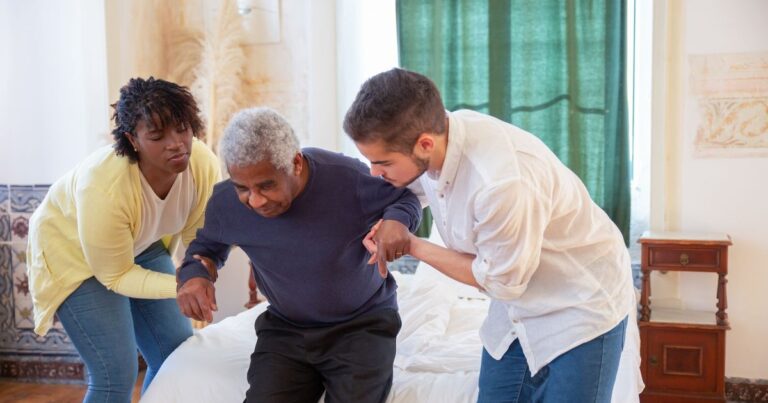

As a senior Registered Nurse practicing in the heart of New York City, I have witnessed firsthand the confusion families face when navigating the complex home care system; Choosing between a Home Health Aide and a Personal Care Aide is one of the most critical decisions a family can make for their loved one’s safety and well-being. My goal is to clarify these roles so you can ensure your home care plan aligns perfectly with New York State clinical standards and your specific health needs.
The HHA vs PCA duties difference NYC is primarily defined by the level of medical assistance provided; HHAs are trained to perform basic health-related tasks like monitoring vitals and assisting with prescribed exercises, while PCAs focus on non-medical support such as housekeeping and personal grooming. According to the New York Scope of Practice, HHAs require significantly more training hours to handle patients with unstable or evolving medical conditions.
| Service | What It Includes | Why It Matters |
|---|---|---|
| HHA Clinical Support | Vital signs, medication reminders, and health reporting. | Prevents medical emergencies through early detection; |
| PCA Personal Care | Bathing, dressing, grooming, and meal prep. | Maintains dignity and basic hygiene for the patient. |
| HHA Therapeutic Tasks | Assisting with walking, transfers, and prescribed exercises. | Essential for rehabilitation and preventing falls. |
Understanding the Clinical Scope of Practice
The term Scope of Practice refers to the procedures, actions, and processes that a healthcare practitioner is permitted to undertake in keeping with the terms of their professional license or certification. In the context of New York home care, this is the legal “fence” that keeps patients safe. If an aide steps outside this fence, they are practicing medicine or nursing without a license, which carries heavy penalties and creates immense liability for the family.
For an HHA, the Scope of Practice includes “health-related tasks.” These are tasks that, while appearing simple, require a basic understanding of anatomy and physiology. For example, when an HHA helps a patient with a transfer from a bed to a wheelchair, they are trained to look for signs of orthostatic hypotension (dizziness upon standing). A PCA is trained to perform the transfer for mobility purposes but might not have the clinical training to recognize the underlying physiological risk factors associated with certain medications or conditions.
- Scope of Practice ensures that high-risk tasks are only performed by those with verified training.
- It dictates that an RN must delegate specific tasks to an HHA.
- It prohibits PCAs from any form of sterile procedure or medication administration.
- It requires that all clinical observations be reported directly to a supervising nurse.
- The scope is updated periodically by New York State to reflect changes in healthcare technology and home-based capabilities.
Identifying Real Risks in NYC Home Care
Living in New York City presents unique challenges for home care. Small apartments, high-rise buildings, and the sheer pace of life can lead to shortcuts. The biggest risk is task delegation. Often, a family member might ask an aide, “Can you just give Mom her insulin?” If that aide is a PCA, or even an HHA without specialized training, the answer must be “No.” In NYC, only a licensed nurse or a family member can administer injections, unless the patient is using the CDPAP program where different rules apply.
Another risk is the failure to recognize a “change in condition.” In a clinical setting, we are trained to look for the subtle signs of a Urinary Tract Infection (UTI) in the elderly—confusion, increased agitation, or a slight change in gait. An HHA is trained to spot these as clinical red flags. A PCA might see them as a “bad day.” This delay in reporting can lead to sepsis, a life-threatening emergency that results in thousands of hospitalizations across the five boroughs every year.
- Risk of medication errors when aides are asked to manage pill organizers without authorization.
- Risk of skin breakdown (pressure ulcers) if an aide is not trained in proper turning and positioning.
- Risk of falls if the aide does not understand the patient’s specific gait limitations or side effects from medications.
- Risk of legal complications if the aide’s documentation does not match the actual care provided.
- Risk of financial loss if insurance denies a claim because the aide’s actions were outside their Scope of Practice.
Practical Steps for Families Navigating the System
To ensure you are making the right choice between an HHA and a PCA, start with a professional assessment. Do not guess what your loved one needs. A New York Licensed Home Care Services Agency will send an RN to your home to evaluate the patient’s physical, mental, and environmental status. This assessment results in a “Plan of Care,” which is a legal document that lists exactly what the aide is allowed to do. If the HHA vs PCA duties difference NYC seems confusing, the Plan of Care will make it very clear.
Furthermore, be proactive in communication. Ask the agency for the aide’s certification. In New York, you can verify an HHA’s certification through the Home Care Services Worker Registry. This transparency ensures that you are not being billed for a higher level of care than is being provided, and more importantly, that your loved one is in capable, legal hands. Always maintain a direct line of communication with the supervising RN, especially after a hospital discharge or a change in medication.
- Request a copy of the RN Assessment and the Plan of Care immediately.
- Verify the aide’s certification through the New York State Home Care Worker Registry;
- Discuss the “Scope of Practice” boundaries with your aide on day one to set expectations.
- Keep a logbook in the home where the aide can document their daily tasks and any observations.
- Review the care plan every 60 days or whenever the patient’s health status changes significantly.
The Role of Supervision and Ongoing Training
In New York City, the job doesn’t end once the aide is placed. The HHA vs PCA duties difference NYC is maintained through rigorous supervision; For an HHA, an RN must visit the home at least every 60 days to ensure the aide is following the clinical protocols and that the patient’s health is not declining. For a PCA, the focus of the visit is often on the quality of the personal care and the safety of the environment. These visits are not just “check-ins”; they are clinical evaluations that protect the patient from the risks of unskilled care.
Moreover, the best agencies in NYC invest in ongoing training. The healthcare field is always changing. New techniques for dementia care, better ways to use hoyer lifts, and updated protocols for infection control (vital in a post-pandemic world) are essential. When an aide is well-trained, they are more likely to stay within their Scope of Practice because they understand the “why” behind the rules. They understand that their limitations are not a sign of inability, but a protective measure for both themselves and the person they care for.
- RN supervision visits are a legal requirement under NYS DOH regulations.
- In-service training hours are mandatory for aides to maintain their certification in New York.
- Specialized training for conditions like Alzheimer’s or Parkinson’s can bridge the gap between basic care and high-quality support.
- Supervision helps identify if a patient’s needs have escalated from PCA to HHA levels of care.
- Aides who receive regular feedback and training are more likely to provide consistent, high-quality care.
Frequently asked questions
What is the main HHA vs PCA duties difference NYC?
The main difference is that an HHA can perform basic medical tasks like monitoring vitals and assisting with medical equipment, whereas a PCA is limited to non-medical personal care and housekeeping.
Does the Scope of Practice allow a PCA to give medication?
No, under the New York Scope of Practice, a PCA cannot administer medication; they may only provide simple reminders unless the care is through a specific program like CDPAP.
How many training hours are required for an HHA in New York?
An HHA must complete a minimum of 75 hours of training, which includes both classroom instruction and supervised clinical experience, compared to 40 hours for a PCA.
Is a PCA or an HHA safer for a patient with multiple chronic illnesses?
Generally, an HHA is safer because they have the clinical training to recognize and report changes in a patient’s medical condition that a PCA might overlook.
Why does the HHA vs PCA duties difference NYC matter for insurance?
Insurance providers, especially Medicaid, require that the level of care matches the patient’s medical necessity to prevent billing fraud and ensure patient safety.
Contact ProLife Home Care NYC for a free clinical assessment:(718) 232 – 2777