
The M11q does not decide how many hours of home care you get. The form tells the doctor not to recommend any hours. In New York, the hours are authorized by your Medicaid plan or local social services district after a nurse assessment, and state regulations say they may authorize only the hours or frequency a person actually requires.
What decides the number of home care hours in NYC?
Three things work together: the assessment of what the person can and cannot do, the practitioner’s order saying care at home is safe, and the authorization by the plan or district. The M11q is only the medical statement that sits behind some of those requests, and the HRA hint sheet for it says the medical professional must not recommend or request the number of hours.
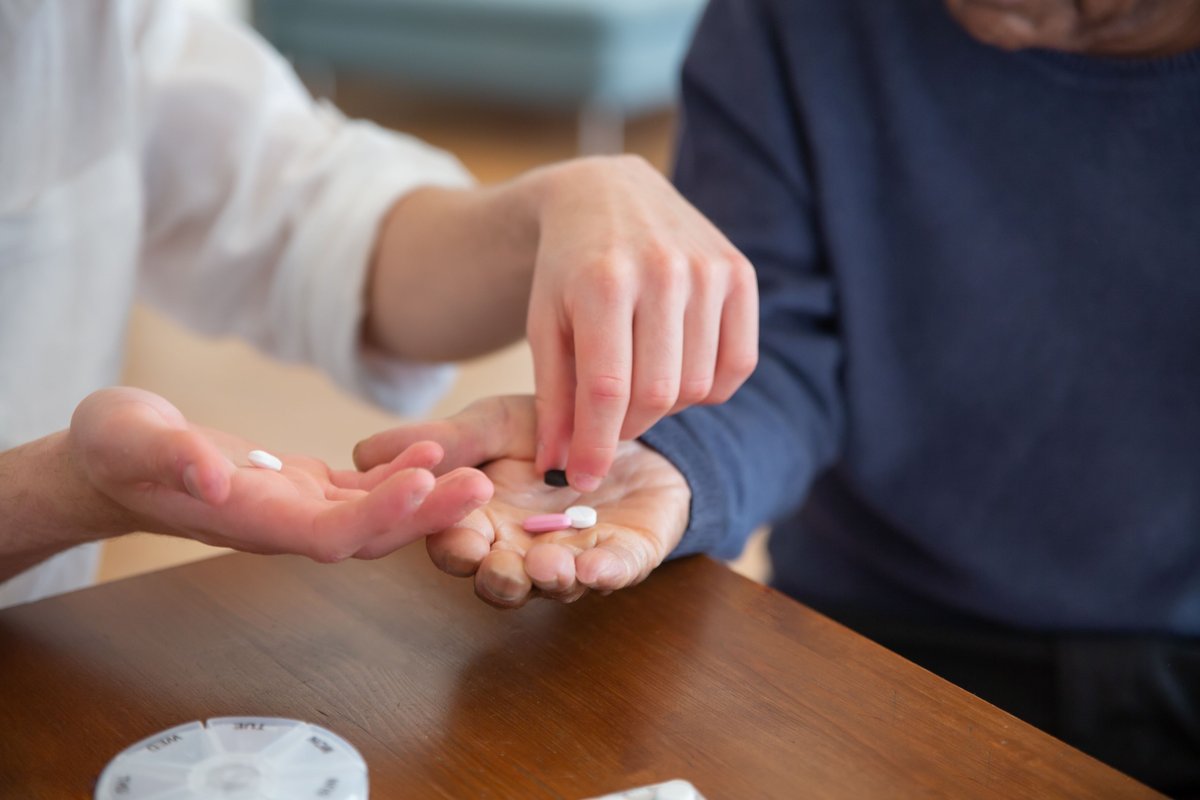
The state’s personal care rule, 18 NYCRR 505.14, sets out two levels of service.
| Level | What it covers | Limit in the rule |
|---|---|---|
| Level I | Housekeeping-type help: making beds, light cleaning, dishwashing, shopping, laundry, preparing meals | Authorization may not exceed 8 hours per week |
| Level II | Everything in Level I plus personal care: bathing, dressing, grooming, toileting, transferring, feeding, and help with self-administering medication | Only the hours actually required; an average above 12 hours a day goes to an independent review |
Round-the-clock care has its own definitions in the same rule.
| Type of care | How the rule describes it |
|---|---|
| Continuous personal care | More than one aide for more than 16 hours in a calendar day, for a person who needs frequent help with toileting, walking, transferring, turning and positioning, or feeding |
| Live-in 24-hour care | One aide, for a person whose need for help is infrequent enough that the aide would likely get five hours of uninterrupted sleep during an eight-hour sleep period |
Since September 1, 2025, New York also applies a Minimum Needs Requirement to new and reassessed adults: at least limited assistance with physical maneuvering with more than two activities of daily living, or for dementia or Alzheimer’s, supervision with more than one. People already receiving services on that date continue under the earlier criteria. Details are in our CDPAP eligibility guide.
How does the M11q fit into getting approved hours?
For adults asking for the first time, the state now runs the front end through its independent assessor, and the assessor’s practitioner order replaces the M11q. For reassessments and for children the older medical forms, DOH-4359 or the M11q, still apply, according to the Department of Health’s 2022 notice. Our M11q form guide covers the form itself.
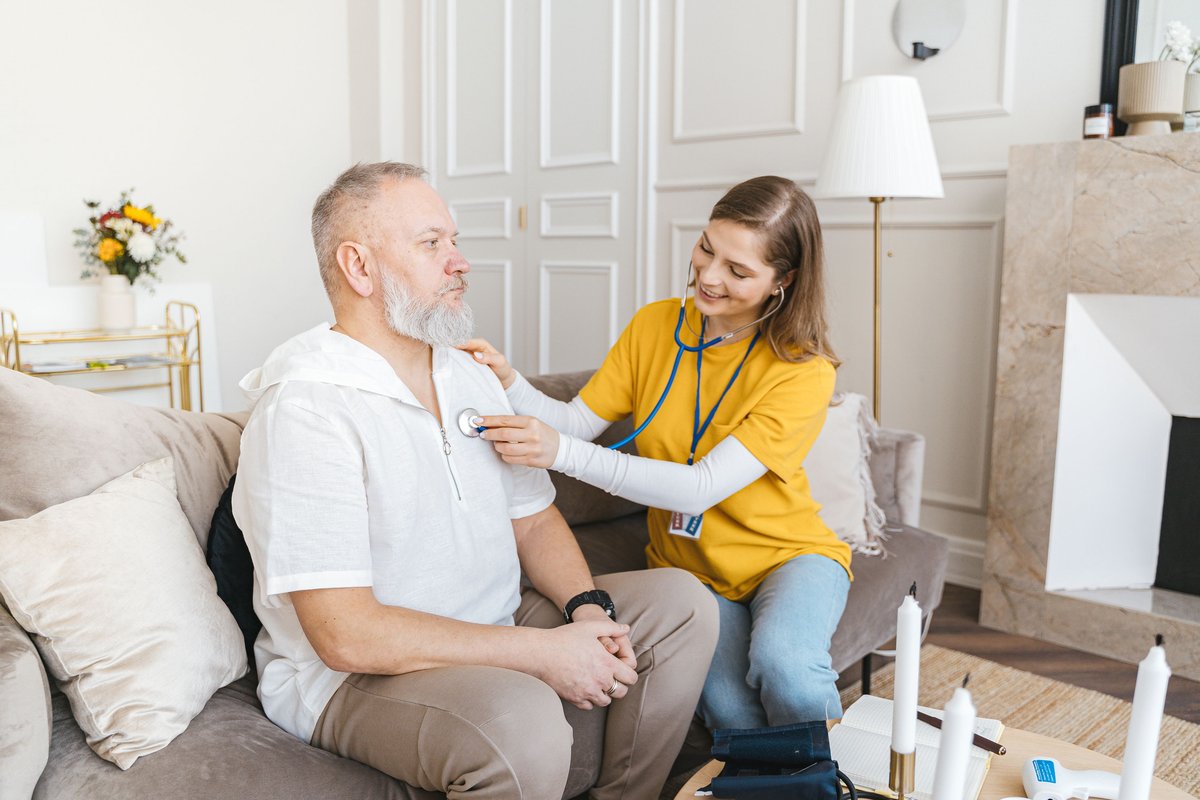
For a first-time adult request, the Department of Health describes these steps.
- Confirm Medicaid is active. Without it, the assessor refers you to your local district to apply.
- Call the New York Independent Assessor at (855) 222-8350. They schedule the nurse assessment and the clinical appointment on the same call.
- Nurse assessment. A registered nurse completes the Community Health Assessment, in person or by video, and interpreters are available.
- Clinical appointment. An independent clinician with no prior relationship to you examines you and issues the practitioner order if you can safely receive services at home.
- Notice. The assessor mails the outcome. If approved, you contact your plan or district to request personal care or CDPAP.
- Authorization. The plan or district decides the hours. An authorization cannot run longer than 12 months from the latest assessment or order.
The state says the assessment and clinical appointment are completed within 14 calendar days of contacting the assessor when Medicaid is active, and that the assessment and order stay valid for 12 months. The newest notice I could read on the program page about moving reassessments to the assessor is dated November 17, 2023, when they were postponed with no new date, so ask your plan who is handling yours.
What does the nurse look at when setting hours?
The regulation says the independent assessment covers the functions and tasks the person needs, a discussion with the person, and the potential role of informal caregivers such as family. A nurse with at least two years of recent home health care experience performs it.
That makes your description the most important input. Before the visit, write down what happens on a bad day: falls or near-falls, trouble getting out of bed, missed medication, wandering, incontinence. Hours follow what the assessment records, so a need that never gets mentioned is easy to miss.
How many hours will Medicaid approve? Advice from our nurse director
Anna Klyauzova, RN, MSN, MPA, Director of Patient Services at ProLife Home Care, on what she sees in practice:
I never promise a family a number of hours before the assessment. Two people with the same diagnosis can need very different amounts of help. The assessment looks at how they manage daily activities, their cognitive state and other individual needs. If the approved hours still look too low, ask for a reassessment.
Don’t wait for a hospital stay or a fall to start looking at Medicaid and home care programs. It is far easier to arrange safe care before things reach a crisis.
What if the approved hours look too low?
The rule requires the plan or district to give written notice of any change in authorization, and the notice must state the person’s fair hearing rights. Read the dates on it first.
- Ask for a reassessment if the person’s condition has changed since the last assessment.
- File the plan appeal by the deadline printed on the notice. The state’s model Medicaid managed care handbook leaves the exact period to each plan and says it must be at least 60 business days. MLTC plans use their own handbooks, so the printed notice is what counts.
- Request a fair hearing if the appeal fails. To keep a service during an appeal, the same handbook says to ask for a hearing within ten days of the denial or by the date the change takes effect. The hearing line it lists is 1-800-342-3334.
How do I check an aide on the NYS Home Care Registry?
The New York State Home Care Registry is the Department of Health’s database of home health aides and personal care aides who completed a state-approved training program. It does not show how many hours someone may work, and it does not replace asking the agency about supervision and background checks.
| Search option | What you enter |
|---|---|
| By name | First, middle and last name; at least two characters of the last name; you can narrow by county, gender and worker type |
| By registry number | The Home Care Registry Number the Department of Health assigned to the worker |
Worker types in the search are home health aide, advanced home health aide and personal care aide. Open the registry search and ask the aide or agency for the registry number if a name search finds nothing. The state warns that it does not guarantee third-party information, that a certification may have lapsed, and that a listing can be outdated. Our walk-through of checking the Home Care Registry shows what each result means.
We are a licensed home care agency in Brooklyn and Queens (New York State Department of Health licence #2572L001). If you want help understanding what a notice or an assessment means for your family, call (718) 232-2777 or use our contact page. For related reading, see how Medicaid covers home care and live-in care in New York City.
Program rules change. Everything above was checked on 9 October 2026 against health.ny.gov, nyc.gov and the text of 18 NYCRR 505.14. The Department of Health pages block automated readers, so some pages were read through its mirror site. Confirm your own hours, appeal deadlines and forms with your Medicaid plan or local social services district.
Frequently asked questions
Does the M11q decide how many home care hours I get?
No. The doctor completing the M11q must not recommend or request a number of hours. Hours are authorized by the Medicaid plan or local district after a nurse assessment.
How many hours of home care can Medicaid approve in NYC?
There is no single number. The rule allows only the hours actually required, limits Level I housekeeping help to 8 hours a week, and sends cases averaging more than 12 hours a day to an independent review.
Is there a 2026 version of the M11q form?
I found none. The copy on nyc.gov is dated 12/09/2014. For first-time adult requests, the state’s independent assessor’s practitioner order replaces the form.
How do I search the NYS Home Care Registry?
Go to the Department of Health’s registry page and search by the worker’s name, with at least two characters of the last name, or by their Home Care Registry Number. Read the results with the state’s disclaimers in mind.
What is the difference between the New York home care registry and the M11q?
The registry lists trained home health aides and personal care aides. The M11q is a medical form describing a patient’s condition for a home care request.
Does VNS Health home care use the same Medicaid hours?
VNS Health says its home care requires a medical referral and is usually covered by insurance during recovery, and that personal care from an aide can be paid out of pocket. Whether a Medicaid plan authorizes hours with a given agency depends on the plan’s network, so ask the plan.
What can I do if my authorized hours are too low?
Ask for a reassessment if the condition changed, then use the plan appeal and fair hearing rights printed on your notice. Watch the dates, because keeping a service during an appeal depends on acting within days.