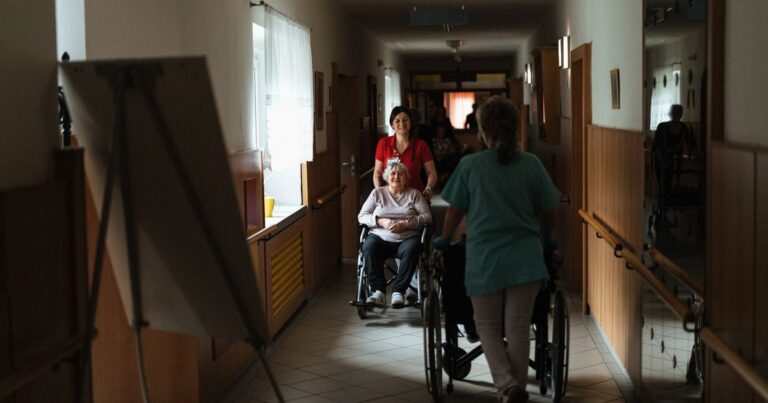
Rehab Continuity: Navigating Recovery After Helen Hayes Hospital
Transitioning from Helen Hayes Hospital? Discover the professional secrets to a safe home recovery that ensures long-term health and prevents setbacks.
Anna Klyauzova, MSN, RNDirector of Patient Services · ProLife Home Care
✓ Medically reviewed
Updated 9 min read
Short answer
Transitioning from Helen Hayes Hospital? Discover the professional secrets to a safe home recovery that ensures long-term health and prevents setbacks.
As a senior Registered Nurse practicing within the complex New York healthcare landscape, I have guided countless families through the critical period following a stay at a premier rehabilitation facility. The transition from a structured environment like Helen Hayes Hospital to the home setting is a delicate phase that requires meticulous planning and professional oversight. My experience shows that the first few days at home are the most influential in determining long-term recovery success and preventing unnecessary hospital readmissions.
Ensuring rehab continuity after leaving Helen Hayes Hospital requires a coordinated Helen Hayes Hospital home nursing transition strategy that prioritizes clinical stability and functional progress. The cornerstone of this process is a comprehensive Nursing Assessment, which identifies potential hazards and establishes a clinical baseline for the home environment. By bridging the gap between inpatient care and home-based recovery, patients can safely maintain the physical gains achieved during their intensive rehabilitation.
Service
What It Includes
Why It Matters
Medication Management
Reviewing all prescriptions and setting up a dosing schedule
Prevents dangerous drug interactions and ensures compliance.
Home Safety Evaluation
Checking for falls risks and recommending adaptive equipment
Reduces the high risk of injury in the first week at home.
Clinical Monitoring
Regular vitals checks and wound care by a Registered Nurse
Catches complications early to avoid hospital readmission.
Frequently asked questions
What is the first step in a Helen Hayes Hospital home nursing transition?
The first step is a comprehensive Nursing Assessment performed by an RN within 24 hours of arrival home to ensure safety and clinical stability.
How does a Nursing Assessment prevent hospital readmission?
It identifies early red flags such as infection, medication errors, or fall hazards, allowing for intervention before the situation becomes an emergency.
Does rehab continuity include help with medical equipment?
Yes, the nursing team coordinates with the hospital to ensure all necessary equipment, like walkers or hospital beds, is delivered and correctly set up in the home.
Can a nurse help with the physical therapy exercises learned at Helen Hayes?
While PTs lead the exercises, the home nurse ensures the patient is physically able to participate and monitors for any pain or fatigue that might hinder progress.
How long does the transition support usually last?
The duration varies based on the patient’s needs, but it typically covers the critical initial weeks until the patient is stable and the family is trained in basic care routines.
Contact ProLife Home Care NYC for a free clinical assessment:(718) 232 – 2777
Questions answered in this article
What is the first step in a Helen Hayes Hospital home nursing transition?
The first step is a comprehensive Nursing Assessment performed by an RN within 24 hours of arrival home to ensure safety and clinical stability.
How does a Nursing Assessment prevent hospital readmission?
It identifies early red flags such as infection, medication errors, or fall hazards, allowing for intervention before the situation becomes an emergency.
Does rehab continuity include help with medical equipment?
Yes, the nursing team coordinates with the hospital to ensure all necessary equipment, like walkers or hospital beds, is delivered and correctly set up in the home.
Can a nurse help with the physical therapy exercises learned at Helen Hayes?
While PTs lead the exercises, the home nurse ensures the patient is physically able to participate and monitors for any pain or fatigue that might hinder progress.
How long does the transition support usually last?
The duration varies based on the patient’s needs, but it typically covers the critical initial weeks until the patient is stable and the family is trained in basic care routines. Contact ProLife Home Care NYC for a free clinical assessment:(718) 232 – 2777
14 years in clinical nursing9 years in home careMS, Nursing AdministrationMPA
She has nursed since 2011, at Jacobi Medical Center and then at Mount Sinai, where she ran an operating room team before co-founding ProLife Home Care in 2017. Her profile is public on LinkedIn, and the agency licence is public on NYS Health Profiles.
✓ Got it. Your request is with a coordinator, and we will call you back.
When do you need to start?
Your information is private and secure.
Cookies are small files your browser keeps. Some run the site, the rest just show us which pages people find useful. We don’t sell any of it.The details.
You can change this any time.
Your choice
Either way is fine. Nothing here affects your care, your application, or what you pay.
Changed your mind later? The Cookies link at the bottom of any page brings this back. Full details in our Privacy Policy.