In New York, a personal care aide (PCA) helps with bathing, dressing, grooming, toileting, feeding, walking, transfers and household tasks after 40 hours of state-approved training. A home health aide (HHA) completes 75 hours and can also help with health-related tasks such as taking vital signs, assisting with prescribed equipment and dressing changes, under the supervision of a registered nurse. Nursing tasks stay with a nurse.
The rules come from state regulations and Department of Health training materials, and they are more specific than most online summaries suggest. Below is a plain-language version.
What is the difference between an HHA and a PCA in New York?
Both roles work under professional supervision in the home, and both must be listed on the state’s Home Care Registry. The main differences are training depth and the range of tasks.
| Personal care aide (PCA) | Home health aide (HHA) | |
|---|---|---|
| Minimum training | 40 hours, free to the trainee at DOH-approved programs | 75 hours: 40 hours Home Care Curriculum plus 35 hours Health Related Tasks Curriculum |
| Practical component | Skills taught by a registered nurse, with a competency evaluation | 16 hours of supervised practical training, at least half in a patient care setting |
| Core tasks | Personal hygiene, dressing, feeding, toileting, housekeeping and meals | Everything a PCA does, plus health-related tasks from the state curriculum |
| Yearly in-service | Three hours twice a year | 12 hours a year |
| Supervision | Registered nurse, as appropriate | Registered nurse, as appropriate |
What can a personal care aide do?
The state’s personal care services regulation, 18 NYCRR 505.14, splits the work into two levels. Level I covers household and meal tasks only, and an authorization for Level I alone cannot exceed eight hours a week. Level II adds hands-on personal care.
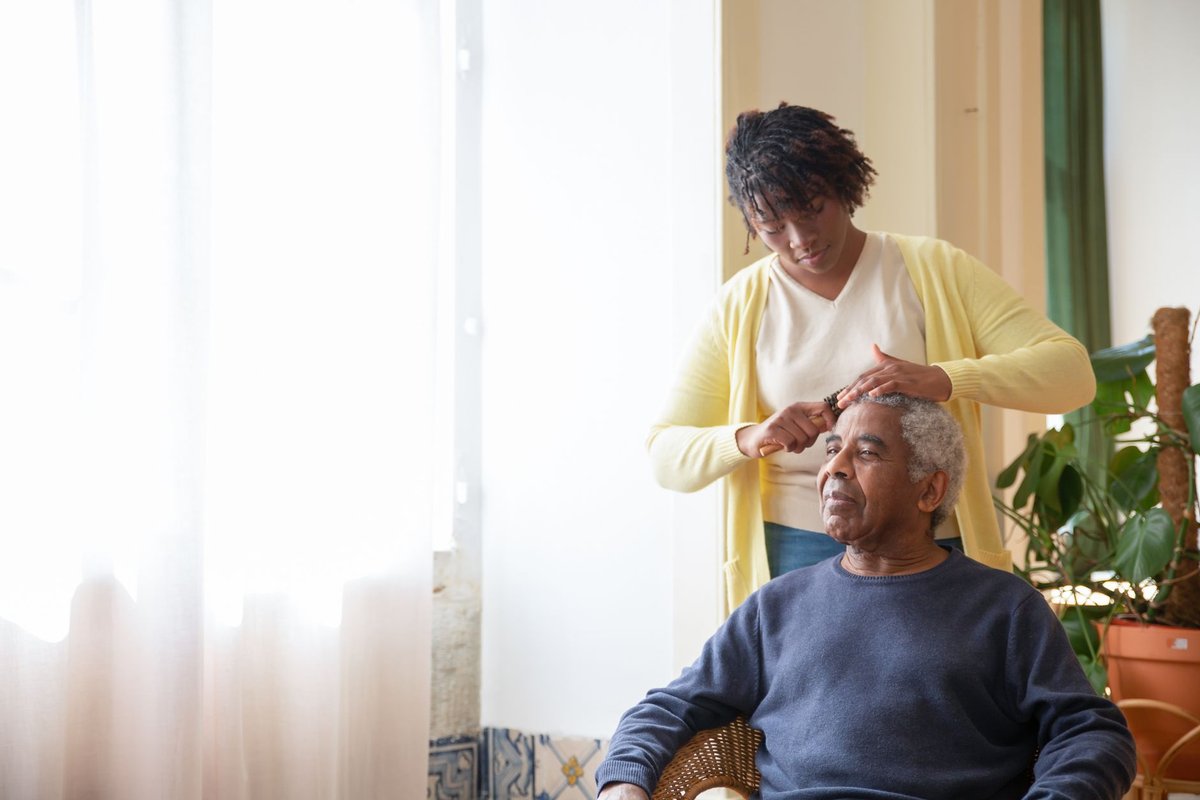
Level II personal care functions listed in the regulation include:
- Bathing in bed, tub or shower, dressing and grooming (hair, shaving, nails, teeth and mouth).
- Toileting, including help on and off a bedpan, commode or toilet.
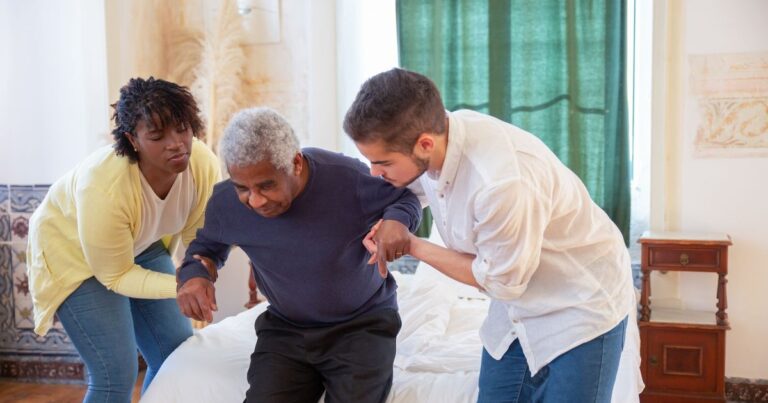
- Walking inside and outside the home, transferring from bed to chair or wheelchair, and turning and positioning.
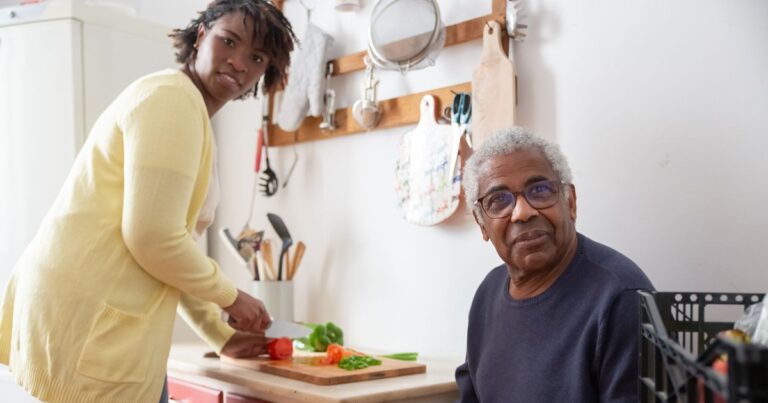
- Preparing meals, including modified diets such as low sugar, low fat, low salt and low residue, and feeding.
- Routine skin care, using walkers and wheelchairs, and changing simple dressings.
- Help with medication that the patient takes: prompting on time, identifying the medication, bringing it, opening the container and storing it properly.
A PCA may also provide supervision and cueing to help the person do these tasks, but the regulation says supervision and cueing are not a stand-alone service.
What extra can a home health aide do?
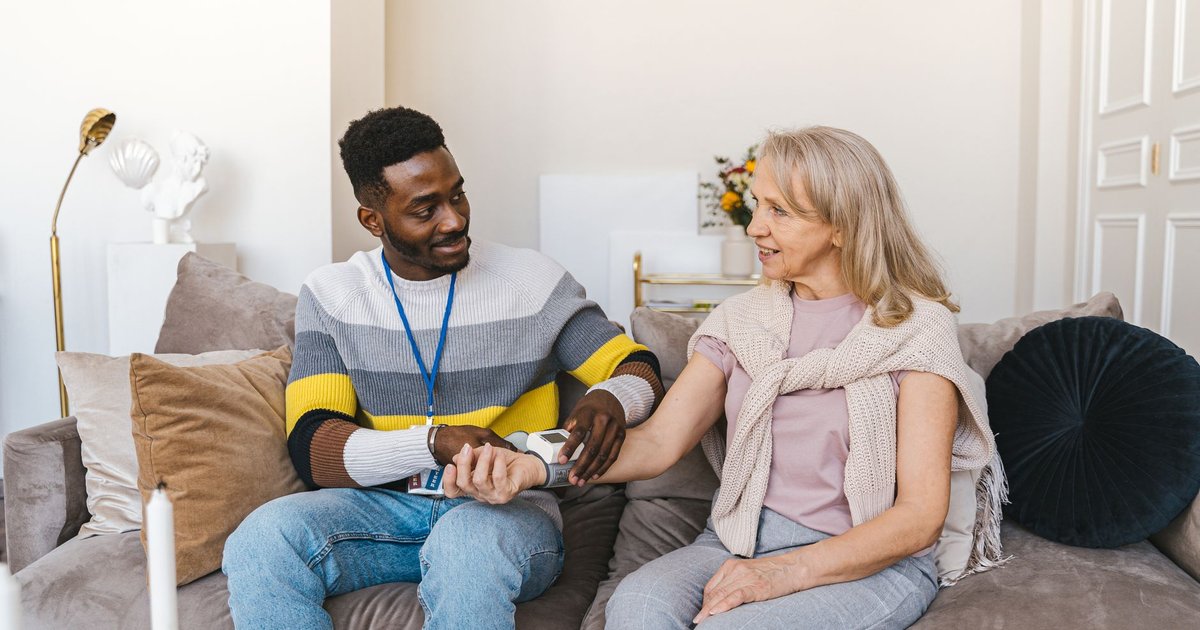
The HHA curriculum adds a unit set called Health Related Tasks. According to the state’s curriculum, the units cover orientation, simple measurements and tests, complex modified diets, assisting with a prescribed exercise program, assisting with prescribed medical equipment, special skin care, dressing changes and ostomy care. Examples in the course include measuring temperature, pulse, respirations and blood pressure, assisting with condom catheters, cleaning skin and catheter tubing, emptying a urinary drainage bag, and assisting with an oxygen concentrator, nebulizer or CPAP machine.
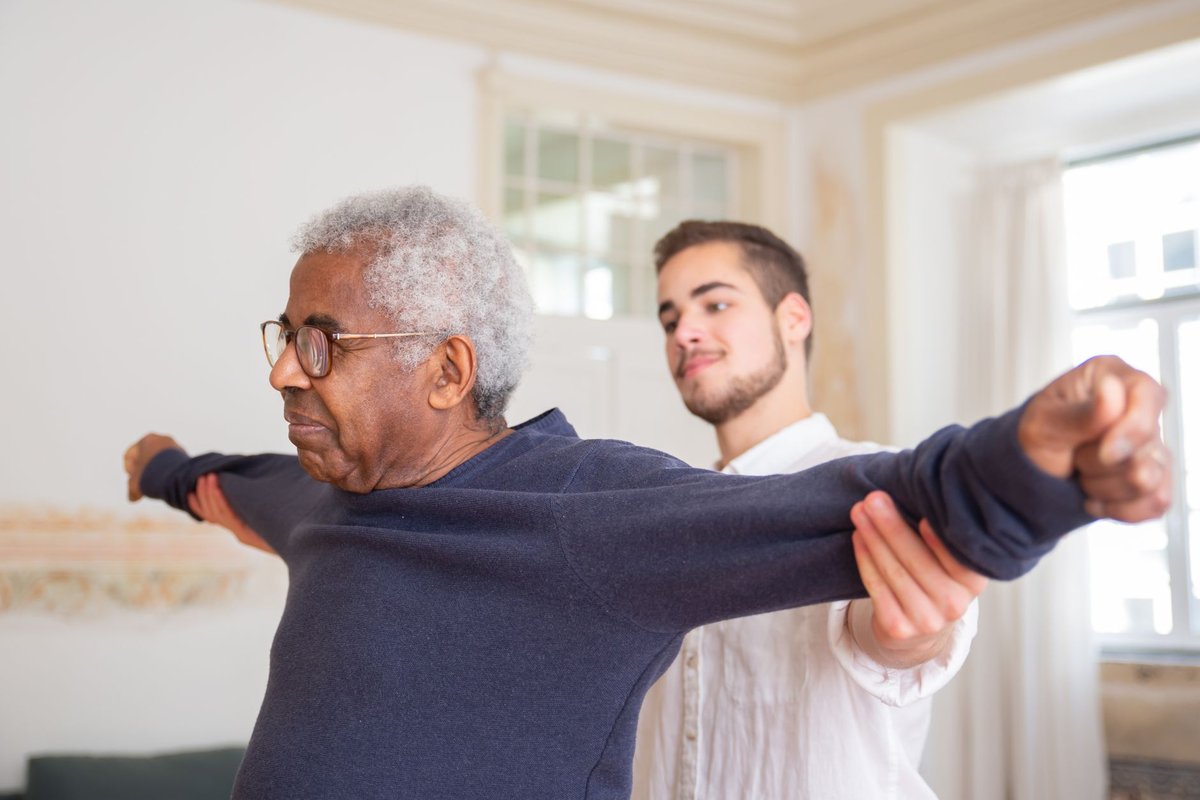
The key word is assisting. These tasks follow the plan of care written under a nurse’s supervision, and the aide reports observations to the nurse.
| Task | PCA | HHA | Advanced HHA |
|---|---|---|---|
| Bathing, dressing, toileting, feeding | Yes (Level II) | Yes | Yes |
| Prompting a patient to take their own medication | Yes | Yes | Yes |
| Measuring blood pressure, pulse, temperature | Not on the PCA task list | Taught in the curriculum | Yes |
| Emptying a urinary drainage bag | Not on the PCA task list | Taught in the curriculum | Yes |
| Giving routine or prefilled medications | No | No | Yes, when a nurse assigns it |
| Injections, sterile procedures, central line care | No | No | No, except a few exceptions |
What is an advanced home health aide?
An advanced home health aide (AHHA) is a certified home health aide authorized to perform advanced tasks after extra training. The Department of Health says the law requires that AHHAs be able to administer medications that are routine, prefilled or otherwise packaged for easy administration.
The state sets firm limits around the role:
- An aide needs at least one year of experience, the required training and competency exams, and a listing in the registry.
- The aide works only under a New York registered nurse employed by a licensed or certified home care agency, a hospice or a certain assisted living residence.
- The nurse assigns each advanced task after a nursing assessment, trains the aide on that patient, and can revoke any task for any reason.
- The nurse must visit at least every two weeks and be reachable by phone around the clock.
- Injections, sterile procedures and central line maintenance are excluded, except insulin and other diabetes injections, low molecular weight heparin, and prefilled auto-injections of naloxone and epinephrine.
- A person who declines to be served by an AHHA cannot be assigned one.
How can you tell whether a task is allowed?
- Read the plan of care. The written plan lists the tasks and how often. An aide should work only within it.
- Ask the supervising nurse. If you want a new task added, such as help with a device or a dressing, ask the agency’s registered nurse rather than the aide.
- Check the aide’s type. The Home Care Registry lists each person as Advanced Home Health Aide, Home Health Aide or Personal Care Aide. See our guide to checking the registry.
- Report changes. When the person’s condition changes, tell the nurse. State rules say plans of care are revised as needed and changes reported to the practitioner.
For a complaint about care, the Department of Health lists a home care complaint line at 1-800-628-5972.
Who supervises home care aides, and how often?
State regulation 10 NYCRR 766.5 requires agencies to supervise all staff delivering care in homes. HHAs and PCAs are supervised, as appropriate, by a registered nurse, and the nurse’s in-home visits include instructing the aide on the observations and reports to make. The regulation also requires that the plan of care be revised when needed. Visit frequency varies by program and by the person’s needs; for advanced aides, the regulation sets a nurse visit at least every two weeks.
For personal care aides under Medicaid, the nurse’s supervisory reports are part of the review when Level II services are reauthorized. See our guides to personal care services, nurse services and the HHA certificate.
What good agency supervision looks like: notes from our nurse director
Anna Klyauzova, RN, MSN, MPA, Director of Patient Services at ProLife Home Care, on what she sees in practice:
Three things separate a good agency. First, RN supervision: a care plan is only useful if someone keeps checking it against the patient’s current condition, and if the person starts falling more or moving worse, the plan changes. Second, matching: an HHA or PCA should fit on language, schedule, location and experience with the person’s needs, not only on certification. Third, replacement: if an aide isn’t right or can’t make a shift, the family should know exactly whom to call.
We are a licensed home care agency in Brooklyn and Queens, licence #2572L001, New York State Department of Health. To talk through which type of aide fits your situation, call (718) 232-2777 or use our contact page.
Regulations and training rules can change. Everything above was checked on 9 October 2026 against regs.health.ny.gov and health.ny.gov. The task list for advanced aides is set by the State Education Department, so confirm any specific task with the supervising nurse. This is general information, not clinical advice.
Frequently asked questions
What is the difference between an HHA and a PCA in New York?
A PCA completes at least 40 hours of training and helps with personal care and household tasks. An HHA completes 75 hours and can also help with health-related tasks taught in the state curriculum, under nurse supervision.
Can a personal care aide give medication in New York?
A PCA can help a patient take their own medication by prompting on time, identifying it, bringing it, opening the container and storing it. Giving medications is a task for an advanced home health aide assigned by a nurse, or a nurse.
Can a home health aide take blood pressure?
Yes. Measuring blood pressure, pulse, respirations and temperature is part of the state’s Health Related Tasks Curriculum, and the aide reports the results to the supervising nurse.
Can an HHA empty a catheter bag?
The state curriculum includes assisting with condom catheters, cleaning skin and catheter tubing, and emptying the urinary drainage bag. Putting in or changing a catheter is a nursing task. See our page on catheter care at home.
What can an advanced home health aide do that an HHA cannot?
Administer routine, prefilled or easy-to-administer medications when a registered nurse assigns it. Injections, sterile procedures and central line maintenance are excluded, with narrow exceptions such as insulin.
How many training hours does an HHA need?
75 hours in New York: 40 hours of the Home Care Curriculum and 35 hours of the Health Related Tasks Curriculum, including 16 hours of supervised practical training. A PCA needs at least 40 hours.
Who supervises home health aides and personal care aides?
A registered nurse, as appropriate. For advanced home health aides, the nurse must visit at least every two weeks and be reachable by phone at all hours.