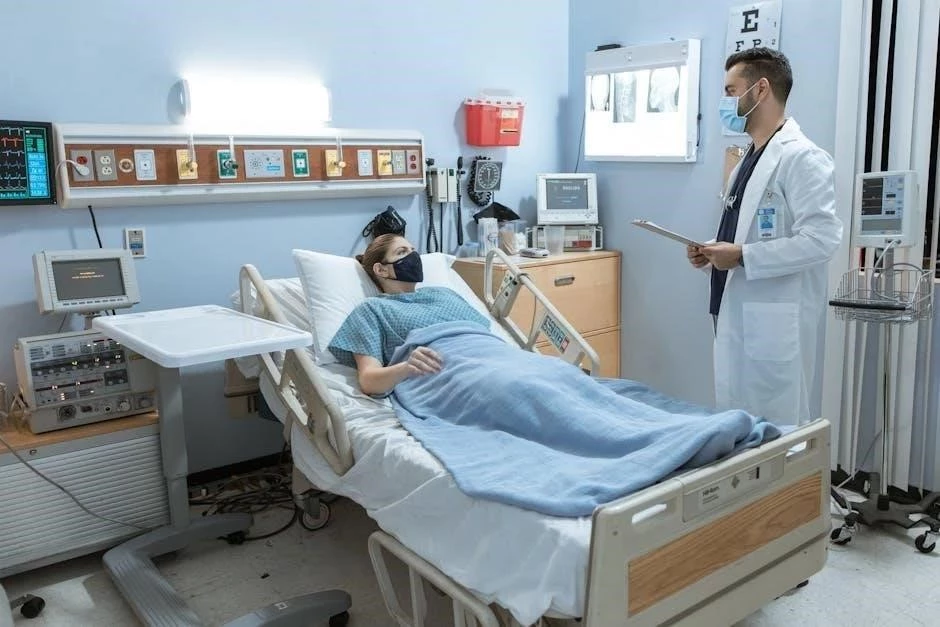
Staten Island Clinical Support: Transitioning Home from RUMC
Don't just leave the hospital—thrive at home! Get expert Staten Island recovery secrets for your Richmond University Medical Center discharge process now.
Anna Klyauzova, MSN, RNDirector of Patient Services · ProLife Home Care
✓ Medically reviewed
Updated 8 min read
Short answer
Don't just leave the hospital—thrive at home! Get expert Staten Island recovery secrets for your Richmond University Medical Center discharge process now.
As a senior registered nurse working within the complex New York City healthcare landscape, I have seen firsthand how critical the transition period is for patients leaving Richmond University Medical Center. Successfully returning home to Staten Island requires a coordinated effort that begins the moment the Richmond University Medical Center discharge papers are signed. My focus is always on ensuring that the patient moves from the clinical setting to their residence with a comprehensive plan that prioritizes safety, medication accuracy, and continuous monitoring through a professional Nursing Assessment.
Transitioning home from RUMC involves a multi-step clinical process that includes a formal Richmond University Medical Center discharge plan and a follow-up Nursing Assessment conducted in the home environment. To ensure a safe recovery, patients must reconcile their medications, schedule follow-up appointments with Staten Island specialists, and have a clear understanding of their post-surgical or post-illness limitations.
Service
What It Includes
Why It Matters
Medication Management
Review of all hospital and home drugs
Prevents dangerous drug interactions and errors.
Wound Care
Assessment and dressing of surgical sites
Reduces the risk of infection and hospital readmission.
Vital Sign Monitoring
Regular checks of BP, heart rate, and oxygen
Provides early warning of potential clinical decline.
Frequently asked questions
What is the first step in a Staten Island clinical support plan after an RUMC discharge?
The first step is a comprehensive Nursing Assessment conducted in the home to reconcile medications and evaluate the patient’s physical stability.
How does Richmond University Medical Center discharge planning help with medication?
The discharge team provides a list of new medications, which a home care nurse then compares to your existing medications to ensure there are no duplicates or conflicts.
Why is a Nursing Assessment necessary if I was just checked at the hospital?
Hospitals are controlled environments; an in-home assessment looks at how you function in your actual living space and identifies risks like stairs or lack of support.
Can Staten Island clinical support help prevent me from going back to RUMC?
Yes, by monitoring your condition daily and catching small problems like minor infections or fluid retention before they become emergencies.
What should I have ready for the nurse’s visit after my Richmond University Medical Center discharge?
Have all your discharge paperwork, all current medication bottles (old and new), and a list of any questions or new symptoms you have noticed.
Contact ProLife Home Care NYC for a free clinical assessment:(718) 232 – 2777
Questions answered in this article
What is the first step in a Staten Island clinical support plan after an RUMC discharge?
The first step is a comprehensive Nursing Assessment conducted in the home to reconcile medications and evaluate the patient’s physical stability.
How does Richmond University Medical Center discharge planning help with medication?
The discharge team provides a list of new medications, which a home care nurse then compares to your existing medications to ensure there are no duplicates or conflicts.
Why is a Nursing Assessment necessary if I was just checked at the hospital?
Hospitals are controlled environments; an in-home assessment looks at how you function in your actual living space and identifies risks like stairs or lack of support.
What should I have ready for the nurse’s visit after my Richmond University Medical Center discharge?
Have all your discharge paperwork, all current medication bottles (old and new), and a list of any questions or new symptoms you have noticed. Contact ProLife Home Care NYC for a free clinical assessment:(718) 232 – 2777
14 years in clinical nursing9 years in home careMS, Nursing AdministrationMPA
She has nursed since 2011, at Jacobi Medical Center and then at Mount Sinai, where she ran an operating room team before co-founding ProLife Home Care in 2017. Her profile is public on LinkedIn, and the agency licence is public on NYS Health Profiles.
✓ Got it. Your request is with a coordinator, and we will call you back.
When do you need to start?
Your information is private and secure.
Cookies are small files your browser keeps. Some run the site, the rest just show us which pages people find useful. We don’t sell any of it.The details.
You can change this any time.
Your choice
Either way is fine. Nothing here affects your care, your application, or what you pay.
Changed your mind later? The Cookies link at the bottom of any page brings this back. Full details in our Privacy Policy.