Recovering from a stroke at home isn’t just rehabilitation exercises — it also means staying alert to the possibility of another stroke, which can happen during recovery. Knowing the warning signs matters just as much the second time as the first.
BE FAST: the warning signs, and why speed matters
Per the CDC, the treatments that work best for stroke are only available if it’s recognized and diagnosed within 3 hours of the first symptoms. That window is why immediate action — not “let’s wait and see” — is the right response every time.
| Letter | Check for |
|---|---|
| B — Balance | Sudden loss of balance or dizziness |
| E — Eyes | Sudden trouble seeing normally |
| F — Face | Ask them to smile — does one side droop? |
| A — Arms | Ask them to raise both arms — does one drift down? |
| S — Speech | Ask them to repeat a phrase — is it slurred or strange? |
| T — Time | Call 911 immediately, and note when symptoms started |
Note the exact time symptoms started — this specific detail directly affects what treatment options are available at the hospital. Never drive someone to the hospital yourself: call 911, since emergency personnel can begin treatment in the ambulance on the way.
Don’t ignore symptoms that go away on their own
If stroke-like symptoms resolve within a few minutes, it may have been a transient ischemic attack (TIA), or “mini-stroke.” A TIA is genuinely a warning sign of serious underlying risk, not a false alarm — many people dismiss it because it resolved, which is exactly the wrong response. Any TIA should be reported to a healthcare provider immediately, not mentioned in passing at a future appointment.
What recovery at home actually involves
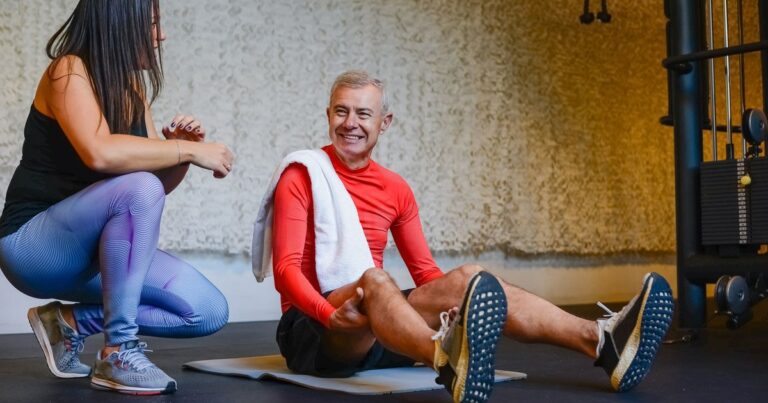
Rehabilitation typically starts in the hospital, often within a day or two of the stroke, specifically to ease the transition home and to help prevent a second stroke. Recovery time varies enormously — weeks for some people, months or years for others, with some people recovering fully and others living with long-term effects. A realistic care plan accounts for that uncertainty rather than assuming a fixed timeline.
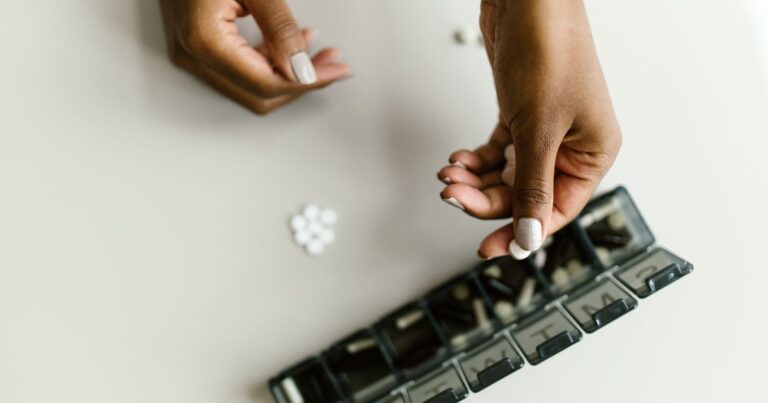
Preventing a second stroke is typically part of the plan alongside rehabilitation — medication taken exactly as directed, lifestyle changes, and follow-up care to manage the underlying risk factors (blood pressure, in particular) that caused the first one.
What to watch for during home recovery
- Any new BE FAST symptoms — treated with the same urgency as the first stroke, not assumed to be a symptom of the original stroke “acting up.”
- Missed medications, particularly blood pressure or blood-thinning medications central to preventing a second event.
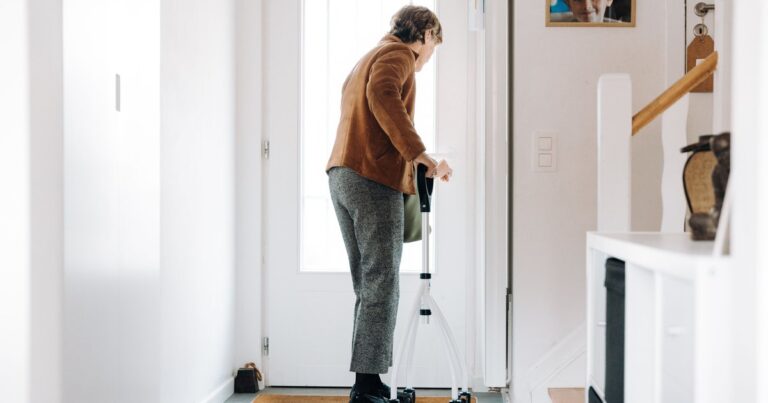
- Falls, since weakness or balance issues from the stroke raise fall risk during the recovery period.
- Mood changes — depression after stroke is common and treatable, not something to dismiss as an expected part of recovery.
Where home care and therapy fit
Consistent medication management, mobility support during the highest-risk recovery weeks, and a trained eye that recognizes new symptoms immediately rather than after the fact are exactly what in-home nursing and aide support add during stroke recovery. Physical, occupational, and speech therapy — often covered by Medicare for a qualifying period after a stroke — work alongside day-to-day home care rather than replacing it.
Our skilled nursing and aide teams support stroke recovery across Brooklyn and Queens, including medication management and mobility assistance during the highest-risk weeks after discharge. Call (718) 232-2777 or use our contact page to talk through what a recovery plan should include.
Frequently asked questions
What does BE FAST stand for?
Balance, Eyes, Face, Arms, Speech, Time — the checklist for recognizing stroke symptoms and calling 911 immediately.
How quickly does a stroke need to be treated?
The most effective stroke treatments are only available if the stroke is recognized and diagnosed within 3 hours of the first symptoms, which is why immediate action matters.
What is a TIA or “mini-stroke”?
A transient ischemic attack, where stroke symptoms appear and then resolve within minutes. It’s a serious warning sign of underlying risk and should be reported to a healthcare provider right away, even though the symptoms went away on their own.
Can a second stroke happen during recovery?
Yes — recovery from a first stroke doesn’t eliminate the risk of another one, which is why new BE FAST symptoms during recovery need the same immediate 911 response as the first stroke.
How long does stroke recovery take?
It varies enormously by person — weeks for some, months or years for others. Some people recover fully; others live with long-term effects.
This is general information, not medical advice. Any suspected stroke symptoms require an immediate call to 911. Sources checked 27 September 2026: CDC.