Surgical Success: Essential Post-Op Nursing Protocols in New York City
Heading home from the hospital? Ensure your NYC Post-Surgery Recovery is a success with these insider tips from a senior RN. Don’t leave your healing to chance!
Anna Klyauzova, MSN, RNDirector of Patient Services · ProLife Home Care
✓ Medically reviewed
Updated 7 min read
Short answer
Heading home from the hospital? Ensure your NYC Post-Surgery Recovery is a success with these insider tips from a senior RN. Don’t leave your healing to chance!
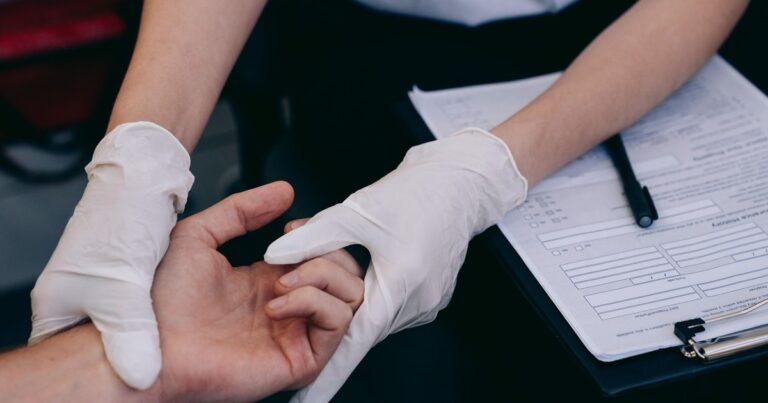
As a senior registered nurse navigating the complex medical landscape of New York City, I have seen how the transition from a hospital setting to a private residence determines the ultimate success of a surgical procedure. In the high-stakes environment of NYC healthcare, patients often leave world-class facilities like NYU Langone or Mount Sinai only to face the challenges of recovery in a busy urban home. Effective surgical protocols are not merely suggestions; they are clinical mandates that ensure the physical and emotional safety of a patient during the most vulnerable stage of their journey. Establishing a robust plan for post-operative care NYC at home is the most effective way to translate a surgeon’s technical success into a patient’s long-term wellness.
Surgical success depends on strict adherence to clinical protocols including infection control, medication management, and early mobilization. Utilizing professional Skilled Nursing NYC services ensures that these protocols are executed with precision, reducing the risk of complications and readmissions in the urban home setting.
Service
What It Includes
Why It Matters
Wound Management
Professional dressing changes and site assessment
Prevents infection and promotes faster healing.
Medication Reconciliation
Cross-checking all old and new prescriptions
Eliminates errors and prevents dangerous drug interactions.
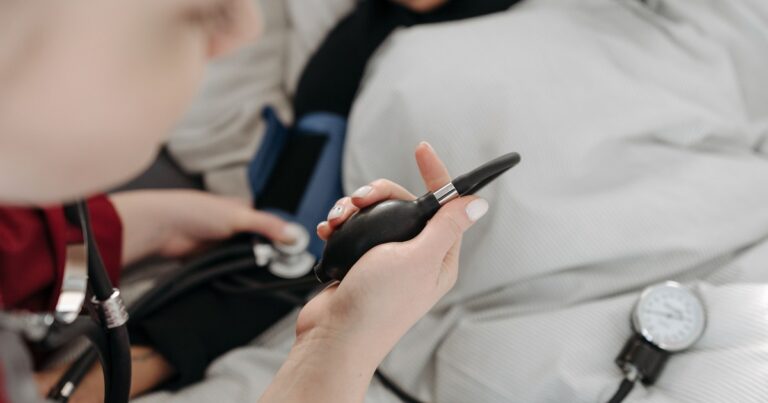
Vital Sign Monitoring
Regular tracking of BP, pulse, and oxygen
Detects systemic complications before they become emergencies.
Frequently asked questions
How do protocols improve surgical success in NYC?
Protocols provide a standardized roadmap that ensures every clinical need is met, reducing the variance in care quality that can occur in busy urban environments.
What should I look for in skilled nursing after surgery?
Look for experienced RNs who have specific experience with your type of surgery and who understand the logistical challenges of providing care in New York City.
Why is home care different from hospital care in New York?
Home care allows for a more personalized, less stressful environment, but it requires a higher level of vigilance from the nursing team to maintain a safe, clinical standard.
What are the common risks of poor post-op protocol adherence?
The most common risks include surgical site infections, medication errors, falls, and the development of blood clots due to poor mobility management.
How long is skilled nursing usually required?
The duration depends on the complexity of the surgery, but most patients benefit from intensive nursing for at least the first 7 to 14 days following discharge.
Contact ProLife Home Care NYC for a free clinical assessment: (718) 232 ‒ 2777.
Contact ProLife Home Care NYC for a free clinical assessment:(718) 232 – 2777
Questions answered in this article
How do protocols improve surgical success in NYC?
Protocols provide a standardized roadmap that ensures every clinical need is met, reducing the variance in care quality that can occur in busy urban environments.
What should I look for in skilled nursing after surgery?
Look for experienced RNs who have specific experience with your type of surgery and who understand the logistical challenges of providing care in New York City.
Why is home care different from hospital care in New York?
Home care allows for a more personalized, less stressful environment, but it requires a higher level of vigilance from the nursing team to maintain a safe, clinical standard.
The duration depends on the complexity of the surgery, but most patients benefit from intensive nursing for at least the first 7 to 14 days following discharge. Contact ProLife Home Care NYC for a free clinical assessment: (718) 232 ‒ 2777. Contact ProLife Home Care…
14 years in clinical nursing9 years in home careMS, Nursing AdministrationMPA
She has nursed since 2011, at Jacobi Medical Center and then at Mount Sinai, where she ran an operating room team before co-founding ProLife Home Care in 2017. Her profile is public on LinkedIn, and the agency licence is public on NYS Health Profiles.
✓ Got it. Your request is with a coordinator, and we will call you back.
When do you need to start?
Your information is private and secure.
Cookies are small files your browser keeps. Some run the site, the rest just show us which pages people find useful. We don’t sell any of it.The details.
You can change this any time.
Your choice
Either way is fine. Nothing here affects your care, your application, or what you pay.
Changed your mind later? The Cookies link at the bottom of any page brings this back. Full details in our Privacy Policy.