Washington Heights Recovery: Specialized Support for NYP Columbia Patients
Transitioning from NYP Columbia? Ensure a smooth recovery in Washington Heights with expert guidance on local care, medical oversight, and community support.
Anna Klyauzova, MSN, RNDirector of Patient Services · ProLife Home Care
✓ Medically reviewed
Updated 9 min read
Short answer
Transitioning from NYP Columbia? Ensure a smooth recovery in Washington Heights with expert guidance on local care, medical oversight, and community support.
As a senior Registered Nurse with years of experience navigating the complex corridors of New York’s healthcare system, I have seen firsthand how critical the transition period is for patients leaving NYP Columbia University Medical Center care. Washington Heights serves as a vital hub for recovery, offering a unique blend of high-end medical oversight and community-based support. Ensuring that a patient moves seamlessly from an acute care setting to a specialized recovery environment is the most important factor in preventing readmission. My goal is to help families understand that the recovery journey in Northern Manhattan requires a strategic approach to medical and social resources.
Washington Heights Recovery for NYP Columbia patients involves a coordinated transition to specialized post-acute settings, including Skilled Nursing NYC facilities or intensive home-based care. This support ensures that the high-level interventions started at the hospital are maintained through professional monitoring, wound management, and physical therapy. By utilizing local expertise, patients receive a continuum of care that bridges the gap between surgery and full independence.
Service
What It Includes
Why It Matters
Clinical Assessment
Full physical exam and vitals check
Detects early complications before they become emergencies.
Medication Management
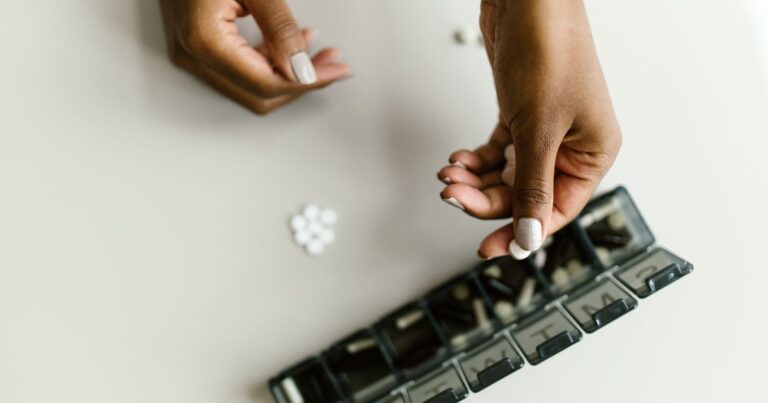
Reviewing and organizing all prescriptions
Prevents dangerous drug interactions and dosage errors.
Wound Care
Changing dressings and monitoring incisions
Essential for preventing sepsis and ensuring proper healing;
Physical Therapy
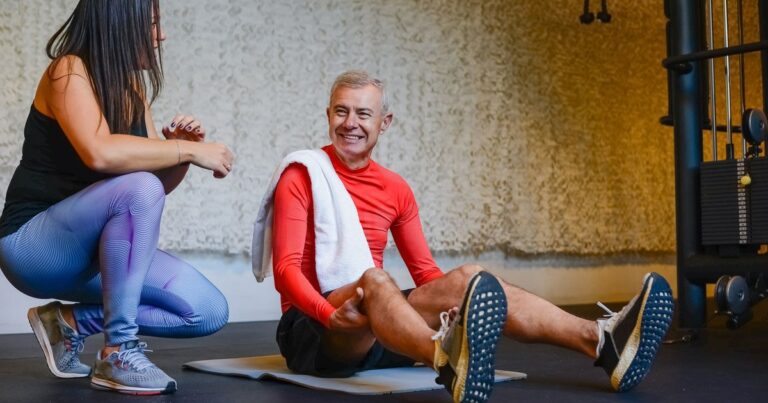
Exercises tailored to the home environment
Restores mobility and prevents falls in urban settings.
Patient Education
Teaching the family how to provide care
Empowers the support system and reduces patient anxiety.
Frequently asked questions
What is the main benefit of seeking Washington Heights Recovery support?
It ensures that the high-level medical protocols from NYP Columbia are maintained locally, reducing the risk of readmission and providing convenient access to follow-up care.
How does Skilled Nursing NYC differ from standard home care?
Skilled nursing involves clinical interventions by licensed professionals, such as wound care and IV therapy, whereas standard care may only cover daily living activities.
What should I prioritize during the first 24 hours of Washington Heights Recovery?
Focus on medication reconciliation and a professional clinical assessment to ensure the discharge plan is being implemented correctly and safely.
Are there specific risks for NYP Columbia patients recovering in older NYC buildings?
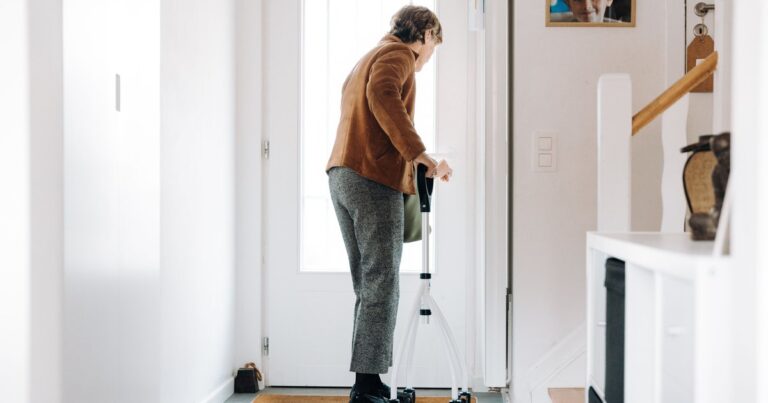
Yes, mobility issues are common in walk-up apartments; specialized support helps adapt the recovery plan to these specific physical constraints.
Can Washington Heights Recovery support help with specialized cardiac or neuro care?
Absolutely; providers familiar with NYP Columbia protocols are trained to monitor for specific signs of complications related to advanced surgeries like TAVR or craniotomies.
Contact ProLife Home Care NYC for a free clinical assessment:(718) 232 – 2777
Questions answered in this article
What is the main benefit of seeking Washington Heights Recovery support?
It ensures that the high-level medical protocols from NYP Columbia are maintained locally, reducing the risk of readmission and providing convenient access to follow-up care.
How does Skilled Nursing NYC differ from standard home care?
Skilled nursing involves clinical interventions by licensed professionals, such as wound care and IV therapy, whereas standard care may only cover daily living activities.
Can Washington Heights Recovery support help with specialized cardiac or neuro care?
Absolutely; providers familiar with NYP Columbia protocols are trained to monitor for specific signs of complications related to advanced surgeries like TAVR or craniotomies. Contact ProLife Home Care NYC for a free clinical assessment:(718) 232 – 2777
14 years in clinical nursing9 years in home careMS, Nursing AdministrationMPA
She has nursed since 2011, at Jacobi Medical Center and then at Mount Sinai, where she ran an operating room team before co-founding ProLife Home Care in 2017. Her profile is public on LinkedIn, and the agency licence is public on NYS Health Profiles.
✓ Got it. Your request is with a coordinator, and we will call you back.
When do you need to start?
Your information is private and secure.
Cookies are small files your browser keeps. Some run the site, the rest just show us which pages people find useful. We don’t sell any of it.The details.
You can change this any time.
Your choice
Either way is fine. Nothing here affects your care, your application, or what you pay.
Changed your mind later? The Cookies link at the bottom of any page brings this back. Full details in our Privacy Policy.