What Is Dopamine and How Does It Affect Our Brain? (A Simple Guide + Real-Life Examples)
Dopamine is a special chemical in your brain. It’s called a neurotransmitter, which means it helps brain cells talk to each other. Think of dopamine as a messenger that carries signals about pleasure, motivation, and…
Anna Klyauzova, MSN, RNDirector of Patient Services · ProLife Home Care
✓ Medically reviewed
Updated 4 min read
Short answer
Dopamine is a special chemical in your brain. It’s called a neurotransmitter, which means it helps brain cells talk to each other. Think of dopamine as a messenger that carries signals about pleasure, motivation, and reward. When you do something enjoyable—like eat chocolate or hear a compliment—dopamine gets released, and you feel good. But dopamine isn’t just about…
Dopamine is a special chemical in your brain. It’s called a neurotransmitter, which means it helps brain cells talk to each other. Think of dopamine as a messenger that carries signals about pleasure, motivation, and reward. When you do something enjoyable—like eat chocolate or hear a compliment—dopamine gets released, and you feel good.
But dopamine isn’t just about fun. It helps you focus, learn, and even move. Too little or too much of it can affect your mood, habits, and health.
How Dopamine Functions in the Human Brain
Dopamine’s Role in the Reward System
Dopamine is a big part of your brain’s reward system. This system encourages you to do things that help you survive—like eating, socializing, or reaching goals. When you do something good, your brain rewards you with a shot of dopamine. This “hit” feels like pleasure or satisfaction.
How Dopamine Shapes Habits
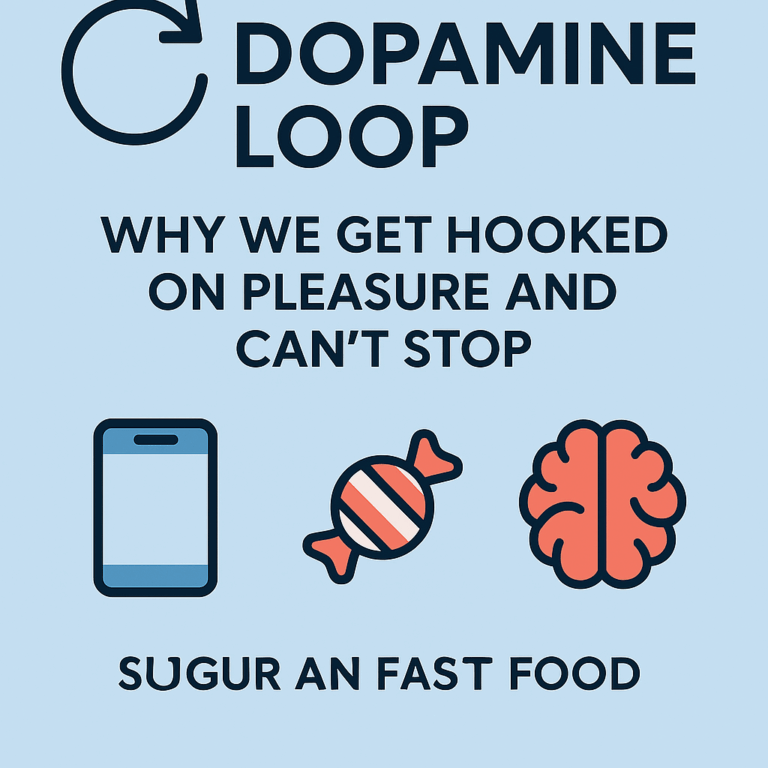
Every time you feel rewarded, your brain remembers it. Over time, this creates habits. For example, if scrolling social media gives you a dopamine hit, you’ll want to do it again and again. That’s how habits form—even the ones we don’t like.
Differences Between Dopamine and Serotonin
People often mix up dopamine with another brain chemical: serotonin. While dopamine is about reward and action, serotonin helps you feel calm and happy. They work together, but in different ways. Dopamine gets you excited to do things; serotonin helps you feel good afterward.
Everyday Examples of Dopamine Reactions
Why Do We Enjoy Receiving Likes or Eating Sweets?
When you get a “like” on social media or eat a donut, dopamine fires up. Your brain says, “That was great—do it again!” These small bursts of pleasure keep us coming back for more.
Dopamine and Procrastination: How the Brain “Tricks” Us
Sometimes, dopamine can get in the way. If your brain gets more dopamine from watching Netflix than doing homework, you might procrastinate. The brain chooses the “easy win” instead of the hard task.
Myths and Facts About Dopamine: Debunking Misconceptions
Does Dopamine Cause Addiction?
Dopamine doesn’t cause addiction, but it’s involved in the process. Addiction happens when we chase dopamine again and again—like with drugs or gambling. Over time, the brain wants more to feel the same reward.
Is It True That One Can “Burn Out” Dopamine?
Some people think you can “burn out” your dopamine. That’s not exactly true. But if you overload your brain with fast rewards (like binge-watching or junk food), dopamine may become less effective. This can make everyday things feel less enjoyable.
Maintaining Healthy Dopamine Levels
Beneficial Habits to Boost Dopamine
Want to keep dopamine levels balanced? Try:
How Stress and Sleep Deprivation Affect This Neurotransmitter
Chronic stress and lack of sleep lower dopamine levels. This can make you feel tired, unmotivated, or even depressed. Taking care of your body helps your brain, too.
Expert Insights: Anna Klyauzova on Dopamine’s Benefits for the Elderly
According to Anna Klyauzova RN, a registered nurse specializing in senior care:
“Dopamine plays a key role in the mental health of older adults. As people age, they can experience drops in dopamine, which may lead to low energy or lack of interest. Encouraging physical activity, hobbies, and social interaction can naturally boost dopamine and help seniors stay mentally engaged.”
She also emphasizes regular sleep and nutrient-rich meals, especially foods high in tyrosine (a dopamine-boosting amino acid) like chicken and avocados.
Conclusion: The Importance of Understanding Dopamine’s Role
Dopamine isn’t just about pleasure—it’s about motivation, movement, and mental clarity. Understanding how this powerful brain chemical works can help you build better habits and improve emotional well-being. And whether you’re a student, a parent, or a senior, managing dopamine levels can lead to a more focused and fulfilling life.
Frequently Asked Questions About Dopamine
What Is Dopamine in Simple Terms?
It’s a brain chemical that helps you feel motivated, focused, and rewarded.
How Can I Tell If I Have a Dopamine Deficiency?
Common signs are fatigue, low motivation, mood swings, or trouble focusing.
How Does Dopamine Differ from Serotonin?
Dopamine is about drive and action. Serotonin is about calm and mood balance.
Can Dopamine Levels Be Increased Without Medication?
Yes! Exercise, healthy food, sleep, and social activities can all help.
Is Dopamine Harmful?
No, but chasing constant dopamine hits—like from social media or junk food—can be harmful over time.
How Can One Train the Brain for “Healthy” Dopamine Release?
Try delayed gratification, mindfulness, and setting meaningful goals.
Questions answered in this article
Why Do We Enjoy Receiving Likes or Eating Sweets?
When you get a “like” on social media or eat a donut, dopamine fires up. Your brain says, “That was great—do it again!” These small bursts of pleasure keep us coming back for more.
Dopamine doesn’t cause addiction, but it’s involved in the process. Addiction happens when we chase dopamine again and again—like with drugs or gambling. Over time, the brain wants more to feel the same reward.
Some people think you can “burn out” your dopamine. That’s not exactly true. But if you overload your brain with fast rewards (like binge-watching or junk food), dopamine may become less effective. This can make everyday things feel less enjoyable.
14 years in clinical nursing9 years in home careMS, Nursing AdministrationMPA
She has nursed since 2011, at Jacobi Medical Center and then at Mount Sinai, where she ran an operating room team before co-founding ProLife Home Care in 2017. Her profile is public on LinkedIn, and the agency licence is public on NYS Health Profiles.
✓ Got it. Your request is with a coordinator, and we will call you back.
When do you need to start?
Your information is private and secure.
Cookies are small files your browser keeps. Some run the site, the rest just show us which pages people find useful. We don’t sell any of it.The details.
You can change this any time.
Your choice
Either way is fine. Nothing here affects your care, your application, or what you pay.
Changed your mind later? The Cookies link at the bottom of any page brings this back. Full details in our Privacy Policy.