As a nurse working in New York City, I know it is hard to keep track of blood pressure or sugar levels between doctor visits. Remote health monitoring helps me see how you are doing while you stay comfortable in your own apartment. It gives us a way to catch small health changes before they become big emergencies.
Quick Answer
Remote health monitoring uses simple devices to send vital signs like heart rate and weight directly to your nurse or doctor from your NYC home. It allows medical teams to track your health daily without you needing to travel to a clinic. This technology helps prevent hospital readmissions by spotting issues early. Call 911 immediately if you have chest pain, trouble breathing, or sudden confusion.
Specialist in NYC Senior Medicaid Financial Compliance and Care Coordination.
Clinical Insight from an NYC Registered Nurse: In my experience visiting patients from Queens to Manhattan, travel can be exhausting for seniors, especially with subway stairs or traffic. Remote monitoring acts like a bridge, connecting your living room to my nursing station so I can adjust your care plan instantly. This helps us manage chronic conditions like heart failure or diabetes without the stress of constant clinic appointments.
Key Takeaways
- Remote monitoring lets nurses track your health without a home visit.
- Always seek emergency help for severe symptoms like chest pain.
- It saves travel time to doctors in busy New York City traffic.
Voice Ready Phrases
- My blood pressure monitor is not sending data to the nurse.
- Can my mother use remote monitoring to track her weight at home?
- Remote health monitoring helps my doctor see my daily vital signs.
What Is Remote Health Monitoring?
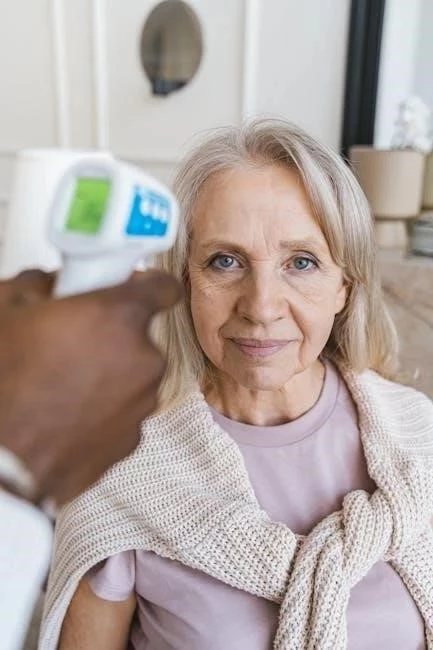
Remote patient monitoring involves using digital medical devices in your home that automatically send information to your healthcare team. It is designed to be very simple for seniors to use without needing advanced computer skills.
- Use a blood pressure cuff that sends numbers to your nurse automatically
- Keep the device on a stable table in your apartment
- Press one button to take a reading each morning
This technology is meant to give you peace of mind knowing a professional is reviewing your health data regularly.
Why It Matters for NYC Seniors
Getting to a doctors office in New York City can be difficult due to weather, stairs, and transportation issues. Remote monitoring allows you to stay safe at home while still getting clinical attention.
- Avoid navigating icy sidewalks or hot subway platforms
- Reduce the risk of catching flu or viruses in waiting rooms
- Allow family caregivers to check your status from work
It helps you stay independent in your own home for longer by managing health proactively.
Helpful Visuals
Common Devices and What They Track
Your doctor or home care nurse will provide specific equipment based on your health needs. These devices are usually pre-set so you do not have to program them yourself.
- Digital scales to monitor sudden weight gain from fluid retention
- Glucometers to track blood sugar levels for diabetes management
- Pulse oximeters to measure oxygen levels in your blood
Each device serves a specific purpose in keeping your chronic conditions under control.
Daily Routine and Best Practices
To get the best results, you should build monitoring into your morning routine. Consistency helps the nurse see true trends in your health.
- Measure at the same time every day, usually before breakfast
- Sit quietly for five minutes before taking blood pressure
- Write down your numbers in a notebook as a backup record
If you forget a reading, take it as soon as you remember, but do not double up.
Red Flags and When to Call 911
Technology is a great tool, but it does not replace emergency care. You must trust your body more than the machine. If you feel terrible, do not wait for the nurse to call you.
- Call 911 for chest pain, difficulty speaking, or face drooping
- Go to urgent care for high fevers or deep cuts
- Contact your nurse if you notice slow changes like swelling legs
Never rely on the device to alert a doctor during a life-threatening emergency.
| Situation | Recommended Action |
|---|---|
| Blood pressure reading is slightly higher than normal | Rest for 15 minutes and try again. |
| Device shows an error message | Check batteries and adjust the cuff fit. |
| You feel dizzy or short of breath | Call your doctor or 911 immediately. |
| You gained more than 3 pounds in one day | Alert your nurse or doctor right away. |
| Internet connection is lost | Write down the number and call the office. |
Caregiver Role and Support
Family members play a big role in making sure remote monitoring works well. In NYC, where families often live in different boroughs, this data helps keep everyone on the same page. Common Health Issues
- Remind your loved one to use the device daily
- Ensure the device is charged or has fresh batteries
- Answer the phone when the nurse calls to discuss a reading
Good communication between the family and the nurse prevents small issues from becoming hospital visits.
Common Mistakes to Avoid
Small errors in how you use the equipment can lead to false alarms. It is important to follow the instructions your nurse gives you.
- Do not place scales on carpet or rugs
- Do not talk or cross your legs while taking blood pressure
- Do not share your device with other family members
Keeping the data accurate ensures your doctor makes the right decisions about your medication.
When Does This Apply?
- If mild symptoms happen, then do a simple safe step and monitor.
- If symptoms worsen, contact a medical professional.
- If sudden severe symptoms occur, seek emergency care.
- If uncertainty exists, request a clinical evaluation.
For official guidance see
New York State Department of Health
or
Medicare.gov.
Frequently Asked Questions
Is remote monitoring covered by insurance?
Yes, Medicare and many Medicaid plans in New York cover remote patient monitoring for qualified chronic conditions. You should check with your specific plan provider to confirm your benefits.
Do I need WiFi for these devices?
Many remote monitoring devices use cellular data similar to a mobile phone, so you do not always need home WiFi. Ask your provider if the equipment works without an internet connection.
What if I forget to take a reading?
If you miss a scheduled reading, take it as soon as you remember that same day. If it is already the next day, just resume your normal schedule and tell your nurse.
Can I use this instead of going to the doctor in NYC?
No, this does not replace all in-person doctor visits. It helps reduce the number of routine check-ups but you still need physical exams periodically.
What happens if my numbers are too high?
The system will alert your nursing team, who will then call you to ask how you are feeling. They might adjust your medication or ask you to come into the office.
How do I get equipment in my apartment?
Your doctor or a home health agency will usually arrange for the devices to be shipped directly to your NYC apartment. They will often send a specialist to help you set it up.
Contact ProLife Home Care NYC for a free clinical assessment:(718) 232 – 2777
Contact ProLife Home Care NYC for a free clinical assessment: (718) 232-2777