As a Registered Nurse with years of experience navigating the New York healthcare landscape, I have seen firsthand how the right support can transform a family’s quality of life․ When you begin searching for senior care Kew Gardens Queens families often feel a mixture of guilt and anxiety, wondering if they are making the right choice for their aging parents․ Our mission is to alleviate that burden by ensuring your loved one receives professional, clinical-grade care within the comfort of their familiar surroundings near Forest Park․ We focus on creating a bridge between medical necessity and the emotional warmth that only a dedicated home aide can provide․
Clinical Quick Answer
Securing high-quality senior care Kew Gardens Queens involves a multi-step clinical process that begins with a professional Nursing Assessment NYC to identify specific health and safety needs․ These services range from Personal Care Aides (PCAs) who assist with daily living tasks to Home Health Aides (HHAs) who provide more specialized medical support under RN supervision․ By utilizing New York State-licensed agencies and thorough clinical evaluations, families can ensure their loved ones receive safe, compliant, and personalized care that promotes aging in place․
Understanding the Landscape of Senior Care Kew Gardens Queens
Kew Gardens is a unique neighborhood characterized by its historic apartment buildings and quiet, leafy streets, making it a preferred location for seniors who wish to age in place․ However, the architecture of many older buildings in this part of Queens can present mobility challenges for those with declining physical strength․ When seeking senior care Kew Gardens Queens residents must consider the geographical and structural environment of the home to ensure an aide can provide safe assistance․
- Local Expertise: Choosing an agency that understands the Kew Gardens area ensures that aides are familiar with local pharmacies, grocery stores, and medical centers like Jamaica Hospital or Long Island Jewish Forest Hills․
- Community Integration: Effective home care involves more than just indoor chores; it includes helping seniors safely navigate the hilly terrain of the neighborhood or enjoy supervised walks in Forest Park․
- Linguistic and Cultural Matching: Queens is the most diverse borough in the world, and finding an aide who speaks the primary language of the senior is vital for mental health and clear communication of medical symptoms․
- Proximity to Transit: Reliable senior care Kew Gardens Queens depends on the aide's ability to arrive on time; proximity to the E/F subway lines and the LIRR Kew Gardens station is a logistical factor we always consider when staffing․
The Critical Role of a Nursing Assessment NYC
Before any caregiver enters the home, a formal Nursing Assessment NYC must be conducted to establish a baseline of health․ This is not merely a formality; it is a rigorous clinical evaluation required by the New York State Department of Health to ensure the safety of the patient․ This assessment serves as the blueprint for all future care, identifying risks that a family member might overlook․
- Functional Capacity Evaluation: The nurse evaluates the senior's ability to perform Activities of Daily Living (ADLs), such as transferring from a bed to a chair, toileting, and feeding․
- Medication Reconciliation: A key component of the Nursing Assessment NYC is reviewing all prescriptions and over-the-counter medications to prevent dangerous drug interactions or dosage errors․
- Cognitive Screening: Assessing for signs of dementia or Alzheimer's allows the nurse to determine if the senior requires specialized memory care or 24/7 supervision to prevent wandering․
- Home Safety Audit: The nurse identifies hazards such as loose rugs, inadequate lighting in hallways, or the lack of grab bars in the bathroom, which are primary causes of falls among the elderly in Queens․
- Vital Signs and Physical Health: Recording baseline blood pressure, heart rate, and respiratory health helps in monitoring chronic conditions like COPD or congestive heart failure․
Types of In-Home Care Available in Kew Gardens
Navigating the different levels of home care can be confusing for families․ The specific level of support required is typically dictated by the results of the initial nursing assessment and the patient’s insurance coverage․ In Kew Gardens, we see a wide range of needs, from basic companionship to high-acuity medical care․
- Personal Care Aides (PCA): These professionals focus on non-medical support, including meal preparation, light housekeeping, and assistance with grooming․ They are essential for seniors who are physically frail but medically stable․
- Home Health Aides (HHA): HHAs receive more extensive training than PCAs and can assist with health-related tasks like performing simple dressing changes or assisting with range-of-motion exercises․
- CDPAP Services: The Consumer Directed Personal Assistance Program allows the senior to choose their own caregiver, including family members, while the clinical oversight is still managed through the NY state framework․
- Skilled Nursing Care: For those with complex wounds, IV therapy, or ventilators, a Registered Nurse (RN) or Licensed Practical Nurse (LPN) may be required to visit the home regularly․
Safety and Medical Monitoring in the Home Environment
Clinical oversight is the backbone of successful home care․ Aides are the eyes and ears of the healthcare team, but they must operate under a structured plan․ Following a Nursing Assessment NYC, a specific Plan of Care is developed to address the unique vulnerabilities of the senior, focusing on preventing hospital readmissions․
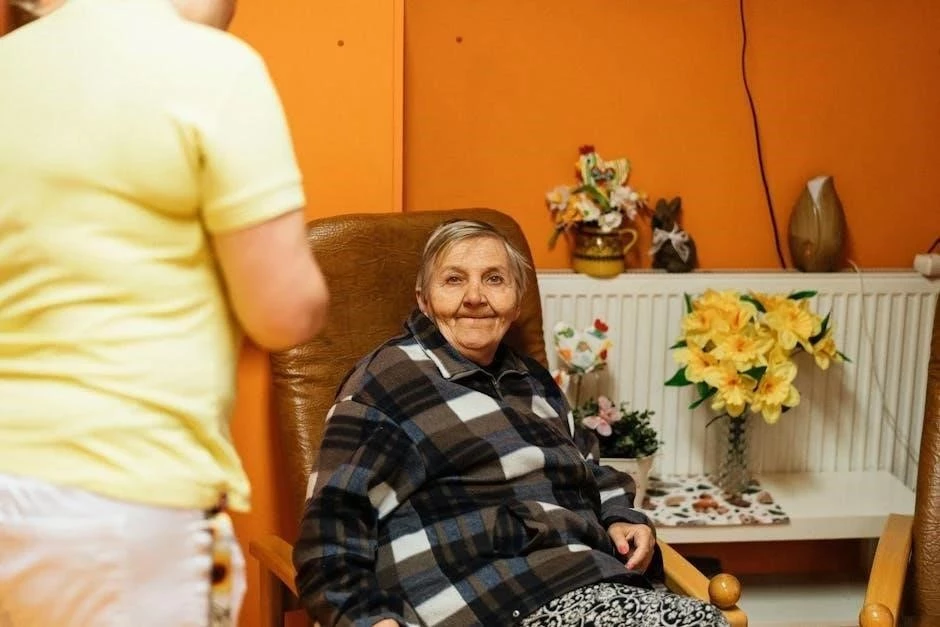
- Fall Prevention Protocols: Since falls are the leading cause of injury for seniors in Queens, aides are trained in specific transfer techniques and the use of assistive devices like walkers and canes․
- Nutritional Monitoring: Many seniors in Kew Gardens suffer from malnutrition or dehydration; caregivers ensure that dietary restrictions (like low-sodium or diabetic diets) are strictly followed․
- Skin Integrity Checks: For patients with limited mobility, regular repositioning is necessary to prevent pressure ulcers (bedsores), which can lead to severe infections if left untreated;
- Emergency Response Training: Every caregiver is briefed on the specific emergency protocols for the household, including the location of the nearest hospitals and the contact information for the supervising nurse․
Navigating Insurance, Medicaid, and State Regulations
The financial aspect of senior care Kew Gardens Queens can be daunting․ New York has some of the most robust home care programs in the country, but the bureaucracy is complex․ Understanding how to leverage state resources is essential for long-term sustainability․ For more detailed information on state-wide regulations, you can visit the NY State DOH website․
- Medicaid Managed Long-Term Care (MLTC): Most Medicaid recipients in NYC must enroll in an MLTC plan to receive home care services, which requires an independent assessment by the state․
- Private Pay Options: Families who do not qualify for Medicaid can opt for private pay services, which often allow for more immediate start dates and greater flexibility in aide selection․
- Long-Term Care Insurance: If the senior has a private long-term care policy, the Nursing Assessment NYC is usually the primary document used to trigger the start of benefits․
- Medicare Limitations: It is a common misconception that Medicare pays for long-term 24/7 home care; Medicare generally only covers short-term, intermittent skilled nursing or therapy after a hospital stay․
Choosing the Right Caregiver for Your Family’s Needs
The relationship between a senior and their caregiver is deeply personal․ Beyond the clinical requirements established during the nursing evaluation, the “human factor” is what makes a care arrangement successful․ In a close-knit community like Kew Gardens, the caregiver often becomes an extension of the family․
- Vetting and Background Checks: Ensure that the agency performs rigorous criminal background checks and verifies the certification status of every HHA and PCA․
- Compatibility Interviews: We encourage families to meet with potential aides to ensure their personalities mesh well with the senior's temperament and daily routines․
- Ongoing Supervision: A good agency doesn’t just “place and forget․” There should be regular supervisory visits by an RN to update the Nursing Assessment NYC and ensure the aide is following the Plan of Care․
- Specialized Training: If your loved one has Parkinson’s or Alzheimer’s, look for caregivers who have received additional training in these specific areas of geriatric care․
Nurse Insight: In my experience, the families in Kew Gardens who have the most success with home care are those who view the Nursing Assessment NYC as a living document․ Don’t wait for a crisis to update the plan; if you notice your father is a little more unsteady on his feet or your mother is becoming more forgetful with her meds, call for a reassessment immediately․ Proactive clinical adjustments are the best way to prevent a trip to the emergency room․
Frequently Asked Questions
What exactly is included in a Nursing Assessment NYC for home care?
A Nursing Assessment NYC is a comprehensive clinical evaluation conducted by a Registered Nurse to determine a patient’s physical, mental, and environmental needs․ It includes a review of medical history, medication reconciliation, assessment of Activities of Daily Living (ADLs) such as bathing and walking, and an evaluation of the home environment for safety risks․ This assessment is required by New York State to establish a formal Plan of Care and to authorize services through insurance or Medicaid․
How do I find reliable senior care Kew Gardens Queens services?
Finding reliable care in Kew Gardens involves researching Licensed Home Care Services Agencies (LHCSAs) that are vetted by the NY State Department of Health․ You should look for agencies that specialize in the Queens area to ensure their aides are familiar with the neighborhood and have reliable transportation․ It is also essential to verify that the agency provides a clinical Nursing Assessment NYC to tailor the care specifically to your loved one's medical requirements․
Can Medicaid cover the cost of a home aide in Kew Gardens?
Yes, Medicaid in New York offers several programs to cover home care, including Managed Long-Term Care (MLTC) and the Consumer Directed Personal Assistance Program (CDPAP)․ To qualify, the senior must meet financial eligibility requirements and undergo a clinical Nursing Assessment NYC (often via the New York Independent Assessor) to prove the medical necessity of the services․
What is the difference between a PCA and an HHA in the context of Queens home care?
A Personal Care Aide (PCA) primarily assists with non-medical tasks like dressing, grooming, and light housekeeping․ A Home Health Aide (HHA) has more advanced training and can perform certain health-related tasks, such as taking vital signs or assisting with exercises, under the supervision of a nurse․ Both play a critical role in senior care Kew Gardens Queens, and the level of care needed is determined during the initial nursing assessment․
How often should a nursing reassessment be performed?
In New York State, home care patients typically receive a nursing reassessment every six months․ However, a reassessment should be requested immediately if there is a significant change in the patient's condition, such as a hospital discharge, a fall, or a new diagnosis, to ensure the Plan of Care remains accurate and safe․
Contact ProLife Home Care NYC for a free clinical assessment:(718) 232 – 2777
Contact ProLife Home Care NYC for a free clinical assessment: (718) 232-2777