As a veteran NYC nurse, I have walked through countless homes in Dyker Heights, seeing firsthand the deep-rooted family bonds that define this beautiful neighborhood. Deciding on the best path for an aging parent is a journey filled with love, but it also brings significant clinical and emotional challenges. My goal is to help your family navigate the complexities of senior care Dyker Heights residents face, ensuring your loved ones remain safe and cherished in the community they helped build. We understand that in Brooklyn, ‘family’ is not just a word-it is the foundation of every care plan we develop.
Clinical Quick Answer
Effective senior care in Dyker Heights combines rigorous clinical oversight with comprehensive Home Safety strategies tailored to the unique architecture of South Brooklyn homes. By integrating family-oriented support with professional nursing, families can significantly reduce the risk of falls and emergency room visits. This holistic approach ensures that seniors maintain independence while receiving the medical monitoring necessary for chronic condition management.
Understanding the Cultural Importance of Senior Care in Dyker Heights
Dyker Heights is a neighborhood built on tradition, and for many families, the idea of a nursing home is a last resort. Senior care Dyker Heights services are specifically designed to honor these traditions by facilitating aging in place. This involves more than just medical tasks; it involves understanding the social fabric of the area. Many homes here have been in families for generations, and the psychological benefit of staying in a familiar environment cannot be overstated for patients with cognitive decline or dementia.
- Maintaining social connections with neighbors and local parish communities.
- Providing care that respects the multi-generational household dynamic often found in Brooklyn.
- Tailoring nutrition plans to include culturally familiar foods that meet clinical dietary requirements.
- Ensuring that caregivers speak the primary language of the senior to prevent isolation and depression.
Comprehensive Home Safety Strategies for Brooklyn Residences
The classic architecture of Dyker Heights, featuring beautiful but often narrow staircases and tiled floors, presents specific challenges for Home Safety. Fall prevention is our primary clinical objective. A single fall can lead to hip fractures or head trauma, which are leading causes of functional decline in the elderly. A clinical safety audit goes beyond just looking for hazards; it evaluates the senior’s gait and balance in relation to their physical environment.
- Installing high-visibility LED lighting in stairwells and transitional spaces to assist those with macular degeneration.
- Securing or removing area rugs and ensuring all flooring is non-slip to prevent balance-related accidents.
- Adding dual-handrails on staircases and grab bars in bathrooms, specifically positioned for the user’s height.
- Implementing smart-home technology, such as fall-detection sensors and automated medication dispensers, to provide 24/7 peace of mind.
Clinical Management of Chronic Conditions at Home
Home-based senior care allows for the professional management of chronic illnesses such as congestive heart failure (CHF), diabetes, and hypertension. In Dyker Heights, our nursing professionals work to bridge the gap between the doctor’s office and daily life. Constant monitoring of vital signs and medication adherence is crucial for preventing the ‘revolving door’ of hospital readmissions. By managing these conditions in a stable home environment, we can often maintain a higher quality of life for longer periods.
- Daily monitoring of blood pressure, blood glucose levels, and oxygen saturation.
- Wound care management for post-surgical patients or those with limited mobility.
- Medication reconciliation to prevent dangerous drug interactions and polypharmacy issues.
- Coordination with specialists at Maimonides or NYU Langone to ensure the care plan is current.
The Role of Family in the Clinical Care Plan
In our family-oriented model, the family is considered a partner in care, not just a bystander. Education is a major component of what we do; We teach family members how to recognize the early signs of infection, dehydration, or delirium. This proactive approach allows for early intervention, often resolving issues before they become emergencies. In Dyker Heights, where families are often deeply involved, this collaborative spirit improves the senior’s psychological well-being and overall health outcomes.
- Regular family care conferences to discuss changes in the patient’s health status and goals.
- Training for family caregivers on safe transfer techniques to prevent injury to both the senior and the caregiver.
- Respite care services to prevent ‘caregiver burnout’ among family members.
- Counseling and support groups to help families navigate the emotional toll of progressive illnesses like Alzheimer’s.
Navigating Medicaid and New York State Care Resources
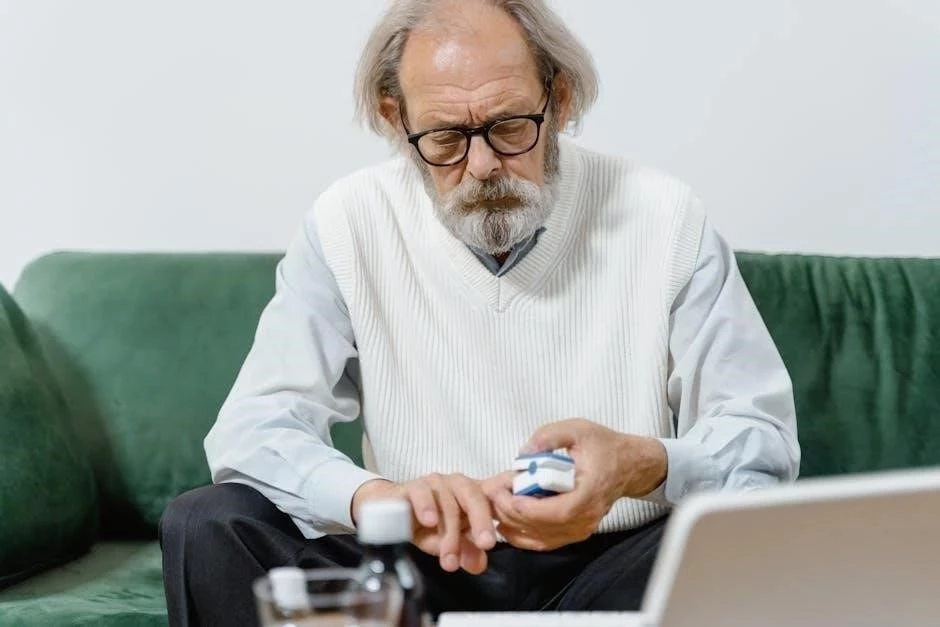
Understanding how to fund senior care is often the biggest hurdle for Dyker Heights families. New York offers robust programs, but the paperwork can be overwhelming. From the Medicaid Managed Long Term Care (MLTC) system to the Consumer Directed Personal Assistance Program (CDPAP), there are options that allow family members to be paid for their caregiving or for professional nurses to be dispatched to the home. Navigating these requires an expert who understands the latest NY State DOH regulations.
- Assistance with the Medicaid application and recertification process for South Brooklyn residents.
- Evaluation for the CDPAP program, which allows seniors to choose their own caregivers.
- Coordination with MLTC plans to maximize the hours of care authorized for the patient.
- Connecting families with local senior centers and transportation services funded by the city and state.
Cognitive Support and Mental Health Integration
Senior care in Dyker Heights must also address the ‘silent’ health issues: loneliness and cognitive decline. Mental health is intrinsically linked to physical health. Seniors who feel isolated are at higher risk for heart disease and a weakened immune system. Our care plans include cognitive stimulation exercises and social engagement strategies to keep the mind sharp and the spirit lifted. This is especially vital in our Brooklyn community where social interaction is a way of life.
- Personalized memory care activities designed to slow the progression of cognitive impairment.
- Escort services to local parks, libraries, or community centers for social interaction.
- Integration of companion care to provide meaningful conversation and emotional support.
- Monitoring for signs of geriatric depression and facilitating tele-health visits with mental health professionals.
Nurse Insight: In my experience, the biggest mistake families make is waiting for a crisis before looking into senior care. In Dyker Heights, the homes are sturdy but can be treacherous for someone with declining mobility. I always tell families: don’t wait for a fall to install those grab bars or bring in a part-time aide. A proactive approach to Home Safety and professional support is what keeps seniors independent for years longer than they would be otherwise.
Frequently Asked Questions
What are the most critical home safety modifications for seniors in Dyker Heights?
The most critical modifications include installing grab bars in bathrooms, ensuring high-contrast lighting in hallways, removing loose rugs that pose trip hazards, and installing medical alert systems. In the specific multi-story homes common in Dyker Heights, stairlifts or double handrails are also highly recommended to prevent falls.
How does family-oriented senior care improve health outcomes?
Family-oriented care integrates the patient’s existing support network into the clinical plan, which has been shown to reduce hospital readmission rates and improve medication adherence. By involving family members in Dyker Heights, we create a culturally sensitive environment that reduces the stress and anxiety often associated with aging.
Does Medicaid cover senior care services in Dyker Heights?
Yes, New York Medicaid covers various home care services through Managed Long Term Care (MLTC) plans and the Consumer Directed Personal Assistance Program (CDPAP). These programs allow eligible seniors in Brooklyn to receive professional nursing or personal care services right in their own homes.
What local hospitals serve the Dyker Heights senior population?
Seniors in Dyker Heights typically have access to premier medical facilities including Maimonides Medical Center and NYU Langone Hospital-Brooklyn. Professional home care providers coordinate closely with these institutions to ensure seamless transitions from hospital to home.
How often should a home safety assessment be performed?
A comprehensive home safety assessment should be performed at least once a year, or immediately following any change in the senior’s mobility, a new medical diagnosis, or a recent hospitalization. Regular audits ensure that the living environment evolves alongside the senior’s specific physical needs.
Contact ProLife Home Care NYC for a free clinical assessment:(718) 232 – 2777
Contact ProLife Home Care NYC for a free clinical assessment: (718) 232-2777