
Navigating the complexities of aging while residing in a luxury high-rise requires a specialized approach that balances independence with high-level clinical support. As a Senior NYC Nurse, I have seen firsthand how the right private duty aide can transform the safety and quality of life for your loved one. Families in Manhattan deserve the peace of mind that comes with knowing a professional is managing the unique logistical and medical challenges of urban apartment living. Our focus is to ensure that elderly care Midtown Manhattan remains dignified, safe, and perfectly tailored to the sophisticated lifestyle of our clients.
Clinical Quick Answer
Private duty aides for high-rise residents provide essential one-on-one medical and personal support designed to navigate the logistical challenges of Midtown Manhattan living. These Private Care Services include medication management, mobility assistance in compact apartment layouts, and coordination with concierge staff for secure, high-quality home care. By integrating professional nursing oversight with daily caregiving, these services allow seniors to age in place safely within their luxury urban environments.
Logistical Management of High-Rise Caregiving
- Building Access and Security: Professional aides are vetted and trained to follow the specific security protocols of Midtown luxury buildings, ensuring that the concierge and management teams are comfortable with their presence.
- Service Elevator Coordination: For residents requiring medical equipment deliveries or specialized mobility assistance, aides manage the scheduling and use of service elevators to maintain building etiquette.
- Small Space Safety: High-rise apartments often feature unique layouts; aides are trained to perform environmental assessments to prevent trips and falls in hallways or near balconies.
- Emergency Response: In a vertical living environment, aides are trained on the fastest routes for emergency services and how to coordinate with building staff during a medical crisis.
- Package and Pharmacy Management: Aides assist in receiving medical supplies and prescriptions through the building’s mailroom or front desk, ensuring no essential medication is delayed.
The Benefits of Specialized Private Care Services
- Consistent Caregiver Assignment: Unlike standard agencies, Private Care Services prioritize consistency, ensuring the same aide works with the resident to build deep trust and clinical familiarity.
- Customized Clinical Care Plans: Every resident receives a plan tailored by a Registered Nurse that addresses specific chronic conditions, such as heart failure, COPD, or diabetes, within the context of their home life.
- Nutrition and Meal Preparation: Aides can prepare high-quality, doctor-recommended meals using local Midtown markets, ensuring the resident maintains a healthy diet without the stress of grocery shopping.
- Escort Services: Beyond the apartment, aides provide safe passage to social clubs, the theater, or Central Park, allowing the resident to remain engaged with the vibrant Midtown community.
- Family Communication: Private duty aides act as the eyes and ears for families who may live out of state, providing regular updates on physical health and emotional well-being.
Clinical Support and Disease Management at Home
- Medication Administration and Reminders: Ensuring that complex medication schedules are followed precisely to prevent drug interactions or missed doses, which is a leading cause of hospitalization in seniors.
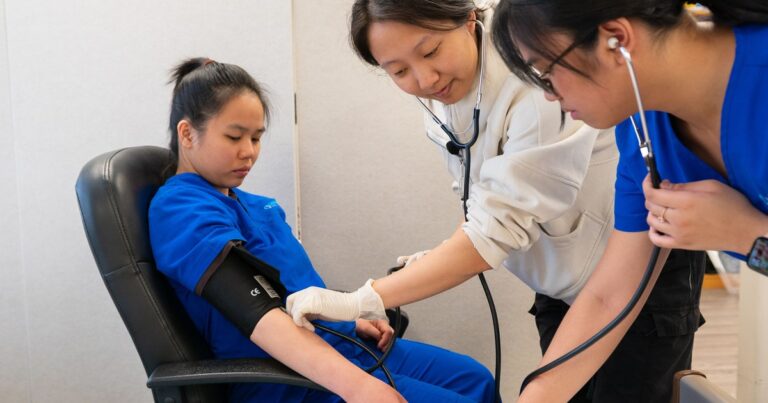
- Vital Sign Monitoring: Aides are trained to use blood pressure cuffs, pulse oximeters, and glucometers to track health trends and report any abnormalities to the supervising nurse immediately.
- Wound Care and Skin Integrity: For residents with limited mobility, aides perform regular skin checks and assist with repositioning to prevent the development of pressure ulcers.
- Post-Hospitalization Recovery: Specialized support for residents returning home after surgery, focusing on physical therapy exercises and preventing post-operative infections.
- Cognitive Support: For those dealing with early-stage dementia or Alzheimer’s, aides provide memory care stimulation and a calming presence to manage the ‘sundowning’ effect often exacerbated by city noise.
Safety and Mobility in the Midtown Environment
- Fall Prevention Strategies: Using the ‘Timed Up and Go’ (TUG) test principles, aides assist residents in navigating different floor surfaces, from plush carpeting to marble entryways.
- Public Transportation and Car Service Assistance: Aides are experts at coordinating Access-A-Ride or private car services, ensuring the resident is safely transitioned from the lobby to the vehicle.
- Weather-Related Safety: Managing the risks associated with NYC winters, such as icy sidewalks near building entrances or extreme heat during Manhattan summers.
- Adaptive Equipment Assistance: Proper use of walkers, canes, and wheelchairs within the apartment and throughout the building’s common areas like fitness centers or lounges.
- Social Integration: Helping the resident visit neighbors or attend building-sponsored events, which is crucial for mental health and preventing the isolation often felt in large high-rises.
The Importance of Mental Health and Companionship
- Combating Urban Isolation: Living in a busy Midtown high-rise can paradoxically lead to loneliness; private aides provide meaningful conversation and emotional support.
- Cognitive Engagement: Engaging residents in puzzles, reading the New York Times together, or discussing current events to keep the mind sharp and active.
- Stress Reduction: By handling daily chores and logistical headaches, aides reduce the anxiety levels of the resident, which has a direct positive impact on cardiovascular health.
- Maintaining Routine: Stability is key for elderly care Midtown Manhattan; aides ensure that the resident’s preferred daily schedule is respected and maintained.
- Dignity in Personal Care: Providing assistance with bathing, dressing, and grooming with the utmost respect for the client’s privacy and personal preferences.
Navigating NYC Healthcare Systems and Regulations
- Integration with NY State DOH: All services are designed to meet or exceed the standards set by the NY State DOH, ensuring high-quality, regulated care.
- Collaboration with Specialists: Aides and their supervisors maintain open lines of communication with the resident’s NYC-based physicians, from cardiologists on the Upper East Side to neurologists in Chelsea.
- Long-Term Care Insurance Coordination: Assistance in documenting care to meet the requirements for reimbursement from private long-term care insurance providers.
- Hospice and Palliative Care Support: Working alongside NYC hospice teams to provide comfort and care for residents who wish to remain in their high-rise homes during their final days.
- Advocacy: Professional aides serve as advocates for the resident during doctor visits, ensuring that the patient’s concerns are heard and their care preferences are honored.

Nurse Insight: In my experience, the biggest hurdle for families in Midtown is not just the medical care, but the logistics of the ‘vertical village.’ I once managed a case where the building’s elevator modernization project nearly isolated a resident on the 42nd floor. A dedicated private duty aide was able to coordinate with the building manager to ensure the resident’s appointments were kept by using the freight elevator and pre-arranging transport. This level of proactive problem-solving is what defines true Private Care Services in Manhattan.
Frequently Asked Questions
How do private duty aides handle building security and concierge protocols in Midtown Manhattan high-rises?
Professional private duty aides are trained to navigate the strict security protocols of luxury Manhattan buildings. They coordinate directly with the concierge and building management to ensure seamless entry, adhere to service elevator policies when necessary, and maintain a professional presence that respects the privacy of both the client and their neighbors.
What is the primary difference between standard home health aides and Private Care Services?
Private Care Services offer a higher level of personalization and consistency than standard agency-assigned aides. These services typically allow for more rigorous selection of the caregiver, longer shifts for continuity of care, and a focus on both clinical needs and lifestyle preferences, which is essential for elderly care Midtown Manhattan.
Can private duty aides assist with medical appointments at major NYC hospitals?
Yes, aides frequently escort clients to appointments at premier institutions like NYU Langone, Mount Sinai, and NewYork-Presbyterian. They assist with transportation logistics, help the client navigate large hospital complexes, and can take notes during consultations to ensure the family and the primary care team are kept informed;
Are private care services available for short-term post-surgical recovery?
Absolutely. Many residents in Midtown utilize private duty aides for transition of care services following a hospital discharge or a stay in a rehabilitation facility. This ensures the patient has 24/7 monitoring during the critical first days back in their high-rise apartment, reducing the risk of readmission.
How is a care plan developed for a resident living in a high-rise environment?
A clinical supervisor or registered nurse conducts an in-home assessment to evaluate the layout of the apartment, identify potential fall risks specific to the unit, and understand the resident’s daily routine. The resulting care plan integrates clinical requirements with the unique logistical needs of urban living.
Contact ProLife Home Care NYC for a free clinical assessment:(718) 232 – 2777