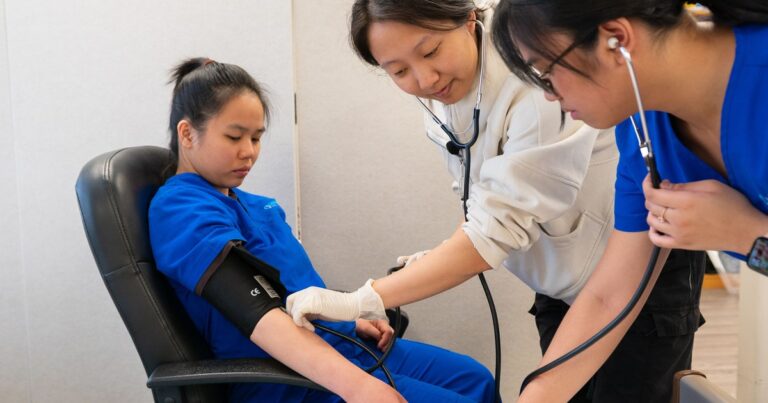

Navigating the healthcare needs of an aging parent or a disabled family member in our coastal community can feel as unpredictable as the Atlantic tides. As a Senior NYC Nurse, I have spent decades helping families in the Rockaways find the balance between medical safety and the comfort of home. Finding reliable home care Rockaway Park services is a journey that requires both clinical insight and a deep understanding of New York’s complex financial landscape. My goal is to empower your family with the knowledge to secure high-quality care while protecting your loved one’s hard-earned resources.
Clinical Quick Answer
Home care Rockaway Park provides essential medical and personal support to residents, ranging from skilled nursing to assistance with daily activities, through Licensed Home Care Services Agencies (LHCSAs). To afford these services under Medicaid when income exceeds state limits, residents utilize an NYS Pooled Trust to protect their surplus income for personal expenses. This combination of professional clinical oversight and strategic financial planning ensures that vulnerable individuals can age safely in their own homes.
Comprehensive Home Care Services in Rockaway Park
The geography of Rockaway Park presents unique challenges and opportunities for home-based care. Residents here require a robust support system that understands the local landscape, from the high-rise apartments near the boardwalk to the quiet residential streets. Clinical home care is not a one-size-fits-all solution; it is a spectrum of services designed to address specific medical and functional needs.
- Personal Care Assistance (PCA): Focuses on non-medical support, such as help with bathing, grooming, and dressing, which are vital for maintaining hygiene and preventing skin breakdown.
- Home Health Aides (HHA): These professionals provide more intensive support, including monitoring vital signs and assisting with prescribed exercises under the supervision of a nurse.
- Skilled Nursing Care: Registered Nurses (RNs) or Licensed Practical Nurses (LPNs) provide complex medical interventions such as wound care, IV therapy, and medication administration.
- Physical and Occupational Therapy: Essential for residents recovering from surgery or strokes, helping them regain mobility within their own living environment.
- Companion Care: Addressing the social isolation often felt by coastal residents, especially during winter months when outdoor activity is limited.
- Nutritional Support: Ensuring that patients follow doctor-prescribed diets, which is critical for managing chronic conditions like diabetes or hypertension.
Navigating Medicaid and the NYS Pooled Trust
For many in Rockaway Park, the high cost of private-pay home care is prohibitive. New York State Medicaid offers a lifeline, but the income eligibility requirements are strict. This is where the NYS Pooled Trust becomes an indispensable tool for residents who find themselves in the “spend-down” or “surplus income” category.
- The Income Gap: Medicaid has a set monthly income limit; if a senior’s Social Security or pension exceeds this, they are normally expected to pay the extra toward their care;
- NYS Pooled Trust Definition: A specialized trust managed by a non-profit organization that allows individuals to deposit their excess income into the trust rather than giving it to the state.
- Maintaining Eligibility: Funds deposited into the NYS Pooled Trust are not counted by Medicaid, allowing the individual to qualify for full home care benefits.
- Paying Personal Bills: While the money is in the trust, it can be used to pay for the individual’s third-party expenses, such as rent in Rockaway Park, utility bills, or even clothing.
- Joinder Agreements: The legal process of joining a pooled trust involves a Joinder Agreement, which must be carefully reviewed to ensure compliance with New York State Department of Health regulations.
- Administrative Fees: Most pooled trusts charge a small monthly fee to manage the account, which is a fraction of the cost of paying for home care out-of-pocket.
The Clinical Assessment Process (UAS-NY)
Before home care Rockaway Park services can be authorized through Medicaid, a rigorous clinical assessment must be performed. This assessment determines the number of hours and the type of care required to keep the patient safe at home.
- The UAS-NY Tool: The Uniform Assessment System for New York is the standardized electronic tool used by nurses to evaluate a patient’s functional and cognitive status.
- Activities of Daily Living (ADLs): The assessment looks at the patient’s ability to perform basic tasks like walking, eating, and toileting.
- Instrumental Activities of Daily Living (IADLs): Nurses also evaluate more complex tasks like managing finances, using the telephone, and shopping for groceries.
- Tasking Tool: Based on the assessment, a tasking tool is generated which calculates the specific hours needed for each task throughout the day and night.
- Social Environment: The assessment considers the safety of the home environment in Rockaway Park, including potential fall hazards common in older coastal homes.
- Cognitive Functioning: Evaluating memory and decision-making capabilities to determine if the patient requires 24-hour supervision for safety.
Specialized Care for Chronic Conditions
Home care in the Rockaways often involves managing chronic conditions that are prevalent in the aging population. A clinical approach ensures that these conditions are monitored closely to prevent unnecessary hospitalizations at facilities like St. John’s Episcopal Hospital.
- Congestive Heart Failure (CHF): Home care providers monitor for fluid retention and weight gain, which are critical indicators of worsening heart health.
- Chronic Obstructive Pulmonary Disease (COPD): Nurses assist with oxygen management and breathing exercises, particularly important given the humid salt air of the coastal region.
- Dementia and Alzheimer’s: Specialized caregivers provide routine and redirection, which is vital for patients who may become disoriented or prone to wandering.
- Diabetes Management: Aides and nurses ensure regular glucose monitoring and adherence to complex insulin regimens and dietary restrictions.
- Post-Stroke Rehabilitation: Coordinated care between therapists and home health aides to maximize the window of recovery for motor skills and speech.
- Palliative Care: Focusing on comfort and quality of life for those with terminal illnesses, ensuring they can stay in Rockaway Park surrounded by family.
Choosing the Right Home Care Agency
Selecting a Licensed Home Care Services Agency (LHCSA) to provide home care Rockaway Park services is a critical decision. You must look for agencies that not only provide quality staff but also have experience working with the NYS Pooled Trust and local Medicaid offices.

- Certification and Licensing: Verify that the agency is licensed by the NY State DOH and meets all regulatory standards.
- Staff Training: Inquire about the ongoing education provided to aides, specifically regarding infection control and emergency preparedness.
- Response Time: Choose an agency with a strong presence in Queens that can quickly staff cases or provide replacements if a regular aide is unavailable.
- Language and Culture: Rockaway Park is a diverse community; ensuring the caregiver speaks the patient’s primary language is essential for clinical safety and emotional comfort.
- Technology Integration: Modern agencies use electronic visit verification (EVV) to ensure that aides are present and performing the tasks outlined in the care plan.
- Care Coordination: The agency should work seamlessly with your Managed Long Term Care (MLTC) plan and the administrators of your NYS Pooled Trust.
CDPAP: An Alternative to Traditional Home Care
The Consumer Directed Personal Assistance Program (CDPAP) is a popular option for families in Rockaway Park who prefer a more personal touch. This Medicaid program allows the patient to choose their own caregiver, including many family members.
- Autonomy: The patient (or their designated representative) acts as the employer, responsible for hiring, training, and supervising their personal assistant.
- Family Caregivers: Many children or grandchildren in Rockaway Park use this program to get paid for the care they are already providing to their elders.
- No Certification Required: Unlike HHAs, CDPAP assistants do not necessarily need a state certificate, as the patient provides the specific training needed for their care.
- Financial Coordination: Just like traditional home care, CDPAP users often utilize an NYS Pooled Trust to meet the Medicaid income requirements.
- Flexibility: CDPAP allows for a more flexible schedule, which is often beneficial for families managing complex work and school schedules in NYC.
- Fiscal Intermediary: While the patient manages the aide, a Fiscal Intermediary (FI) handles the payroll, taxes, and benefits, ensuring the program runs legally.
Nurse Insight: In my experience, the biggest mistake families make is waiting for a crisis—like a fall or a hospital stay—before looking into home care Rockaway Park options. The Medicaid application and NYS Pooled Trust setup can take months to process. I always tell my families: start the conversation now. By the time the clinical need becomes urgent, you want the financial and legal infrastructure already in place so you can focus entirely on your loved one’s recovery and comfort.
Frequently Asked Questions
How long does it take to set up an NYS Pooled Trust?
Typically, it takes 2 to 4 weeks to establish the trust account once the paperwork is submitted, but the full integration with Medicaid can take longer depending on the local Department of Social Services (DSS) or HRA office.
Can the money in the trust be used for medical bills?
While the money can be used for medical bills, it is generally better to use it for non-medical living expenses like rent or food, as Medicaid will be covering your primary medical and home care costs.
What happens to the money left in the NYS Pooled Trust after the beneficiary passes away?
By law, any funds remaining in an NYS Pooled Trust account after the participant’s death stay within the trust to help other disabled individuals or are paid back to the state to offset Medicaid costs.
Is home care available 24/7 in Rockaway Park?
Yes, 24/7 care is available, but it must be clinically justified during the UAS-NY assessment. Medicaid usually requires evidence that the patient needs ‘total assist’ with multiple ADLs and has nighttime care needs.
Does the NYS Pooled Trust affect my Social Security payments?
No, your Social Security payments remain the same. The trust simply changes how that income is counted for Medicaid eligibility purposes, allowing you to stay under the asset and income limits.
Contact ProLife Home Care NYC for a free clinical assessment:(718) 232 – 2777