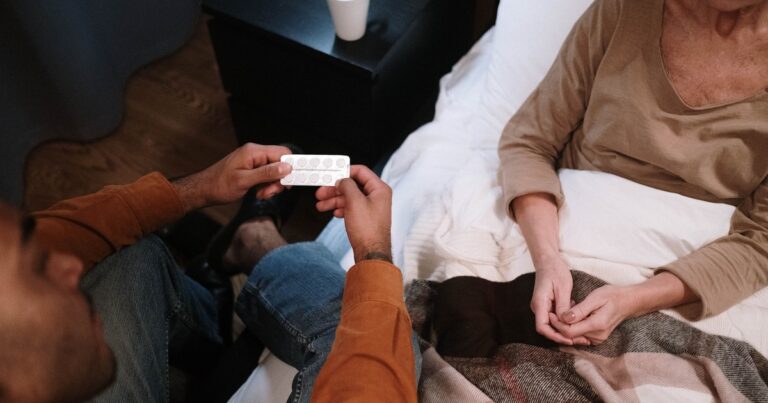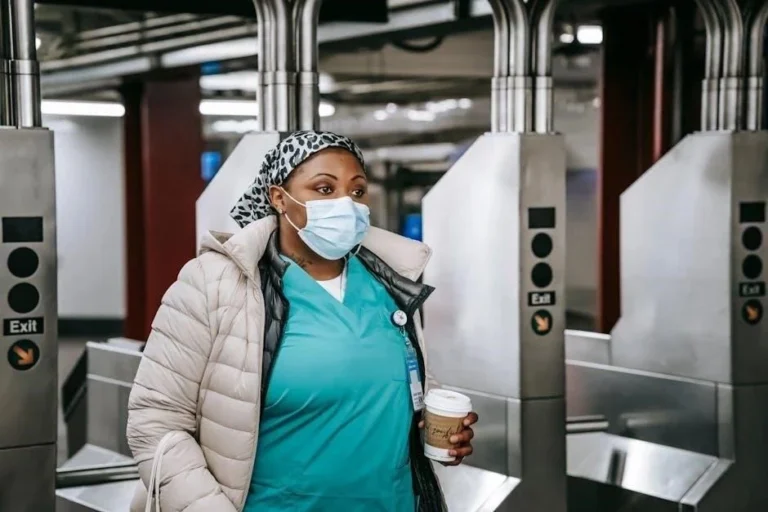
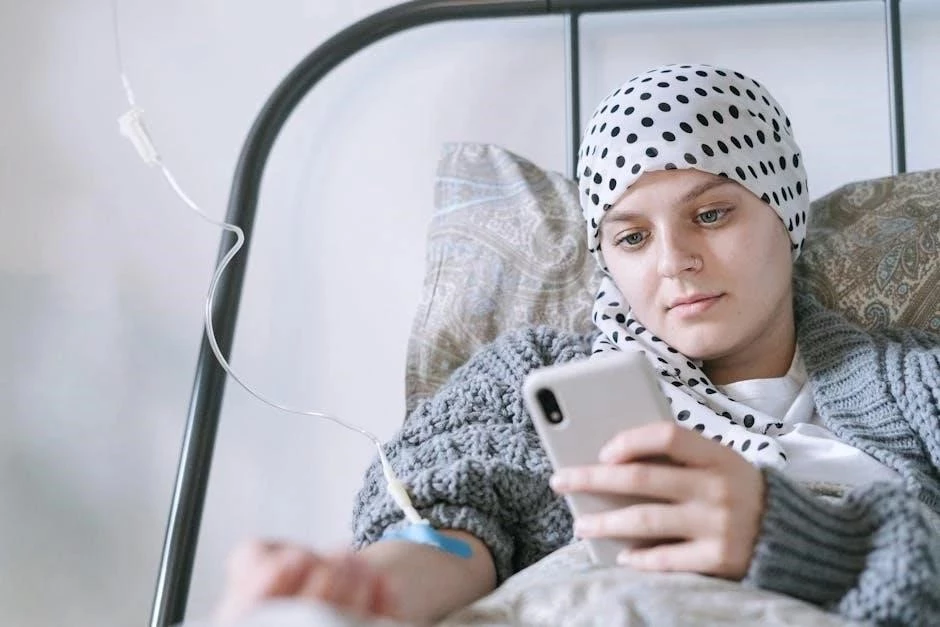
As a senior NYC nurse with years of experience in high-acuity pediatric care, I understand that nothing is more important than your child’s comfort and recovery. Transitioning from a hospital setting to the familiar surroundings of your home can significantly improve a child’s psychological well-being and overall healing process. Pediatric iv therapy at home NYC is designed to bring clinical excellence directly to your living room, ensuring your family stays together during challenging times. Our mission is to provide the highest standard of Nurse Services, empowering parents and providing children with the gentle, professional care they deserve.
Clinical Quick Answer
Pediatric home infusion is a specialized medical service where intravenous medications and nutrients are administered to children in their homes by licensed clinicians. Utilizing professional Nurse Services ensures that sterile techniques are maintained, dosage is precise, and the child’s vital signs are monitored for safety. This model of care is highly effective for managing chronic conditions, infections, and nutritional deficiencies while minimizing the risk of hospital-acquired infections.
Understanding the Scope of Pediatric IV Therapy at Home NYC
The landscape of pediatric healthcare in New York City has shifted toward home-based solutions, allowing for more personalized care. Pediatric iv therapy at home NYC involves the delivery of medication through various types of vascular access devices. Depending on the child’s needs, this may include peripheral IV lines, PICC lines (Peripherally Inserted Central Catheters), or implanted ports.
- Antibiotic Therapy: Essential for treating severe infections like osteomyelitis or endocarditis without requiring a month-long hospital stay.
- Total Parenteral Nutrition (TPN): Providing life-sustaining nutrients for children with gastrointestinal failure or severe malabsorption issues.
- Immunoglobulin Therapy (IVIG): Used for children with primary immunodeficiency disorders or certain neurological conditions to boost the immune response.
- Hydration and Electrolyte Management: Critical for children recovering from surgery or those with chronic conditions that cause dehydration.
- Biologic Infusions: Specialized medications for autoimmune diseases such as Crohn’s disease or juvenile arthritis.
Managing these therapies at home requires a multidisciplinary approach involving the prescribing physician, a specialized infusion pharmacy, and skilled Nurse Services to bridge the gap between the pharmacy and the patient.
The Vital Role of Specialized Nurse Services
When it comes to pediatric care, specialized Nurse Services are non-negotiable. Children are not simply “small adults”; their physiology, metabolism, and emotional needs require a unique clinical approach. A pediatric infusion nurse in NYC is responsible for more than just hanging a bag of medication.
- Vascular Access Management: Expert care of the IV site, including dressing changes using sterile techniques to prevent bloodstream infections.
- Clinical Monitoring: Assessing the child for any adverse reactions, such as anaphylaxis or site infiltration, which is crucial during the first dose.
- Family Education: Teaching parents how to identify signs of infection, how to handle the infusion pump, and what to do in case of an emergency.
- Care Coordination: Acting as a liaison between the family and the NYC medical team, ensuring that labs are drawn on time and results are communicated to the pediatrician.
- Psychological Support: Using age-appropriate distraction techniques and “child life” principles to make the needle sticks or dressing changes less traumatic.
Types of Vascular Access Devices Used in Home Care
Selecting the right access device is critical for the success of pediatric iv therapy at home NYC. The choice depends on the duration of therapy, the pH and osmolarity of the medication, and the child’s activity level. Nurse Services must be proficient in managing all types of lines to ensure safety.
- Peripheral IV (PIV): Usually for short-term therapy (less than a week). These are more prone to dislodgment in active children and require frequent monitoring.
- Midline Catheters: Used for therapies lasting 1 to 4 weeks. They offer more stability than a standard PIV but do not reach the central circulation.
- PICC Lines: These are common for long-term antibiotics or TPN. They are inserted in the arm and threaded to a large vein near the heart.
- Tunneled Catheters (e.g., Broviac or Hickman): Ideal for children requiring years of therapy. These are surgically placed and offer high durability.
- Implanted Ports: Best for intermittent therapy, such as monthly infusions. Since the device is under the skin, it allows the child to swim and play normally between treatments.
Safety Protocols and the SASH Method
Safety is the cornerstone of home-based Nurse Services. To maintain the patency of the IV line and prevent complications, nurses and trained parents follow the SASH protocol, which is a standard in NYC home infusion practices.
- S ౼ Saline Flush: The line is flushed with normal saline to ensure it is clear and patent before medication is administered.
- A ─ Administer Medication: The prescribed drug is infused at the correct rate using a programmable infusion pump.
- S ౼ Saline Flush: Another saline flush ensures that all the medication has been cleared from the tubing and entered the bloodstream.
- H ─ Heparin Flush: In some cases, a small amount of heparin is used to prevent blood clots from forming inside the catheter (this step depends on the specific device and doctor’s orders).
Furthermore, the NY State DOH provides guidelines on infection control that all home care agencies must strictly follow to ensure the safety of the pediatric population.
Navigating NYC Healthcare Challenges for Home Infusion
Operating pediatric iv therapy at home NYC presents unique logistical challenges. From the density of the city to the specific requirements of NYC insurance providers, families need a robust support system to navigate these hurdles effectively.
- Pharmacy Delivery Logistics: Specialized infusion pharmacies must navigate NYC traffic to deliver temperature-sensitive medications like TPN or biologics on time.
- Small Space Management: NYC apartments often have limited space. Nurses help families organize supplies efficiently to maintain a “clean zone” even in compact living quarters.
- Insurance Authorizations: NYC Medicaid and private insurers have specific documentation requirements for Nurse Services. A dedicated case manager usually handles these approvals.
- Emergency Backup: Since NYC is home to some of the world’s best pediatric hospitals, home care plans always include a “clearance” for which ER to visit if a line becomes dislodged or a fever develops.
Psychological Impact and Benefits of Home Recovery
The emotional benefit of pediatric iv therapy at home NYC cannot be overstated. Clinical studies show that children recover faster and with less trauma when they are in their own environment, eating their own food, and sleeping in their own beds.
- Reduced Hospital Phobia: By bringing the care home, children associate treatment with safety rather than the fear of a clinical institution.
- Normalization of Life: Siblings and parents can maintain a more regular schedule, which provides stability for the child receiving the infusion;
- Improved Sleep Patterns: Hospitals are loud and bright; home allows for the restorative rest that is essential for immune function.
- Empowerment: When parents are involved in the care under the guidance of Nurse Services, it reduces the feeling of helplessness often associated with childhood illness.
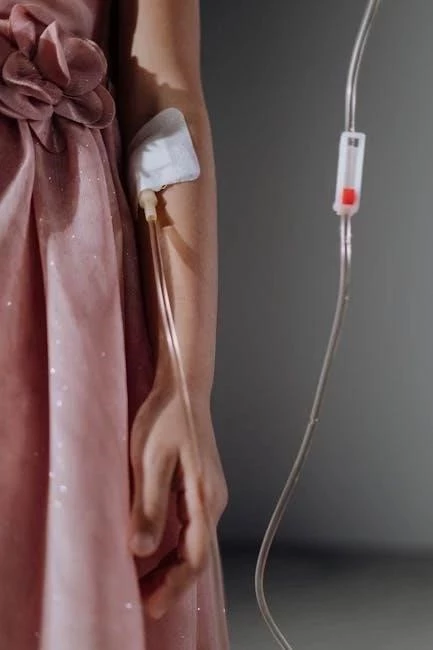
Nurse Insight: In my experience, the biggest hurdle for parents isn’t the technology of the IV pump, but the anxiety of managing a clinical procedure at home. I always tell families that they are the experts on their child, while we are the experts on the medicine—together, we create a safe harbor for healing. Don’t be afraid to ask your nurse to repeat a demonstration three or four times; our goal is to make you feel as confident as possible in your own home.
Frequently Asked Questions
How long does a typical home infusion visit last?
A typical visit from Nurse Services can last anywhere from 1 to 3 hours. This includes the time for clinical assessment, setting up the sterile field, administering the medication, and monitoring for any immediate side effects or complications.
Can my child go to school while receiving IV therapy at home?
In many cases, yes. Depending on the type of medication and the frequency of the infusions, children can often attend school. For those with PICC lines or ports, certain physical activities may be restricted, but the goal of home therapy is to keep the child’s life as normal as possible.
What happens if the IV pump starts beeping at night?
Most infusion pharmacies provide a 24/7 clinical help desk. Parents are taught how to troubleshoot common alarms, such as “air in line” or “occlusion.” If the problem cannot be solved over the phone, a nurse or technician may be dispatched.
Is home infusion more expensive than staying in the hospital?
Generally, pediatric iv therapy at home NYC is significantly more cost-effective than an inpatient hospital stay. Most insurance companies prefer home care because it reduces the “room and board” costs of a hospital while still providing high-quality clinical outcomes.
Who provides the medical supplies for the infusion?
All supplies—including the medication, IV tubing, flushes, and the pump—are provided by a specialized infusion pharmacy. They coordinate with your Nurse Services to ensure that all necessary items are delivered to your NYC home before the scheduled treatment.
Contact ProLife Home Care NYC for a free clinical assessment:(718) 232 – 2777