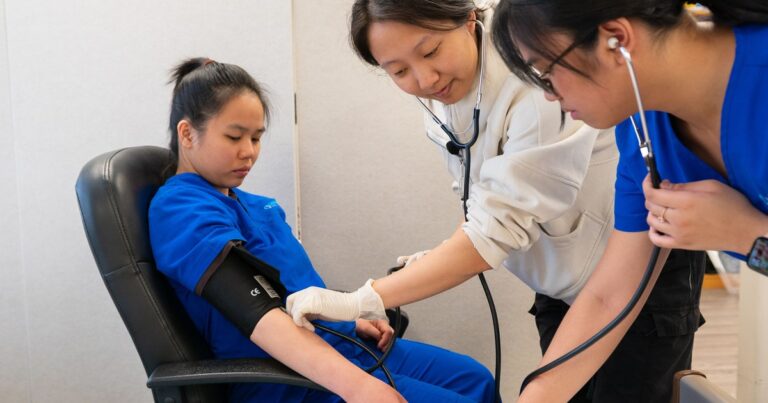
Navigating the complexities of childhood illness or disability in the heart of New York City requires more than just clinical skill; it requires a partnership built on trust and deep empathy. As a Senior NYC Nurse who has spent decades in the field, I understand that welcoming a caregiver into your Manhattan home is a monumental decision for any parent. Our mission is to ensure that every child receives the highest caliber of medical and personal support while remaining in the comforting, familiar environment of their own bedroom. We treat every family with the same dedication we would give our own, focusing on safety, dignity, and the unique clinical needs of Manhattan’s youngest residents.
Clinical Quick Answer
High-quality pediatric home care in New York City integrates skilled nursing with compassionate personal care to support children with complex medical needs or developmental disabilities. A certified Pediatric home care agency Manhattan provides licensed professionals who manage everything from ventilator dependency to daily hygiene, ensuring clinical safety and improved quality of life. By utilizing programs like Manhattan Home Care services or CDPAP, families can access customized support that meets the rigorous standards set by the New York State Department of Health.
The Importance of Specialized Pediatric Care in Manhattan
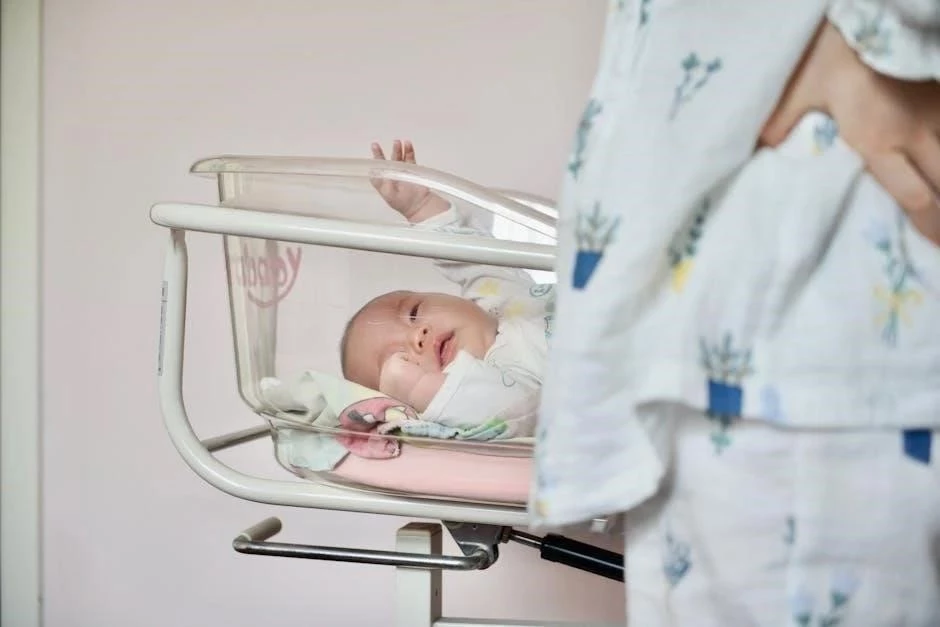
Manhattan presents a unique environment for home-based healthcare. From the high-rise apartments of the Upper East Side to the vibrant neighborhoods of Lower Manhattan, families require a Pediatric home care agency Manhattan that understands the logistics of city living. Pediatric care is not simply a smaller version of adult care; it involves specialized physiological knowledge, developmental psychology, and a family-centered approach. Children have different vital sign ranges, medication dosages, and emotional responses to medical interventions. When a child is medically fragile, the home becomes a mini-intensive care unit, requiring aides and nurses who are experts in pediatric emergency protocols and long-term management.
- Developmental Milestones: Caregivers must integrate therapeutic play and developmental support into daily routines to help children reach their full potential.
- Environment Adaptation: Manhattan homes often require creative solutions for medical equipment storage and mobility, which our experienced aides are trained to manage.
- Coordination with NYC Hospitals: We work closely with major institutions like Mount Sinai Kravis Children’s Hospital and Hassenfeld Children’s Hospital at NYU Langone to ensure seamless transitions from hospital to home.
- Specialized Equipment Management: Expert care for children utilizing nebulizers, oxygen concentrators, and customized orthotics.
Comprehensive Manhattan Home Care Services for Children
When searching for Manhattan Home Care, it is vital to understand the tiers of service available. High-quality care is divided into skilled nursing and personal care assistance. Skilled nursing is provided by Registered Nurses (RNs) or Licensed Practical Nurses (LPNs) and involves clinical tasks such as wound care, IV therapy, and monitoring of unstable conditions. Personal care aides (PCAs) or Home Health Aides (HHAs) focus on the activities of daily living (ADLs), providing the foundational support that allows a child to thrive at home. These services are often combined into a comprehensive plan of care tailored to the child’s specific diagnosis, whether it be cerebral palsy, muscular dystrophy, or complications from premature birth.
- Assistance with Activities of Daily Living (ADLs): Help with bathing, dressing, grooming, and specialized feeding techniques.
- Nutritional Support: Managing G-tube or J-tube feedings and ensuring proper hydration and caloric intake as prescribed by pediatricians.
- Medication Administration: Ensuring that all medications are given at the correct time and dose, with careful monitoring for side effects.
- Mobility and Transfers: Safe handling of children with limited mobility, using Hoyer lifts or manual transfer techniques to prevent injury.
- Respiratory Support: Monitoring oxygen levels, performing chest physiotherapy, and maintaining airway clearance.
Navigating the CDPAP Program for Pediatric Families
The Consumer Directed Personal Assistance Program (CDPAP) is a revolutionary Medicaid program in New York that empowers parents of children with disabilities. Through a Pediatric home care agency Manhattan that acts as a fiscal intermediary, parents can recruit, hire, and supervise their own caregivers—often including family members or trusted friends. This is particularly beneficial for children who may struggle with new faces or have specific cultural or linguistic needs. In Manhattan, where the cost of living is high and the pace is fast, CDPAP offers a way for families to receive financial support while ensuring their child is cared for by someone who truly understands their needs.
- Family Autonomy: Parents have the final say in who enters their home and provides care for their child.
- Consistency of Care: Minimizes the “revolving door” of agency staff by allowing a dedicated family member to take the lead.
- Customized Schedules: Flexibility to arrange care around school hours, therapy appointments, and family activities.
- Financial Security: Allows family members who might otherwise have to leave the workforce to be compensated for their caregiving duties.
Eligibility and Insurance for Manhattan Pediatric Home Care
Securing funding for home care services can be one of the most stressful aspects of managing a child’s chronic condition. In New York, several pathways exist to cover the costs of a Manhattan Home Care aide. New York Medicaid is a primary payer for long-term home care services, often through the “Katie Beckett” waiver (Model Waiver), which allows children with severe disabilities to qualify for Medicaid based on their own income and assets, rather than their parents’. Understanding these nuances is critical for families in NYC. You can find more detailed information on eligibility and state regulations on the NY State DOH website.
- Medicaid Managed Care: Most children in NYC are enrolled in a managed care plan that coordinates their home care benefits.
- Private Insurance: Some commercial plans offer limited home health benefits, usually focusing on short-term rehabilitative care.
- Early Intervention (EI): For children under age three, EI services can provide therapeutic support in the home.
- Social Security Disability (SSDI/SSI): Financial assistance that can supplement the costs of specialized equipment and care.
Safety Standards and Training for NYC Caregivers
Safety is the cornerstone of any Pediatric home care agency Manhattan. In a densely populated borough like Manhattan, ensuring that caregivers are not only clinically competent but also thoroughly vetted is paramount. Our agency adheres to the strictest New York State regulations regarding caregiver background checks and ongoing education. Pediatric care requires a specific set of soft skills, including patience, communication with non-verbal children, and the ability to remain calm in emergencies. We believe that a well-trained aide is a family’s greatest asset, providing peace of mind and allowing parents to return to their roles as mom and dad rather than full-time medical providers.
- Fingerprinting and Background Checks: All staff must clear the NYS Department of Health’s Criminal History Record Check (CHRC).
- Pediatric CPR and First Aid: Mandatory certification for all caregivers working with children.
- Infection Control: Strict adherence to hygiene protocols to protect immunocompromised children from urban pathogens.
- Cultural Competency: Training to respect and support the diverse backgrounds and traditions of Manhattan families.
- Emergency Preparedness: Specific plans for handling NYC-specific issues, such as power outages in high-rises or transportation delays.
Building a Collaborative Care Plan
The success of Manhattan Home Care lies in the collaboration between the family, the agency, and the child’s medical team. A care plan is a “living document” that evolves as the child grows and their needs change. It outlines every aspect of the child’s day, from the timing of medications to the specific way they like to be held. In Manhattan, where families often see multiple specialists across different hospital systems, our agency serves as the central hub for communication. We ensure that the home health aide is not just a silent observer but an active participant in the child’s health journey, reporting subtle changes in condition that could prevent a hospital readmission.
- Initial Clinical Assessment: A Registered Nurse conducts a thorough evaluation of the child’s health and the home environment.
- Multidisciplinary Coordination: We align our services with physical, occupational, and speech therapists.
- Regular Supervisory Visits: RNs visit the home periodically to ensure the aide is following the care plan and the child is safe.
- Goal Setting: We work with families to set realistic goals, whether it is improving mobility, increasing social interaction, or achieving greater independence.
Nurse Insight: In my experience, the most successful home care arrangements in Manhattan are those where the communication between the parent and the aide is transparent and respectful. I often tell families that while the aide is the expert in caregiving, you are the expert on your child. Do not hesitate to speak up about your child’s preferences or “quirks.” In the high-pressure environment of NYC, having an aide who feels like an extension of your family can reduce stress levels significantly, not just for the child, but for everyone in the household.
Frequently Asked Questions
How quickly can we start services with a Pediatric home care agency Manhattan?
The timeline depends on Medicaid or insurance authorization. Generally, once the clinical assessment is complete and the plan of care is approved, services can begin within one to two weeks. Emergency cases may be expedited.
Can a Manhattan Home Care aide help my child during school hours?
Yes, many agencies provide “school nursing” or “one-on-one aides” who accompany the child to school to manage their medical needs and personal care throughout the school day as part of their Individualized Education Program (IEP).
What happens if our assigned aide is sick or cannot make it?
A reputable agency maintains a backup pool of trained caregivers. If your regular aide is unavailable, the agency will work to provide a qualified substitute to ensure there is no lapse in care for your child.
Does the agency provide specialized care for children on the Autism spectrum?
Yes, many pediatric aides receive specific training in behavioral support and sensory integration. We focus on maintaining routines and using positive reinforcement techniques tailored to children with neurodivergent needs.
Are the services available 24 hours a day, 7 days a week?
Yes, depending on the child’s medical necessity and the insurance authorization, we can provide care ranging from a few hours a day to round-the-clock 24/7 skilled nursing or aide support.
Contact ProLife Home Care NYC for a free clinical assessment:(718) 232 – 2777