
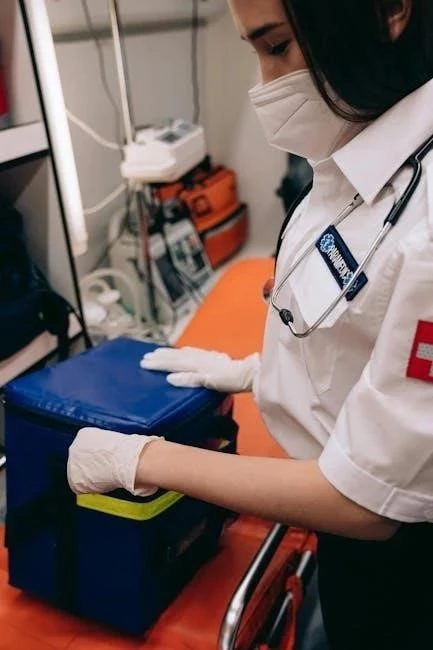
As a Senior Nurse in the heart of New York City, I have witnessed the profound stress that settles over a family when a loved one faces a sudden medical crisis. In these high-stakes moments, the complexity of our city’s healthcare system can feel like an insurmountable barrier to getting the care your parent or child needs. At ProLife, we treat every family as our own, providing a compassionate clinical anchor during the most turbulent times. Our goal is to replace fear with professional certainty, ensuring that your family remains whole and supported throughout the recovery journey.
Clinical Quick Answer
ProLife provides comprehensive 24/7 emergency clinical support ProLife NYC, offering families immediate access to skilled nursing interventions, rapid medical triage, and professional care coordination. By integrating real-time monitoring with personalized clinical pathways, we help reduce hospital readmissions and stabilize patients within the home environment. To secure immediate assistance and clinical advocacy for your loved one, you can =Contact ProLife at any time for an expert consultation.
Immediate Triage and Emergency Clinical Support ProLife NYC
In the fast-paced environment of New York City, a medical crisis does not wait for business hours. Emergency clinical support ProLife NYC is structured to provide a rapid response mechanism that functions as a critical safety net for families. When a patient’s condition changes—whether it is a sudden spike in fever, a complication with a surgical wound, or respiratory distress—the ability to reach a qualified clinician can make the difference between a panicked trip to the ER and a managed stabilization at home.
- 24/7 Clinical Hotlines: Direct access to registered nurses who can assess symptoms via tele-health or immediate home dispatch.
- Vital Sign Monitoring: Utilizing remote patient monitoring technology to track blood pressure, oxygen saturation, and glucose levels in real-time.
- Symptom Escalation Protocols: Specialized algorithms used by our nurses to determine if a condition requires immediate physician intervention or can be managed with home-based protocols.
- Medication Safety Audits: Immediate review of prescriptions during a crisis to prevent adverse drug interactions or dosing errors.
- Family Coaching: Providing step-by-step instructions to caregivers on how to handle equipment malfunctions or acute physical changes.
Navigating the Post-Hospitalization Transition
The first 48 hours after being discharged from an NYC hospital, such as NYU Langone or Mount Sinai, are the most precarious for any patient. Our team works aggressively to bridge the gap between the hospital bedside and the home. By coordinating with hospital social workers and discharge planners, we ensure that the transition is seamless. To initiate this coordination before discharge, families are encouraged to =Contact ProLife to set up a transition-of-care plan.
- Discharge Summary Review: Our nurses translate complex medical jargon into actionable instructions for the family.
- Equipment Coordination: Ensuring oxygen tanks, hospital beds, and mobility aids are delivered and installed before the patient arrives home.
- Transportation Assistance: Coordinating medical transport for patients with limited mobility to ensure they reach home safely.
- Follow-up Appointment Scheduling: Managing the logistics of the critical first follow-up visit with specialists or primary care doctors.
- Home Safety Evaluations: Assessing the living environment for fall risks and infection control hazards immediately upon arrival.
Specialized Nursing for Complex Chronic Conditions
Many NYC families are managing long-term, complex conditions like Congestive Heart Failure (CHF), COPD, or advanced diabetes. These conditions require more than just basic care; they require a sophisticated clinical approach. ProLife provides specialized nursing teams trained in the nuances of these diseases to prevent the “revolving door” of hospitalizations.
- Advanced Wound Care: Expert management of pressure ulcers and surgical incisions using evidence-based dressing techniques.
- Infusion Therapy: Administering IV antibiotics or hydration in the comfort of the home to avoid long hospital stays.
- Respiratory Support: Management of ventilators, CPAP/BiPAP machines, and tracheostomy care for patients with compromised breathing.
- Cardiac Monitoring: Specialized protocols for managing fluid balance and medication titration for heart failure patients.
- Neurological Support: Care for patients recovering from strokes or managing progressive conditions like Parkinson’s or Alzheimer’s.
Integrating Medicaid and Financial Advocacy
The financial burden of a medical crisis can be as debilitating as the illness itself. In New York, programs such as Medicaid and CDPAP offer vital support, but the application processes are notoriously difficult. Our specialists, led by experts like Anna Klyauzova, work to ensure that families utilize every available resource. We provide guidance on navigating the NY State DOH regulations to secure the maximum hours of care allowed by law.
- Medicaid Eligibility Assessment: Determining if a family qualifies for community-based long-term care services.
- MLTC Plan Selection: Helping families choose the Managed Long-Term Care plan that best fits their specific medical needs.
- Documentation Support: Assisting with the gathering of medical records and physician attestations required for service authorization.
- CDPAP Guidance: Explaining how family members can be compensated for providing care to their loved ones through the Consumer Directed Personal Assistance Program.
- Fair Hearing Advocacy: Representing the patient’s clinical needs if hours of care are unfairly reduced by insurance carriers.
Pediatric Crisis Support for NYC Families
There is no crisis more acute than one involving a child with special medical needs. ProLife offers dedicated pediatric nursing support for families navigating childhood illnesses or developmental disabilities. We understand that pediatric care requires a gentler touch and a specific set of clinical skills to ensure the child feels safe while receiving intensive medical treatment.
- G-Tube and Feeding Support: Training parents on enteral nutrition and managing complications with feeding tubes.
- Seizure Management Protocols: Developing specific action plans for children with epilepsy or seizure disorders.
- Pediatric Asthma Care: Intensive monitoring and education for families dealing with severe respiratory episodes.
- Developmental Coordination: Working alongside therapists to integrate medical care with physical and occupational therapy goals.
- Emotional Support for Parents: Providing the clinical confidence parents need to be effective caregivers for their medically fragile children.
Caregiver Burnout Prevention and Mental Health
A crisis impacts the entire family, not just the patient. Caregiver burnout is a clinical reality that can lead to a breakdown in the patient’s care. ProLife incorporates the mental well-being of the family into our clinical model, providing respite and psychological support to those on the front lines of caregiving.
- Respite Care Services: Scheduled nursing visits that allow family caregivers to rest, work, or attend to their own health.
- Crisis Counseling Referrals: Connecting family members with mental health professionals who specialize in medical trauma.
- Support Group Access: Linking NYC caregivers with local networks of people facing similar clinical challenges.
- Caregiver Education Series: Workshops on body mechanics, stress management, and end-of-life care planning.
- Direct Communication Channels: Allowing caregivers to =Contact ProLife at any time for emotional reassurance and clinical advice.

Nurse Insight: In my experience, the biggest mistake families make is waiting until they are at a complete breaking point before asking for professional help. New York City’s healthcare environment is incredibly dense and difficult to navigate alone; having a clinical advocate from the start doesn’t just improve the patient’s health—it preserves the family’s sanity. I always tell my patients that calling for support isn’t a sign of weakness, but a strategic move to ensure the best possible outcome for the person you love most.
Frequently Asked Questions
What constitutes emergency clinical support ProLife NYC?
It refers to our 24/7 rapid response system where families can access nursing interventions, clinical triage, and immediate medical coordination during a health crisis. This service is designed to stabilize patients at home and prevent unnecessary hospitalizations.
How can I =Contact ProLife to start services immediately?
You can reach our clinical intake team by calling our 24/7 hotline or visiting our website. We prioritize crisis calls and can often begin the clinical assessment process the same day you reach out to us.
Can ProLife help if my insurance has denied home care hours?
Yes. Our clinical advocates and Medicaid specialists review insurance denials to determine if the clinical necessity was properly documented. We help gather the required evidence and can assist in the appeal or Fair Hearing process.
Do you provide specialized care for dementia patients in crisis?
Absolutely. We have specialized protocols for managing behavioral crises, wandering, and medical complications associated with Alzheimer’s and other forms of dementia, ensuring the patient remains safe in a familiar environment.
Is the service available during holidays and weekends?
Yes, our clinical support team is active 365 days a year. We recognize that medical emergencies do not take holidays, and our NYC-based nursing staff is always on call to assist your family.
Contact ProLife Home Care NYC for a free clinical assessment:(718) 232 – 2777