Home care isn’t one-size-fits-all. Depending on your loved one’s health status, medical needs, and daily requirements, different types of care services address different needs. This comprehensive guide breaks down every type of home care available in Brooklyn, helping you understand which services fit your situation.
From basic companionship to skilled nursing care, from personal hygiene assistance to specialized dementia support, home care services exist across a spectrum. Understanding these options empowers you to choose the right combination of services for your loved one’s specific needs.
🔹 ANNA’S INSIGHT: Right Care, Right Level
“One of the biggest mistakes families make is either under-utilizing home care services (when they’re actually needed) or over-utilizing (paying for services they don’t need). The key is matching the right type and level of care to your loved one’s actual needs. I’ve seen families save thousands while improving outcomes simply by understanding their care options.”
— Anna Kiyauzova, MSN, RN
Understanding the Home Care Spectrum
Home care services range from minimal support to intensive 24/7 medical care. Services fall into four main categories:
Level 1: Companionship Care
For seniors who are independent but benefit from social engagement, conversation, and reminders about daily activities. Suitable for: isolated seniors, those at risk of depression, seniors needing encouragement for medication/meals.
Level 2: Personal Care Services
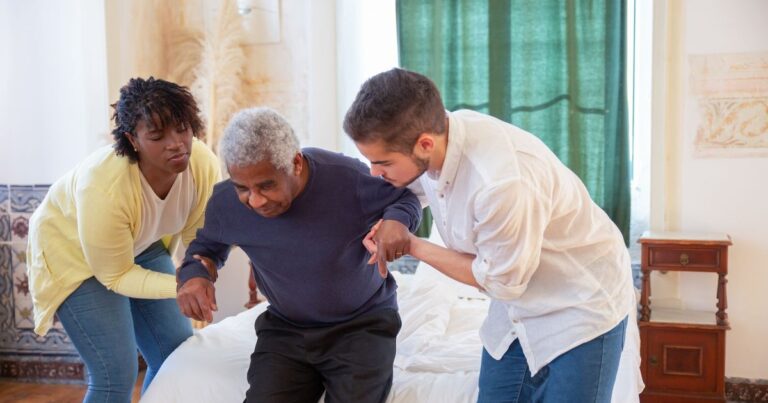
Assistance with activities of daily living (ADLs)—bathing, dressing, grooming, toileting, mobility. No medical training required. Suitable for: seniors with mobility limitations, post-surgical recovery, arthritis, general aging.
Level 3: Home Health Aide Services
Personal care PLUS basic health monitoring, medication reminders, vital sign checks. Still non-medical but more health-focused. Suitable for: seniors with chronic conditions, post-hospitalization, early recovery.
Level 4: Skilled Nursing Care
Licensed registered nurses (RNs) providing medical care, wound care, IV therapy, medication administration, medical oversight. Suitable for: post-surgical recovery, serious illness, complex medications, end-of-life care.
💙 ROBERT’S STORY: Finding the Right Care Level
Robert, 76, suffered a stroke. Initially, his family hired full-time skilled nursing care at $25/hour. After 6 weeks of recovery, Robert regained independence but still needed assistance with bathing and mobility. ProLife HC assessed his needs and shifted to personal care services ($18/hour) plus weekly nursing checks. Result: Same quality care at 40% lower cost while Robert achieved his rehabilitation goals.
1. Companion Care
The most basic and affordable form of home care, companion care focuses on social engagement and reminders for daily activities.
What Companion Care Includes
- Social conversation and emotional support
- Reminders about meals, medications, appointments
- Light housekeeping (tidying, dishes)
- Running errands (groceries, pharmacy)
- Transportation to appointments and activities
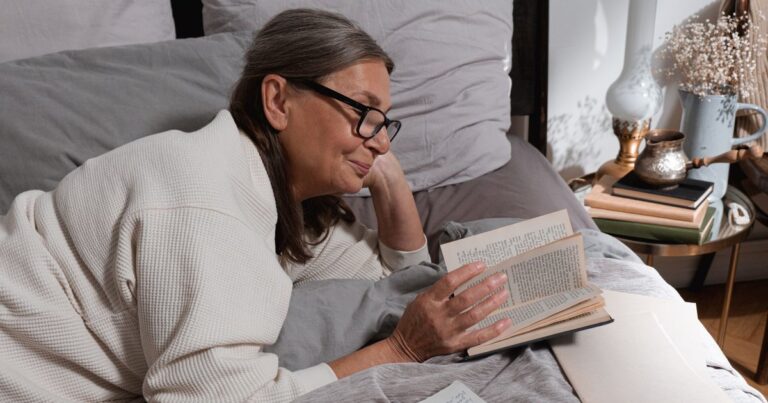
- Engaging in activities (games, reading, movies)
What It Does NOT Include
- Assistance with bathing or personal hygiene
- Medical monitoring
- Medication administration
- Health advice
Cost
$15-20/hour in Brooklyn (least expensive option)
Best For
- Seniors living independently but at risk of isolation
- Early-stage aging where independence is maintained
- Supplemental support alongside family caregiving
- Budget-conscious families
2. Personal Care Services
Personal care assistants (aides) help with activities of daily living—the things seniors need help with due to mobility, strength, or safety limitations.
What Personal Care Includes
- Assistance with bathing and shower
- Dressing and grooming
- Toileting and incontinence care
- Mobility assistance (walking, transfers, stairs)
- Light meal preparation
- Housekeeping and laundry
- Medication reminders (not administration)
- Vital sign monitoring (blood pressure, temperature)
Cost
$18-25/hour in Brooklyn
Training Requirements
Certified Nursing Assistants (CNAs) are recommended but not always required. CNAs have basic medical training and CPR certification.
Best For
- Seniors with mobility limitations
- Post-surgical recovery
- Chronic conditions affecting independence
- Seniors needing hands-on daily support
💡 PRO TIP: CNA vs. Non-Certified Aide
Certified Nursing Assistants (CNAs) have formal training, CPR certification, and understanding of patient safety. Non-certified aides are less expensive but lack formal training. For seniors with health concerns, CNAs are recommended.
3. Home Health Aide Services
Home Health Aides (HHAs) provide personal care PLUS health-related support. They’re trained in basic medical care, vital monitoring, and chronic disease management.
What HHA Services Include
- All personal care services (bathing, dressing, mobility)
- Blood pressure and temperature monitoring
- Blood glucose monitoring (diabetes)
- Medication reminders and organization
- Wound care assistance (dressing changes)
- Catheter care
- Dietary management for chronic conditions
- Exercise and mobility assistance
- Communication with nurses about health changes
Cost
$20-30/hour in Brooklyn
Certification
HHAs are certified and must pass background checks and health screening. They work under nursing supervision.
Best For
- Seniors with chronic diseases (diabetes, heart disease, COPD)
- Post-hospitalization recovery with ongoing monitoring
- Seniors on multiple medications
- Those requiring daily health oversight
4. Skilled Nursing Care
Licensed Registered Nurses (RNs) or Licensed Practical Nurses (LPNs) provide clinical medical care requiring nursing judgment and expertise.
What Skilled Nursing Includes
- Medical assessment and care planning
- Medication administration and management
- Wound care and dressing changes
- IV therapy and injections
- Catheter management
- Physical therapy coordination
- Medical equipment operation (oxygen, CPAP)
- Communication with physicians
- Health crisis assessment and response
Cost
$40-60+/hour in Brooklyn (most expensive, often covered by Medicare/Medicaid for medically necessary care)
Licensing
RNs and LPNs are state-licensed and regulated. RNs have more training and can make more independent clinical decisions.
Best For
- Post-surgical recovery (especially major surgery)
- Serious illness (heart attacks, strokes, pneumonia)
- Complex medications requiring oversight
- End-of-life and palliative care
- Wound care and IV therapy
⚠️ INSURANCE COVERAGE ALERT
Medicare and Medicaid often cover skilled nursing care when medically necessary but require physician orders. They typically do NOT cover companion care or personal care alone. Coverage varies by diagnosis and medical need. ProLife HC handles all insurance verification and paperwork.
5. Specialty Home Care Services
Beyond the main four levels, specialized services address specific conditions.
Dementia Care
Specialized training in managing behavioral challenges, memory loss, confusion, and safety. Caregivers trained in communication techniques, fall prevention, and managing behavioral symptoms.
Palliative and Hospice Care
End-of-life care focused on comfort, dignity, and family support. Includes pain management, spiritual support, and grief counseling.
Post-Surgical Care
Specialized support following major surgery—wound care, medication management, mobility restoration, complication prevention.
Rehabilitation Support
Coordination with physical therapy, occupational therapy, and speech therapy. Encouragement of exercises, safe mobility progression, and independence building.
⭐ KEY TAKEAWAY: Match Care to Need
The best home care is perfectly matched to your loved one’s actual needs—no more, no less. Over-purchasing care wastes money. Under-purchasing risks poor outcomes. ProLife HC assesses needs carefully to ensure appropriate service selection.
Combining Services: The Care Plan
Most seniors benefit from a combination of services. For example:
Post-surgical recovery: Skilled nursing (3 days/week) + Personal care aide (4 days/week)
Chronic disease management: Home health aide (5 days/week) + Nursing visits (weekly)
Dementia care: Companion care (weekdays) + Specialized dementia aide (as needed) + Nursing oversight (as needed)
Choosing the Right Provider
Once you’ve identified the type of care needed, selecting the right agency matters enormously. Look for:
- Proper licensing and certification
- Experience with your loved one’s specific condition
- Thorough background checks on all caregivers
- Clear pricing with no hidden fees
- Insurance verification and billing support
- Available 24/7 for emergencies or issues
- Regular communication and care coordination
Conclusion: The Right Care, the Right Level
Home care services exist across a spectrum from companionship to skilled nursing. Understanding your loved one’s needs and matching them to the appropriate service level ensures quality care at the best value.
Ready to assess your loved one’s care needs? Call (718) 232-2777 for a free care consultation with Anna Kiyauzova, MSN, RN.