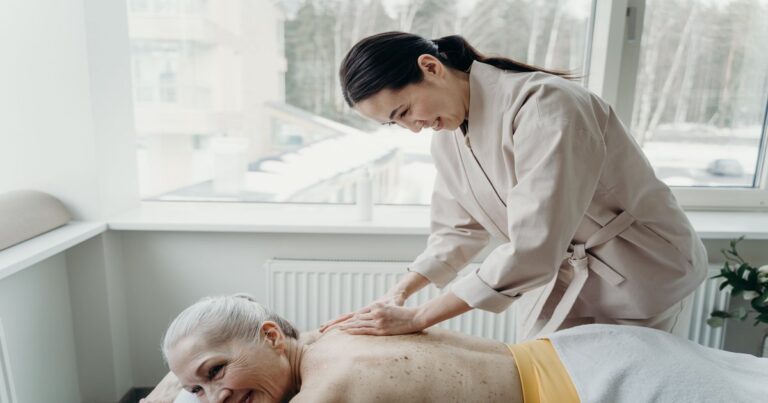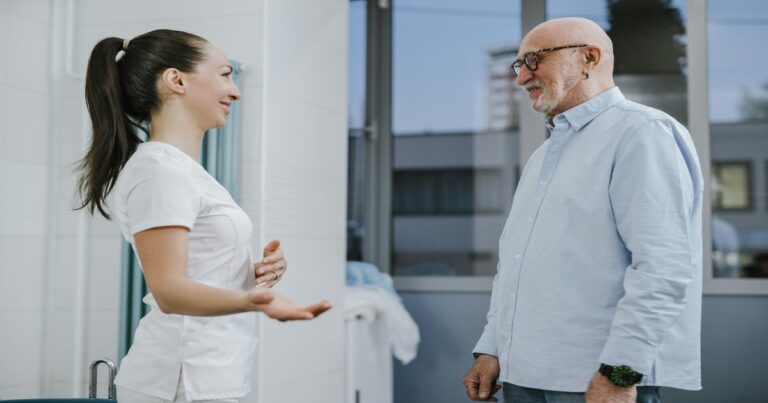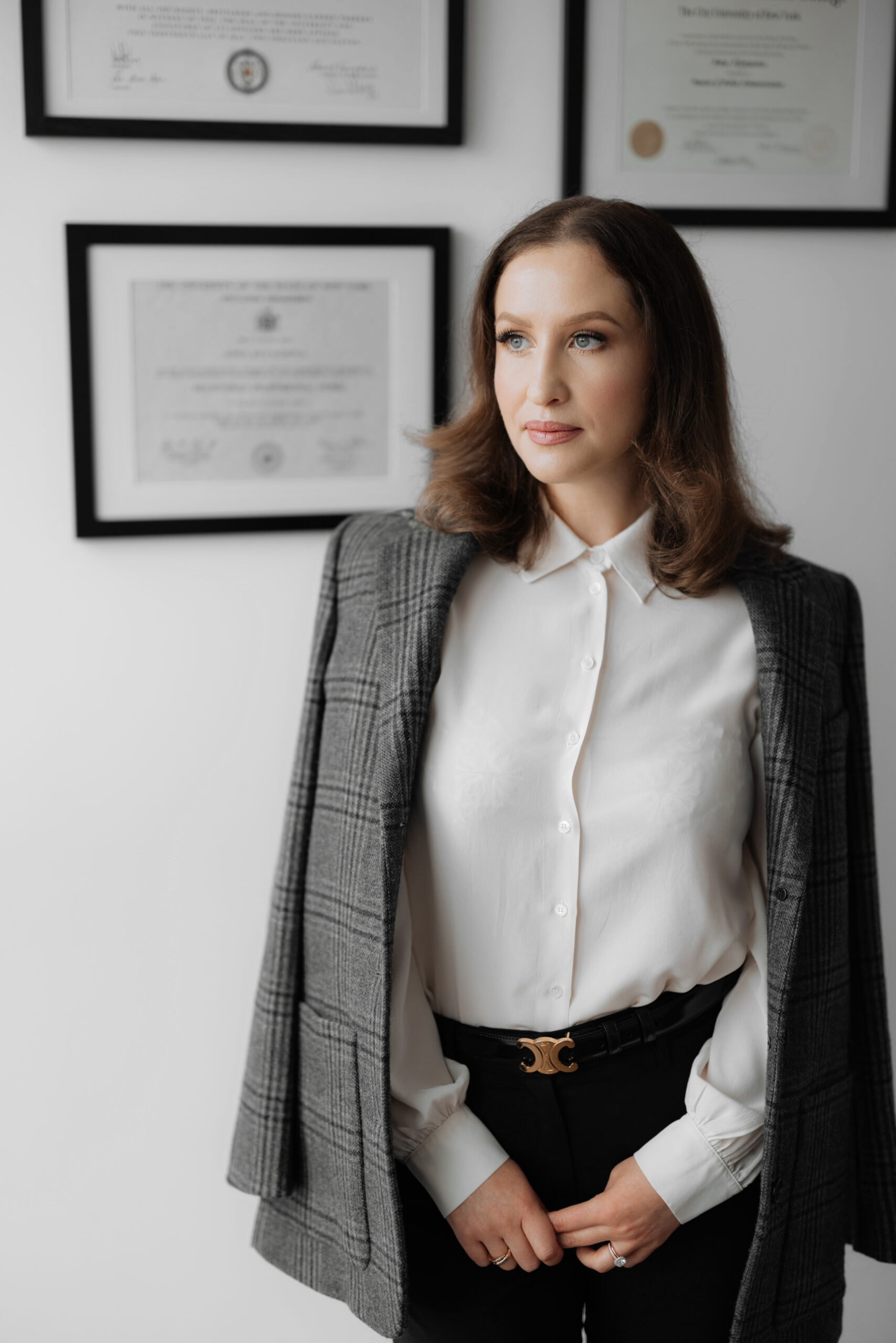

Caring for a loved one with complex medical needs in the heart of New York City requires immense dedication and physical stamina. Our professional In-home respite nursing Manhattan services provide families with the critical opportunity to rest while ensuring their loved ones receive expert clinical supervision. We recognize the unique challenges of high-needs caregiving and offer a compassionate solution that prioritizes medical safety and family well-being. By integrating skilled support into your daily routine, you can maintain a healthy balance in your life while your family member thrives in a familiar environment.
Clinical Quick Answer
Professional In-home respite nursing Manhattan provides short-term medical relief for primary caregivers of patients with advanced illnesses, post-surgical requirements, or chronic disabilities. This specialized service, a hallmark of In-home respite nursing Manhattan, ensures that high-acuity tasks such as ventilator support and wound management are handled by licensed clinicians. Utilizing Manhattan Home Care protocols allows families to prevent burnout while maintaining the highest standard of clinical safety for their loved ones at home.
The Critical Role of In-home Respite Nursing Manhattan
In the fast-paced environment of New York City, families often face significant hurdles when coordinating long-term care for high-needs patients. In-home respite nursing Manhattan serves as a bridge between hospital-level care and daily home living. This service is specifically designed for patients who require more than just basic assistance with activities of daily living; they require the clinical judgment and intervention of a Registered Nurse (RN) or Licensed Practical Nurse (LPN). Whether the need arises from a neurodegenerative disease, a complex recovery from major surgery, or congenital conditions, respite nursing provides the necessary oversight to prevent complications.
- Providing temporary relief for primary caregivers to prevent physical and emotional exhaustion, often referred to as caregiver burnout.
- Maintaining clinical continuity by having a licensed professional monitor vital signs, lung sounds, and neurological status;
- Bridging the gap during family vacations, holidays, or emergency situations where the primary caregiver is unavailable.
- Offering a “second set of eyes” on the patient’s condition, which can lead to early detection of infections or clinical decline.
- Facilitating transitions from acute care facilities back to a home setting in Manhattan’s unique vertical living environments.
Comprehensive Medical Management for High-Needs Patients
Patients with complex medical profiles often require interventions that go beyond the scope of a home health aide. Manhattan Home Care ensures that every respite nurse is equipped to handle sophisticated medical equipment and pharmacological regimens. In-home respite nursing Manhattan includes the management of IV therapies, enteral feedings, and respiratory treatments that are essential for the patient’s stability. By having a nurse present, the risks associated with medication errors or equipment failure are significantly mitigated.
- Complex medication administration, including injections, IV infusions, and the management of high-risk drugs like anticoagulants or insulin.
- Respiratory support and airway management, including tracheostomy care, suctioning, and ventilator monitoring for patients with compromised breathing.
- Wound care and pressure ulcer management, utilizing sterile techniques to promote healing and prevent secondary infections.
- Tube feeding management, including the maintenance of PEG tubes and G-tubes, ensuring proper nutritional intake and hydration.
- Catheter and ostomy care, focusing on hygiene, infection prevention, and skin integrity around the stoma or insertion site.
Psychological Benefits of Professional Respite Care
The emotional burden of caregiving is often underestimated, particularly in high-stakes medical situations. When families utilize In-home respite nursing Manhattan, they are investing in the mental health of the entire household. Knowing that a qualified professional is at the bedside allows the primary caregiver to sleep, exercise, or attend to other family members without the constant shadow of anxiety. This professional support helps preserve the relationship between the caregiver and the patient, preventing the resentment and fatigue that can arise from 24/7 care responsibilities.
- Reduction in caregiver stress levels, which has been clinically linked to better health outcomes for the caregiver.
- Enhanced quality of life for the patient through professional social interaction and specialized clinical attention.
- Prevention of isolation for the primary caregiver by allowing them to maintain social connections and community involvement.
- Increased confidence in the home care plan, as the respite nurse can provide education and tips to the family.
- Stabilization of the home environment, reducing the “crisis mode” that many families experience when managing chronic illness alone.
Navigating the NYC Home Care Landscape
Manhattan presents unique logistical challenges, from narrow elevator buildings to the complexities of navigating transportation for medical supplies. Manhattan Home Care providers are adept at working within these urban constraints. When selecting In-home respite nursing Manhattan, it is essential to work with an agency that understands the local hospital systems, such as Mount Sinai, NYU Langone, and New York-Presbyterian. This local expertise ensures that the nurse can effectively communicate with the patient’s existing medical team and navigate the specific healthcare resources available in the city.
- Expertise in Manhattan-specific logistics, ensuring nurses arrive on time despite the city’s transit and traffic challenges.
- Coordination with local pharmacies and medical supply companies to ensure continuous access to necessary medications and equipment.
- Familiarity with the discharge protocols of major NYC medical centers to provide seamless care transitions.
- Ability to adapt care delivery to various living environments, from historic brownstones to modern high-rise apartments.
- Access to a network of local specialists and therapists who can complement the nursing care provided at home.
Quality Standards and Clinical Competency
Safety is the paramount concern when inviting a healthcare professional into the home. In-home respite nursing Manhattan adheres to strict New York State Department of Health regulations. Every nurse undergoes rigorous background checks, competency testing, and ongoing clinical education. This ensures that they are not only technically proficient but also current with the latest evidence-based practices in home health. For high-needs patients, this level of scrutiny is non-negotiable, as it provides the foundation for safe, effective care during the respite period.
- Verification of active NYS licensure for all Registered Nurses and Licensed Practical Nurses.
- Regular clinical supervision and performance evaluations by Nursing Supervisors to ensure adherence to care plans.
- Specialized training in emergency protocols, including BLS (Basic Life Support) and specialized intervention for the patient’s specific condition.
- Adherence to strict infection control protocols, which is especially critical for immunocompromised or post-surgical patients.
- Detailed documentation of every visit, ensuring that the primary caregiver and the physician have a clear record of the patient’s status.
Planning for Respite: A Strategic Approach
Respite care is most effective when it is a planned part of a long-term care strategy rather than a last-minute reaction to a crisis. Manhattan Home Care encourages families to establish a relationship with a respite provider early. This allows the nurse to become familiar with the patient’s routines, preferences, and medical nuances before they are needed for an extended period. In-home respite nursing Manhattan can be scheduled for a few hours a week, overnight shifts, or even multi-day periods, depending on the family’s needs and the patient’s clinical requirements.
- Developing a customized care plan that outlines the specific duties of the respite nurse and the goals of the care period.
- Conducting an initial assessment in the home to identify any safety concerns or specific medical needs.
- Scheduling regular “trial shifts” to help the patient and the nurse build rapport and trust.
- Identifying funding options, including private pay, long-term care insurance, or specific NYC-based programs that may cover respite services.
- Creating a comprehensive “home manual” that includes emergency contacts, doctor information, and the patient’s daily schedule for the nurse.
Nurse Insight: In my experience, families often wait too long to ask for help, fearing that bringing in a nurse means they are “giving up” on their caregiving role. On the contrary, In-home respite nursing Manhattan is a tool for sustainability. I have seen that when caregivers take regular breaks, the patient actually receives better care because the caregiver returns refreshed and more alert. Don’t wait for a medical emergency of your own to seek the professional support that Manhattan Home Care can provide.
Frequently Asked Questions
What is the main difference between a home health aide and a respite nurse?
How quickly can respite nursing be arranged in Manhattan?
Does insurance or Medicaid cover respite nursing services?
Can a respite nurse care for a patient on a ventilator?
Is respite care available for just a few hours, or does it have to be overnight?
Contact ProLife Home Care NYC for a free clinical assessment:(718) 232 – 2777