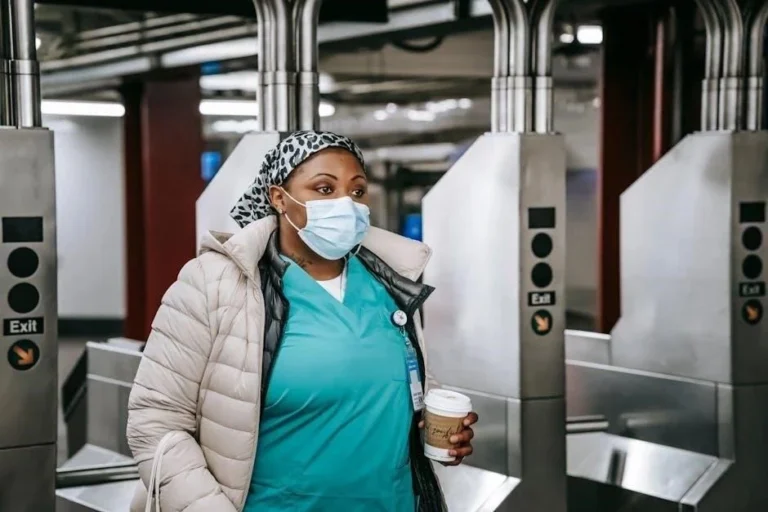
As a senior registered nurse with extensive experience in the New York healthcare corridor, I have guided countless families through the complexities of transitioning from Northwell Syosset Hospital home health settings back to a stable domestic environment. It is my professional observation that the success of a patient’s recovery depends heavily on the continuity of clinical expertise provided once they leave the acute care facility. My goal is to ensure that residents in the Syosset area understand the vital necessity of professional oversight during the first few weeks of post-hospitalization healing. In New York, where the healthcare system can be overwhelming, having a clear clinical plan is the first step toward a full recovery.
Syosset Healing: Professional RN Oversight After Syosset Hospitalization ensures that patients transitioning from Northwell Syosset Hospital home health services receive high-level Skilled Nursing at home. This specialized care focuses on medication management, clinical assessment, and wound care to prevent complications and reduce the risk of returning to the hospital. By providing professional RN monitoring, we bridge the gap between the hospital discharge and long-term wellness.
From my perspective as a clinical professional in New York, the single biggest mistake families make is underestimating the “fragility window”-the first 72 hours following a discharge from Northwell Syosset Hospital home health programs. During this time, patients often face “polypharmacy” risks where new prescriptions conflict with old ones, leading to dizziness or hypotension. Without a Skilled Nursing professional to perform a physical assessment and medication reconciliation immediately upon arrival at home, the risk of a fall or a secondary infection increases by nearly forty percent. Real clinical insight suggests that monitoring subtle changes in lung sounds or pedal edema can be the difference between a steady recovery and an emergency room visit.
Understanding the Transition from Northwell Syosset Hospital Home Health to Residential Care
The healthcare landscape in New York, particularly within the Northwell Health system, is designed for high-efficiency acute care. When a patient is ready to leave the Syosset facility, they are often transitioned into a Northwell Syosset Hospital home health framework. However, the intensity of this care can vary significantly based on the patient's insurance and clinical needs. It is crucial for families to realize that the “home health” label does not always mean 24/7 medical supervision. In many cases, it involves periodic visits from therapists or nurses, leaving large gaps in time where the patient is left to their own devices or the care of untrained family members.
Professional RN oversight fills these gaps by providing a higher level of Skilled Nursing that focuses on the “whole patient.” In the Syosset and broader Long Island area, we see a high concentration of geriatric patients with multiple comorbidities. For these individuals, the healing process is not linear. A patient recovering from a hip replacement may also have underlying congestive heart failure or Type 2 diabetes. When the primary focus is on the surgical site, these chronic conditions can flare up due to the stress of surgery and the change in environment. A skilled nurse is trained to look beyond the primary diagnosis to ensure the entire biological system remains in balance.
- Comprehensive Medication Reconciliation: Comparing discharge orders with pre-hospitalization medications to prevent dangerous interactions.
- Vital Sign Trending: Looking for patterns in blood pressure and heart rate that indicate underlying stress or infection.
- Patient and Caregiver Education: Teaching the family how to identify “red flag” symptoms before they become emergencies.
- Coordination of Care: Acting as a liaison between the Syosset hospitalists, primary care physicians, and the home care agency.
The Vital Importance of Skilled Nursing in Post-Surgical Recovery
Surgery at Northwell Syosset Hospital often involves state-of-the-art techniques, but the post-surgical recovery phase at home is where the real work begins. Skilled Nursing is not a luxury; it is a clinical requirement for those undergoing complex procedures. In New York, where healthcare standards are high, the expectation for post-operative outcomes is equally high. To meet these expectations, professional RNs manage everything from sophisticated wound VAC systems to the administration of subcutaneous injections and IV antibiotics.
One of the most significant risks after any surgery is the development of a Deep Vein Thrombosis (DVT) or a pulmonary embolism. While the hospital provides initial prophylaxis, the continuation of these protocols at home is where many failures occur. A professional nurse ensures that anticoagulant therapy is administered correctly and that the patient is adhering to mobility goals. Furthermore, wound care in a home environment carries a higher risk of contamination than in a sterile hospital room. An RN providing Skilled Nursing services will monitor the incision site for erythema, purulent drainage, or dehiscence, ensuring that any sign of infection is caught early enough to be treated with oral antibiotics rather than another hospital stay.
Beyond the physical wounds, there is the psychological component of healing. Many patients experience “post-hospital syndrome,” a state of generalized vulnerability. Having a consistent, professional clinical presence reduces anxiety for both the patient and the family. This psychological stability is a known factor in improving physiological healing rates. When a patient feels safe and monitored, their cortisol levels remain lower, allowing their immune system to focus entirely on tissue repair.
Navigating the NYC Healthcare System and Readmission Risks
In New York City and its surrounding suburbs like Syosset, the rate of hospital readmission is a closely watched metric. Hospitals are penalized for readmissions within 30 days, but the real victim of a readmission is always the patient. Every time a patient is re-hospitalized, their risk of acquiring a healthcare-associated infection (HAI) increases. Therefore, the goal of Syosset Healing: Professional RN Oversight After Syosset Hospitalization is to keep the patient out of the hospital entirely once they have been discharged.
The complexity of the New York healthcare system means that discharge paperwork can be dozens of pages long, filled with clinical jargon that is difficult for a layperson to navigate. Skilled Nursing professionals translate this information into an actionable daily care plan. They ensure that follow-up appointments are kept and that the results of any home-based lab tests are communicated immediately to the relevant doctors. This proactive communication is often what prevents a minor issue-like a slight electrolyte imbalance-from turning into a major clinical crisis.
Practical steps for families in the Syosset area include:
- Secure a Clinical Lead: Before the patient leaves Northwell Syosset, identify who will be the primary RN overseeing the home transition.
- Home Environment Assessment: Have a professional evaluate the home for trip hazards, lighting, and the accessibility of medical supplies.
- Emergency Protocol: Establish a clear “who to call” list that begins with the Skilled Nursing provider rather than immediately dialing 911 for non-life-threatening concerns.
- Nutrition and Hydration Tracking: Ensure the patient is receiving the correct diet to support tissue repair and prevent dehydration.
Chronic Disease Management Within the Home Health Framework
Many patients discharged from Northwell Syosset Hospital home health services are managing chronic conditions such as Chronic Obstructive Pulmonary Disease (COPD) or heart failure. These conditions require constant vigilance. For instance, a weight gain of just two or three pounds in 24 hours can indicate a dangerous fluid buildup for a heart failure patient. A family member might not notice this, but a nurse providing Skilled Nursing will catch it during a routine morning assessment.
In the context of Syosset healing, managing these chronic conditions involves more than just monitoring; it involves active clinical intervention. This might include adjusting oxygen flow rates based on pulse oximetry readings or ensuring that a diabetic patient's blood glucose levels remain stable despite changes in their activity level or appetite. The RN acts as the “eyes and ears” of the physician, providing the data necessary for the doctor to make informed decisions without requiring the patient to travel to an office, which can be exhausting and risky during the early stages of recovery.
Professional oversight also includes the management of medical equipment. Many patients return home with oxygen concentrators, nebulizers, or CPAP machines. Ensuring this equipment is functioning correctly and that the patient is using it as prescribed is a core component of Skilled Nursing. Improper use of medical equipment is a common cause of re-hospitalization in New York, and it is entirely preventable with professional guidance.

The Role of RNs in Preventing Infection and Sepsis
Sepsis is a leading cause of death in hospitals, but many cases actually begin in the home after a surgical procedure or an untreated urinary tract infection (UTI). For patients coming out of Northwell Syosset Hospital home health programs, the risk of infection is a constant shadow. Skilled Nursing professionals are trained in aseptic techniques and are vigilant in monitoring for the early signs of systemic inflammatory response syndrome (SIRS).
In older adults, an infection may not present with a high fever. Instead, it might manifest as sudden confusion, lethargy, or a decrease in appetite. These atypical presentations are frequently missed by non-clinicians. An RN providing Syosset Healing oversight understands these nuances. By performing regular physical exams and monitoring cognitive status, they can identify an infection in its earliest, most treatable stage; This level of professional RN oversight is particularly critical for immunocompromised patients or those with poor peripheral circulation.
- Incision Monitoring: Checking for heat, swelling, and specific types of drainage.
- Temperature Trending: Not just a single reading, but tracking fluctuations over time.
- Hydration Status: Ensuring adequate fluid intake to flush toxins and support kidney function.
- Lab Work Coordination: Drawing blood at home to check white blood cell counts and other inflammatory markers.
Empowering Families Through Professional Guidance
The ultimate goal of Syosset Healing: Professional RN Oversight After Syosset Hospitalization is to empower the patient and their family to eventually manage care independently. Skilled Nursing is a bridge, not a permanent crutch. During the time a professional nurse is in the home, they are constantly teaching. They show the spouse how to safely assist with transfers; they teach the adult child how to organize the pillbox; and they help the patient regain the confidence needed to perform activities of daily living.
In the New York healthcare environment, where the pace is fast and the pressure is high, this personalized education is often lost in the hospital setting. The home environment provides the perfect classroom. By the time the professional RN oversight is no longer needed, the family has been transformed from anxious bystanders into competent members of the care team. This transition from professional dependence to self-management is the hallmark of a successful recovery process. It ensures that the healing started at Northwell Syosset Hospital is completed successfully at home, leading to a higher quality of life and long-term health stability.
| Service | What It Includes | Why It Matters<br /> |
|---|---|---|
| Medication Management | Review of all prescriptions and dosages | Prevents adverse drug reactions and errors |
| Clinical Assessment | Full body systems review and vital signs | Early detection of complications like infection |
| Wound and Drain Care | Dressing changes and site monitoring | Reduces the risk of sepsis and promotes healing |
ProLife Home Care is the premier choice for families navigating the recovery process because we combine clinical excellence with a deep understanding of the New York healthcare landscape. Our team ensures that your transition from Northwell Syosset Hospital is safe, professional, and tailored to your specific medical needs. Learn more about how we can support your journey through our skilled nursing services today.
Contact ProLife Home Care NYC for a free clinical assessment:(718) 232 – 2777Frequently Asked Questions
Why is RN oversight important after Syosset hospitalization?
RN oversight is crucial because it provides professional clinical monitoring during the highest-risk period of recovery, ensuring that any medical changes are addressed before they become emergencies.
How does Skilled Nursing help during Syosset healing?
Skilled Nursing provides advanced medical care such as wound management, IV therapy, and medication reconciliation that family members are not trained to perform.
What makes professional oversight necessary for Syosset patients?
Patients leaving Northwell Syosset often have complex needs that require a professional to bridge the gap between hospital-level care and home-based recovery.
How does Syosset Healing differ from standard home care?
Syosset Healing focuses specifically on professional RN-led clinical oversight and Skilled Nursing rather than just basic personal care or companionship.
When should RN oversight begin after leaving the hospital?
Professional RN oversight should ideally begin within 24 hours of discharge to ensure all medications are correct and the home environment is safe for recovery.
Contact ProLife Home Care NYC for a free clinical assessment: (718) 232-2777