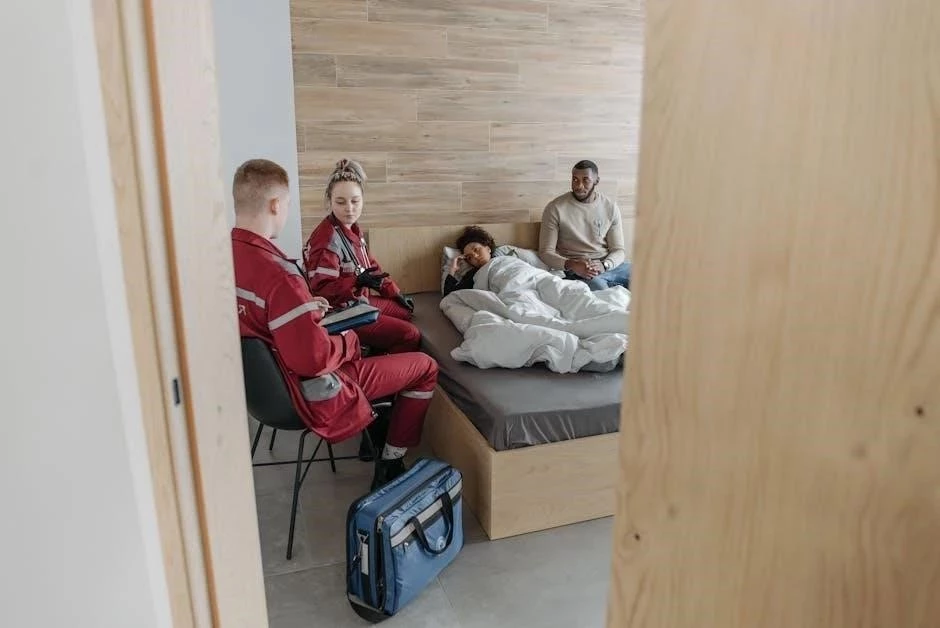
As a senior Registered Nurse with years of experience navigating the fast-paced New York City healthcare system, I have seen firsthand how critical the transition from a clinical setting to a home environment can be for patients. Lenox Health Greenwich Village provides exceptional emergency and ambulatory care, but the real work of recovery often begins the moment a patient returns to their West Village residence. Providing professional oversight during this vulnerable window is essential for preventing complications and ensuring a safe return to daily activities. My goal is to help families understand that clinical excellence must follow the patient home to achieve the best possible health outcomes.
Village recovery focuses on providing specialized private nursing and home care services for patients transitioning out of Lenox Health Greenwich Village to ensure medical stability and safety. By utilizing Lenox Health Greenwich Village home care and professional West Village Aide Support, patients receive personalized medical monitoring and assistance with daily living tailored to the unique layout of Manhattan homes.
From a clinical perspective, the greatest risk for patients leaving an emergency department or ambulatory surgery center in the West Village is the “gap in care” during the first 48 hours post-discharge. Many patients underestimate the physical toll of navigating a historic West Village apartment, where narrow hallways and stairs can lead to falls or wound dehiscence. A common mistake is failing to have a professional nurse reconcile medications immediately; I have frequently seen patients accidentally double-dose on pain management or miss critical anticoagulants because they were overwhelmed by the discharge instructions. Timing is everything-having a nurse on-site for the first night can mean the difference between a steady recovery and an unnecessary ER readmission.
The healthcare landscape in Manhattan is unique, characterized by world-class medical facilities nestled within historic, often challenging, residential neighborhoods. Lenox Health Greenwich Village (LHGV) serves as a vital hub for the community, offering 24-hour emergency care and sophisticated imaging and surgical services. However, because LHGV is an ambulatory and emergency-focused facility rather than a traditional long-term inpatient hospital, the discharge process often happens more rapidly than patients expect. This makes the implementation of Lenox Health Greenwich Village home care a non-negotiable component of a successful recovery plan.
Transitioning from Emergency Care to Home-Based Recovery
- Immediate Post-Discharge Monitoring: The first few hours after leaving an emergency or surgical suite are critical for monitoring vital signs and anesthesia wear-off.
- Medication Reconciliation: Nurses ensure that new prescriptions from LHGV do not conflict with the patient's existing home medications.
- Wound and Incision Care: Professional dressing changes prevent infections that could otherwise lead to systemic complications.
- Symptom Management: Skilled nurses can distinguish between normal post-procedural discomfort and red-flag symptoms that require immediate intervention.
- Patient and Family Education: Translating complex medical jargon into actionable daily care steps for the family.
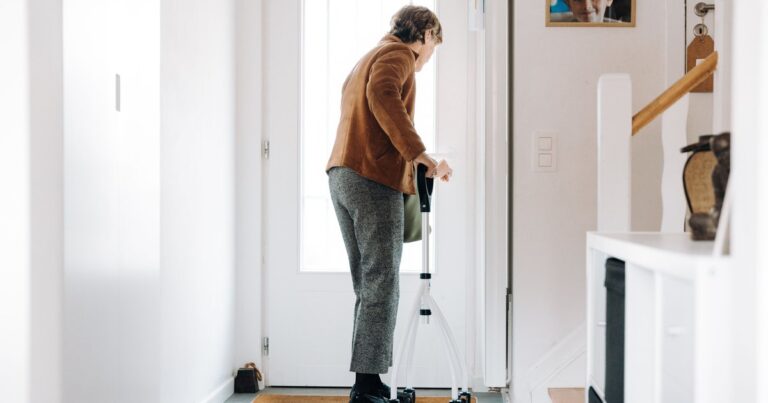
When a patient is discharged from Lenox Health Greenwich Village, they are often sent home with a list of instructions that can feel overwhelming. In the West Village, where many residents live in older buildings or high-rises, the physical act of getting into the apartment and settling into bed can be a medical event in itself. This is where West Village Aide Support becomes invaluable. Aides provide the physical stamina and logistical help that family members may not be able to provide, especially when dealing with mobility restrictions or specialized equipment like oxygen concentrators or walkers.
The Role of West Village Aide Support in Daily Safety
- Mobility Assistance: Navigating the tight spaces, stairs, and elevators common in West Village architecture.
- Fall Prevention: Identifying trip hazards such as rugs or cluttered walkways that are common in smaller Manhattan footprints.
- Personal Care and Hygiene: Assisting with bathing and dressing while maintaining the integrity of surgical sites or intravenous lines.
- Nutritional Support: Preparing meals that adhere to specific post-discharge dietary requirements, such as low-sodium or soft-food diets.
- Emotional Companionship: Reducing the anxiety that often accompanies a sudden medical emergency or surgery.
The clinical necessity for private nursing in the West Village cannot be overstated. Unlike traditional home health agencies that may only visit for an hour a few times a week, private nursing offers continuous, one-on-one attention. This is particularly important for the elderly population in the Village who may be living alone. A professional nurse acts as a bridge between the patient and the physicians at Northwell Health, ensuring that any changes in status are reported and managed in real-time. This proactive approach is the hallmark of high-quality Lenox Health Greenwich Village home care.
Addressing Clinical Risks in the West Village Environment
- Prevention of Hospital Readmission: Continuous monitoring significantly lowers the statistical likelihood of returning to the ER.
- Pain Optimization: Nurses can administer or oversee pain protocols to ensure the patient remains comfortable without over-sedation.
- Durable Medical Equipment (DME) Coordination: Ensuring that hospital beds, commodes, or lifts are correctly installed in limited city spaces.
- Coordination with Specialists: Acting as a liaison between the primary care physician and any specialists seen at LHGV.
- Hydration and IV Therapy: Many patients leave the ER dehydrated; home nurses can manage IV fluids if prescribed, preventing further complications.
Furthermore, the logistical challenges of NYC living require a specific type of care provider. West Village Aide Support isn’t just about help; it’s about local expertise. Knowing the neighborhood, the local pharmacies that deliver, and the fastest way to navigate the streets for errands allows the patient to focus entirely on healing. Recovery is not just a biological process; it is an environmental one. If the environment is stressful or physically taxing, the biological recovery will be delayed. By bringing in professional support, the home is transformed into a sanctuary for healing.
Establishing a Comprehensive Care Plan for Village Recovery
- Initial Assessment: A pre-discharge or immediate post-discharge assessment of the home and the patient's clinical status.
- Customized Care Scheduling: Transitioning from 24/7 care to hourly support as the patient gains independence.
- Safety Protocols: Implementation of specific protocols for nighttime safety, which is when the majority of home accidents occur.
- Communication Logs: Maintaining detailed records for the family and medical team to track progress or regression.
- Emergency Preparedness: Having a clear, professional plan in place should the patient's condition take an unexpected turn.
The complexity of modern medicine means that even “minor” visits to an emergency center like Lenox Health Greenwich Village can have lasting impacts on a patient’s stamina and cognitive function, especially if sedation was involved. Private nursing ensures that the “whole person” is cared for-not just the specific injury or illness that prompted the visit. This holistic view is what defines premium home care in Manhattan. It allows New Yorkers to stay in their beloved neighborhoods while receiving a level of care that rivals an inpatient facility.

Long-Term Benefits of Professional Home-Based Support
- Faster Recovery Times: Patients who feel safe and well-supported typically reach their recovery milestones more quickly.
- Preservation of Independence: Professional help allows patients to stay in their own homes rather than moving to a rehab facility.
- Family Peace of Mind: Relieving the burden of medical care from family members allows them to focus on emotional support.
- Continuity of Care: Ensuring that the transition from the high-tech environment of LHGV to the home is seamless and professional.
- Advocacy: Having a medical professional who can advocate for the patient's needs within the larger NYC healthcare system.
Ultimately, the goal of Village recovery is to restore the patient to their baseline health as safely and efficiently as possible. Utilizing Lenox Health Greenwich Village home care and West Village Aide Support provides a safety net that protects the patient's health, the family's well-being, and the successful outcome of the medical interventions received at the hospital. In a city that never sleeps, having a dedicated professional to watch over a recovering loved one is the ultimate luxury and a clinical necessity.
ProLife Home Care is the premier choice for Village recovery because we understand the specific clinical and logistical needs of West Village residents. Our team provides the expert oversight and compassionate assistance required to bridge the gap between hospital and home. Discover how we can help your family by visiting ProLife Home Care.
| Service | What It Includes | Why It Matters<br /> |
|---|---|---|
| Clinical RN Oversight | Medication management and vital monitoring | Prevents errors and hospital readmissions |
| Mobility Assistance | Transfers, walking aid, and fall prevention | Ensures safety in narrow West Village layouts |
| Post-Surgical Care | Wound care and dressing changes | Minimizes infection risks after LHGV procedures |
| Aide Companion Care | Meal prep, light housekeeping, and errands | Reduces physical strain on the recovering patient |
| Care Coordination | Communication with LHGV and specialists | Ensures all doctors are on the same page |
Frequently Asked Questions
What is the main benefit of private nursing for Village Recovery after leaving Lenox Health GV?
It provides continuous medical monitoring and professional medication management, which are crucial for preventing readmissions during the first few days at home;
How does West Village Aide Support help with the local geography?
Aides are experienced in navigating historic buildings, managing stairs, and coordinating with local pharmacies and services unique to the West Village area.
Can Lenox Health Greenwich Village home care be customized for different needs?
Yes, care plans are tailored to the specific medical requirements of the patient, ranging from 24/7 nursing to a few hours of aide support daily.
Is it safe to recover in a West Village apartment after an emergency visit?
Recovery is much safer when professional help is present to modify the environment, manage mobility, and monitor for any signs of physical distress.
Why shouldn’t I just rely on family for my Village Recovery?
While family support is vital, they often lack the clinical training to spot early warning signs of complications or the physical training to perform safe transfers and wound care.
Contact ProLife Home Care NYC for a free clinical assessment: (718) 232-2777