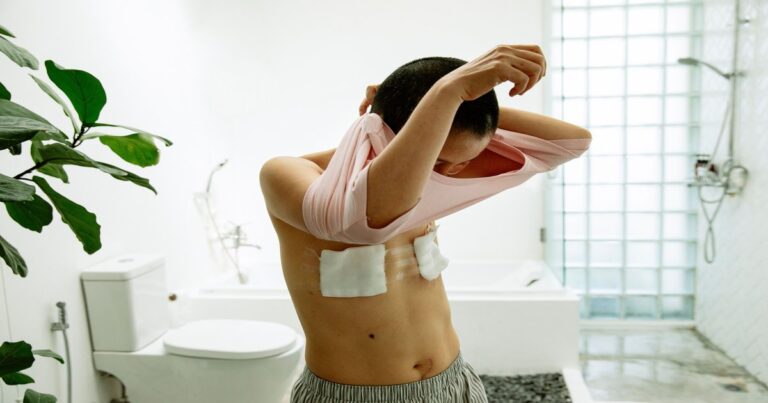
Knee Recovery: specialized Pain Management and Mobility
Navigate the concrete jungle after surgery! Learn the secrets of Knee Recovery: specialized Pain Management and Mobility from a top New York registered nurse.
Anna Klyauzova, MSN, RNDirector of Patient Services · ProLife Home Care
✓ Medically reviewed
Updated 9 min read
Short answer
Navigate the concrete jungle after surgery! Learn the secrets of Knee Recovery: specialized Pain Management and Mobility from a top New York registered nurse.
As a senior registered nurse operating within the complex healthcare landscape of New York, I have seen firsthand how critical the initial weeks of Knee Recovery: specialized Pain Management and Mobility are for long-term success. Navigating the recovery process in NYC requires a strategic approach that accounts for the unique challenges of urban living, from narrow apartment layouts to the necessity of rapid rehabilitation. My role is to ensure that patients transitioning from the hospital to their homes receive the highest level of clinical oversight to prevent complications and restore function. By integrating advanced nursing protocols with personalized care plans, we help New Yorkers reclaim their independence and return to the activities they love most.
Successful Knee Recovery: specialized Pain Management and Mobility is achieved through a combination of early ambulation, rigorous medication adherence, and professional wound monitoring. Utilizing Skilled Nursing services allows for the clinical management of pain through multimodal strategies while ensuring that physical therapy goals are met without the risk of overexertion or injury.
Service
What It Includes
Why It Matters
Pain Management
Medication scheduling and cryotherapy
Prevents stiffness and allows for therapy progress.
Wound Care
Dressing changes and infection monitoring
Reduces the risk of surgical site infections and readmission.
Mobility Assistance
Gait training and transfer techniques
Ensures safety and prevents falls in the home environment.
Clinical Monitoring
Vitals and DVT screenings
Catches life-threatening complications before they escalate.
Frequently asked questions
How does specialized pain management help knee recovery?
It uses a multimodal approach to reduce discomfort, allowing patients to participate fully in physical therapy without the debilitating effects of high-dose opioids.
What role does mobility play in long-term success?
Early and frequent mobility prevents the formation of scar tissue and ensures the prosthetic joint reaches its full range of motion.
Can I manage knee recovery at home without professional help?
While possible, it is risky; Skilled Nursing provides the clinical oversight necessary to prevent infections, blood clots, and improper healing that family members may miss.
What are the specific challenges of knee recovery in NYC?
NYC challenges include navigating small living spaces, manageing steps in walk-up buildings, and the logistical difficulty of attending frequent outpatient appointments early in recovery.
How soon should mobility training start after surgery?
Mobility training typically begins within 24 hours of surgery to promote blood flow and joint flexibility, making home nursing essential for those discharged quickly.
Contact ProLife Home Care NYC for a free clinical assessment:(718) 232 – 2777
Questions answered in this article
How does specialized pain management help knee recovery?
It uses a multimodal approach to reduce discomfort, allowing patients to participate fully in physical therapy without the debilitating effects of high-dose opioids.
Can I manage knee recovery at home without professional help?
While possible, it is risky; Skilled Nursing provides the clinical oversight necessary to prevent infections, blood clots, and improper healing that family members may miss.
What are the specific challenges of knee recovery in NYC?
NYC challenges include navigating small living spaces, manageing steps in walk-up buildings, and the logistical difficulty of attending frequent outpatient appointments early in recovery.
How soon should mobility training start after surgery?
Mobility training typically begins within 24 hours of surgery to promote blood flow and joint flexibility, making home nursing essential for those discharged quickly. Contact ProLife Home Care NYC for a free clinical assessment:(718) 232 – 2777
14 years in clinical nursing9 years in home careMS, Nursing AdministrationMPA
She has nursed since 2011, at Jacobi Medical Center and then at Mount Sinai, where she ran an operating room team before co-founding ProLife Home Care in 2017. Her profile is public on LinkedIn, and the agency licence is public on NYS Health Profiles.
✓ Got it. Your request is with a coordinator, and we will call you back.
When do you need to start?
Your information is private and secure.
Cookies are small files your browser keeps. Some run the site, the rest just show us which pages people find useful. We don’t sell any of it.The details.
You can change this any time.
Your choice
Either way is fine. Nothing here affects your care, your application, or what you pay.
Changed your mind later? The Cookies link at the bottom of any page brings this back. Full details in our Privacy Policy.