Post-Surgical Home Care in Brooklyn
Professional recovery support after your surgery - with skilled nurses, wound care, and rehabilitation right at home
Why Post-Surgical Home Care Matters in Brooklyn
The first weeks after surgery are critical. Your body is healing, medications need careful management, and complications can develop quietly. Professional home care bridges the gap between the hospital and full recovery-keeping you safe, comfortable, and progressing toward your best outcome.
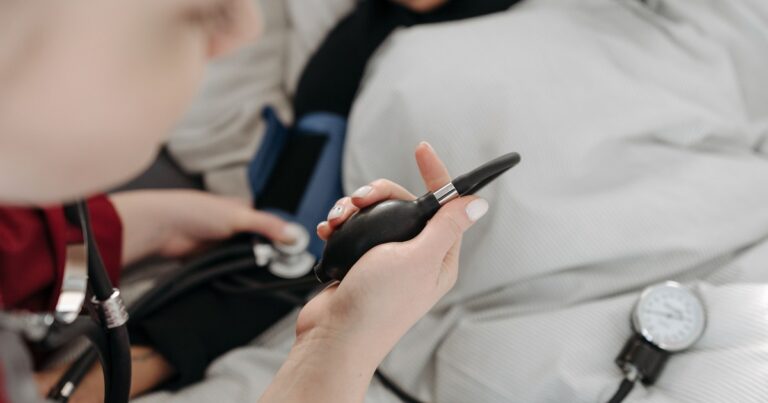
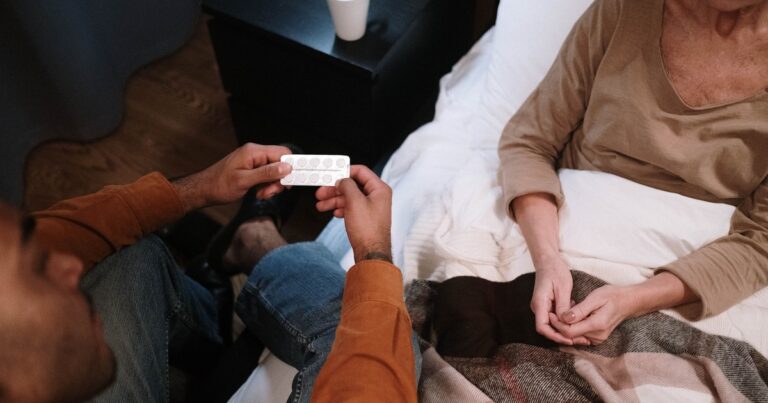
ProLife HC specializes in post-surgical care across Brooklyn’s neighborhoods. Whether you’re recovering from hip replacement at SUNY Downstate Medical Center, cardiac surgery at Maimonides Medical Center, or any major procedure, our nurses provide skilled monitoring, wound care, physical therapy support, and medication management tailored to your specific surgery.
Unlike facility-based rehab, home recovery happens in your own environment-lower infection rates, better sleep, faster emotional recovery, and family support. Our team handles the medical complexity so you can focus on healing.
Understanding Post-Surgical Recovery
What Happens During Surgical Recovery?
Your body undergoes significant trauma during surgery. Even “minimally invasive” procedures create internal changes requiring monitoring. The first 2-8 weeks are when:
- Incisions heal and risk of infection is highest
- Pain peaks and medication adjustments are common
- Blood clots and other complications can develop silently
- Physical therapy begins, rebuilding strength and mobility
- Vital signs and medications need daily oversight
- Depression and anxiety during recovery are common (preventable with support)
Types of Surgery Requiring Home Care
Post-surgical home care is essential after:
- Joint replacement (hip, knee, shoulder) - requires intensive PT and mobility support
- Cardiac surgery (bypass, valve repair) - requires close vital sign monitoring
- Abdominal surgery (gallbladder, hernia, appendix) - requires careful wound care and pain control
- Spinal surgery (fusion, discectomy) - requires strict mobility restrictions and PT
- Cancer treatment (tumor removal, reconstruction) - requires wound management and emotional support
- Orthopedic procedures (fracture repair, ACL reconstruction) - requires professional PT and fall prevention
Even outpatient surgeries benefit from professional post-op monitoring. AARP research shows home-monitored recovery patients report 40% less anxiety and 30% faster mobility gains compared to patients managing recovery alone.
What ProLife HC Post-Surgical Care Includes
Core Services
| Service | What It Includes | Recovery Benefit |
|---|---|---|
| Skilled Nursing | Vital signs, incision assessment, medication management, complication monitoring | Early detection of infection, blood clots, medication issues |
| Wound Care | Daily dressing changes, sterile technique, stitches/staple monitoring, drainage management | Reduces infection risk by 20-30%; faster healing |
| Pain Management | Medication administration, adjustment coordination with surgeon, non-drug comfort techniques | Better pain control; patients sleep better and recover faster |
| Physical Therapy | Range-of-motion exercises, mobility training, fall prevention, strength-building | Return to independence 15-25% faster; reduces fall risk |
| Fall Prevention | Home safety assessment, mobility assistance, environmental modifications | Prevents fall injuries; protects fresh surgical repairs |
| 24/7 On-Call Support | Emergency access to nurses; questions answered immediately | Peace of mind; prevents unnecessary ER visits |
Real Recovery Stories from Brooklyn
Scenario 1: Michael T. - Hip Replacement Recovery
The Challenge
Michael, 67, had a total hip replacement at Maimonides Medical Center on a Tuesday. He was discharged Thursday with severe pain, confusion about his medications (he was on 7 different drugs), and no physical therapy appointments lined up. His daughter worked full-time; his wife had early dementia. Michael was alone during his most critical recovery week.
ProLife HC Intervention
ProLife HC began visits the morning after discharge. Anna Kiyauzova, MSN, RN assessed Michael’s pain, reorganized his medication schedule (reducing pain episodes by 60%), and started supervised physical therapy immediately. Visits increased to 5x/week for the first month, tapering to 2x/week as Michael’s strength improved.
The Outcome
Within 6 weeks, Michael was walking without a walker, his incision had healed perfectly (zero infection), and he’d returned to his hobbies. His daughter reported: “Without ProLife, Michael would’ve ended up back in the hospital. The professional support made all the difference.” Cost: 6 weeks of care = $4,200 (covered 100% by Medicare). Prevented hospitalization would’ve cost $35,000+.
Scenario 2: Patricia G. - Cardiac Surgery Recovery
The Challenge
Patricia, 72, underwent bypass surgery at NYU Langone Brooklyn. She was discharged on day 4 with a 7-inch incision, 12 medications, swelling in her legs, and warning signs of infection (low-grade fever, redness around stitches). Her primary care doctor had a 3-week wait for appointments.
ProLife HC Intervention
ProLife HC nurses visited daily for the first 2 weeks. Anna Kiyauzova, MSN, RN caught early signs of cellulitis (skin infection) on day 6-adjusted antibiotics with the surgeon, prevented it from becoming serious. She monitored for fluid accumulation in lungs, managed swelling with compression and elevation, and coordinated cardiac medications with her cardiologist.
The Outcome
Patricia recovered at home without complications. At 8 weeks, she was cleared for cardiac rehabilitation and walking 2 miles daily. She avoided the 10-14 day rehab facility stay (cost: $10,000+), instead recovering safely at home for $3,800 (Medicare covered 80%, Patricia paid $760). She said: “The nurses prevented what could’ve been a serious infection. I trusted my recovery completely.”
Post-Surgical Care Timeline
| Recovery Phase | Timeline | ProLife Focus Areas | Typical Visit Frequency |
|---|---|---|---|
| Acute Recovery | Days 1-14 post-surgery | Wound monitoring, pain control, infection prevention, medication oversight | 5-7 visits/week |
| Early Mobilization | Weeks 2-4 | Physical therapy, fall prevention, incision healing checks, independence building | 3-5 visits/week |
| Progressive Rehabilitation | Weeks 4-8 | Strength-building, return to function, endurance training, confidence restoration | 2-3 visits/week |
| Transition Phase | Weeks 8+ | Outpatient PT coordination, medication management, return to normal activities | 1-2 visits/week or as-needed |
Insurance & Payment for Post-Surgical Care
What Medicare Covers
Medicare covers skilled nursing care after surgery when medically necessary. Coverage typically includes wound care, injections, medication management, and rehabilitation services. Most patients pay $0 if care is ordered by their surgeon and deemed medically necessary. ProLife HC verifies coverage and handles insurance coordination completely.
What Medicaid Covers
New York Medicaid covers skilled home nursing after surgery for eligible patients. Many Brooklyn residents qualify with minimal or zero out-of-pocket cost. Our team assesses your eligibility during the initial consultation.
Private Insurance & Out-of-Pocket Options
Most private insurance plans (Blue Cross, Aetna, UnitedHealthcare, Empire) cover surgical home care. For patients without coverage, ProLife HC offers affordable private pay options starting at $75-$120/hour depending on care intensity. Cost for 6 weeks of typical post-op care: $2,500-$5,000, often less than a single hospital day.
- 6-week home care (ProLife HC): $2,500-$4,500 (often insurance-covered)
- 2-week facility rehab: $8,000-$15,000 (patient co-pays can be $2,000-$3,000)
- Hospital readmission (preventable): $35,000-$50,000+ (patient may owe $5,000-$10,000)
Bottom line: Home care costs 50-70% less and produces better outcomes.
How to Get Started with Post-Surgical Home Care
Step 1: Talk to Your Surgeon
Before surgery or immediately after, ask your surgeon if you’re a candidate for home-based recovery. Most patients are. Request a referral for skilled nursing home care. Your surgeon can write the order that insurance requires for coverage.
Step 2: Contact ProLife HC
Call us at (718) 232-2777 or email. Our care coordinators answer questions about your specific surgery, what to expect, and cost. We coordinate with your surgeon’s office directly.
Step 3: Initial Assessment
Anna Kiyauzova, MSN, RN or a trained nurse meets you at home before or immediately after discharge. We assess your surgical needs, home environment, support system, and insurance. From there, we create your personalized recovery plan.
Step 4: Begin Recovery with Professional Support
Starting Day 1 or 2 post-discharge, ProLife visits begin. You have a consistent nurse (usually Anna or one of our core team), who knows your case and builds on your progress each visit. 24/7 on-call support means you’re never alone if questions arise.
Why Choose ProLife HC for Post-Surgical Care in Brooklyn?
Experience You Can Trust
ProLife HC has provided post-surgical care to thousands of Brooklyn patients. We know the hospitals (SUNY Downstate, Maimonides, NYU Langone, Kings County), the surgeons, the typical complications by surgery type, and exactly how to prevent them. When hospitals discharge you, we’re ready to take over your care seamlessly.
Leadership by Anna Kiyauzova, MSN, RN
Anna brings 12+ years of surgical nursing expertise. She develops your recovery protocol, oversees your care progression, and is available for questions anytime. Patients and surgeons trust her judgment because she’s prevented complications in thousands of cases.
Personalized Recovery Plans
No two surgeries are identical. We customize care to your specific surgery, health conditions, medications, and home environment. Your recovery plan changes weekly as you heal-intensifying in week 1, tapering as you gain independence.
Prevention-Focused Care
Our core mission: prevent complications that send patients back to the hospital. We monitor constantly, catch problems early, and act immediately. CDC data shows professional post-op monitoring reduces readmission risk by 25-35%.
Full Insurance Coordination
We verify your coverage, submit claims, coordinate pre-approvals, and handle all insurance logistics. Most patients pay zero out-of-pocket because Medicare/Medicaid covers medically necessary surgical nursing care.
24/7 On-Call Support
Questions at 10 PM about your pain medication? Need advice about your incision? Our nurses are available around the clock. This prevents unnecessary ER visits and keeps your recovery on track.
Frequently Asked Questions
Ready to Recover Safely at Home?
Post-surgical recovery doesn’t require a facility. With professional home care from ProLife HC, you can heal faster, more comfortably, and at a fraction of the cost-in your own home, surrounded by family support.
Whether you’re preparing for an upcoming surgery or just discharged and need immediate care, ProLife HC is ready to support your recovery. Our nurses, led by Anna Kiyauzova, MSN, RN, specialize in exactly what your surgery requires.
Service Areas & Local Resources
ProLife HC serves all Brooklyn neighborhoods including Sunset Park, Park Slope, Williamsburg, Downtown Brooklyn, Canarsie, and Coney Island. We coordinate with major surgical centers:
- SUNY Downstate Medical Center - Major surgical programs, orthopedics, cardiac surgery
- Maimonides Medical Center - Joint replacement center, cardiac programs
- NYU Langone Brooklyn - Comprehensive surgical services, cancer treatment
- Kings County Hospital - Emergency surgery, trauma center
New York State Nurses Association resources and CDC surgical site infection prevention guidelines inform all our protocols.
Contact ProLife Home Care NYC for a free clinical assessment: (718) 232-2777