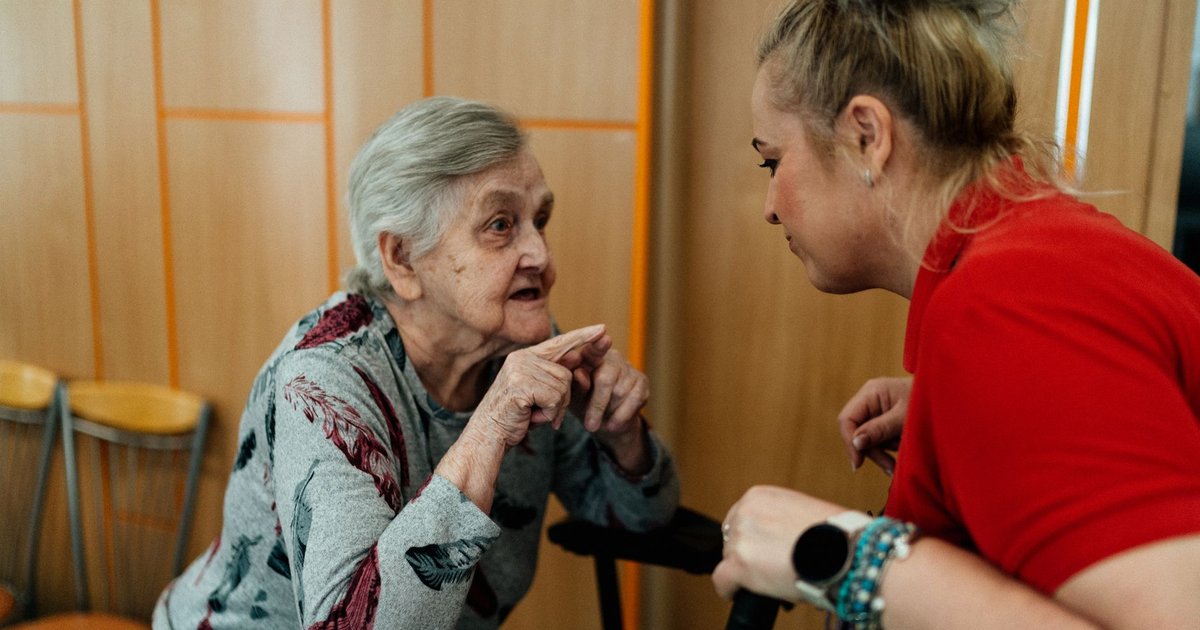
In New York, suspected abuse, neglect or financial exploitation of an older adult is reported to Adult Protective Services (APS): the statewide helpline is 1-844-697-3505, and in New York City you can refer through the DSS OneNumber at 718-557-1399 or the APS borough offices (Brooklyn 718-722-4830, Queens 718-883-8254). In an emergency, call 911 first. Common warning signs include unexplained injuries, sudden changes in banking or spending, withdrawal from family and friends, and medical needs that are not being met.
What counts as elder abuse in New York?
The World Health Organization defines elder abuse as a single or repeated act, or a lack of appropriate action, within a relationship of trust that causes harm or distress to an older person. The CDC adds that it is committed by a caregiver or another trusted person.
New York’s Social Services Law (§ 473) spells out the categories that APS works with: physical abuse, sexual abuse, emotional abuse, active and passive neglect, self-neglect and financial exploitation. Abandonment is listed as a separate type by the WHO and the National Institute on Aging.
The WHO cites a 2017 review of 52 studies in 28 countries that estimated about 1 in 6 people aged 60 and older (15.7%) had experienced some form of abuse in the community in the previous year.
What are the warning signs of each type?
No single sign proves abuse. A bruise can have an ordinary cause. What matters is an unexplained injury, a pattern, or a change from how the person normally is.
| Type | What it means | Warning signs |
|---|---|---|
| Physical abuse | Non-accidental use of force that causes injury, pain or impairment (SSL § 473) | Unexplained injuries, bruises, cuts, burns, scars or sores; signs of punishment or restraint |
| Emotional abuse | Willfully causing mental or emotional anguish through threats, humiliation or intimidation | Increased fear or anxiety, depression, unusual changes in behavior or sleep, withdrawal, isolation from friends and family |
| Sexual abuse | Any sexual contact the person has not consented to | Changes in mood or becoming withdrawn; torn, stained or bloody underclothing; unexplained sexually transmitted infections |
| Financial exploitation | Improper use of an adult’s funds, property or resources by another person | Sudden changes in banking or spending, fraudulent signatures on documents, unpaid bills |
| Neglect | A caregiver fails to meet care duties, willfully (active) or through lack of knowledge or infirmity (passive) | Dehydration or unusual weight loss, missing glasses, walker or medication, unattended medical needs, bedsores, unclean living conditions |
| Self-neglect | An adult cannot, because of physical or mental impairment, do the tasks essential to caring for themselves | Poor hygiene, unmet medical needs, an unsafe or unclean home |
| Abandonment | Leaving an older adult who needs help alone, without planning for their care | The person is left alone and cannot manage without help |
Sources: NYS Office for the Aging, the National Center on Elder Abuse, the National Institute on Aging and Social Services Law § 473.
Who is most at risk?
The WHO lists these risk factors for the older person: functional dependence or disability, poor physical or mental health, cognitive impairment and low income. On the other side, it lists mental illness, substance abuse and financial dependence on the older person as factors in those who cause harm.

In practice several of these often overlap: advanced dementia, dependence on one person for daily care, and a single exhausted family caregiver. Caregiver strain is a real pressure point, not a character flaw, and the WHO notes that caregiver interventions that relieve the burden of caregiving are among the more promising prevention strategies. Respite care exists for exactly this reason.
How do you report elder abuse in New York?
- If someone is in immediate danger, call 911.
- For suspected abuse, neglect or exploitation at home, contact APS. Statewide: 1-844-697-3505, Monday to Friday, 8:30 a.m. to 8 p.m. In New York City: the DSS OneNumber at 718-557-1399, Monday to Friday, 9 a.m. to 5 p.m. (choose your language, press or say 2, then say “Adult Protective Services”), or the online referral form on the NYC HRA APS page. Anyone can refer.
- Before you call, note the person’s name and address, what you saw and when, and whether they are safe right now.
- If the concern is about a home care agency or aide, also tell the Department of Health (see the table below).
| Situation | Who to contact | Number |
|---|---|---|
| Immediate danger | Police and emergency services | 911 |
| Older adult at home, suspected abuse, neglect or exploitation | NYS Adult Protective Services helpline | 1-844-697-3505 (Mon to Fri, 8:30 a.m. to 8 p.m.) |
| Same, in New York City | NYC HRA Adult Protective Services, DSS OneNumber | 718-557-1399 (Mon to Fri, 9 a.m. to 5 p.m.) |
| Brooklyn | HRA APS Brooklyn borough office | 718-722-4830 or 718-722-4812 |
| Queens | HRA APS Queens borough office | 718-883-8254 |
| You are worried but unsure what to do (non-emergency) | Elder Abuse Helpline for Concerned Persons (free, confidential; Weill Cornell Medicine) | 844-746-6905 (Mon to Fri, 9 a.m. to 5 p.m.) |
| Complaint about a home care agency or aide | NYS Department of Health, Home Health Hotline | 1-800-628-5972 (line open 24/7; staff 8:30 a.m. to 4:45 p.m. weekdays) |
| Resident of a nursing home or assisted living | Long Term Care Ombudsman; Attorney General’s Medicaid Fraud Control Unit | 1-855-582-6769; 1-800-771-7755 |
| Scam or fraud | NYS Division of Consumer Protection | 1-800-697-1220 |
| NYC services for older adults | NYC Aging (Aging Connect) or 311 | 212-244-6469 or 311 |
The Helpline for Concerned Persons is for family, friends and neighbors, not an emergency line.
What happens after a report?
According to NYC HRA, APS provides services to physically and/or mentally impaired adults and works to help at-risk clients live safely in their homes. If the person is eligible for an assessment, a home visit is made within three business days, or within 24 hours if the situation is life-threatening.
Not every report leads to services: the first step is an assessment of whether the person is eligible. Under Social Services Law § 473, social services officials who have reason to believe a criminal offense has been committed must report it to the police or sheriff.
Are home care workers mandated reporters in New York?
What we could verify on 8 October 2026 is less clear-cut than many people assume:
- Social Services Law § 473 does not require professionals to report suspected abuse of adults to APS.
- Section 473-b lets anyone who in good faith believes an adult may be endangered report or refer that person, and it protects them from civil liability for doing so.
- A bill, S1828, would require certain professionals, including health care workers, to report suspected elder abuse and would create a statewide central register. It was still in the Senate Aging Committee when we checked.
So the practical duty for an aide today comes from the employer’s written policy and from basic duty of care, and a crime in progress is always a 911 call. Ask any agency how its staff are told to report concerns, and to whom.
How does a licensed agency help prevent abuse?
A licensed home care services agency is regulated by the New York State Department of Health, and that has concrete consequences:
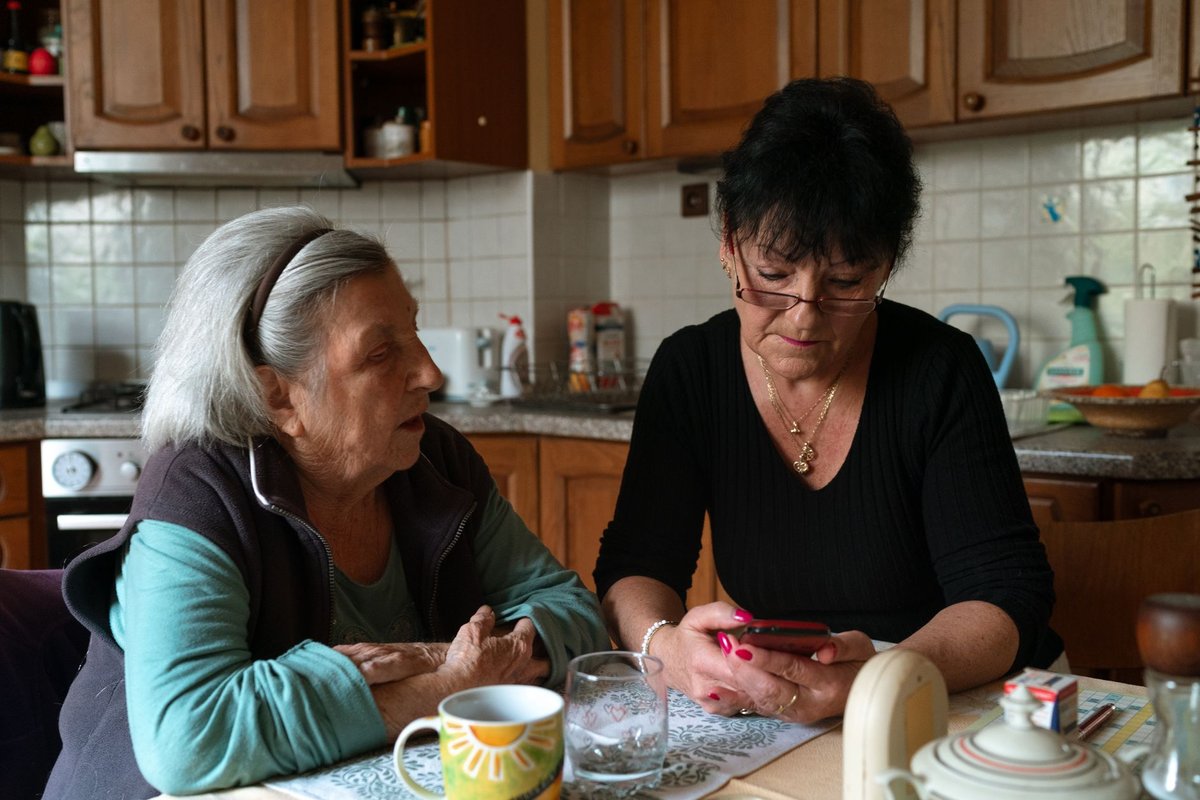
- Screening before hiring. Under Public Health Law § 2899-a, a licensed home care services agency must ask the Department of Health to check a prospective employee’s criminal history and must obtain a sworn statement disclosing any prior finding of patient or resident abuse or any criminal conviction. Agencies must weigh that statement in the hiring decision.
- Observation of new hires. A person hired temporarily while the check is pending must be directly observed and evaluated, and the observations documented.
- A complaint route with teeth. The Department reviews every complaint about a home care agency. Serious complaints lead to onsite investigations, and if a violation is found the agency receives a citation and must submit a plan of correction. You can read the process on the DOH complaints page.
Your own habits also matter. Keep bank cards, checkbooks and passwords out of an aide’s reach, ask a trusted second person to review statements, and set up a power of attorney with safeguards while the person can still choose their agent. Our guide to choosing a home care agency in New York lists questions to ask about screening, supervision and complaints. An adult day program also means more people see how the person is doing.
Talking to ProLife
We are a licensed home care agency in Brooklyn and Queens, New York State Department of Health licence #2572L001. We cannot investigate abuse, which is the job of APS and the police, but if you are worried about someone’s care arrangement, call (718) 232-2777 or use our contact page. Our in-home care team can start with a short phone call. No cost, no obligation.
Phone numbers, hours and laws change; everything above was checked against nyc.gov, aging.ny.gov, health.ny.gov, ag.ny.gov, nysenate.gov, WHO, CDC and Weill Cornell on 8 October 2026. This article is general information, not legal advice. If someone is in danger now, call 911.
Frequently asked questions
Who do I call to report elder abuse in New York?
Call Adult Protective Services at 1-844-697-3505, Monday to Friday, 8:30 a.m. to 8 p.m. In New York City, you can also call the DSS OneNumber at 718-557-1399 or the HRA borough office (Brooklyn 718-722-4830, Queens 718-883-8254). If the person is in immediate danger, call 911.
Can anyone report suspected elder abuse?
Yes. NYC HRA states that APS clients can be referred by anyone, and Social Services Law § 473-b protects people who report an at-risk adult in good faith from civil liability for the report.
What happens after I report to Adult Protective Services in NYC?
If the person is eligible for an assessment, HRA says a home visit is made within three business days, or within 24 hours if the situation is life-threatening. APS works to help at-risk adults live safely in their homes.
Are home health aides required by law to report abuse in New York?
As of 8 October 2026, Social Services Law § 473 does not impose a general mandated-reporter duty on professionals. A bill (S1828) that would do so was still in committee. Agencies usually set their own written reporting rules, so ask yours.
How do I file a complaint about a home care agency or aide?
Call the NYS Department of Health Home Health Hotline at 1-800-628-5972, or email HomeHospiceCCIP@health.ny.gov. The Department reviews every complaint, investigates serious ones onsite, and can cite the agency and require a plan of correction.
Where can a worried family member get advice without making a formal report?
The Elder Abuse Helpline for Concerned Persons at 844-746-6905 offers free, confidential counseling and guidance to family, friends and neighbors of a New York State victim, Monday to Friday, 9 a.m. to 5 p.m. It is not an emergency service.