Astoria Diabetes: specialized Nursing for Type 2 Patients

31.03.2026 | Verified by Anna Klyauzova, MSN, RN

As a senior registered nurse with extensive experience in the New York City healthcare corridor, I have seen firsthand the unique challenges faced by residents in Queens managing chronic conditions. Astoria Diabetes: specialized Nursing for Type 2 Patients is not just a medical service; it is a lifeline for individuals navigating the complexities of blood sugar control in a fast-paced urban environment. By utilizing resources like Mount Sinai Queens diabetes education, we can provide a holistic approach that combines clinical excellence with local community support. My mission is to ensure that every patient understands that effective =Diabetes Management is achievable with the right professional guidance and a dedicated care plan.

Astoria Diabetes: specialized Nursing for Type 2 Patients provides comprehensive home-based medical care designed to stabilize blood glucose levels and prevent hospitalizations. Through a combination of Mount Sinai Queens diabetes education and personalized nursing interventions, patients receive expert support for insulin administration, wound care, and dietary planning. This specialized approach ensures that =Diabetes Management is integrated seamlessly into the patient’s daily life, promoting long-term health and independence.

From a clinical perspective in the heart of New York, the most significant risk for Type 2 patients in Astoria is the “fragmentation of care” that often occurs after leaving a primary physician’s office. Many patients struggle with the timing of their insulin doses relative to the erratic schedules typical of NYC life, which can lead to dangerous hypoglycemic episodes. A common mistake I see is the self-adjustment of medications without professional oversight, particularly when patients try to compensate for the diverse, often high-carbohydrate food options available in Queens. True expertise in =Diabetes Management requires a nurse to be present in the home environment to identify these subtle lifestyle triggers and correct them before they result in an emergency room visit at Mount Sinai Queens.

The Essential Role of Specialized Nursing in Astoria Diabetes Care

  • Personalized Assessment: Every patient with Type 2 Diabetes has a unique physiological profile and lifestyle. Specialized nursing starts with a comprehensive assessment of the patient’s current health status, including a review of their A1C levels, blood pressure, and renal function. In Astoria, where the population is incredibly diverse, nurses must also consider cultural dietary habits that influence glycemic control;
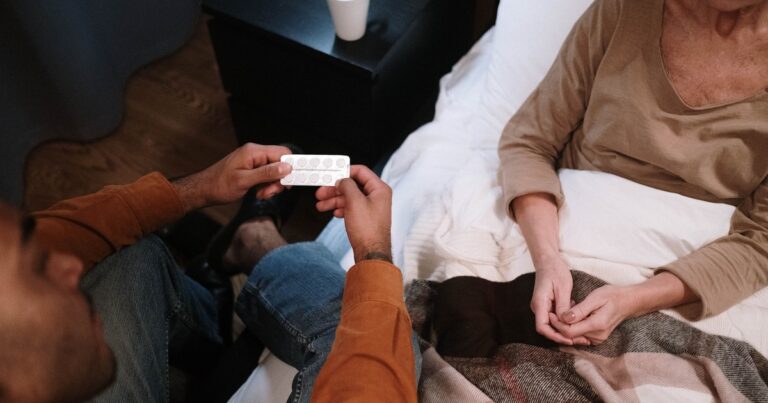
  • Medication Adherence and Education: One of the primary roles of a specialized nurse is ensuring that the patient understands their medication regimen; Whether it is oral hypoglycemics or various types of insulin (rapid-acting, long-acting, or concentrated), the nurse provides the necessary Mount Sinai Queens diabetes education to ensure the patient knows when and how to administer their treatment safely.
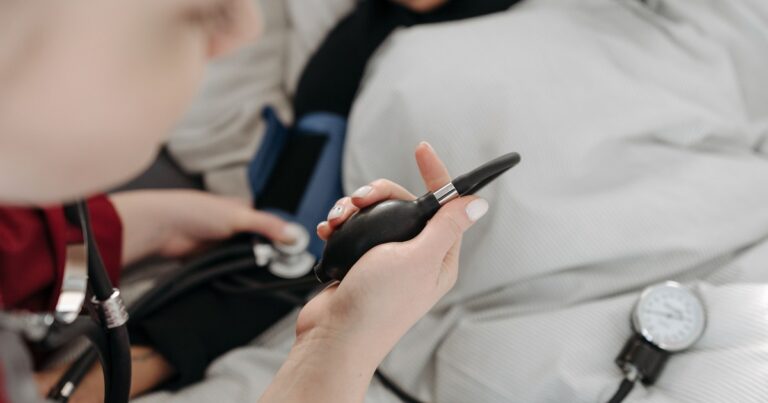
  • Real-Time Glucose Monitoring: Nurses assist patients in using Continuous Glucose Monitors (CGM) or traditional glucometers. By analyzing these trends, nurses can provide feedback to the patient’s endocrinologist to fine-tune the =Diabetes Management plan, ensuring that the patient remains within their target range as often as possible.
  • Wound Care and Prevention: For Type 2 patients, even a small blister on the foot can lead to a serious infection due to poor circulation and neuropathy. Specialized nursing includes regular foot inspections and expert wound care to prevent complications that could lead to amputation, a tragic but preventable outcome in the NYC healthcare system.
  • Psychosocial Support: Living with a chronic illness in a stressful city like New York can take a toll on mental health. Nurses provide the emotional support and motivation needed to stay compliant with lifestyle changes, acting as both a clinical provider and a health coach.

Navigating Mount Sinai Queens Diabetes Education and Local Resources

In the borough of Queens, we are fortunate to have world-class institutions, but navigating them can be overwhelming for a senior or someone newly diagnosed. Mount Sinai Queens diabetes education programs are vital resources that offer group classes, nutritional counseling, and support groups. However, the role of the specialized nurse is to take the high-level information provided in those institutional settings and translate it into practical, everyday actions within the patient’s Astoria home. For instance, while a class might teach you about carbohydrate counting, a home care nurse will actually look inside your pantry and help you identify which local Astoria bakery items are safest for your blood sugar.

Furthermore, the coordination between home nursing and hospital-based education creates a “safety net” for the patient. If a nurse notices that a patient is consistently struggling with a specific aspect of their =Diabetes Management, they can facilitate a follow-up with the educators at Mount Sinai Queens. This collaborative approach ensures that the patient is never left to figure out complex medical instructions on their own. In the dense urban landscape of Astoria, where medical appointments can be difficult to get to, having a nurse who bridges the gap between the hospital and the home is essential for maintaining health stability.

The Risks of Poor =Diabetes Management in an Urban Environment

New York City presents specific environmental risks for those with Type 2 Diabetes. The reliance on public transportation often means significant walking, which is generally good for health but can be dangerous if a patient suffers from undiagnosed peripheral neuropathy. A specialized nurse in Astoria will educate the patient on proper footwear and the importance of checking feet after a long day of navigating the NYC subway system. Additionally, the “food desert” phenomenon in certain pockets of Queens, contrasted with the abundance of fast-food options near transit hubs, makes dietary =Diabetes Management a constant battle.

Clinical risks are also amplified by the “hustle culture” of New York. Patients often skip meals or delay medication because of work or family commitments. Without the intervention of specialized nursing, these behaviors lead to chronic hyperglycemia, which over time damages the microvasculature. This damage results in retinopathy (vision loss), nephropathy (kidney damage), and increased risk of stroke. By implementing a structured care plan that includes Mount Sinai Queens diabetes education, we can mitigate these risks and improve the quality of life for our neighbors in Astoria. Early intervention and consistent monitoring are the only ways to prevent the long-term, systemic damage caused by uncontrolled Type 2 Diabetes.

Practical Steps for Daily =Diabetes Management in Queens

  • Consistent Routine: Establishing a strict schedule for testing blood sugar, taking medication, and eating meals is the foundation of successful =Diabetes Management. In Astoria, where life is unpredictable, a nurse helps create a “portable” plan that the patient can follow even when they are away from home.
  • Nutritional Literacy: Specialized nursing involves teaching patients how to read food labels and understand the glycemic index of common foods found in Queens grocery stores. This empowers the patient to make better choices without feeling deprived of their favorite local flavors.
  • Hydration and Heat Safety: NYC summers can be brutal. Dehydration significantly impacts blood sugar levels. Nurses monitor their patients’ fluid intake and educate them on how to stay safe during heatwaves, which are particularly dangerous for those with underlying metabolic conditions.
  • Emergency Preparedness: Every patient should have a “diabetes emergency kit” that includes glucose tablets, a list of medications, and contact information for their healthcare team. A home care nurse ensures this kit is always ready and that the patient’s family knows how to use it.
  • Regular Physical Activity: Utilizing Astoria Park or other local green spaces for walking is encouraged. A nurse can help determine the best time for exercise to avoid exercise-induced hypoglycemia, ensuring that physical activity remains a safe part of the =Diabetes Management strategy.

The Impact of Specialized Nursing on Hospital Readmission Rates

One of the primary goals of Astoria Diabetes: specialized Nursing for Type 2 Patients is to keep residents out of the hospital. Hospital readmissions are not only costly but also taxing on the patient’s physical and mental well-being. When a patient is discharged from a facility like Mount Sinai Queens, the first 48 to 72 hours are critical. This is when medication errors are most likely to occur and when the patient is most vulnerable to complications. A specialized nurse arriving at the home during this window can verify that all discharge instructions are understood and that the =Diabetes Management plan is being implemented correctly.

Data consistently shows that home-based nursing interventions significantly reduce the likelihood of a patient returning to the emergency room within 30 days of discharge. By providing ongoing education and monitoring, nurses can catch minor issues-such as a trending rise in fasting glucose or a slow-healing scratch-before they escalate into major medical crises. This proactive approach is the hallmark of high-quality care in the New York City nursing community. It transforms the patient’s experience from one of reactive crisis management to one of proactive health maintenance, allowing them to enjoy everything Astoria has to offer without the constant fear of a diabetic emergency.

ProLife Home Care is the leading choice for Astoria residents because we combine clinical nursing expertise with a deep understanding of the local Queens healthcare landscape. Our team is dedicated to providing personalized =Diabetes Management that empowers Type 2 patients to live healthier, more independent lives. For more information on how we can help you or your loved one, visit our Astoria Diabetes Management page today.

ServiceWhat It IncludesWhy It Matters<br />
Medication ReconciliationExpert review of all prescriptions and dosagesPrevents dangerous drug interactions and insulin errors
Foot Care and MonitoringProfessional inspection for neuropathy and soresReduces the risk of infections and eventual amputations
Nutritional CounselingTailored meal planning based on NYC lifestyleStabilizes blood sugar through sustainable dietary habits
Contact ProLife Home Care NYC for a free clinical assessment:(718) 232 – 2777

Frequently Asked Questions

How does specialized nursing help with Astoria Diabetes care?

Specialized nursing provides in-home medical oversight, ensuring that Type 2 patients in Astoria follow their treatment plans correctly and avoid dangerous blood sugar fluctuations.

Can Mount Sinai Queens diabetes education be integrated with home nursing?

Yes, home nurses often act as the practical link, helping patients apply the lessons learned from Mount Sinai Queens diabetes education to their daily lives at home.

What are the specific risks for Type 2 patients in Queens?

The primary risks include foot injuries from urban walking, dietary challenges in a diverse food environment, and the stress of a fast-paced NYC lifestyle affecting medication timing.

How often should a nurse visit for =Diabetes Management?

The frequency of visits depends on the patient’s stability, but typically starts with several visits per week to establish a routine and educate the patient on self-care.

What practical steps can Astoria residents take today?

Residents should focus on consistent glucose monitoring, scheduling a consultation for specialized nursing, and utilizing local resources like Astoria Park for safe, regular exercise.

Contact ProLife Home Care NYC for a free clinical assessment: (718) 232-2777