Cicada Variant BA.3.2: What NYC Seniors Must Monitor Today (Clinical Guide)
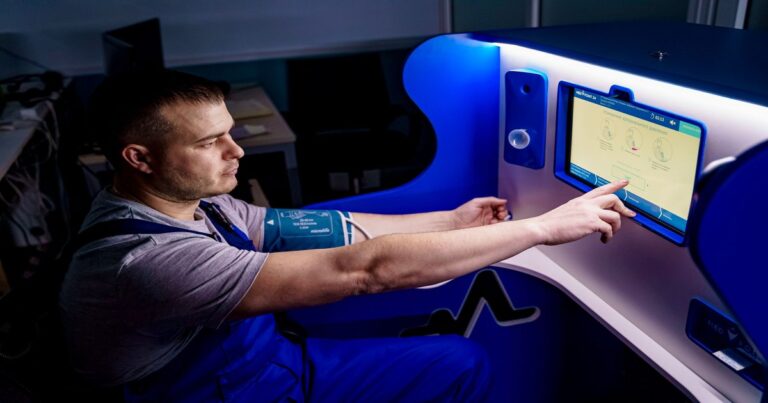
CDC-Aligned Guidance: Older adults remain at higher risk for severe COVID outcomes regardless of variant. Early symptom recognition, oxygen monitoring, hydration, and timely clinical response are the most effective ways to prevent…
Anna Klyauzova, MSN, RNDirector of Patient Services · ProLife Home Care
✓ Medically reviewed
Updated 3 min read
Short answer
CDC-Aligned Guidance: Older adults remain at higher risk for severe COVID outcomes regardless of variant. Early symptom recognition, oxygen monitoring, hydration, and timely clinical response are the most effective ways to prevent complications.
BA.3.2 “Cicada” Variant: What NYC Seniors Need to Know Right Now
Quick Answer: BA.3.2 is a monitored COVID variant. It is not proven to cause more severe illness, but NYC seniors remain high-risk. The real danger is delayed response. Monitor oxygen, breathing, hydration, weakness, and confusion daily.
Public Health Update: According to the World Health Organization, BA.3.2 is classified as a Variant Under Monitoring and currently poses a low additional public health risk, with no evidence of increased severity or hospitalizations compared to other Omicron variants.
As a Registered Nurse working with seniors across New York City, I can tell you this clearly: most hospitalizations do not happen because a variant is more dangerous. They happen because families wait too long to act.
CDC-Aligned Guidance: Older adults remain at higher risk for severe COVID outcomes regardless of variant. Early symptom recognition, oxygen monitoring, hydration, and timely clinical response are the most effective ways to prevent complications.
Service
What It Includes
Why It Matters
Home Monitoring
Daily symptom tracking
Detects decline early
Oxygen Monitoring
SpO2 checks
Prevents late response
Hydration Support
Fluid supervision
Reduces confusion risk
Medication Oversight
Organization
Prevents complications
Caregiver Guidance
Education
Faster decision-making
Frequently asked questions
What is the BA.3.2 variant?
BA.3.2 is a COVID-19 variant under monitoring with no evidence of increased severity.
Is BA.3.2 dangerous?
It is not currently more severe, but seniors remain high-risk.
What is the biggest risk for seniors?
Delayed response to early symptoms.
What oxygen level is dangerous?
Below 92% is concerning, below 90% is critical.
Can seniors recover at home?
Yes, with early monitoring and proper support.
Contact ProLife Home Care NYC for a free clinical assessment: (718) 232-2777
Questions answered in this article
What is the BA.3.2 variant?
BA.3.2 is a COVID-19 variant under monitoring with no evidence of increased severity.
14 years in clinical nursing9 years in home careMS, Nursing AdministrationMPA
She has nursed since 2011, at Jacobi Medical Center and then at Mount Sinai, where she ran an operating room team before co-founding ProLife Home Care in 2017. Her profile is public on LinkedIn, and the agency licence is public on NYS Health Profiles.
✓ Got it. Your request is with a coordinator, and we will call you back.
When do you need to start?
Your information is private and secure.
Cookies are small files your browser keeps. Some run the site, the rest just show us which pages people find useful. We don’t sell any of it.The details.
You can change this any time.
Your choice
Either way is fine. Nothing here affects your care, your application, or what you pay.
Changed your mind later? The Cookies link at the bottom of any page brings this back. Full details in our Privacy Policy.