
When a person leaks both urine and stool, often called dual incontinence, the most important hygiene job for a caregiver is protecting the skin. Clean and dry the area right after every episode, use a mild or soap-free cleanser, pat dry instead of rubbing, add a thin barrier cream, and wash your own hands afterward. According to MedlinePlus, constant moisture is what leads to redness, peeling, irritation and yeast infections, so speed matters more than any single product.
What is dual incontinence, and is it treatable?
Dual incontinence means accidental leakage of both urine and stool. The National Institute of Diabetes and Digestive and Kidney Diseases (NIDDK) lists urinary incontinence among the health problems that often come with fecal incontinence, and says fecal incontinence is more common in older adults. It can be urge type, where the person feels a strong urge but cannot reach a toilet, or passive, where leakage happens without the person knowing.
Many causes can be treated or reduced, so the first step is not a better pad, it is a doctor’s visit. NIDDK stresses that talking openly with the doctor is important for diagnosis and treatment, and that incontinence is “simply a medical problem,” not something to be ashamed of. Hygiene care at home is what keeps the person comfortable while that work happens.
How do you clean and protect the skin after each episode?
The routine below follows MedlinePlus on skin care and incontinence, reviewed in January 2026, together with NIDDK and the CDC. Your own nurse or doctor may adjust it for the person you care for.
- Gather supplies first. Clean pad or brief, cleanser or mild soap and water, soft cloths, barrier cream, a bag for soiled items. Protect privacy and explain each step as you go.
- Put on disposable gloves. The CDC’s standard precautions call for protective equipment whenever exposure to infectious material is expected, followed by hand hygiene.
- Clean right away. Use mild, dilute soap and water, rinse well and gently pat dry. Soap-free cleansers that do not dry the skin are an alternative, and some need no rinsing.
- Dry completely. Moist skin breaks down faster.
- Apply a barrier. Creams or ointments with zinc oxide, lanolin or petrolatum form a protective layer. Reapply after every cleaning, because the skin must still be cleaned each time even when a barrier is used.
- Put on a fresh pad or brief and change soiled clothes and bedding as soon as possible.
- Wash your hands. The CDC recommends soap and water for at least 20 seconds after changing diapers, and an alcohol-based sanitizer with at least 60% alcohol if soap and water are not available.
- Look at the skin. Note any redness, rash or open areas for the nurse or doctor.
| Step | What to use | What to avoid |
|---|---|---|
| Cleaning | Mild, dilute soap and water, or a soap-free skin cleanser | Products that dry or irritate the skin; harsh rubbing |
| Moisturizing | A moisturizing cream without alcohol | Products containing alcohol, which can irritate the skin |
| Barrier | Zinc oxide, lanolin or petrolatum cream or ointment, or a sprayed or wipe-on protective film | Skipping the cleaning because a barrier is on the skin |
| Yeast rash | Antifungal powder such as nystatin or miconazole, as advised by the provider, with a barrier over it | Baby powder |
Which products help: pads, briefs or underpads?
The right mix depends on how much leakage there is, and you should ask the nurse or doctor to help choose. NIDDK says absorbent pads inside the underwear are the most frequently used treatment for fecal incontinence, and are often enough for milder leakage. For urine, its list includes absorbent washable underwear, disposable briefs, disposable pads, and large pads to protect chairs and beds.
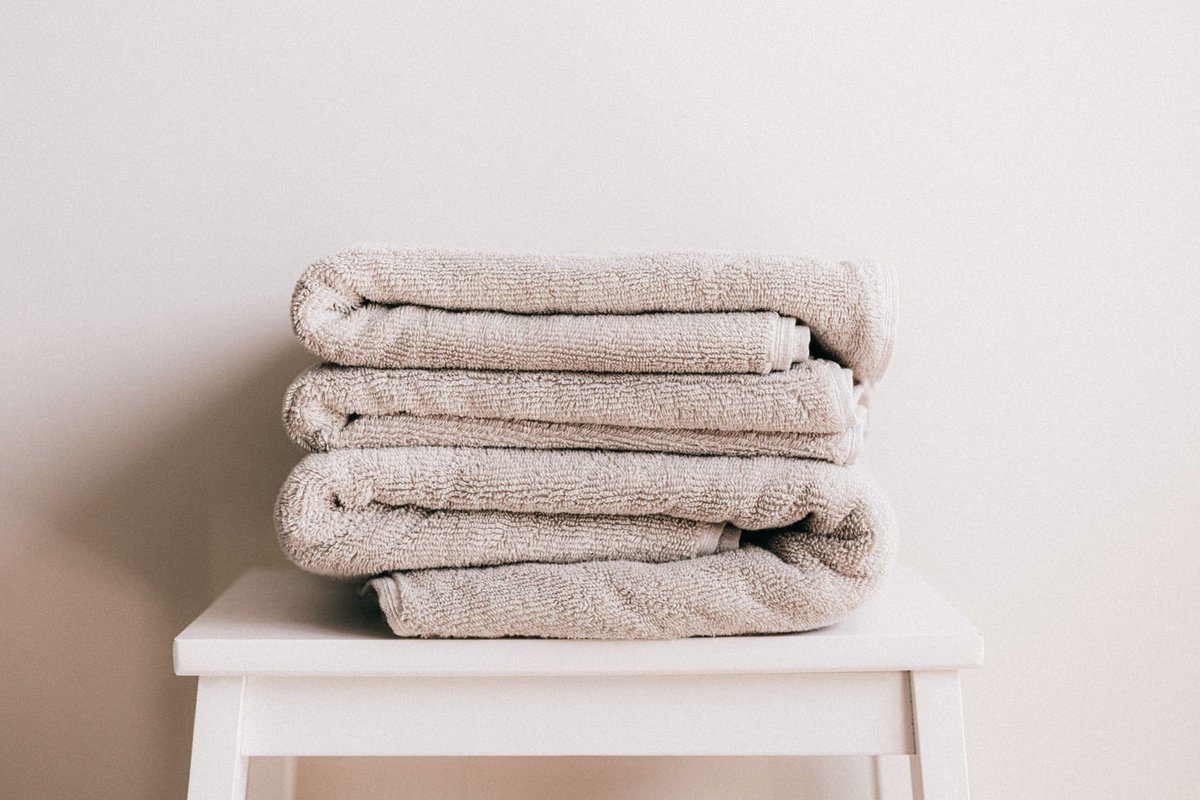
One caution from MedlinePlus: diapers and similar products keep bedding and clothing cleaner, but they hold urine or stool against the skin, which can make skin problems worse. That is why the cleaning step above does not change just because a brief is worn. NIDDK also suggests wicking pads, disposable underwear, and clothing that lets air pass through. Ask the doctor or pharmacist before using any barrier cream or nonmedicated powder, as NIDDK advises.
What skin changes need a call to the doctor?
Call the doctor or nurse if irritation does not settle with routine care. MedlinePlus lists these signs:
| What you see | What it can mean | What to do |
|---|---|---|
| Redness, peeling, irritation | Skin breakdown from moisture | Tighten the clean-dry-barrier routine; contact the provider if severe |
| Itchy, red, pimple-like rash; skin feels raw | Yeast infection of the skin | Ask the provider about antifungal powder |
| Reddened areas that stay red when pressed, blisters, sores or open ulcers | Pressure sore | Tell the provider; see our guide to pressure sore care at home |
| Foul-smelling drainage | Possible infection | Tell the provider promptly |
What if the person is mostly in bed or a wheelchair?
Moisture and pressure together raise the risk of sores. MedlinePlus advises checking the skin for pressure sores every day, making sure the diet has enough calories and protein, and changing sheets and clothing right away after they are soiled.
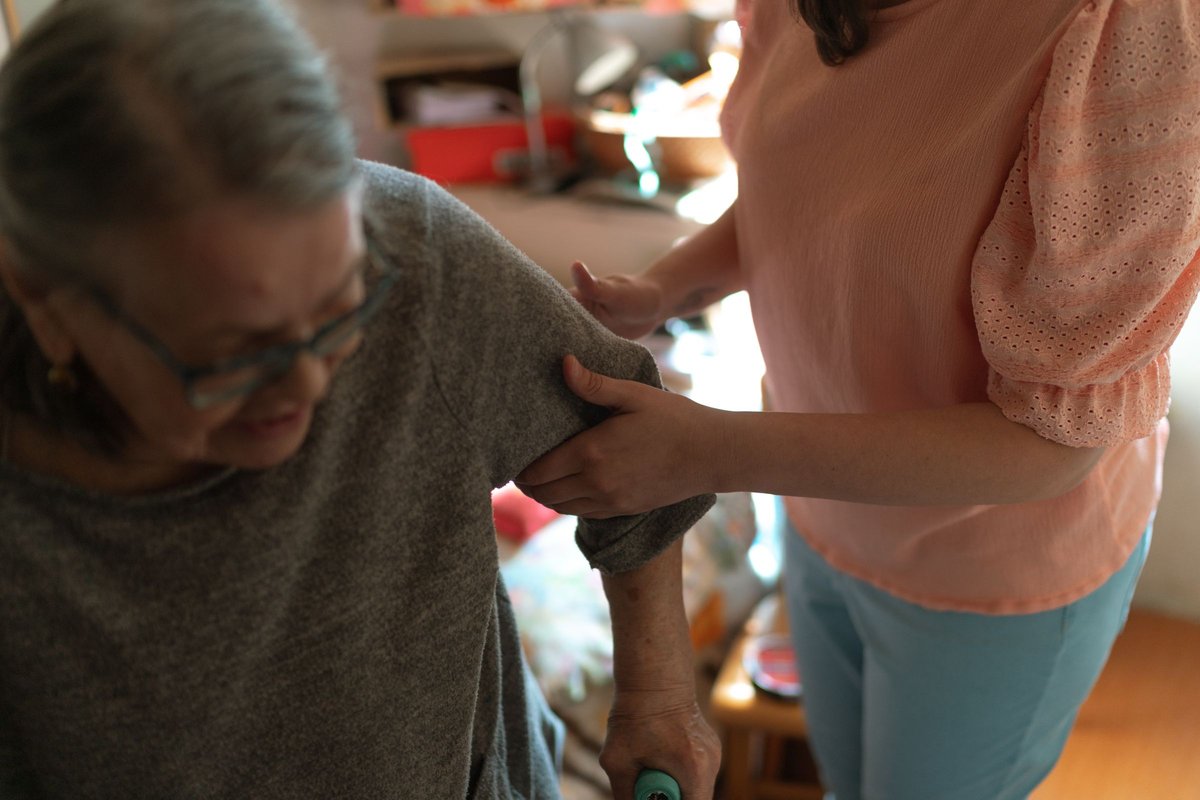
- In bed: change position often, at least every two hours, and use pillows or foam padding to reduce pressure.
- In a wheelchair: make sure the chair fits properly, shift weight every 15 to 20 minutes and use padding.
Does New York Medicaid pay for incontinence supplies?
It can. The state’s Medicaid medical supplies manual, effective July 1, 2026, says diapers, liners and underpads are covered for urinary and fecal incontinence when the need is documented by the ordering practitioner. The order must include a specific diagnosis, and products must meet state minimum specifications, such as no plastic non-breathable backing. These rules describe fee-for-service Medicaid; if the person is in a Medicaid managed care or managed long term care plan, ask the plan how supplies are ordered.
| Item | Limit per 30 days (state manual) |
|---|---|
| Disposable diapers and/or liners | Up to 250 combined, which allows up to eight changes a day |
| Reusable diapers | Up to five (or up to 250 disposable, not both) |
| Disposable underpads | Up to 150 |
| Reusable underpads | Up to two for the bed and two for the chair |
| Higher quantities | Possible by prior approval with clinical documentation of increased urine or stool output |
Under the same manual, children under three are not covered, and menstrual pads are not covered. For catheter-related supplies, see our guide to catheter care at home.
When does it make sense to bring in home care?
Incontinence care is physically and emotionally demanding, and it often decides whether a family can keep caring for someone at home. A home health aide or personal care aide can help with toileting, changing, skin checks and keeping the room clean, as far as training and the care plan allow, and a nurse can assess skin problems. Read about our personal care services, in-home care and nurse services, or how Medicaid covers home care.
We are a licensed home care agency in Brooklyn and Queens, licence #2572L001, New York State Department of Health. To talk through what help at home could look like, call (718) 232-2777 or use our contact page.
This page is general information, not medical advice. Rules and fee schedules change. Everything above was checked against medlineplus.gov, niddk.nih.gov, cdc.gov and the New York State Medicaid supplies manual on emedny.org on 9 October 2026. Ask the person’s own doctor or nurse before starting a new cream, powder or routine.
Frequently asked questions
What is dual incontinence?
It is leakage of both urine and stool. NIDDK notes that urinary incontinence is among the other health problems commonly found in people with fecal incontinence.
How often should I clean the skin of someone who is incontinent?
Right after each episode. MedlinePlus says to clean and dry the area right away, and that the skin must still be cleaned each time even when a barrier cream is used.
Is soap and water enough?
Mild, dilute soap and water works if rinsed well and gently patted dry. MedlinePlus also lists soap-free skin cleansers that do not cause dryness, and some need no rinsing.
Which barrier cream should I use?
MedlinePlus names creams or ointments containing zinc oxide, lanolin or petrolatum as protective barriers. NIDDK advises asking the doctor or a health care professional which moisture-barrier creams and powders are right for the person.
Do I need gloves and handwashing when changing a brief?
Yes to handwashing. The CDC lists changing diapers as a time to wash hands with soap and water for at least 20 seconds. Its standard precautions advise protective equipment, such as gloves, whenever exposure to infectious material is expected.
Does Medicaid pay for adult incontinence supplies in New York?
It can, with a practitioner’s documented order and a diagnosis. The state manual allows up to 250 disposable diapers and/or liners per 30 days, and more with prior approval. Ask your Medicaid plan how supplies are ordered.