
Blood pressure that is consistently 130/80 mm Hg or higher counts as high blood pressure (hypertension) in adults of any age, and it is very common in older adults because arteries stiffen with age. A reading above 180/120 together with chest pain, shortness of breath, weakness, numbness, trouble speaking or a change in vision is an emergency: call 911. This guide covers the categories, how to take a reliable reading at home, what to log, and who does what. It is general information, not medical advice for any one person.
What do the blood pressure numbers mean for an older adult?
A reading has two numbers. The top one, systolic, is the pressure when the heart pumps. The bottom one, diastolic, is the pressure when the heart relaxes and fills. The National Heart, Lung, and Blood Institute (NHLBI) and the American Heart Association use the same five categories.
| Category | Top number (systolic) | Bottom number (diastolic) |
|---|---|---|
| Normal | Less than 120 | and less than 80 |
| Elevated | 120 to 129 | and less than 80 |
| High blood pressure, stage 1 | 130 to 139 | or 80 to 89 |
| High blood pressure, stage 2 | 140 or higher | or 90 or higher |
| Hypertensive crisis | Higher than 180 | or higher than 120 |
Which guideline is this? The categories come from the 2017 American College of Cardiology and American Heart Association (ACC/AHA) guideline. A new ACC/AHA guideline was published in August 2025, and according to the ACC announcement the blood pressure criteria remain the same. NHLBI’s page, updated in June 2025, shows the same table.
Two cautions. One high reading is not a diagnosis: NHLBI says it takes two or more readings at separate appointments, and only a doctor can confirm it. And goals differ by person: the National Institute on Aging (NIA) says doctors weigh other conditions and overall fitness when choosing a target for an older adult.
NIA also points out a pattern common in later life: the top number is 130 or higher while the bottom number stays under 80. This is called isolated systolic hypertension, caused by stiffening of the large arteries, and it is the most common form in older adults.
Why does high blood pressure matter so much with age?
Because it usually causes no symptoms while it does damage. According to NIA, uncontrolled high blood pressure can lead to heart disease, stroke, vascular dementia, eye problems and kidney disease. The CDC lists heart attack, heart failure, stroke and chronic kidney disease, and links high blood pressure in midlife with poorer thinking and dementia later.
The 2025 guideline adds that high pressure can damage small blood vessels in the brain, which is linked to memory problems and cognitive decline. The good news: NIA says blood pressure can be controlled in most people, and its summary of NIH-funded research (the SPRINT trial) links lower systolic pressure in adults 50 and older with less cardiovascular disease and less mild cognitive impairment. The right target for a specific person is the doctor’s decision.
How do you check blood pressure at home the right way?
AHA recommends home monitoring for everyone diagnosed with high blood pressure, and it can also help confirm a diagnosis. It does not replace doctor visits. The AHA’s home monitoring guidance recommends an automatic, cuff-style upper arm monitor. Wrist and finger monitors are not recommended because they are less reliable. Choose a validated device (one tested for accuracy, and for a senior one validated for older adults) with a cuff that fits the upper arm. Take the new monitor to an appointment so the office can check it against theirs, and again about once a year.
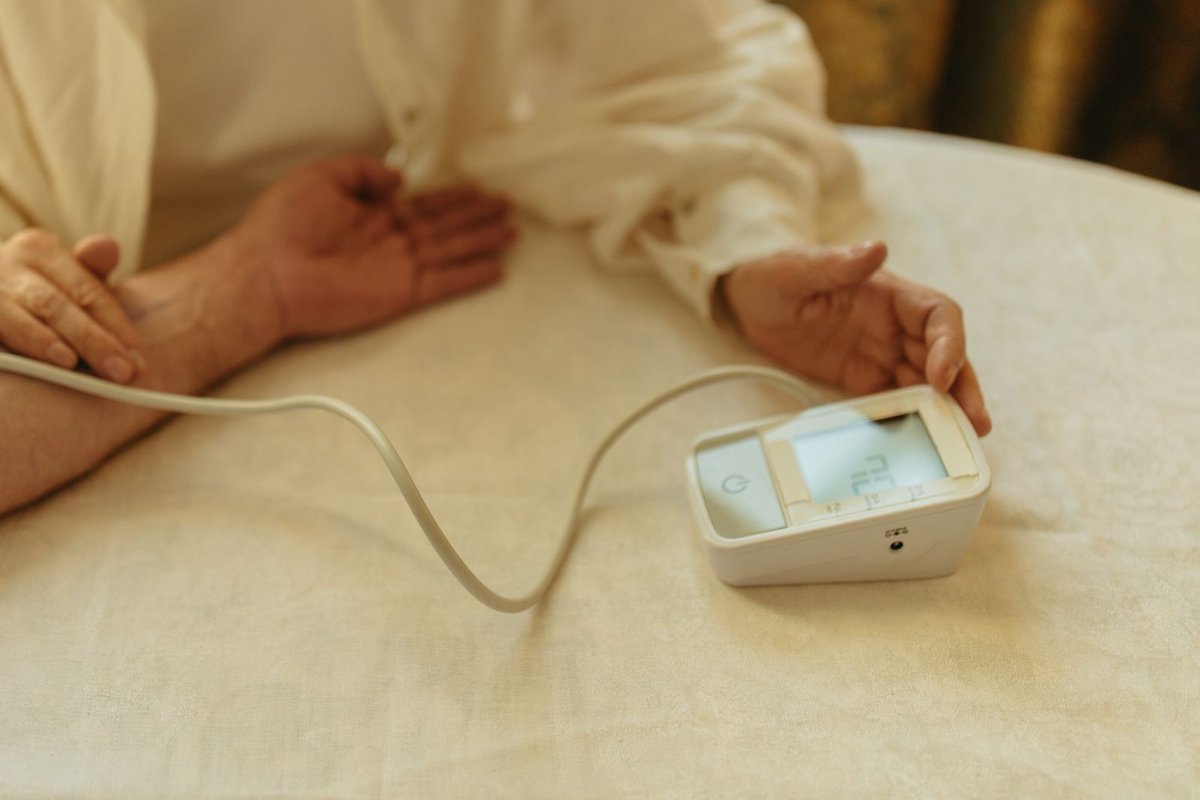
The steps below combine the CDC and AHA instructions.
- Prepare. For 30 minutes before, no smoking, caffeine, exercise, food or drink. Empty the bladder.
- Sit properly. Use a dining chair rather than a sofa, back straight and supported, feet flat on the floor, legs uncrossed. Rest the arm on a flat surface so the middle of the cuff is at heart level.
- Put the cuff on bare skin. Remove clothing from the upper arm. Either arm works; AHA says there is usually not a big difference.
- Rest quietly for at least five minutes. No talking, no phone.
- Take two readings, one minute apart, and write down both.
- Repeat at the same time each day. Ask the doctor how often and for how long. The Million Hearts clinician guide cites guidelines that suggest two or three readings, a minute apart, morning and evening for about a week, but your doctor decides.
What mistakes make a home reading wrong?
The Million Hearts clinician guide lists how much each factor can shift the top number.
| What went wrong | Possible effect on the top number |
|---|---|
| Cuff too small for the arm | 10 to 40 mm Hg |
| Cuff over clothing | 10 to 40 mm Hg |
| Not resting 3 to 5 minutes first | 10 to 20 mm Hg |
| Talking during the reading | 10 to 15 mm Hg |
| Full bladder | 10 to 15 mm Hg |
| Back or feet unsupported | 5 to 15 mm Hg |
| Legs crossed | 5 to 8 mm Hg |
What should a home blood pressure log look like?
The CDC and AHA both suggest writing every reading down, and the CDC offers a printable blood pressure log. A simple version for a notebook or the fridge:
| Date | Time | Arm | Reading 1 (top/bottom) | Reading 2 (1 minute later) | Pulse | Medicines taken today? (yes/no, time) | Notes (dizzy on standing? headache? just walked? salty meal?) |
|---|---|---|---|---|---|---|---|
| __/__ | 8:00 AM | Left | ___/___ | ___/___ | ___ | ___ | ___ |
| __/__ | 7:00 PM | Left | ___/___ | ___/___ | ___ | ___ | ___ |
| __/__ | 8:00 AM | Left | ___/___ | ___/___ | ___ | ___ | ___ |
Write down every reading, even a bad one, and take the log (and the monitor, if it stores readings) to every appointment. Medication names and doses belong on a separate, current list; see our medication management guide.
What blood pressure reading is an emergency?
The AHA says a reading of 180/120 or higher is a hypertensive crisis. What to do:
- Wait one to two minutes and measure again.
- If it is still 180/120 or higher, check for symptoms: chest pain, shortness of breath, back pain, numbness, weakness, change in vision or difficulty speaking (AHA also lists confusion, dizziness and vomiting).
- With those symptoms, call 911. AHA calls this a medical emergency and says not to wait to see whether it comes down on its own.
- Without symptoms, contact the doctor as soon as possible. The AHA says this usually does not need hospitalization, but the doctor may adjust treatment.
Ask the doctor in advance which numbers should trigger a call, and write them on the log.
Why does standing up make me dizzy?
Blood pressure can drop when you move from lying or sitting to standing. NIA notes that isolated systolic hypertension can bring lightheadedness on standing too fast, and falls, and that low blood pressure (under 90 on top or under 60 on the bottom) can cause lightheadedness, weakness or fainting. Causes include not drinking enough fluids, some medical conditions and medicines, including those prescribed for high blood pressure.
Doctors check this with a lying-and-standing measurement. In CDC’s STEADI fall-prevention tool, the person lies down for 5 minutes, then blood pressure and pulse are measured after standing at 1 and 3 minutes. A drop of 20 or more in the top number, 10 or more in the bottom number, or dizziness counts as abnormal.
NIA’s everyday tip: get up slowly from a seat or bed and stand for a moment before walking. Never skip or change a dose to stop dizziness. Tell the doctor or pharmacist, and write “dizzy on standing” in the log notes. For the home side of this problem, see our guide to fall prevention in New York apartments.
What daily habits help lower blood pressure?
The 2025 ACC/AHA guideline calls healthy habits the first line of care for all adults. NIA and NHLBI list the same basics.
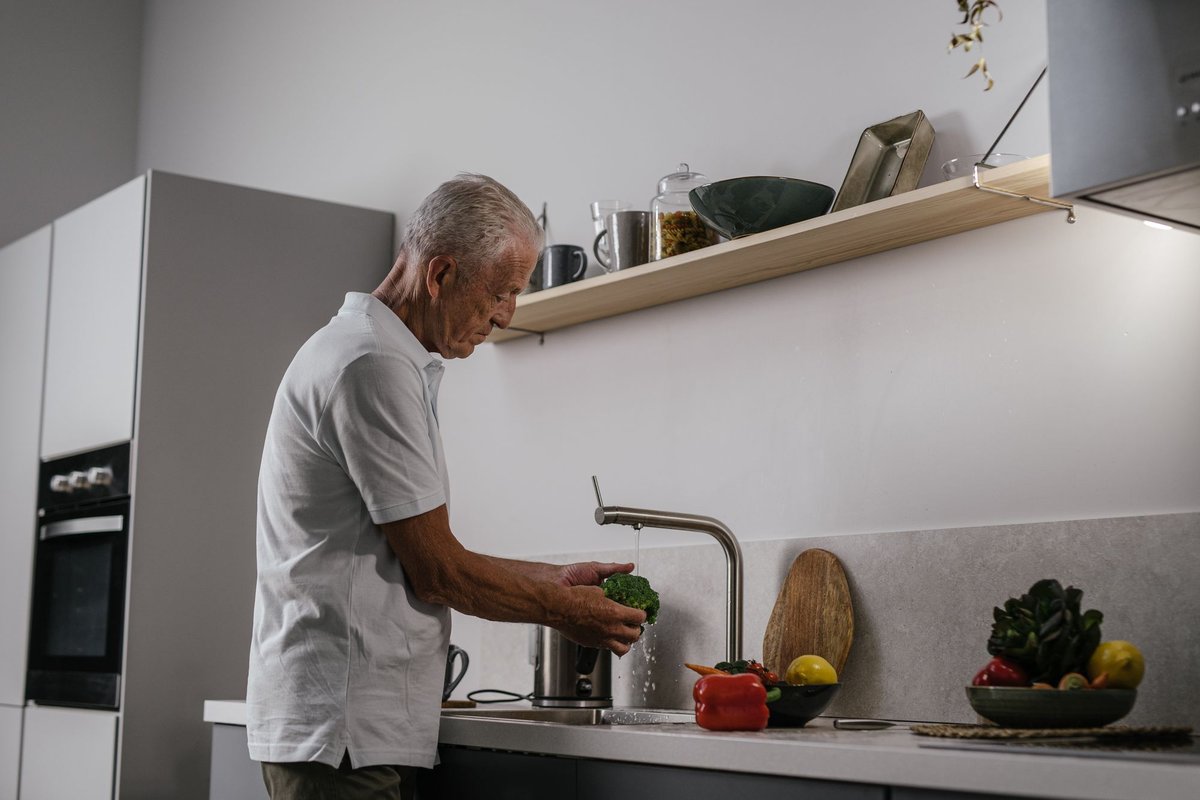
- Eating pattern. The DASH eating plan emphasizes vegetables, fruits, whole grains, low-fat dairy, fish, poultry and nuts. Our nutrition guide for NYC seniors has local food help.
- Sodium. The guideline advises less than 2,300 mg a day, moving toward 1,500 mg. Most sodium comes from packaged and restaurant food, not the salt shaker, so read labels. NIA adds that sensitivity to salt increases with age.
- Movement. NIA suggests working up to 150 minutes a week of moderate activity such as brisk walking, after checking with the doctor.
- Alcohol. Ideally none; if drinking, no more than two drinks a day for men and one for women.
- Sleep and smoking. Tell the doctor about loud snoring or pauses in breathing, which can signal sleep apnea. If you smoke, quitting helps at any age.
Can I stop my blood pressure pills if my readings look good?
No. The AHA says not to stop blood pressure medication without checking with your health care professional, whatever your home readings show. Good readings usually mean the plan is working. NIA adds that medicine should be taken at the same time each day, refilled before it runs out, and that the doctor should know about every over-the-counter drug, vitamin and supplement.
Bring the log and all medicine bottles to the visit, and ask the doctor or pharmacist about any dizziness or side effect rather than adjusting doses yourself. After a hospital stay, medicine lists change; see medication reconciliation after discharge.
Does Medicare pay for a home blood pressure monitor?
Usually not for a cuff you buy yourself, but some related services are covered.
| Item | What the official sources say |
|---|---|
| Home upper arm cuff | Medicare.gov’s covered equipment list does not include blood pressure monitors, and an archived CDC page (coverage as of 2016) says Part B does not cover home monitors for self-checks. Medicare Advantage plans may add benefits, so ask the plan. |
| 24-hour ambulatory monitor | Medicare covers it once a year in set situations, such as suspected white coat or masked high blood pressure (CMS National Coverage Determination 20.19). |
| Remote patient monitoring | CMS says Medicare covers it when a provider decides it is medically necessary. Its example is a patient with high blood pressure who is given a connected cuff that sends readings to the provider. Ask the doctor’s office whether they offer it. |
| Yearly Wellness visit | Includes routine measurements such as blood pressure. See our Annual Wellness Visit guide. |
Sources: Medicare.gov equipment coverage, Medicare.gov Wellness visits, the CDC archive, CMS NCD 20.19 and CMS remote patient monitoring. Confirm with 1-800-MEDICARE or the person’s plan before buying.
Can a home health aide take blood pressure?
Yes, within training and the care plan. The New York State Department of Health’s Home Care Health Related Tasks Curriculum, part of the 75-hour home health aide (HHA) training, teaches measuring blood pressure, temperature, pulse and respirations, and recording and reporting them. Its blood pressure checklist ends with reporting unusual findings such as very high or very low readings. Our guide to HHA versus personal care aide duties explains the difference between the two roles.
What this means in practice:
- An aide can take and record readings as the care plan from the agency’s supervising nurse sets out, and tell the nurse and family about unusual numbers or symptoms such as dizziness.
- An aide does not decide what a number means or whether a medicine should change. That belongs to the doctor, the prescriber and the nurse.
- If a reading is above 180/120 with symptoms, anyone present calls 911 first.
For nurse oversight, see our nurse services and RN-led cardiac health monitoring pages. Our in-home care page lists vital signs among HHA tasks.
We are a licensed home care agency in Brooklyn and Queens, licence #2572L001, New York State Department of Health. If you want to talk through help at home for a parent or spouse, call (718) 232-2777 or use our contact page. We cannot tell you what your numbers mean for you; your doctor can.
Checked on 16 October 2026 against nhlbi.nih.gov, nia.nih.gov, cdc.gov, acc.org, heart.org, millionhearts.hhs.gov, medicare.gov, cms.gov and health.ny.gov. Guidelines and coverage rules change. The AHA pages were last reviewed by the AHA in May 2024. This page is general information, not medical advice, and never a reason to start, stop or change a medicine.
Frequently asked questions
What is a normal blood pressure for a 70 or 80 year old?
The categories do not change with age: below 120/80 is normal for most adults. The treatment target for an older person depends on other conditions and fitness, and NIA says the doctor sets it with the patient.
Is 140/90 dangerous for an older person?
It falls in stage 2 high blood pressure (140 or higher on top or 90 or higher on the bottom), so it should be reviewed by the doctor. It is not in the crisis range, which starts above 180/120.
Is a wrist monitor okay?
AHA recommends an automatic upper arm monitor and says wrist and finger monitors give less reliable readings. Choose a validated device with a cuff that fits.
Which arm should I use, and how often should I check?
Either arm; AHA says readings usually do not differ much. How often depends on the doctor’s plan, but the CDC says to measure at the same time each day and take at least two readings a minute or two apart.
Why is my blood pressure higher at the doctor’s office?
NHLBI calls this “white coat” high blood pressure, readings higher in a provider’s office than at home. Home readings help the doctor tell whether it applies. The opposite, “masked” high blood pressure, also exists.
Can high blood pressure cause dementia?
The CDC links high blood pressure in midlife to poorer cognitive function and dementia later, and the 2025 ACC/AHA guideline says it can damage small brain vessels. NIA lists vascular dementia as a possible result of uncontrolled high blood pressure. It is one risk factor among several.
What if a reading is low?
NIA defines low blood pressure as under 90 on top or under 60 on the bottom, and says it can cause lightheadedness, weakness or fainting, sometimes from medicines. Do not skip or change doses on your own. Note it in the log and call the doctor, and call 911 for fainting or other emergency symptoms.