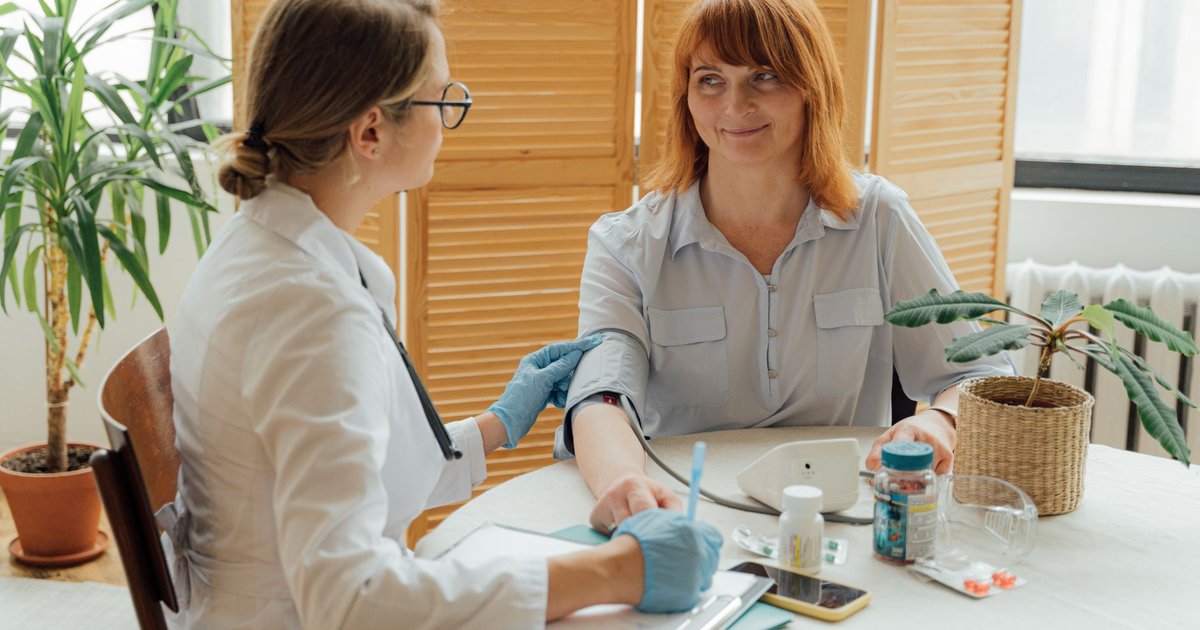
Under New York’s home care regulation (10 NYCRR 766.11), an agency must assess and document a new aide’s health status before the aide starts patient care, and the aide must be free of any health impairment that is a potential risk to patients. The agency must also keep records of measles and rubella immunity, a tuberculosis (TB) risk assessment and test before employment, and an annual health status assessment and TB assessment after that.
What does the New York State rule require for an HHA physical exam?
The rule is written for the agency, which is called the “governing authority or operator” in the regulation. It applies to home health aides and personal care aides who have direct patient contact. Here is what it says, section by section:
| Requirement (10 NYCRR 766.11) | What it says |
|---|---|
| Health assessment before work | The health status of all new personnel is assessed and documented before they take on patient care duties. No one may start who is not free from a health impairment of potential risk to the patient or that might interfere with their duties, including habituation or addiction to depressants, stimulants, narcotics, alcohol or other substances that may alter behavior. |
| Rubella | A record of immunity: a lab report showing rubella antibodies, or a document showing one dose of live rubella vaccine on or after 12 months of age. |
| Measles | For anyone born on or after January 1, 1957: a lab report showing measles antibodies, documented two doses of vaccine, or a document of a measles diagnosis. |
| Tuberculosis | Before employment: an individual TB risk assessment, a symptom evaluation and a TB test. Annual assessments afterward. |
| Annual health check | A health status assessment every year, or more often if necessary. |
| Influenza | Documentation of flu vaccination, or wearing a surgical or procedure mask during flu season if unvaccinated. |
The same section requires the agency to verify identification and employment history, and to run a criminal history record check to the extent required by a related state rule (Part 402). It also keeps an employee’s medical records separate from the rest of the personnel file and treats them confidentially, like patient records.
The words “free from any health impairment” are the standard. The regulation does not list a specific exam form, a required clinic or a time window such as “within 12 months.” Agencies may set their own forms and add requirements, so ask your agency exactly what it wants.
How do I prove measles and rubella immunity?
This is where most paperwork delays happen, and the regulation is more flexible than many people think. A blood test (titer) is only one option.
| Disease | Acceptable proof |
|---|---|
| Rubella | (1) Document from a physician, physician assistant, nurse practitioner, licensed midwife or a permitted laboratory showing rubella antibodies; or (2) one dose of live rubella vaccine given on or after age 12 months, with product and date, prepared by the practitioner who gave it; or (3) a copy of either document from a previous employer or school. |
| Measles (born on or after January 1, 1957) | (1) Lab or practitioner document showing measles antibodies; or (2) two doses of live measles vaccine, the first on or after 12 months of age and the second more than 30 days later and after 15 months of age; or (3) a document from the practitioner who diagnosed measles; or (4) a copy of any of these from a previous employer or school. |
| Medical exemption | A written statement from a licensed physician, physician assistant, midwife or nurse practitioner that the vaccine may be detrimental to the person’s health. The nature and duration must be stated in the personnel record. |
If you can find school or old employer records, you may not need a new test. Ask for a copy while you still have contact with the old employer. Keep digital copies of everything.
What TB screening does an HHA need?
The regulation says TB checking happens before employment and every year after that, with a few specifics:
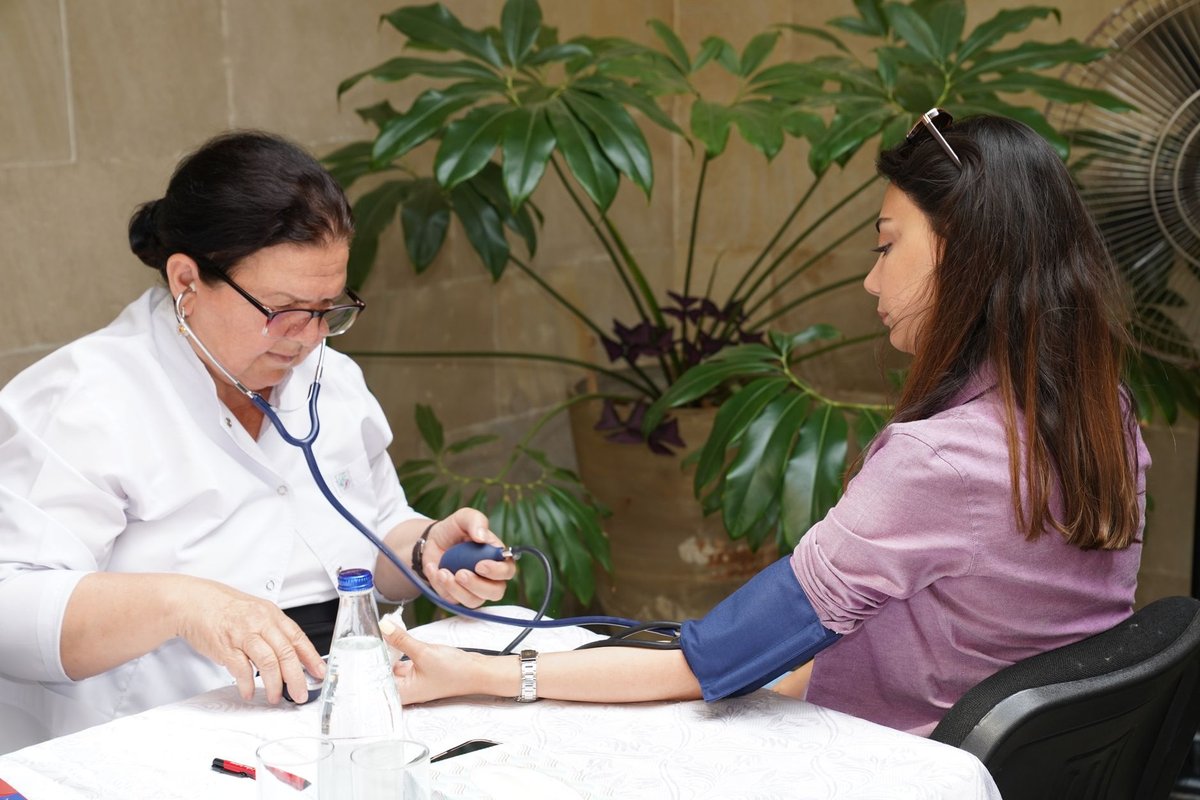
- Before employment: an initial individual TB risk assessment, a symptom evaluation and a TB test, either a tuberculin skin test or an FDA-approved blood test for latent tuberculosis infection.
- Every year: an annual assessment that includes education, an individual risk assessment and follow-up tests as indicated.
- Positive findings require appropriate clinical follow-up. The agency must have policies for follow-up, including help with and documentation of treatment for latent TB infection where indicated.
The regulation does not say a skin test must be done in two steps or that a chest X-ray is required. Those may be agency or clinic policies, or your clinician’s decision after a positive result. Ask the clinic what applies to you.
Is a drug test required to work as a home health aide in New York?
The regulation does not name a drug test. It requires that a person be free from a health impairment that could risk patients, including habituation or addiction to alcohol or other substances that may alter behavior. An agency may have its own hiring policy that includes testing. If an agency asks for a test, ask which substances it covers and what it does with prescriptions.
What else clears an HHA to work besides the exam?
Health clearance is one part of the process. The aide also needs the following, according to the regulation and the Department of Health’s home care pages:

- Training and a certificate. A home health aide completes 75 hours of training (59 classroom and 16 supervised practical) within 60 days of entering the program. Programs approved by the Department of Health may not charge tuition. See our HHA certificate guide.
- A listing on the Home Care Registry, with the registry number printed on the certificate. See how to check the registry and our guide to PCA training and the registry.
- The background investigation. The Department of Health says workers applying to an agency undergo a background investigation including a fingerprint-based criminal history record check. If it is favorable and the certification is current, the registry shows “Yes” for approved for employment. If disqualifying factors are found, the status is “No” and agencies may not hire the person.
- Identity and employment history checked by the agency.
- The health file: the records in the sections above.
Once working, home health aides must take 12 hours of in-service training a year and personal care aides 6 hours, under the same section of the regulation. If you are job hunting, see HHA jobs in NYC, and if your certificate has lapsed, read how to renew an HHA certificate.
What should a family ask an agency about its aides’ health clearance?
The regulation obliges agencies to keep this information, so it is fair to ask whether aides assigned to your home have a current health assessment, measles and rubella proof, TB screening and flu vaccine or mask documentation. Because an employee’s medical records must be kept confidential, an agency will usually confirm compliance rather than hand over an aide’s file. Our guide to choosing an agency has more questions to ask.
We are a licensed home care agency in Brooklyn and Queens, New York State Department of Health licence #2572L001. If you are an aide or a family with questions about clearance and onboarding, call (718) 232-2777 or use our contact page.
Regulations and agency policies change. Everything above was checked on 9 October 2026 against the text of 10 NYCRR 766.11 and the Department of Health’s Home Care Registry FAQ, home health aide training FAQ and personal care aide training guide. The state’s own regulation site blocked automated access, so the rule text was read from Cornell’s Legal Information Institute. Confirm what your employer requires with the employer.
Frequently asked questions
What physical exam does an HHA need in New York?
New York’s regulation requires the agency to assess and document an aide’s health status before the aide starts patient care, and again every year. The aide must be free from any health impairment that is a potential risk to the patient or that might interfere with the job, including habituation or addiction to substances that may alter behavior.
Do HHAs need blood titers for measles and rubella?
Not always. The regulation accepts a lab report showing antibodies, but also documented vaccine doses (one rubella dose, two measles doses) or, for measles, a document of a past diagnosis. A copy from a previous employer or school is also accepted.
What TB test does a home health aide need?
Before employment, an individual TB risk assessment, a symptom evaluation and a TB test, which can be a tuberculin skin test or an FDA-approved blood test. There is an annual TB assessment after that, and positive results need appropriate clinical follow-up.
Is a drug test required to be a home health aide in New York?
The regulation does not name a drug test. It requires that aides be free from health impairments that risk patients, including addiction. An agency can have its own testing policy, so ask before you apply.
Do home health aides need a flu shot?
The regulation requires documentation of flu vaccination, or the wearing of a surgical or procedure mask during flu season by personnel who have not received the vaccine for the current season.
How often must an aide’s health clearance be renewed?
The regulation requires an annual health status assessment, or more often if necessary, and an annual TB assessment. Immunity records for measles and rubella are kept on file.
Who pays for the HHA medical exam?
The regulation does not say. Ask your employer or training program before booking, and ask whether they have a clinic they use.