Diabetes management at home changes with age in a way that catches families off guard: older adults often don’t feel the classic warning signs of low blood sugar the way younger people do. That gap is exactly where home monitoring earns its keep.
Why diabetes in older adults needs a different approach
Per the American Diabetes Association’s Standards of Care, older adults have reduced awareness of the usual autonomic warning symptoms of low blood sugar — the sweating, shakiness and hunger that would normally signal it’s time to eat or check levels. Frailty, cognitive impairment, poor nutrition, and taking multiple medications (polypharmacy) all raise the risk of hypoglycemia in older adults living at home, often without the person noticing until it’s already significant.
This is also why the ADA recommends individualized glycemic targets for older adults rather than a one-size-fits-all number — a frail 85-year-old and a healthy 68-year-old with diabetes may reasonably have different targets, set by their own physician based on their overall health, not just their diabetes.
What a nurse or trained aide actually watches for
| Low blood sugar (hypoglycemia) | High blood sugar / hyperglycemic crisis |
|---|---|
| Confusion or sudden behavior change (often the first sign in older adults, more than sweating or shakiness) | Excessive urination and thirst |
| Unsteadiness, weakness | Unexplained weight loss |
| Sudden drowsiness | Vomiting, dehydration |
| Slurred speech | Change in cognitive state — confusion, unusual sleepiness |
Notice the overlap: confusion shows up on both lists. That’s precisely why relying on how someone “seems” isn’t enough — an actual blood sugar check is what tells you which direction the problem is running, and reacting the wrong way (treating a high as a low, or the reverse) can make things worse.
Routine monitoring, not just crisis response
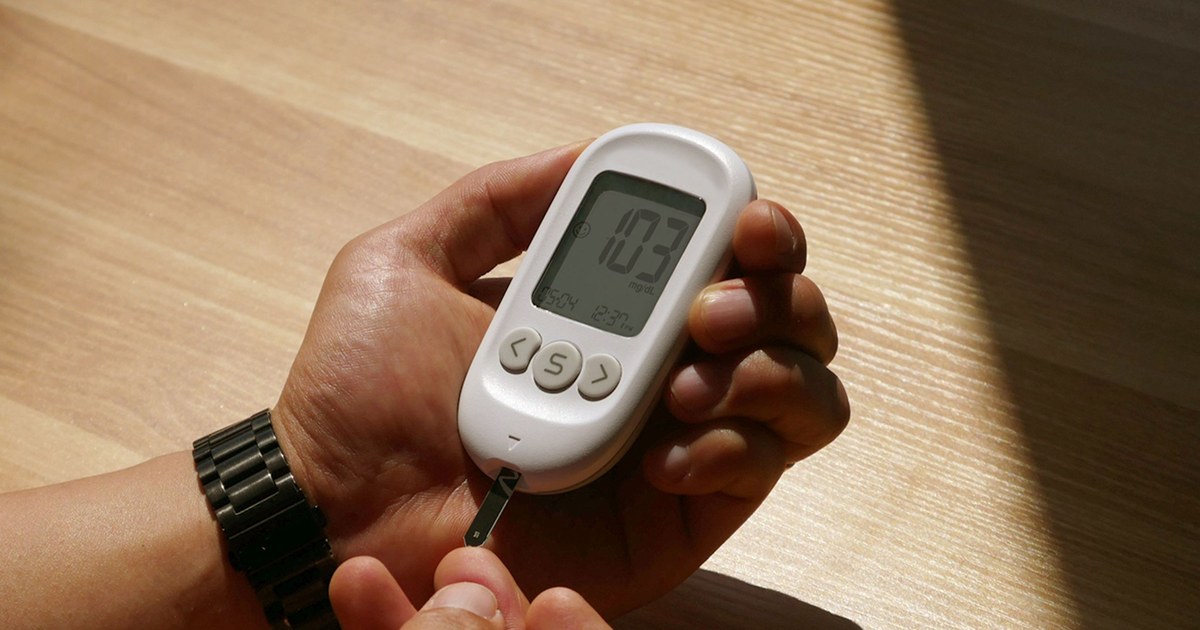
Day-to-day diabetes care at home generally includes regular glucose checks at consistent times, tracking patterns rather than single readings, medication administration on schedule, foot checks (people with diabetes are prone to slow-healing wounds and reduced sensation in the feet), and nutritional coordination around meals and medication timing. General target ranges cited by the ADA are 80–130 mg/dL before meals and under 180 mg/dL two hours after eating — but again, your physician may set different individual targets, especially for an older or frail patient, specifically to reduce hypoglycemia risk.
When it needs urgent attention
- Confusion, slurred speech, or a sudden behavior change in someone with diabetes — check blood sugar immediately rather than assuming it’s unrelated
- Vomiting combined with excessive thirst and urination
- Any loss of consciousness
- A wound on the foot or leg that isn’t healing, especially with redness, swelling, or drainage
What this looks like with in-home support
For someone managing diabetes with some cognitive decline, memory issues, or physical limitations, the risk isn’t usually a lack of knowledge about diabetes — it’s the day-to-day consistency of checking, dosing, and noticing changes early enough to matter. A skilled nursing visit schedule or a trained aide who checks in consistently closes exactly that gap. We provide nursing oversight and trained aides for diabetes management across Brooklyn and Queens — (718) 232-2777 or our contact page if you want to talk through what level of support fits.
Frequently asked questions
Why don’t older adults feel low blood sugar the way younger people do?
Age, frailty, and some medications reduce the body’s usual autonomic warning signals — sweating, shakiness, hunger — for hypoglycemia. Confusion or a sudden behavior change is often the more reliable sign in older adults.
What are the warning signs of high blood sugar in an older adult?
Excessive thirst and urination, unexplained weight loss, vomiting, dehydration, and changes in cognitive state such as confusion or unusual sleepiness.
Should blood sugar targets be different for older adults?
Often, yes. The American Diabetes Association recommends individualized targets for older adults, sometimes less strict than for younger patients, specifically to reduce the risk of hypoglycemia in frail or cognitively impaired individuals. This should be set by a physician, not a general rule.
What should I do if someone with diabetes suddenly becomes confused?
Check their blood sugar right away rather than assuming the cause. Confusion is a symptom of both low and high blood sugar, and treating it correctly depends on knowing which one it is.
Why do people with diabetes need regular foot checks?
Diabetes can reduce sensation and slow healing in the feet, so wounds or injuries can go unnoticed and worsen before they’re caught. Regular checks catch problems early.
This is general information, not medical advice. Blood sugar targets and treatment plans should be set individually by a physician. Sources checked 27 September 2026: American Diabetes Association Standards of Care.