
{
“@context”: “https://schema.org”,
“@type”: “FAQPage”,
“mainEntity”: [
{
“@type”: “Question”,
“name”: “What exactly are NYC senior home health AI diagnostics?”,
“acceptedAnswer”: {
“@type”: “Answer”,
“text”: “These are advanced software systems and medical devices used within New York City residences to monitor a senior’s vital signs and behavioral patterns. By using machine learning, these tools can identify subtle health changes, such as a slight increase in heart rate or a decrease in movement, which may indicate an impending medical issue before physical symptoms become obvious.”
}
}, {
“@type”: “Question”,
“name”: “How does Remote Health Monitoring improve safety for seniors living alone?”,
“acceptedAnswer”: {
“@type”: “Answer”,
“text”: “Remote Health Monitoring provides a continuous safety net by tracking metrics like blood oxygen, blood pressure, and fall detection. If the AI detects an anomaly, it automatically alerts healthcare providers or family members, ensuring that help arrives quickly, which is critical in a high-density environment like New York City.”
}
},
{
“@type”: “Question”,
“name”: “Is AI-driven home health technology covered by NY Medicaid or Medicare?”,
“acceptedAnswer”: {
“@type”: “Answer”,
“text”: “Coverage is expanding rapidly under New York State guidelines. Many Managed Long Term Care (MLTC) plans and Medicare Advantage plans now cover Remote Patient Monitoring (RPM) services because they reduce expensive emergency room visits and hospital readmissions. It is best to check with a specialist to see which specific AI tools are currently reimbursable.”
}
},
{
“@type”: “Question”,
“name”: “Do seniors need to be tech-savvy to use these diagnostic tools?”,
“acceptedAnswer”: {
“@type”: “Answer”,
“text”: “No, most modern NYC senior home health AI diagnostics are designed to be ‘passive.’ This means the technology works in the background through wearables or ambient sensors, requiring little to no interaction from the senior. The data is transmitted automatically to a secure portal for clinical review.”
}
},
{
“@type”: “Question”,
“name”: “Can AI replace the need for a home health aide?”,
“acceptedAnswer”: {
“@type”: “Answer”,
“text”: “AI is intended to augment, not replace, human care. While the AI handles data collection and early warnings, the physical and emotional support provided by a nurse or home health aide remains irreplaceable. The technology allows the human caregiver to be more effective by providing them with precise clinical data.”
}
}
]
}
As a nurse who has walked the halls of many New York City apartments, I know that your primary concern is the safety and dignity of your aging parents. We live in a city that never stops, but for a senior living at home, the fear of a sudden health crisis can feel overwhelming. Integrating NYC senior home health AI diagnostics into your family’s routine isn’t just about technology; it is about providing your loved ones with a digital guardian that watches over them when you cannot be there. My goal is to help you navigate these new tools so your family can focus on making memories rather than managing constant medical anxieties.
Clinical Quick Answer
NYC senior home health AI diagnostics utilize machine learning algorithms and Remote Health Monitoring devices to provide real-time clinical oversight for elderly patients in their own homes. These systems analyze physiological data to predict and prevent acute medical events like falls, cardiac distress, or respiratory failure. By bridging the gap between clinical visits and daily living, this technology ensures that NYC seniors receive proactive, data-driven interventions that significantly improve long-term health outcomes.
The Integration of AI in New York City’s Geriatric Care
- Modernizing Traditional Care Models: For decades, senior care in New York relied on periodic visits from nurses and aides. While essential, these visits only provide a “snapshot” of a patient’s health. NYC senior home health AI diagnostics change this by offering a “movie” of the patient’s condition, capturing data every minute of every day. This continuous stream allows clinicians to see trends that would be invisible during a standard 30-minute check-up.
- Addressing the Urban Health Challenge: Living in a vertical city like NYC presents unique challenges, such as isolation in high-rise apartments. AI monitoring systems act as a communication bridge, ensuring that even a senior living on the 20th floor in Manhattan is as closely monitored as a patient in a high-tech hospital ward. This is especially vital for those with mobility issues who find it difficult to travel to clinics in the outer boroughs.
- Predictive Analytics for Preventive Action: The true power of AI lies in its ability to predict. By analyzing patterns in sleep, gait, and heart rate variability, AI can warn a nurse that a senior is at high risk of a fall several days before it happens. In the context of NYC’s busy healthcare system, this foresight allows families to schedule preventive care before an emergency room visit becomes necessary.
The Critical Role of Remote Health Monitoring Systems
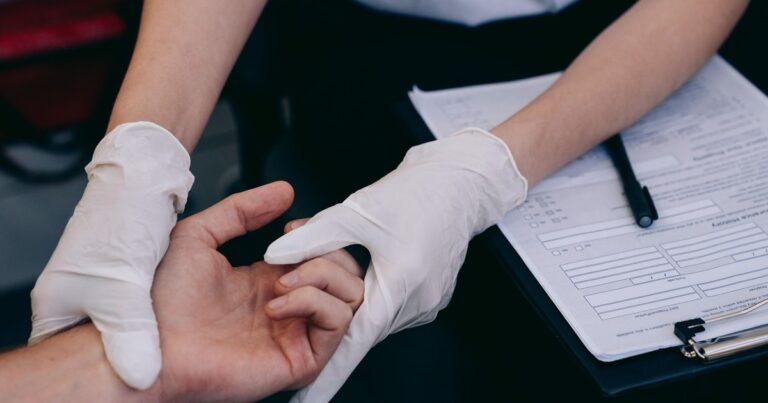
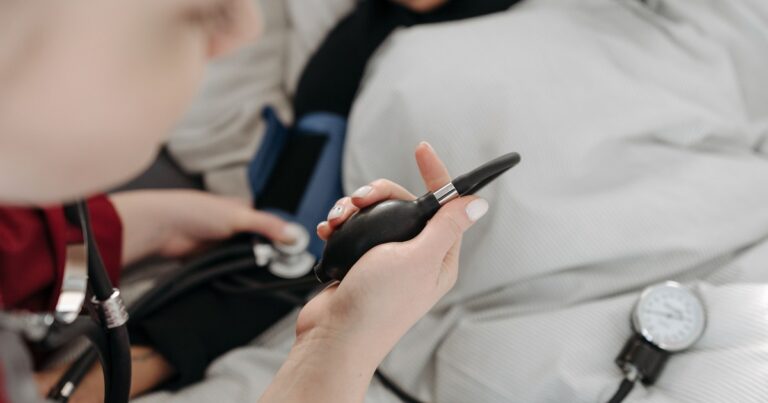
- Vital Sign Tracking in Real-Time: Remote Health Monitoring involves devices like smart scales, blood pressure cuffs, and pulse oximeters that automatically sync with a healthcare provider’s database. For a senior in Brooklyn or Queens, this means their doctor can see their oxygen levels or blood pressure readings instantly, without the patient needing to write anything down or use a computer.
- Ambient Sensing and Fall Detection: One of the most significant fears for NYC families is a loved one falling and being unable to call for help. Modern AI diagnostics include wall-mounted sensors that use radar or infrared technology to detect a fall without the need for a wearable pendant. These systems respect privacy while ensuring that help is dispatched the moment a change in posture or movement is detected.
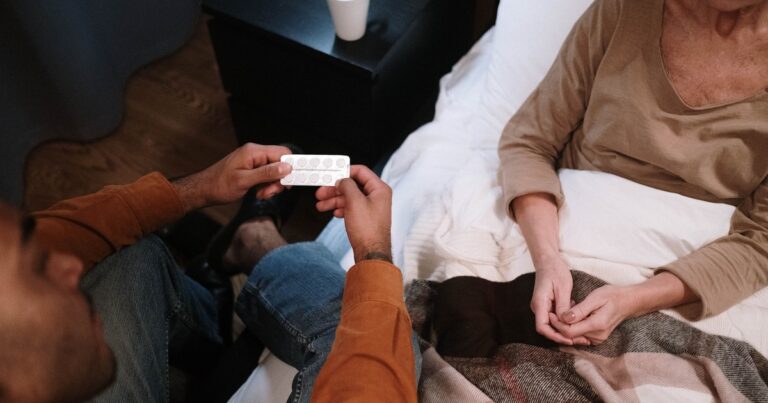
- Medication Adherence Monitoring: AI-powered pill dispensers can track whether a senior has taken their prescribed medications at the correct times. If a dose is missed, the system can send an automated reminder to the patient or an alert to their caregiver. In NYC, where many seniors manage complex medication regimens for multiple chronic conditions, this technology is a literal lifesaver.
Clinical Benefits for Chronic Disease Management
- Managing Congestive Heart Failure (CHF): CHF is a leading cause of hospitalization among NYC seniors. AI tools can detect microscopic changes in fluid retention through electronic scales and lung-fluid sensors. By identifying these changes early, clinicians can adjust diuretics and prevent the “fluid overload” that often leads to emergency department visits.
- Diabetes Oversight and Glucose Control: Continuous Glucose Monitors (CGM) integrated with AI can predict hypoglycemic events before they occur. This is particularly important for seniors who may have “hypoglycemia unawareness,” where they no longer feel the symptoms of low blood sugar. The AI can alert a family member in real-time, allowing for a quick intervention with a snack or glucose gel.
- Respiratory Health and COPD Monitoring: For seniors living in areas with high air pollution or fluctuating temperatures, AI can monitor respiratory rate and oxygen saturation. If the AI detects a downward trend in lung function, it can trigger a telehealth consultation, allowing a physician to prescribe antibiotics or steroids before a full-blown COPD exacerbation occurs.
Navigating New York State Regulations and Patient Privacy
- Adherence to NY State DOH Guidelines: All diagnostic tools used in home health must comply with strict standards set by the NY State DOH. This ensures that the equipment is medically graded and that the data it collects is accurate enough for clinical decision-making. NYC families should always verify that their provider uses DOH-approved technology.
- HIPAA and Data Security in the Digital Age: Patient privacy is a paramount concern when using AI. Reputable NYC home health agencies use encrypted platforms to ensure that sensitive health data is only accessible to authorized medical personnel. In a city where data breaches are a concern, choosing a provider with robust cybersecurity protocols is essential for protecting a senior’s identity and medical history.
- The Legal Landscape of AI in Nursing: New York state law is evolving to define how AI can be used in clinical practice. Currently, AI is classified as a “decision support tool,” meaning a human nurse or doctor must still make the final clinical judgment. This ensures that while the technology does the heavy lifting of data analysis, the human element of care remains central to the process.
Implementation Strategies for NYC Families
- Overcoming the Digital Divide: While many NYC seniors are tech-savvy, others may feel intimidated by new gadgets. Successful implementation starts with “passive” technology that doesn’t require the senior to change their daily habits. Families should look for devices that work via cellular signals rather than complex Wi-Fi setups, which can be unreliable in older NYC buildings with thick plaster walls.
- Training and Support for Caregivers: Integrating AI into home health requires a team effort. The best home health agencies in New York offer comprehensive training for family members and paid aides. This includes understanding how to read the dashboard, what different alerts mean, and when it is necessary to call 911 versus when to simply monitor the situation.
- Cost and Insurance Navigation: Many families are surprised to learn that Remote Health Monitoring is often covered by insurance. Under the New York Medicaid program, specifically within Managed Long Term Care (MLTC) plans, there are provisions for “telehealth” and “monitoring services.” Navigating these codes can be complex, so it is helpful to work with a specialist who understands the NYC reimbursement landscape.
The Future of Geriatric Care in the Five Boroughs
- AI and Cognitive Health: Future AI diagnostics are focusing on the early detection of cognitive decline. By analyzing speech patterns or changes in the speed of typing on a tablet, AI can identify early signs of Alzheimer’s or dementia. This allows NYC families to begin planning and treatment years earlier than was previously possible.
- Personalized Wellness Plans: We are moving toward a future where “one-size-fits-all” care is a thing of the past. AI can analyze a senior’s unique biological data to create a personalized nutrition and exercise plan. In a city with diverse cultures and lifestyles, this tailored approach ensures that care is culturally and physically appropriate for every resident.
- Enhancing the Human Connection: Counterintuitively, AI may actually increase the time nurses spend on meaningful care. By automating the “clerical” work of checking vitals, AI frees up NYC home health nurses to focus on the emotional and psychological needs of their patients. The technology handles the data so the humans can handle the heart.
Nurse Insight: In my experience, the most successful families are the ones who view AI not as a replacement for their presence, but as a communication tool. I have seen so many “sandwich generation” parents in NYC-those caring for kids and aging parents-find immense peace of mind through these apps. One client told me that being able to see her father’s stable vitals on her phone while she was at work in Midtown allowed her to focus on her job for the first time in years. This technology is about giving you back your life while ensuring your parents keep theirs.

Frequently Asked Questions
What exactly are NYC senior home health AI diagnostics?
These are advanced software systems and medical devices used within New York City residences to monitor a senior’s vital signs and behavioral patterns. By using machine learning, these tools can identify subtle health changes, such as a slight increase in heart rate or a decrease in movement, which may indicate an impending medical issue before physical symptoms become obvious.
How does Remote Health Monitoring improve safety for seniors living alone?
Remote Health Monitoring provides a continuous safety net by tracking metrics like blood oxygen, blood pressure, and fall detection. If the AI detects an anomaly, it automatically alerts healthcare providers or family members, ensuring that help arrives quickly, which is critical in a high-density environment like New York City.
Is AI-driven home health technology covered by NY Medicaid or Medicare?
Coverage is expanding rapidly under New York State guidelines. Many Managed Long Term Care (MLTC) plans and Medicare Advantage plans now cover Remote Patient Monitoring (RPM) services because they reduce expensive emergency room visits and hospital readmissions. It is best to check with a specialist to see which specific AI tools are currently reimbursable.
Do seniors need to be tech-savvy to use these diagnostic tools?
No, most modern NYC senior home health AI diagnostics are designed to be “passive.” This means the technology works in the background through wearables or ambient sensors, requiring little to no interaction from the senior. The data is transmitted automatically to a secure portal for clinical review.
Can AI replace the need for a home health aide?
AI is intended to augment, not replace, human care. While the AI handles data collection and early warnings, the physical and emotional support provided by a nurse or home health aide remains irreplaceable. The technology allows the human caregiver to be more effective by providing them with precise clinical data.
Contact ProLife Home Care NYC for a free clinical assessment:(718) 232 – 2777
Contact ProLife Home Care NYC for a free clinical assessment: (718) 232-2777