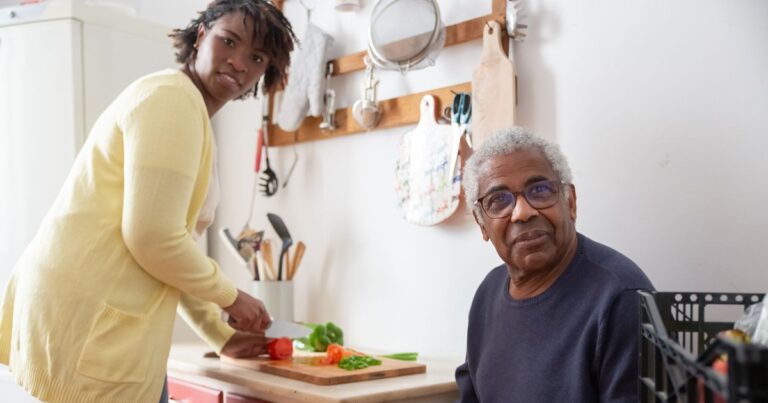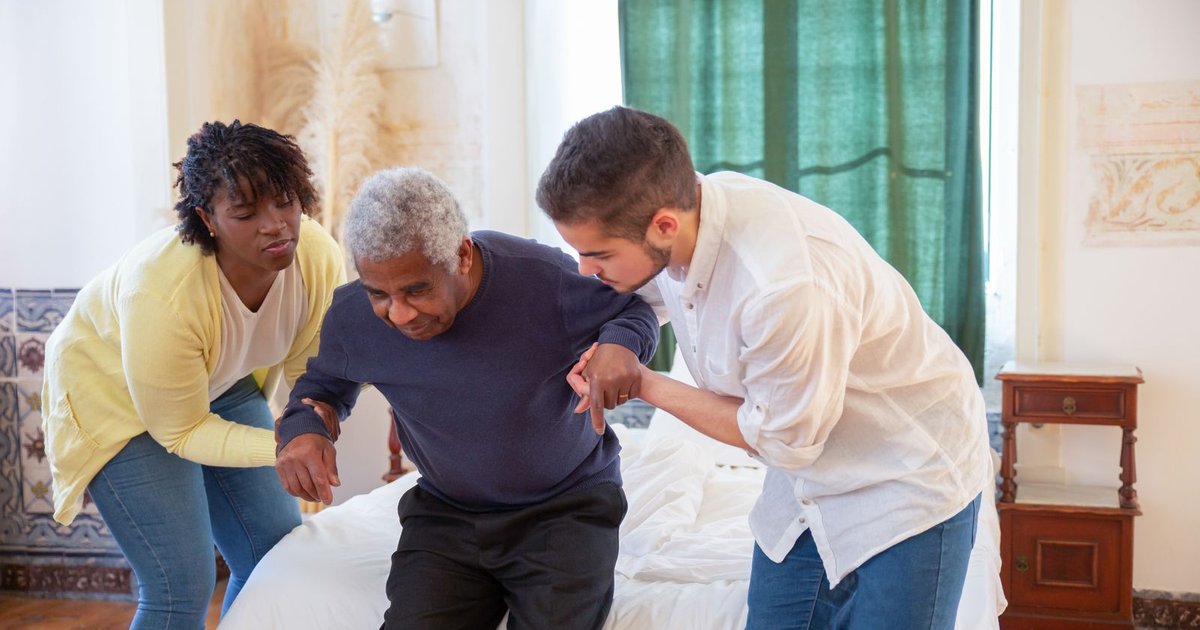
A home health aide (HHA) in New York is a certified aide who helps with bathing, dressing, meals and light housekeeping and also carries out simple health-related tasks, such as taking blood pressure, under the supervision of a registered nurse. A personal care aide (PCA) does the personal care and household part of the job but not the health tasks. Neither one is a nurse, and both work from a written plan of care.
What is a home health aide in New York?
The state defines the role in its regulations. Under 10 NYCRR 700.2, a home health aide carries out health care tasks under the supervision of a registered nurse or licensed therapist, and may also help with personal hygiene, housekeeping and related supportive tasks for a patient with health care needs at home. The aide must have completed approved basic training or an equivalent exam.
The same regulation describes a personal care aide as someone who, under professional supervision, helps with nutrition, the home environment, hygiene, feeding and dressing. The U.S. Bureau of Labor Statistics draws the same line in its occupational description: both types of aide help with daily personal tasks, while home health aides may also provide basic health services such as checking vital signs, under the direction of a nurse or another practitioner.
What does a home health aide do?
The clearest list comes from the state’s own Home Care Health Related Tasks Curriculum, the 35-hour half of HHA training. On top of everyday personal care, it teaches aides to do the following.
| Area | What the training covers | The limit |
|---|---|---|
| Simple measurements | Temperature, pulse, respirations and blood pressure; collecting routine urine, stool and sputum specimens | The aide measures, records and reports. The nurse interprets. |
| Meals and diets | Planning, shopping and preparing meals, including complex modified diets such as diabetic or low-sodium | Never mixing medication into food or drink |
| Exercise and moving | Assisting with a prescribed exercise program, such as passive range of motion, and helping a client sit, stand and transfer | Only what the care plan orders |
| Equipment | Assisting with oxygen equipment, a nebulizer, a CPAP machine, a condom catheter and emptying a urine drainage bag | Assisting, as the care plan directs |
| Skin and dressings | Positioning to protect skin and assisting with changing a clean dressing | Not a nurse’s wound assessment |
| Ostomy care | Assisting with changing or emptying an ileostomy or colostomy pouch and routine tracheostomy care | Under the nurse’s plan |
Every unit ends with the same habit: observe, record, report. An aide sees the person every day and can spot a new cough or a refused meal early. The curriculum dates from 2006 and 2007, so the tasks an agency assigns today come from the individual plan of care.
What does a personal care aide do?
For Medicaid personal care, 18 NYCRR 505.14 sets two levels of care. Level I is housekeeping only. Level II adds hands-on personal care.
| Level | Tasks the regulation lists |
|---|---|
| Level I (nutritional and environmental support) | Making beds; dusting and vacuuming the rooms the patient uses; light cleaning of the kitchen, bedroom and bathroom; dishes; laundry; shopping if no other arrangement is possible; bills and essential errands; meals, including simple modified diets. Authorization cannot exceed eight hours a week. |
| Level II (Level I plus personal care) | Bathing; dressing; grooming, including hair, shaving, nails, teeth and mouth; toileting; walking; transferring from bed to chair or wheelchair; turning and positioning; meals for low sugar, low fat and low salt diets; feeding; helping the patient take his or her own medication; routine skin care; using walkers and wheelchairs; changing simple dressings |
The regulation also lets aides supervise and cue a patient through these tasks when the person could not do them without that help. The HHA does all of this too. The difference is the health tasks in the first table.
Which tasks need a nurse, not an aide?
Aides assist and observe. Judgment, assessment and anything invasive belong to a licensed nurse.
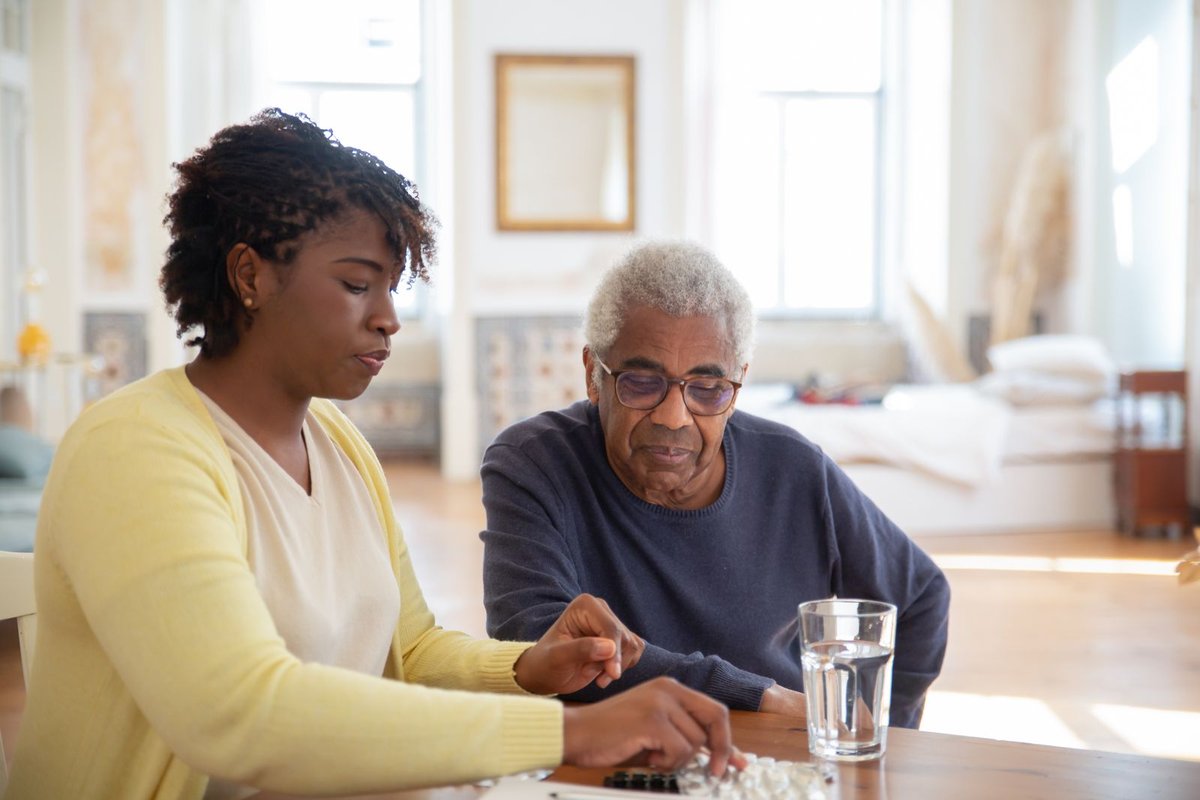
Medication is the most common point of confusion.
| Task | Can an aide do it? | What the source says |
|---|---|---|
| Reminding and handing over medication | Yes, as help with the patient’s own medication | 505.14 lists prompting, identifying the medication, bringing it and opening the container |
| Giving routine, prefilled medication | Only an advanced home health aide | Education Law 6908: extra training, a year of experience, and an RN who visits at least every two weeks and is on call 24/7 |
| Injections | Generally no | The same law bars injections, with narrow exceptions for advanced aides, such as insulin and prefilled epinephrine or naloxone auto-injectors |
| Sterile procedures and central line maintenance | No | Prohibited by Education Law 6908 |
| Nasogastric tube feeding | No | Per the state curriculum, aides never insert the tube, add formula or irrigate it |
| Deciding what a symptom means | No | Aides observe and report; the nurse evaluates |
| Heavy housekeeping | No | Level I is light cleaning of rooms the patient uses |
The “advanced home health aide” is a separate, state-regulated title, and the statute text says the provision is repealed on 31 March 2029. Ask whether your agency uses the role. If the person needs wound care, catheter management, injections or tube feeding, see nurse services, wound care, catheter care and private duty nursing.
How do HHA and PCA training and certification differ?
| Personal care aide | Home health aide | Advanced home health aide | |
|---|---|---|---|
| Basic training | 40 hours (505.14); PCA-only programs are approved by the state | 75 hours: 40 hours home care curriculum plus 35 hours health related tasks | A certified HHA plus an approved advanced training program |
| Yearly in-service | 6 hours | 12 hours | 18 hours, including medication management and injection safety |
| Health tasks | No, personal care only | Yes, under RN supervision | Plus routine prefilled medication, under RN supervision |
A PCA can take an upgrade course to earn an HHA certificate, according to the Department of Health’s training program FAQ. In-service hours come from 10 NYCRR 766.11. For how the certificate works and when it stays valid, see our HHA certificate guide; for the job side, HHA jobs in New York City. For help with hygiene and housekeeping only, see personal care services; if vital signs or equipment are involved, see in-home care.
What should a family expect on a typical visit?
Every visit follows the written plan of care. What the regulations describe is the supervision around it, for Medicaid personal care.
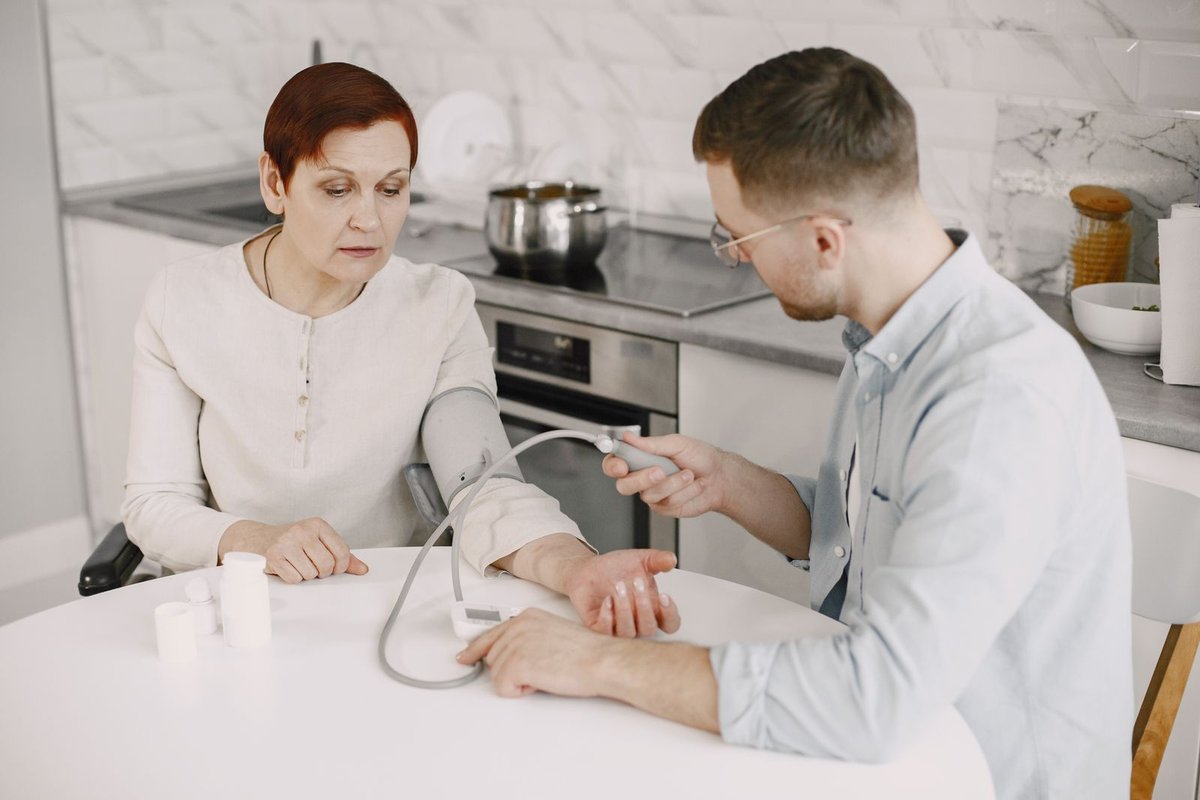
- A nurse sets the plan. The nurse who completes the assessment recommends how often a nurse will supervise the aide.
- The nurse meets the aide in your home. For an initial authorization, a nurse supervisor must hold an orientation visit with the aide present within seven calendar days of the aide being assigned. The nurse reviews the plan with the aide, patient and family.
- The aide does the listed tasks. No more, no less, plus observing, recording and reporting.
- Changes get reported. The nurse must immediately tell the case management agency about a change in mood, memory, health or home situation that affects the hours, or about anything that jeopardizes the person’s safety.
- The nurse returns. Supervisory visits must happen at least every 90 days, more often if the medical condition or the aide’s training needs require it. The nurse checks that the hours still fit.
These timing rules are written for Medicaid personal care. Ask any agency how often a nurse actually visits. For how hours are decided, see what Medicaid covers for home care.
What does a caregiver do?
“Caregiver” is a general word, not a job title in New York. The BLS notes that personal care aides are sometimes called caregivers, and families also use it for unpaid relatives and CDPAP assistants. The duties depend on which you mean.
- Family caregiver. Unpaid, with no training required, doing whatever the person needs.
- Agency aide (HHA or PCA). Trained, nurse-supervised and limited to the plan of care.
- CDPAP assistant. Hired and directed by the Medicaid member. The state’s comparison chart says a CDPAP caregiver may take health measurements such as pulse and blood pressure and do tasks described as skilled nursing services, with no required training. The same chart marks those tasks “no” for caregivers in agency-based personal care. See CDPAP eligibility.
How RN supervision of aides works: advice from our nurse director
Anna Klyauzova, RN, MSN, MPA, Director of Patient Services at ProLife Home Care, on what she sees in practice:
A registered nurse (RN) from the agency usually does the first assessment. She meets the patient and talks through their health and care needs. We look closely at what the person can really do, not just what they say they can do.
Three things separate a good agency. First, RN supervision: a care plan is only useful if someone keeps checking it against the patient’s current condition, and if the person starts falling more or moving worse, the plan changes. Second, matching: an HHA or PCA should fit on language, schedule, location and experience with the person’s needs, not only on certification. Third, replacement: if an aide isn’t right or can’t make a shift, the family should know exactly whom to call. See also how to choose an agency.
We are a licensed home care agency in Brooklyn and Queens, licence #2572L001, New York State Department of Health. To talk through which kind of aide fits your family, call (718) 232-2777 or use our contact page.
Regulations and programs change. Everything above was checked against the New York State Department of Health, the NYCRR text, nysenate.gov and the Bureau of Labor Statistics on 12 October 2026. Confirm what a specific aide may do with the supervising nurse.
Frequently asked questions
What does a home health aide do?
A home health aide helps with bathing, dressing, grooming, toileting, meals and light housekeeping, and does simple health tasks such as taking vital signs, assisting with prescribed exercises and equipment, and reporting changes to a nurse.
What is a home health aide?
In New York, a person who has completed approved aide training or an equivalent exam and carries out health care tasks under a registered nurse’s or licensed therapist’s supervision, along with hygiene and housekeeping help.
What is the difference between a home health aide and a personal care aide?
Both help with hygiene, dressing, feeding and household tasks. Only the home health aide is trained for health-related tasks such as vital signs and equipment help. HHA training is 75 hours; Medicaid personal care training is 40.
Can a home health aide give medication?
Not routinely. An aide can prompt and hand over a patient’s own medication. Giving routine prefilled medication is limited to a separately trained advanced home health aide working under a nurse. Injections are generally off limits.
What does a caregiver do?
It depends on the kind. A family caregiver does whatever the person needs, unpaid. An agency aide follows a nurse-supervised plan of care. A CDPAP assistant is hired by the Medicaid member and can do more health tasks, without certification.
How often does a nurse check on a home health aide?
Under the Medicaid personal care rules, a nurse supervisor must visit at least every 90 days, and more often if the patient’s condition or the aide’s training needs require it. Other programs may set their own schedule, so ask the agency.