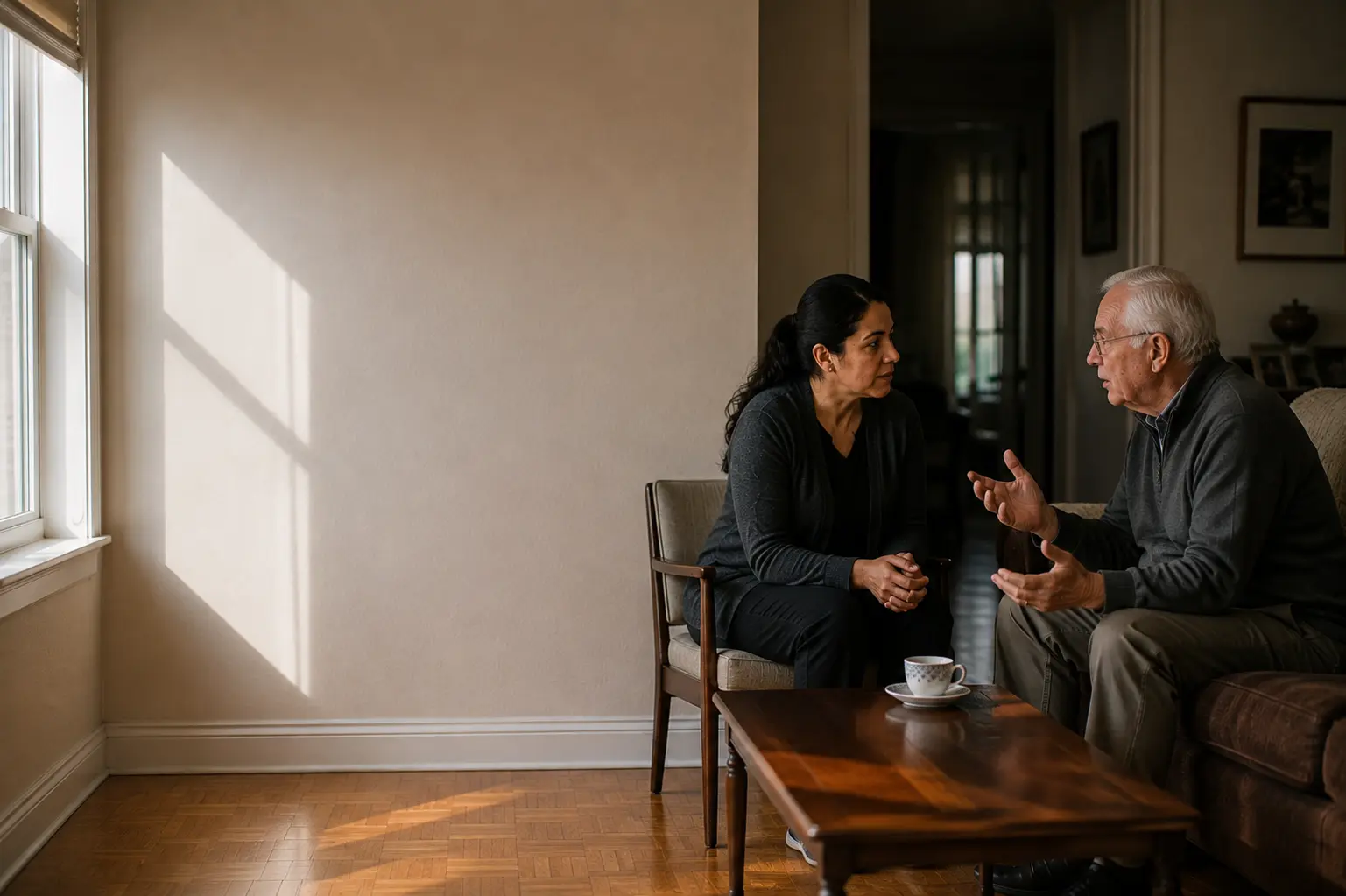
Он кашляет каждый раз, когда пьёт.
И все говорят: возраст
Логопедия на дому в Нью-Йорке
Обычно дело не в возрасте. Логопед лечит две вещи, которые принимают за одну: речь и язык после инсульта — и глотание, о котором никто не догадывается сказать на первом звонке и из-за которого огромное число людей возвращается в больницу. Эта страница про взрослых.
Подберём специалиста недалеко от дома.
Логопед занимается и речью, и глотанием.
Готово. Заявка у координатора, мы вам позвоним.
Ваши данные защищены и не передаются посторонним.
Проблемы с глотанием: то, что семьи пропускают
Логопедия на дому охватывает две вещи, и вот эту семьи пропускают. Трудность безопасно глотать называется дисфагией, и её лечит тот же специалист, что и речь. Об этом почти никто не знает, поэтому обычно именно это семьи и забывают сказать, когда звонят.

Её пропускают, потому что она выглядит как старение. Пожилой человек, который кашляет за едой, ест медленно или отказался от каких-то блюд, читается просто как человек, который стареет и капризничает. Изменение постепенное, и никогда нет момента, достаточно явного, чтобы сказать о нём врачу.
Признаки, о которых стоит сказать врачу
- Кашель или откашливание во время питья, особенно жидкого
- Влажный или булькающий голос какое-то время после еды
- Ощущение, что еда застревает или осталась где-то
- Еда занимает намного больше времени, чем раньше
- Тихий отказ от блюд, которые раньше ел
- Потеря веса без очевидной причины
- Повторяющиеся инфекции лёгких или пневмонии
Это список, с которым идут к врачу, а не диагноз. У каждого пункта может быть несколько причин, и глотание нужно проверять как следует, а не угадывать.
Реагировать на это стоит из-за того, к чему оно ведёт. Когда еда или жидкость попадает в дыхательные пути вместо желудка, это может вызвать аспирационную пневмонию, а она — одна из самых частых причин, по которой пожилой человек, справлявшийся дома, снова оказывается на больничной койке. Пневмонию лечат и записывают; проблему с глотанием под ней часто не замечают, и круг повторяется.
Лечение дома соединяет упражнения для нужных мышц, изменение того, как готовят еду и питьё, и поправки в позе, темпе и размере порции за столом. Родных учат, на что смотреть, потому что изменение замечает почти всегда тот, кто сидит напротив за ужином.
Одно скажем прямо, потому что большинство агентств оставляет это в тумане. Закон штата Нью-Йорк включает глотание в определение логопедии с 1997 года, и наш операционный сертификат эту услугу покрывает. Штат также требует, чтобы специалист работал только в пределах своей компетенции, а дисфагия — специализация, которая есть не у каждого логопеда. У некоторых наших есть. Поэтому, если направление именно из-за глотания, скажите на первом звонке, и мы подберём терапевта, который этим занимается, а не того, кто свободен. Если закрыть как следует не сможем, так и скажем, а не начнём и понадеемся.
Логопедия после инсульта
Инсульт может повредить речь тремя разными способами, и каждый требует своей работы. Семьи обычно описывают все три как «он не может нормально говорить», поэтому первый визит уходит на то, чтобы понять, что это на самом деле.
Афазия — это проблема с самим языком, а не со ртом. Слово есть, но не приходит; или приходит не то; или сказанное вам доходит как шум. Ум при этом сохранен, и именно поэтому за столом это так мучительно для всех. Терапия работает над тем, чтобы доставать слова, восстанавливать понимание и находить практические обходы — жест, письмо, доски с картинками, — чтобы общение продолжалось, пока язык восстанавливается.
Дизартрия — это проблема с мышцами. Слова находятся правильно, но выходят смазанными, тихими или замедленными, потому что ослабли губы, язык или дыхательная опора. Работа здесь ближе к физической тренировке: сила и согласованность мышц речи, темп, дыхание и приёмы, чтобы вас понимали, пока это выправляется.
Когнитивно-коммуникативные нарушения — наименее заметные из трёх. Речь звучит нормально, но внимание уплывает, нить разговора теряется, указания не удерживаются. Семьи часто принимают это за раннюю деменцию, а лечится это совсем иначе.
Как выглядит занятие дома
Логопедия на дому обычно проходит за кухонным столом, с той едой и тем питьём, которые реально есть в квартире. В этом и есть бо́льшая часть преимущества работы дома.

- Сначала оценка Как работает речь, как работает глотание и как на самом деле проходит день, включая то, что человек ест и от чего тихо отказался.
- Упражнения для глотания Прицельная работа с мышцами, участвующими в глотании, с повторением между визитами короткими ежедневными подходами.
- Консистенция еды Какие блюда безопасны как есть, какие надо менять и нужно ли загущать жидкости — разбирается на тех продуктах, которые стоят на кухне.
- Поза и темп Насколько прямо сидеть, сколько оставаться в вертикальном положении после, какого размера кусок, сколько между ними.
- Работа с языком и речью Называние, понимание, артикуляция и дыхательная опора — в зависимости от того, какая из трёх проблем в деле.
- Обучение семьи Как дать человеку с афазией время и не договаривать за него, и как должна и не должна выглядеть еда.
Логопедия на дому для взрослых
Ищешь это — и почти всё, что находится, про детей: первые слова, помощь в школе, домашние упражнения для четырёхлетнего. Работа со взрослыми — другая область. Отправная точка тут не развитие, а потеря. То, что работало семьдесят лет, изменилось, и человек это понимает, отчего возникает досада, которой в детской терапии просто нет.
Помимо инсульта обычные направления — черепно-мозговая травма, болезнь Паркинсона, где голос теряет громкость задолго до того, как теряет разборчивость, деменция, где задача — удержать общение, а не вернуть его, и восстановление после долгой интубации или операции на горле.
Работа дома здесь важнее, чем принято думать. Общение — это социальное действие, и отрабатывать его в клиническом кабинете с посторонним человеком не то же самое, что отрабатывать за столом, где происходит еда, с той семьёй, которая отныне будет по ту сторону каждого разговора.
Бо́льшая часть этой работы — со взрослыми, обычно после инсульта, и именно про них эта страница. Сам по себе возраст не фильтр: по назначению врача мы не откажем и молодому пациенту. По другой дорожке идут государственные программы для детей — Early Intervention для тех, кому нет трёх, и услуги школьного округа: они проходят собственные согласования, а не назначение врача.
Терапия на том языке, на котором ваша семья говорит
Логопедия должна идти на том языке, на котором пациент реально говорит, и здесь это важнее, чем в любой другой терапии. Физическую терапию во многом можно показать; логопедию — нет. Тренировка поиска слов на языке, выученном в сорок, мало что скажет о языке, на котором человек видит сны, а после инсульта нередко теряется второй язык, тогда как первый держится.

ProLife работает на русский, испанский, украинский, китайский, грузинский, бенгальский, корейский, арабский, гаитянский креольский, урду, польский и французский, и для русскоязычных районов юга Бруклина это не удобство, а условие, без которого терапия вообще не сработает.
Именно в логопедии планка выше, чем в уходе. Сиделке достаточно объясняться; логопед должен работать внутри грамматики и звуковой системы того языка, который лечит, а это значит владение на уровне почти родного. Поэтому честный ответ такой: языки, на которых работает агентство, и языки, на которых мы можем вести терапию, — не автоматически один и тот же список. Скажите при звонке, на каком языке нужны занятия, и мы сразу ответим, есть ли у нас такой логопед или вам лучше искать в другом месте.
Сколько стоит логопедия на дому и как часто приходит логопед
Цену частной оплаты мы публикуем открыто, чего почти ни одно агентство в Нью-Йорке не делает.
Цена зависит от района. Дорога через город отличается достаточно, чтобы одна общая цифра была нечестной. Ваш адрес мы подтверждаем на звонке до того, как что-то назначено, и вместе с ним подтверждаем ставку. Пакеты есть у физической терапии; логопедию мы считаем повизитно.
Два способа оплаты
Частная оплата — самый быстрый: одобрения ждать не надо, и расписание начинается, когда решите вы. Либо, если после выписки случай уже ведёт сертифицированное агентство ухода на дому, логопед может прийти от ProLife по договору с ним, и тогда условия ставит CHHA и счёт семье выставляет оно, а не мы. Почему мы не выставляем счета в Medicare напрямую и как сюда встают Medicaid и планы MLTC — написано на странице кто платит за терапию на дому.
Как часто приходит логопед
Длительность разнится сильнее, чем у двух других терапий. Кто-то заметно улучшается за недели; кто-то занимается месяцами, блоками, а не подряд.
Что решает количество визитов
План ухода, написанный после первой оценки. Особенно с глотанием: то, что происходит за каждой едой между визитами, значит больше самих занятий, поэтому семью учат вместе с пациентом.
План пишет и ведёт сам логопед — как независимо лицензированный специалист — и отчитывается перед врачом, назначившим терапию. Наша медсестра держит общий план согласованным, чтобы сиделка, работающая в том же доме, знала, о чём логопед просил на время еды.
Это речь или глотание? Опишите, что вы видите за едой, и медсестра за один звонок скажет, нужен ли здесь логопед и сколько это будет стоить.
Когда одной терапии мало
После инсульта все три обычно назначают на одном листе, и вести их вместе проще, чем одну за другой.
Сравнение всех трёх видов терапии · Частный сестринский уход · Услуги помощника по уходу на дому
Куда мы выезжаем
Логопеды приезжают на дом в Бруклине, Куинсе, Манхэттене, Бронксе, на Статен- Айленде и в округе Нассау, по лицензия NY DOH №2572L001. Первый визит обычно удаётся назначить от 24 часов после звонка, и дату решает адрес, а не район. Покрытие не везде одинаковое, и мы предпочтём сказать это на первом звонке, а не оставить вас ждать и выяснять самим.
Полная разбивка по районам, кварталам и офисам — на странице терапии на дому.
- Услуга
- Логопедия на дому
- Где
- Дома у пациента
- Округа
- Кингс, Куинс, Нью-Йорк, Бронкс, Ричмонд, Нассау
- Лицензия
- NY DOH лицензия NY DOH №2572L001, лицензированное агентство ухода на дому (LHCSA)
- Назначение врача
- Обязательно
- Обычная частота
- 1–3 визита в неделю
- Обычный курс
- 4–8 недель, с пересмотром по мере достижения целей
- Бруклин и Куинс
- $120 за визит
- Манхэттен
- $170 за визит
- Бронкс, Статен-Айленд, Нассау
- $170 за визит
- Кто платит
- Частная оплата или по договору с сертифицированным агентством ухода на дому
- Не выставляем
- Medicare и Medicaid managed care — для них нужна лицензия CHHA
- Клинический надзор
- Дипломированная медсестра пишет и проверяет план ухода
Медсестра читает назначение до того, как терапевт позвонит в вашу дверь
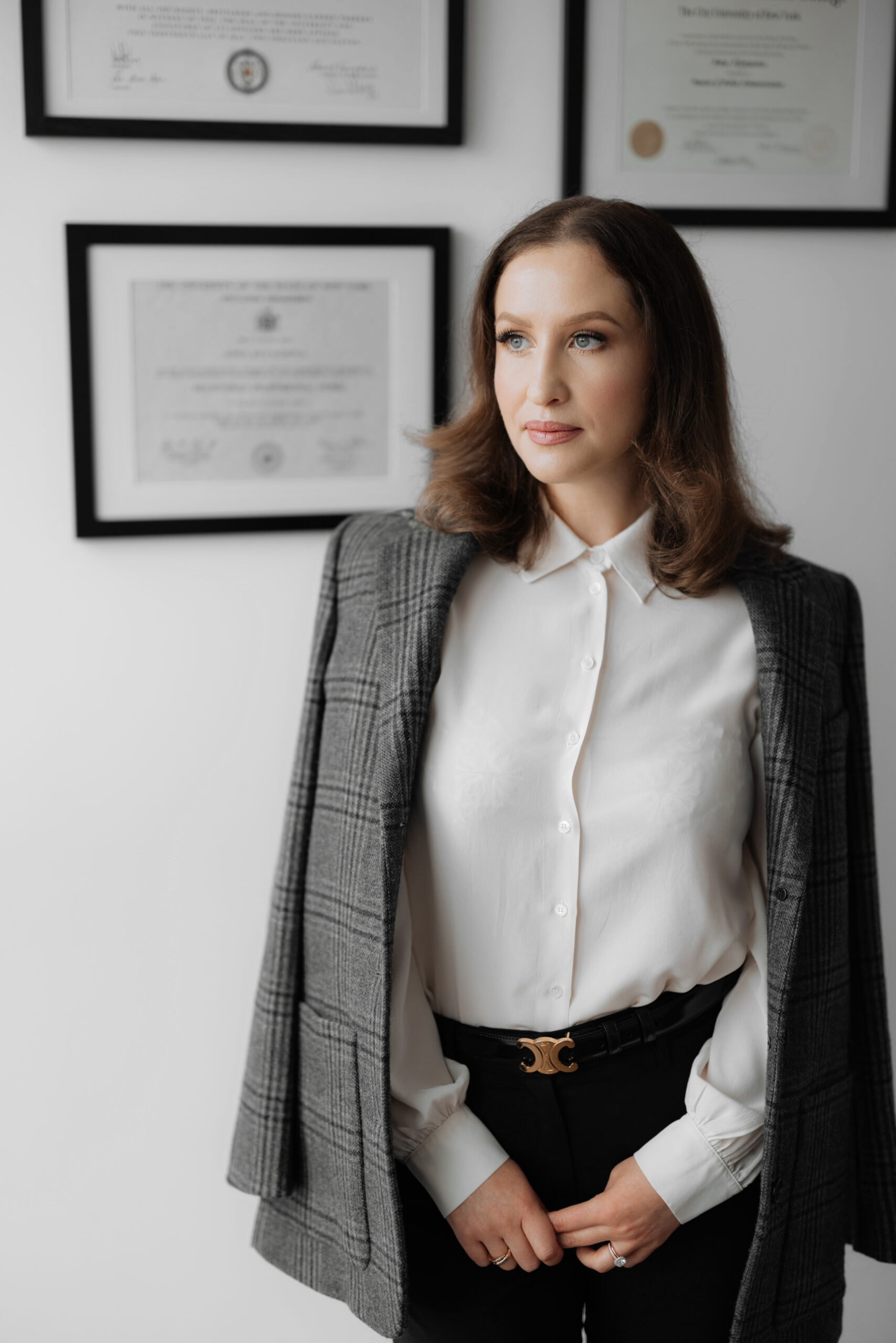
Анна Кляузова, RN, MSN, MPA
Анна просматривает каждый план ухода до того, как кого-то назначат. В логопедии раньше всего надо решить вопрос глотания: какой консистенции должна быть еда, кто её готовит и сказали ли об этом сиделке в доме. Рекомендация, которая живёт только в записях логопеда, за ужином не меняет ничего — а работать она должна именно там.
Она работает медсестрой с 2011 года — в Jacobi Medical Center, потом в Mount Sinai, где вела операционную бригаду, — прежде чем в 2017 году стала соосновательницей ProLife. Её профиль открыт в LinkedIn, а лицензия агентства открыта в NYS Health Profiles.
Семьи, которые позвонили нам первым делом
4.9★ при 120 проверенных отзывах в Google из Бруклина, Куинса, Манхэттена, Бронкса, Статен-Айленда и округа Нассау.
“Love this place! It is a very friendly, cozy environment. Irina the coordinator is very caring and friendly, she is always there when you need her.”
“I do not know what I would do without this agency. They gave me the best service I could ever imagine. Do not look anywhere else if you are looking for the best home care agency.”
“The staff there are very friendly and professional. You can always get help from them when you need. Strongly recommend to anyone looking for home care providers.”
Это отзывы об агентстве, а не о конкретном терапевте. Все они открыты и полностью читаются в нашем профиле Google.
О чём семьи спрашивают в первую очередь
Терапия — не самое трудное. Трудное — её организовать.
Оставьте номер, и медсестра перезвонит разобрать случай: что назначено, из чего это будет состоять и сколько будет стоить. Звонок бесплатный и ни к чему не обязывает.
Хотите позвонить сами? (718) 232-2777
Подберём специалиста недалеко от дома.
Логопед занимается и речью, и глотанием.
Готово. Заявка у координатора, мы вам позвоним.
Ваши данные защищены и не передаются посторонним.