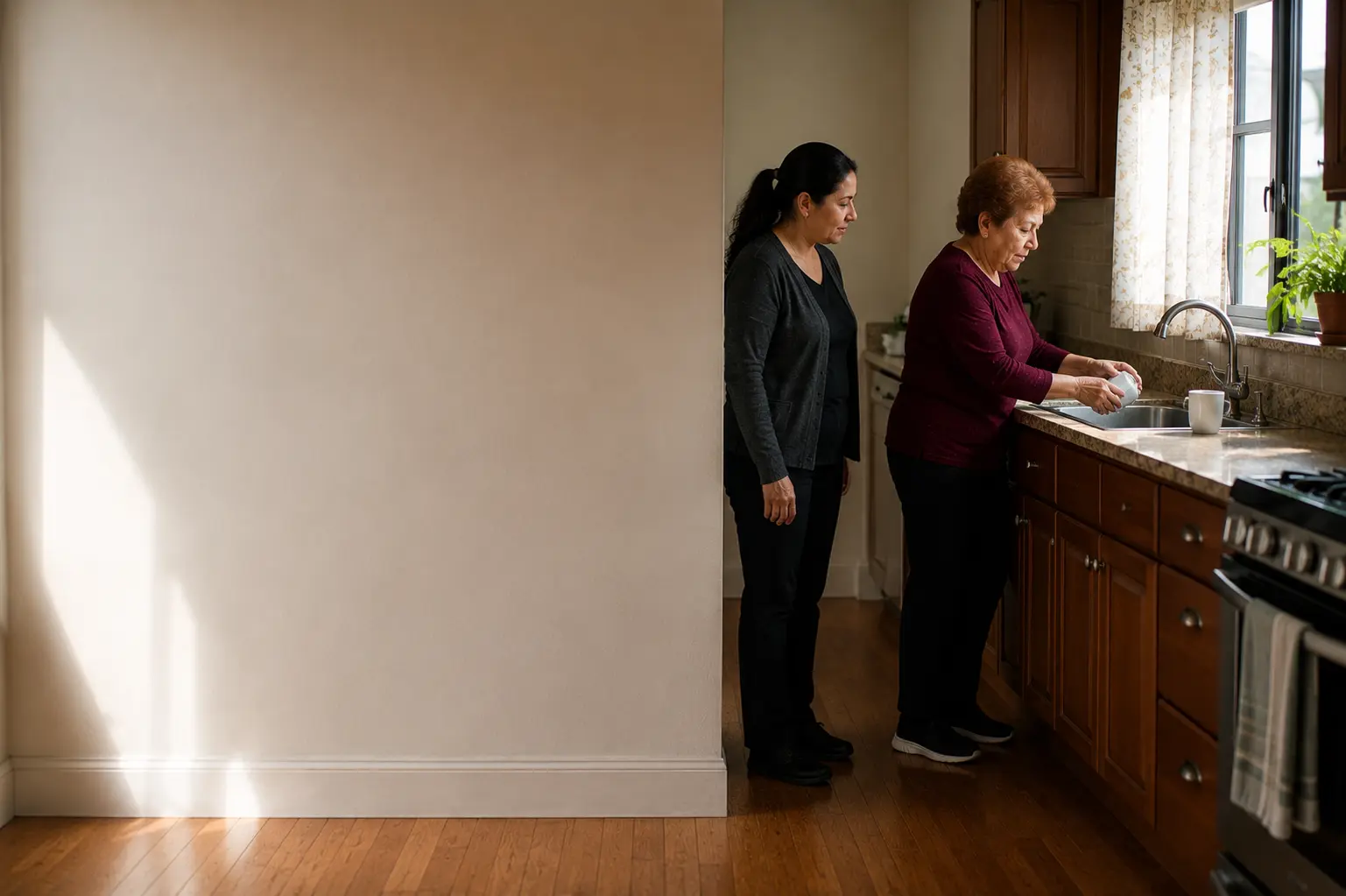
До кухни она дойти может.
Только обед приготовить уже не выходит
Эрготерапия на дому в Нью-Йорке
С ногами всё в порядке. Сломалась последовательность: дотянуться до сковороды, удержать банку, простоять достаточно, чтобы доготовить. Эрготерапия на дому работает с этими задачами и меняет квартиру там, где проблема в квартире.
Подберём специалиста недалеко от дома.
Терапевт покажет, что переставить в квартире.
Готово. Заявка у координатора, мы вам позвоним.
Ваши данные защищены и не передаются посторонним.
Чем эрготерапия отличается от физической
Об этом спрашивают первым делом, и ответ помещается в одну строку: физическая терапия — про то, чтобы двигаться; эрготерапия — про то, чтобы делать.
Одна работает с телом — сила, равновесие, ходьба. Другая работает с задачей: сможет ли она в итоге сама одеться, помыться и собрать еду. Человек может вернуть себе силы, чтобы стоять у стола, и всё равно не готовить, потому что готовка — это последовательность шагов, движений и захватов, а не одно движение.
| Эрготерапия | Физическая терапия | |
|---|---|---|
| Цель | Прожить день самостоятельно | Двигаться безопасно и с силой |
| Как проходит занятие | Отрабатывается настоящая задача, потом правится способ или приспособление | Упражнения, ходьба, равновесие, пересаживания |
| Пример | Одеться одной рукой после инсульта; стул для душа и губка на длинной ручке | Дойти до угла с тростью, а не с ходунками |
| Смотрит на квартиру | Да: планировка, высоты, освещение, хранение, ванная | В основном маршруты: лестница, коридоры, путь до туалета |
| Когда нужны обе | После инсульта, падения или долгой больницы — то есть чаще всего. Их обычно назначают вместе, а не одну за другой. |
Что эрготерапевт меняет в квартире
Эрготерапия на дому отчасти учит новому способу. Но во многом она придвигает квартиру ближе к человеку, чтобы переучиваться пришлось меньше.

- Поручни, в правильных местах Рядом с унитазом и внутри ванны, на высоте, которая подходит именно этому человеку, а не там, где стена оказалась удобнее. Терапевт отмечает место и высоту; поставить — работа мастера, а не терапии.
- Стул для душа и душ на шланге Стоя мыться — вот где случается огромная часть падений в ванной. Сидя риск исчезает совсем.
- Высота сидений и кровати Накладка на унитаз, кресло пожёстче, кровать на такой высоте, чтобы вставать не приходилось с разбега.
- Переставленная кухня Повседневные тарелки и сковородки — вниз, на уровень столешницы. Никто не должен лезть на табуретку за тем, чем пользуется дважды в день.
- Приспособления Рожок на длинной ручке, приспособление для носков, захват, открывалка для банок, утяжелённые приборы. Мелочи, каждая из которых возвращает целую задачу.
- Ковры, провода и свет Коврик в коридоре и лампа, до которой не дотянуться с кровати, калечат людей чаще, чем большинство готово поверить.
- Новые способы для старых дел Одеться одной рабочей рукой, мыться сидя, готовить в несколько подходов, а не за раз.
- Экономия сил Где сесть, когда отдохнуть, в каком порядке делать, чтобы день не кончался раньше самого важного в нём.
Проверка безопасности жилья
Проверка безопасности жилья — это обход квартиры комната за комнатой в поисках того, что приводит к падениям и травмам. Свет, ковры и провода, планировка ванной, высота сидений и кровати, что лежит вне досягаемости, насколько широк путь от кровати до туалета в три часа ночи. Обычно занимает меньше часа.

На выходе вы получаете письменный список, упорядоченный по тому, сколько разницы даёт каждый пункт, а не по тому, что легче сделать. Часть не стоит ничего: переложить коврик, сменить лампочку, освободить коридор. Часть — покупка на двадцать-тридцать долларов. Небольшая часть требует мастера. Чтобы было ясно, кто что делает: мы оцениваем и рекомендуем, а установку организует семья. Об этом стоит знать заранее, потому что список изменений полезен, только если кто-то собирается их сделать.
Делать это стоит до падения, а не после, и для семьи, которая скорее тревожится, чем разбирается с конкретной травмой, это самый полезный час эрготерапии.
Когда семье нужна эрготерапия
Эрготерапию на дому назначают после инсульта, при деменции, после перелома плеча или запястья, при артрите и при ухудшении зрения.
После инсульта. Одна сторона слабее или не слушается, и каждое двуручное дело дня приходится собирать заново: пуговицы, банки, мытьё, нарезка. Это самая частая причина направления.
При деменции. Работа смещается от обучения к упрощению: меньше выбора, одежда разложена по порядку, подписи там, где они помогают, опасное убрано. Значительная часть — обучение того, кто ухаживает, потому что обстановка делает больше, чем любые инструкции.
После перелома плеча, запястья или руки. С ходьбой порядок. А вот одеться, помыть голову и открыть банку — нет, и повязка меняет способ для каждого из этих дел.
При артрите. Защита суставов, приспособления для захвата и способы делать то же самое с меньшей нагрузкой, чтобы это оставалось возможным дольше.
При ухудшении зрения. Контраст, освещение, подписи и постоянные места вещей, чтобы она находила дорогу по памяти и на ощупь, когда зрение уже не справляется со всем.
Когда тревога общая. Ничего не случилось, просто растущее ощущение, что человек справляется хуже, чем раньше. Это законный повод обратиться, и обычно именно с него начинается проверка безопасности жилья. Возраст не фильтр: бо́льшая часть этой работы — с пожилыми, но по назначению врача мы не отказываем ни молодому пациенту, ни ребёнку. Иначе устроены государственные программы для детей — Early Intervention и услуги школьного округа: они идут через собственные согласования, а не через нас.
Эрготерапия после инсульта
Восстановление после инсульта описывают через ходьбу, потому что ходьба заметна. Но самостоятельность решают вещи помельче: застегнуть пуговицу, удержать чашку не расплескав, надеть рубашку на слабую руку, справиться в ванной без второго человека.

Эрготерапевт работает с поражённой стороной там, где она может восстановиться, и учит обходным путям там, где не может: одеться одной рукой, приспособления, разбить задачу так, чтобы усталость не оборвала её на середине. Если инсульт задел внимание и планирование не меньше движения, работа включает и то, чтобы помнить шаги и держаться их.
Речью и глотанием занимается другой специалист, и после инсульта все три вида часто назначают вместе. Смотрите логопедию и работу с глотанием.
Сколько стоит эрготерапия на дому и как часто приходит терапевт
Цену частной оплаты мы публикуем открыто, чего почти ни одно агентство в Нью-Йорке не делает.
Цена зависит от района. Дорога через город отличается достаточно, чтобы одна общая цифра была нечестной. Ваш адрес мы подтверждаем на звонке до того, как что-то назначено, и вместе с ним подтверждаем ставку. Пакеты есть у физической терапии; эрготерапию мы считаем повизитно.
Два способа оплаты
Частная оплата — самый быстрый: ничего не надо одобрять, и расписание начинается, когда решите вы. Второй путь — сертифицированное агентство ухода на дому, которое уже ведёт случай; там условия ставит CHHA и счёт семье выставляет оно, а не мы. Почему мы не можем выставлять счета в Medicare напрямую и как сюда встают Medicaid и планы MLTC — написано на странице кто платит за терапию на дому.
Как часто приходит терапевт
Проверка безопасности жилья сама по себе может быть одним визитом. После инсульта курс обычно длиннее и идёт вместе с физической терапией.
Что решает количество визитов
План ухода, написанный после первой оценки и правящийся по ходу. Бо́льшая часть пользы лежит в том, что происходит между визитами: поручень в правильном месте работает каждый день, а способ, выученный один раз, надо применять, когда терапевта рядом нет.
Не уверены, что это эрготерапия? Опишите, что она перестала делать по квартире, и медсестра за один звонок скажет, какая терапия подходит и сколько она будет стоить.
Когда одной терапии мало
Эрготерапия — про повседневные дела, физическая терапия — про движение, а логопедия — про речь и глотание. Две обычно идут рядом с этой, а после инсульта все три чаще всего приходят на одном листе назначений.
Сравнение всех трёх видов терапии · Уход при Альцгеймере и деменции · Услуги помощника по уходу на дому
Эрготерапия на дому по Нью-Йорку и округу Нассау
Эрготерапевты приезжают на дом в Бруклине, Куинсе, Манхэттене, Бронксе, на Статен-Айленде и в округе Нассау, по лицензия NY DOH №2572L001. Поскольку бо́льшая часть работы про саму квартиру, первый визит — это когда терапевт видит настоящую ванную и настоящую кухню. Первый визит обычно удаётся назначить от 24 часов после звонка, и дату решает адрес, а не район.
Все 48 районов
Все 47 районов
Все 32 районов
Все 43 районов
Все 37 районов
Все 39 районов
- Услуга
- Эрготерапия на дому
- Где
- Дома у пациента
- Округа
- Кингс, Куинс, Нью-Йорк, Бронкс, Ричмонд, Нассау
- Лицензия
- лицензия NY DOH №2572L001, лицензированное агентство ухода на дому (LHCSA)
- Назначение врача
- Обязательно
- Обычная частота
- 1–3 визита в неделю
- Обычный курс
- 4–8 недель, с пересмотром по мере достижения целей
- Бруклин и Куинс
- $120 за визит
- Манхэттен
- $170 за визит
- Бронкс, Статен-Айленд, Нассау
- $170 за визит
- Кто платит
- Частная оплата или по договору с сертифицированным агентством ухода на дому
- Не выставляем
- Medicare и Medicaid managed care — для них нужна лицензия CHHA
- Клинический надзор
- Дипломированная медсестра пишет и проверяет план ухода
Медсестра читает назначение до того, как терапевт позвонит в вашу дверь

Анна Кляузова, RN, MSN, MPA
Анна просматривает каждый план ухода до того, как кого-то назначат. Эрготерапия порождает список изменений в квартире, и именно на списке случаи буксуют: кто-то должен поставить поручень, кто-то должен продолжать пользоваться стулом для душа, а сиделка, которая приходит в другие дни, должна знать, о чём договорились. Это она и улаживает до начала расписания.
Она работает медсестрой с 2011 года — в Jacobi Medical Center, потом в Mount Sinai, где вела операционную бригаду, — прежде чем в 2017 году стала соосновательницей ProLife. Её профиль открыт в LinkedIn, а лицензия агентства открыта в NYS Health Profiles.
Семьи, которые позвонили нам первым делом
4.9★ при 120 проверенных отзывах в Google из Бруклина, Куинса, Манхэттена, Бронкса, Статен-Айленда и округа Нассау.
“Very good place. The staff are very friendly. The reception and care is very reliable. I recommend this place to everyone.”
“The staff is very nice and knowledgeable. Irene is always super helpful with all my questions and concerns. Strongly recommended!”
“The best home care agency you can find in New York. Very caring, professional, and knowledgeable staff. Helped me solve all the problems I had. Highly recommended!”
Это отзывы об агентстве, а не о конкретном терапевте. Все они открыты и полностью читаются в нашем профиле Google.
О чём семьи спрашивают в первую очередь
Терапия — не самое трудное. Трудное — её организовать.
Оставьте номер, и медсестра перезвонит разобрать случай: что назначено, из чего это будет состоять и сколько будет стоить. Звонок бесплатный и ни к чему не обязывает.
Хотите позвонить сами? (718) 232-2777
Подберём специалиста недалеко от дома.
Терапевт покажет, что переставить в квартире.
Готово. Заявка у координатора, мы вам позвоним.
Ваши данные защищены и не передаются посторонним.