Navigating the health needs of aging parents in the busy streets of Brooklyn can be overwhelming for any family․ Telehealth nursing for NYC seniors offers a modern solution that brings high-level clinical oversight directly into the comfort of the home․ This innovative approach ensures that your loved ones receive constant monitoring without the stress and physical exhaustion of frequent hospital commutes․ By utilizing digital health tools, families can enjoy the peace of mind that comes with knowing a professional is always watching over their relative’s well-being․
Clinical Quick Answer
Telehealth nursing utilizes remote patient monitoring (RPM) technologies to track vital signs such as blood pressure, glucose levels, and oxygen saturation in real-time․ These specialized Nurse Services allow clinicians to intervene early when data points deviate from a senior’s baseline, preventing acute escalations․ By integrating virtual check-ins with traditional home care, NYC seniors experience a 30% reduction in avoidable emergency room visits and improved chronic disease management․
The Integration of Remote Patient Monitoring (RPM) in Brooklyn
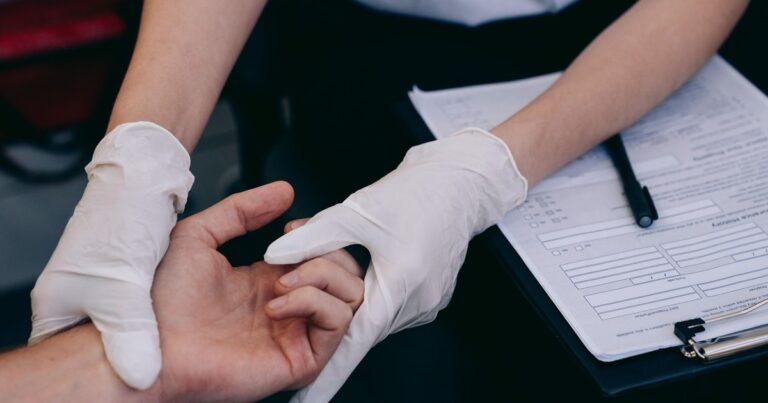
For many seniors living in the diverse neighborhoods of Brooklyn, from Brighton Beach to Bedford-Stuyvesant, accessing quality healthcare often involves logistical nightmares․ Telehealth nursing for NYC seniors is bridging this gap through Remote Patient Monitoring (RPM)․ This technology involves the use of digital devices to collect medical and other forms of health data from individuals in one location and electronically transmit that information securely to health care providers in a different location for assessment and recommendations․

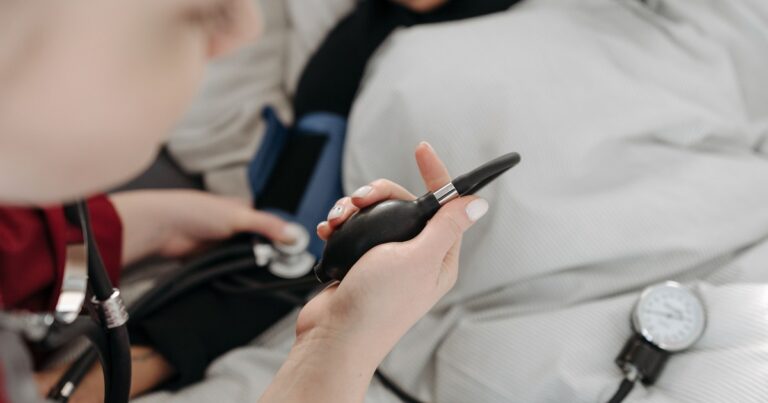
- Real-time blood pressure tracking for hypertensive patients helps prevent stroke and cardiovascular events․
- Digital weight scales monitor fluid retention in heart failure patients, allowing for immediate medication adjustments․
- Continuous glucose monitors (CGM) provide a comprehensive view of metabolic health for diabetic seniors․
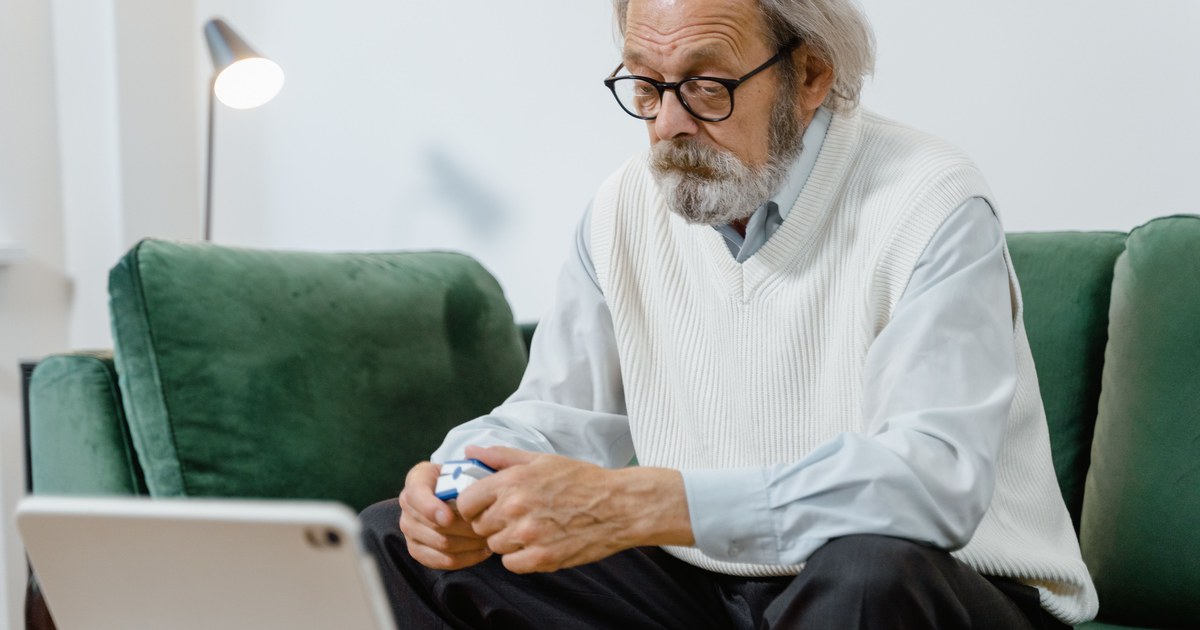
- Pulse oximetry ensures that seniors with COPD or recovering from respiratory infections maintain safe oxygen levels․
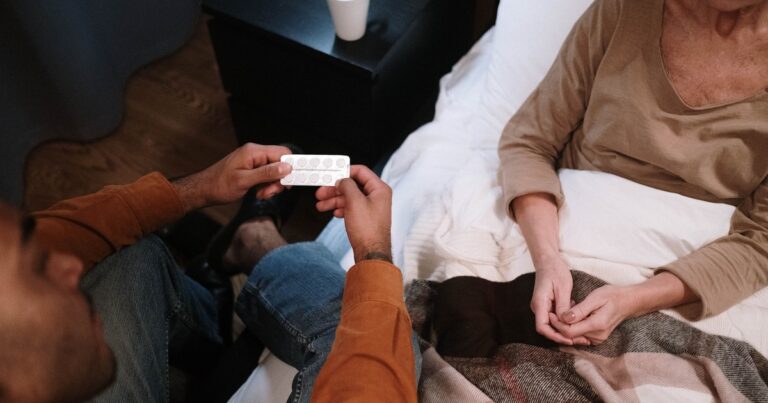
- Smart pill dispensers notify nurses if a dose is missed, ensuring strict medication adherence․
The clinical impact of these tools cannot be overstated․ When a nurse receives an alert that a patient’s weight has increased by three pounds overnight-a sign of potential heart failure exacerbation-they can coordinate with the primary care physician to adjust diuretics immediately․ This proactive stance is what makes telehealth an essential component of modern geriatric care in New York City․
Enhancing Chronic Disease Management through Virtual Care
Chronic conditions such as diabetes, hypertension, and congestive heart failure require constant vigilance․ In a traditional home care setting, a nurse might visit once or twice a week․ However, Telehealth nursing for NYC seniors provides a “continuous loop” of care․ This virtual oversight acts as an early warning system, identifying subtle changes in a patient’s condition that might go unnoticed by the patient or their family members until a crisis occurs․
- Virtual assessments allow nurses to visualize a patient’s physical state, checking for edema or changes in skin color via high-definition video․
- Education is delivered in real-time; nurses can guide seniors through dietary choices or exercise routines using interactive platforms․
- Nurses can conduct “virtual fridge audits” to help seniors identify foods that might be high in sodium or sugar․
- Care coordination is streamlined as data can be shared instantly with specialists across different Brooklyn hospital systems․
- Mental health screening is integrated, as frequent virtual check-ins help identify early signs of depression or cognitive decline․
By shifting from reactive to proactive care, tele-nursing empowers seniors to take an active role in their health․ It transforms the patient from a passive recipient of care into a partner who understands the relationship between their daily habits and their clinical data points․
Reducing Hospital Readmissions in the NYC Healthcare Ecosystem
One of the primary goals of the New York State Department of Health is to reduce 30-day hospital readmission rates, which are historically high among the elderly population․ Telehealth nursing for NYC seniors plays a pivotal role in this initiative․ By providing a “safety net” during the high-risk period immediately following hospital discharge, tele-nurses ensure that the transition home is successful and that the patient does not “bounce back” to the ER․
- Post-discharge follow-up calls occur within 24 hours to review new discharge medications and wound care instructions․
- Daily vital sign reviews catch early signs of infection or post-operative complications before they become emergencies․
- Virtual wound care consultations allow specialized wound nurses to oversee healing progress without the patient needing to travel․
- Physical therapy exercises can be monitored remotely to ensure the senior is moving safely and avoiding falls․
- The psychological comfort of knowing help is a button-push away reduces the anxiety that often leads seniors to call 911 unnecessarily․
In Brooklyn, where emergency rooms are often overcrowded, keeping seniors safely at home is beneficial for both the individual and the public health system․ Telehealth provides the clinical “eyes and ears” necessary to manage complex recovery plans in a domestic setting․
Overcoming the Digital Divide for Brooklyn Seniors
A common concern regarding Telehealth nursing for NYC seniors is the “digital divide․” Many elderly residents in Brooklyn may not have high-speed internet or feel comfortable using tablets and smartphones․ However, modern tele-nursing programs are designed with these challenges in mind․ Agencies are now providing “plug-and-play” kits that require zero technical knowledge from the senior, utilizing cellular data instead of home Wi-Fi․
- Devices are often pre-configured with large buttons and simple interfaces specifically designed for geriatric use․
- Home health aides are trained to assist seniors with the technical aspects of virtual visits during their scheduled hours․
- Bilingual technical support is provided to accommodate NYC’s diverse linguistic landscape, including Russian, Spanish, and Chinese-speaking communities․
- Family members can be looped into virtual visits, allowing them to participate in the care plan even if they work full-time or live in another state․
- Community-based organizations in Brooklyn often host “tech-literacy” workshops to help seniors feel more confident with digital health tools․
Removing these barriers is essential for equity in healthcare․ When technology is made accessible, it becomes a powerful tool for social inclusion, reducing the isolation that many homebound seniors experience․
Integrating Telehealth with NYC Medicaid and MLTC Plans
For many families, the cost of advanced care is a major concern․ Fortunately, New York’s Managed Long Term Care (MLTC) plans and Medicaid programs are increasingly recognizing the value of Telehealth nursing for NYC seniors․ Many plans now cover the cost of remote monitoring equipment and the professional nursing time required to manage the data․ This integration ensures that even low-income seniors can benefit from cutting-edge medical technology․
- MLTC care managers can authorize tele-nursing as part of the “Plan of Care” to supplement traditional in-person home care hours․
- CDPAP (Consumer Directed Personal Assistance Program) participants can use telehealth to consult with clinical professionals while managing their own caregivers․
- Documentation from telehealth visits serves as clinical evidence for the “Reasonable and Necessary” requirements for Medicaid services․
- Tele-nursing helps justify the need for continued services by providing hard data on the senior’s clinical stability or decline․
- Cost-sharing models are often available for those who are “dual-eligible” for both Medicare and Medicaid․
Navigating the bureaucracy of NYC Medicaid can be difficult, but tele-nursing provides a clear, data-backed trail of the senior’s health status, which can be invaluable during annual reassessments or when requesting an increase in care hours․
The Future of Hybrid Home Care Models
The future of home care in Brooklyn lies in a hybrid model that blends physical touch with digital precision․ Telehealth nursing for NYC seniors is not meant to replace the human element of nursing but to enhance it․ A hybrid approach ensures that a nurse is physically present for complex tasks like blood draws or catheter changes, while the virtual component provides 24/7 clinical vigilance․
- Artificial Intelligence (AI) is being integrated into tele-nursing platforms to predict falls based on changes in gait or activity levels․
- Wearable sensors are becoming less intrusive, allowing for sleep tracking and wandering alerts for dementia patients․
- Virtual reality (VR) is being explored for pain management and cognitive stimulation in homebound seniors․
- Blockchain technology ensures the absolute security and privacy of sensitive health data transmitted from Brooklyn homes․
- The expansion of 5G across NYC is enabling seamless, high-definition video consultations without lag or connection drops․
As we move forward, the definition of “home care” will continue to evolve․ By embracing these technological advancements, we ensure that our aging population can live with dignity, safety, and the highest possible quality of life in the city they call home․
Nurse Insight: In my experience, the greatest benefit of Telehealth nursing for NYC seniors isn’t just the data-it’s the relationship․ I’ve seen patients who were initially terrified of “the computer” become its biggest fans once they realized they could see my face and ask a question at 2 PM without waiting for a scheduled visit next Tuesday․ My advice to Brooklyn families is to start slow; let the senior get used to the equipment as a “friend” that helps them stay out of the hospital, rather than a monitor that’s “watching” them․ This psychological shift makes all the difference in compliance and overall health outcomes․
Frequently Asked Questions
Does Medicaid cover telehealth nursing services in New York City?
What equipment does a senior need for virtual vitals monitoring?
How does tele-nursing help if a senior has a medical emergency?
Can tele-health services assist with medication management?
Is my senior relative’s health data safe and private?
Contact ProLife Home Care NYC for a free clinical assessment:(718) 232 – 2777
Contact ProLife Home Care NYC for a free clinical assessment: (718) 232-2777