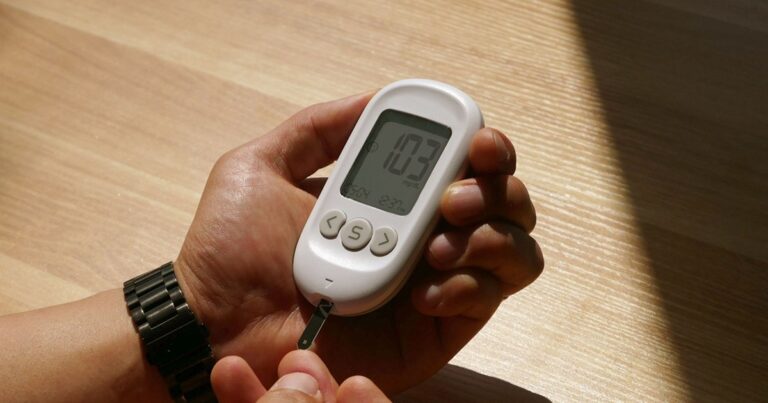
Diabetes Management for NYC Seniors is essential in 2026 because city living brings both opportunities and challenges. In the heart of New York City, healthy aging requires a careful balance between nutrition, physical activity, and medical oversight.

⚠️ 2026 Diabetes Update: Critical Summary
Malnutrition and “sugar crashes” while navigating NYC streets are the top clinical risks for diabetic seniors in 2026. New standards emphasize Continuous Glucose Monitoring (CGM) and timed nutrition using Glucerna. For those affected by 2026 wage adjustments, updating your Medicaid Redetermination status is mandatory to keep your supplies active.
Why Diabetes Management Is Critical for NYC Seniors
Seniors in New York City often walk more, rely on public transportation, and have access to diverse foods—factors that can help or hinder diabetes control depending on daily habits. As people age, diabetes becomes harder to manage due to changes in metabolism, vision, mobility, and memory.
Without consistent Diabetes Management for NYC Seniors, the condition can lead to serious complications such as heart disease, nerve damage, vision loss, and falls. These complications are among the top common health issues for older adults in our city. With the right strategies, however, seniors can maintain stable blood sugar levels and enjoy an active, independent lifestyle.
Understanding Diabetes in Older Adults
Type 1 vs. Type 2 Diabetes
Most seniors live with Type 2 diabetes, which is often related to insulin resistance and lifestyle factors. While Type 1 diabetes is less common in older adults, both types require careful monitoring, medication adherence, and healthy routines. Understanding your specific type is the first step in successful Diabetes Management for NYC Seniors.
Age-Related Challenges
Older adults may experience reduced appetite, difficulty preparing meals, or trouble remembering medications. Vision problems and arthritis can also make glucose testing and insulin administration harder. These challenges make management a coordinated effort involving healthcare providers, caregivers, and skilled nurse services for professional oversight.
Daily Blood Sugar Monitoring and Targets
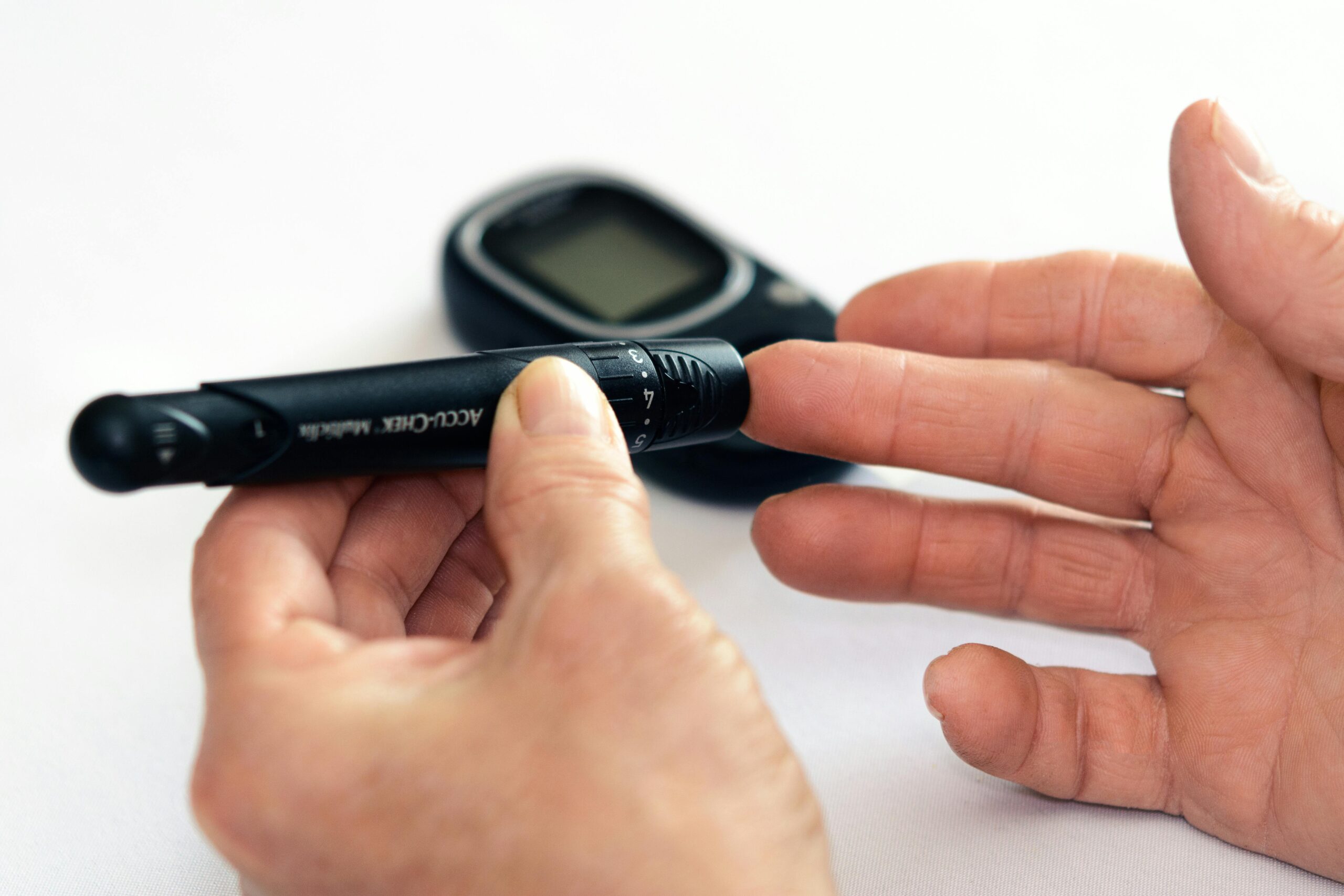
Regular blood sugar monitoring helps seniors understand how food, activity, stress, and medication affect their levels. Doctors at Mount Sinai or NYU Langone set individualized targets based on overall health. Keeping a simple log—on paper or a phone—can reveal patterns and prevent dangerous highs or lows. For seniors living alone in Manhattan or Brooklyn, consistent monitoring adds peace of mind and allows early intervention when levels are out of range.
Nutrition Tips for Seniors Living in NYC
Smart Grocery Shopping in the City
NYC offers countless grocery stores and greenmarkets in Flushing or Union Square. Seniors should focus on whole foods like vegetables, lean proteins, and healthy fats. Reading labels and choosing low-sugar, low-sodium options (and supplements like Glucerna) supports better control. Explore our full guide on nutrition for NYC seniors.
Dining Out and Cultural Foods
Eating out is part of city life. Seniors can manage diabetes by watching portion sizes, avoiding sugary drinks, and balancing meals with protein and fiber. Enjoying cultural foods is still possible with mindful choices and moderation. Awareness of ingredients is a cornerstone of Diabetes Management.
Physical Activity and Safe Movement
Walking and Low-Impact Exercise
Walking is one of the best activities for diabetes control, and NYC’s walkable neighborhoods make it accessible. Even short daily walks improve circulation and insulin sensitivity. Utilizing safe transportation options to reach local parks like Central Park or Prospect Park can make staying active easier. Chair exercises and stretching are great alternatives for those with limited mobility.
Medication Management and Adherence
Many seniors take multiple medications, increasing the risk of missed doses. Using pill organizers, setting reminders, and reviewing medications regularly with a pharmacist can prevent errors. Never skipping or adjusting doses without medical advice is critical. For help with logistics, staying updated on Medicaid Redetermination 2026 is vital to ensure medication coverage remains active.
Preventing Diabetes-Related Complications
Foot, Eye, and Heart Health
Daily foot checks help prevent infections and ulcers—learn more in our guide on foot care for seniors. Regular eye exams protect vision, while managing blood pressure reduces heart risks. Preventive care is far easier than treating complications later, making it a key part of Diabetes Management for NYC Seniors.
Mental Health and Emotional Well-Being
Living with diabetes can feel overwhelming. Stress and loneliness can raise blood sugar levels and reduce motivation. Staying socially connected through senior centers improves emotional health. Addressing mental health and loneliness helps seniors achieve better long-term outcomes.
Community Resources and Support Programs
NYC offers diabetes education and nutrition counseling through clinics in the Upper East Side or Sheepshead Bay. The NYC Health Department provides resources that help seniors learn self-care skills. If financial constraints are a concern, a NYS Pooled Trust may help protect your income for medical needs. Visit www.nyc.gov for official info.
Expert FAQ: Diabetes Management NYC 2026
1. Can seniors manage diabetes without medication?
2. How often should blood sugar be checked?
3. Is walking enough exercise for diabetes?
4. What should seniors do if blood sugar drops too low?
5. Are there free diabetes programs in NYC?
6. How does diabetes affect fall risk?
7. Does Medicaid cover diabetic supplies in 2026?
Professional Care for Your Health and Safety
At ProLife Home Care, we are dedicated to helping New York seniors manage diabetes in Brooklyn, Manhattan, and Queens. Contact us today for a free assessment.
Schedule Your Free Assessment