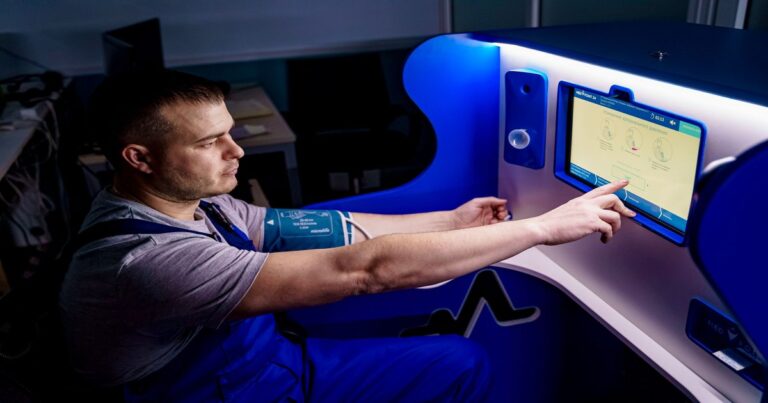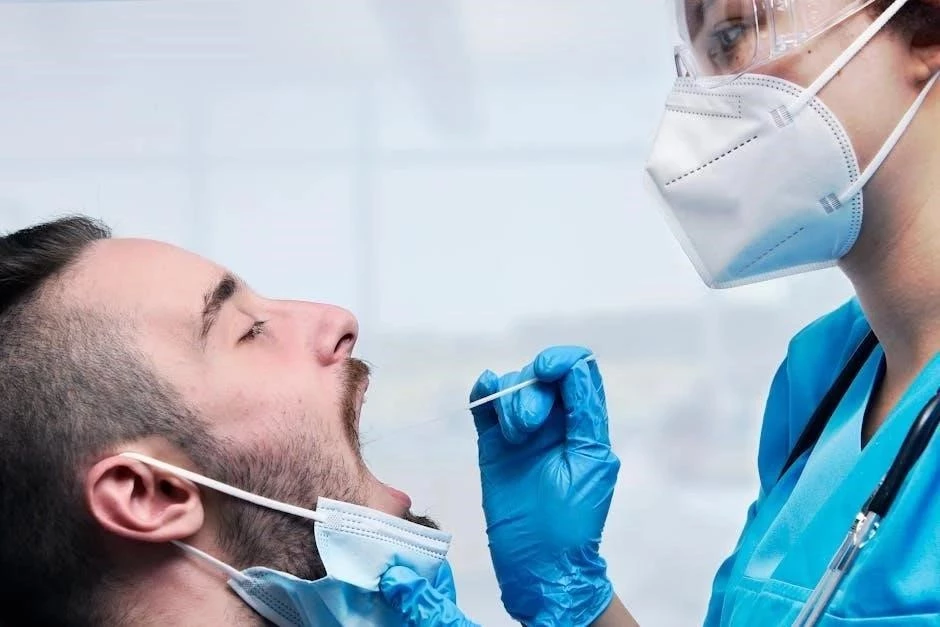
Navigating the complexities of pediatric care in the heart of New York City can be an overwhelming journey for any family. As a Senior Nurse, I have seen firsthand how the right balance of compassion and technology can transform the home environment into a true sanctuary of healing. We understand that your child is your world, and our mission is to bring the most advanced tools available into your living room to ensure their safety. By integrating cutting-edge solutions into our daily routines, we are making the Nursing Assessment NYC more precise, proactive, and personalized than ever before.
Clinical Quick Answer
The integration of AI in pediatric diagnosis home care NYC allows clinicians to monitor medically fragile children with unprecedented accuracy by analyzing trends in vital signs and early symptoms. These advanced algorithms support the Nursing Assessment NYC by flagging potential complications such as sepsis or respiratory failure hours before clinical manifestation. Ultimately, this technology empowers NYC home health nurses to intervene earlier, reducing hospital readmissions and improving the quality of life for pediatric patients.
Evolution of the Nursing Assessment NYC through Digital Intelligence
The traditional Nursing Assessment NYC has long relied on the keen eyes and ears of experienced registered nurses. However, the introduction of artificial intelligence has added a powerful new layer to this process. In the high-stakes environment of pediatric home care, where a child’s condition can change in a heartbeat, AI acts as a 24/7 vigilant assistant. By processing massive amounts of data from previous visits and real-time monitoring, AI tools can suggest specific areas of focus for the nurse during their physical examination.
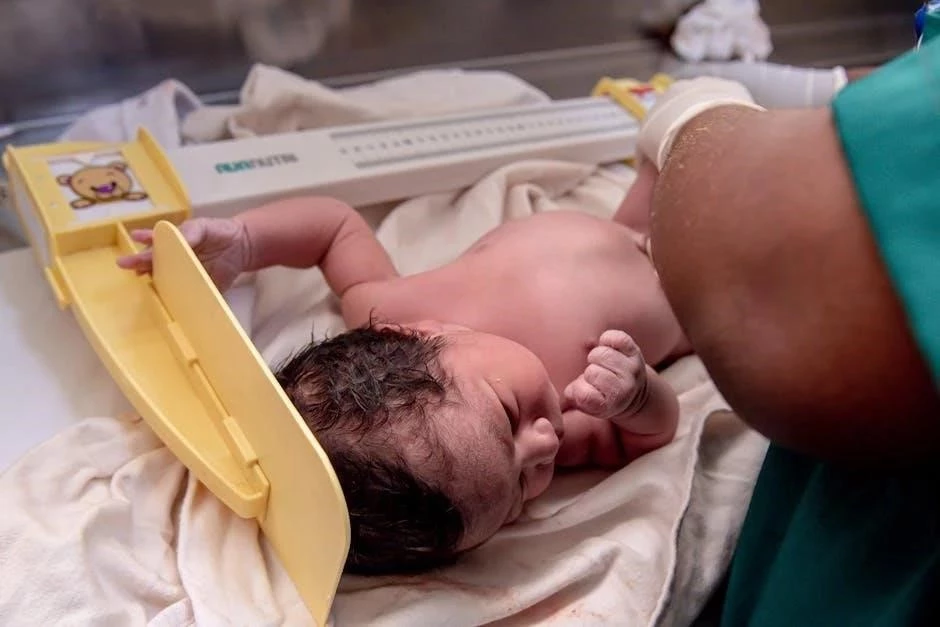
- Predictive Vital Sign Analysis: AI algorithms can analyze a child’s baseline heart rate and oxygen levels over weeks, alerting the nurse to subtle “drifts” that might indicate an oncoming infection or exacerbation of a chronic condition.
- Enhanced Physical Documentation: Speech-to-text AI allows NYC nurses to document findings in real-time without taking their eyes off the child, ensuring that the nuances of a pediatric assessment are captured accurately and instantly.
- Standardization of Care: AI helps standardize the Nursing Assessment NYC across different providers, ensuring that every child in the five boroughs receives a consistent level of high-quality diagnostic scrutiny regardless of their location.
- Gait and Mobility Tracking: For children with physical disabilities, AI-driven video analysis can track progress in mobility that might be too subtle for the human eye to measure accurately between weekly visits.
- Early Warning Scores: Automated systems can calculate pediatric early warning scores (PEWS) instantly during a home visit, providing an objective metric to support a nurse’s decision to escalate care to a physician.
Revolutionizing AI in Pediatric Diagnosis Home Care NYC
Diagnosis in a home setting presents unique challenges compared to a controlled hospital environment. The noise of a bustling NYC neighborhood or the limited space of an apartment can interfere with traditional diagnostic methods. This is where AI in pediatric diagnosis home care NYC becomes a game-changer. Advanced diagnostic tools equipped with machine learning can filter out environmental interference, providing clear and actionable data that leads to faster interventions.
- Smart Auscultation: AI-powered stethoscopes can identify heart murmurs or abnormal lung sounds by comparing them against a database of thousands of pediatric cases, helping nurses detect issues that require specialist follow-up.
- Dermatological Image Analysis: Nurses can use AI-integrated cameras to scan skin rashes or surgical wounds; the AI analyzes the image for signs of infection or healing delays, providing an immediate secondary opinion.
- Respiratory Pattern Recognition: AI software can analyze the sound of a child’s cough or the rhythm of their breathing to distinguish between a common cold and more serious conditions like bronchiolitis or pneumonia.
- Non-Invasive Monitoring: Many tools for AI in pediatric diagnosis home care NYC are non-invasive, meaning less stress for the child during what can often be a frightening diagnostic process.
- Point-of-Care Testing Integration: AI can interpret rapid test results (like glucose or electrolytes) in the context of the child’s historical data, offering a more comprehensive view of their metabolic health.
Predictive Analytics for Medically Fragile Children
For children in New York City with complex medical needs, such as those requiring ventilators or feeding tubes, the ability to predict a crisis is lifesaving. Predictive analytics use historical health records and real-time data to forecast potential health events. This proactive approach shifts the focus from reactive “crisis management” to a preventative model of care that keeps children out of the emergency room.
- Sepsis Prediction: In pediatric patients, sepsis can progress with terrifying speed. AI models monitor temperature, heart rate, and perfusion patterns to flag early signs of systemic inflammation.
- Equipment Failure Forecasting: Many home health devices now use AI to monitor their own performance, alerting the Nursing Assessment NYC team if a ventilator or infusion pump is likely to malfunction.
- Medication Adherence and Impact: AI can track how a child responds to new medications, noting if there are negative trends in sleep, appetite, or activity that might suggest a need for a dosage adjustment.
- Social Determinants of Health: Advanced AI platforms can factor in NYC-specific data, such as local air quality or pollen counts, to predict respiratory flare-ups in asthmatic pediatric patients.
- Hospitalization Risk Scoring: By analyzing a multitude of factors, AI generates a “risk score” that helps home health agencies prioritize which children need more frequent visits or a more intensive Nursing Assessment NYC.
Enhancing Communication and Collaborative Care
Care for a pediatric patient in NYC often involves a large team, including primary care doctors, specialists from major hospital systems like Mount Sinai or NYU Langone, and home health nurses. AI facilitates the seamless flow of information between these parties, ensuring that the results of every Nursing Assessment NYC are immediately available to the entire care team; This connectivity reduces the burden on parents to “act as the doctor” and repeat information to every clinician they encounter.
- Automated Alerts to Specialists: If the AI in pediatric diagnosis home care NYC detects an anomaly, it can automatically trigger an alert to the child’s cardiologist or pulmonologist for immediate review.
- Unified Health Records: AI helps synthesize data from various sources into a single, easy-to-read dashboard for the home health nurse, providing a 360-degree view of the child’s health history.
- Telehealth Integration: During a home visit, a nurse can use AI-enhanced video tools to consult with a specialist, allowing the specialist to see “through the nurse’s eyes” with high-definition, AI-stabilized imagery.
- Family Portal Updates: AI can summarize complex clinical findings from a Nursing Assessment NYC into plain language for parents, helping them stay informed and confident in their child’s care plan.
- Resource Coordination: AI tools help agencies manage the logistics of NYC traffic and scheduling, ensuring that nurses spend more time with patients and less time in transit.
Overcoming Challenges in the NYC Home Environment
NYC presents unique environmental factors that can impact a child’s health, from the high-density living conditions to the varying ages of apartment buildings. AI technology is specifically being adapted to account for these variables. Whether it is monitoring indoor air quality or helping a nurse navigate a complex social situation, digital tools are becoming indispensable in the delivery of pediatric home care.
- Environmental Sensors: Integrating AI with home sensors can monitor for triggers like mold or high CO2 levels that could affect a child’s respiratory status.
- Translation Services: AI-powered translation tools allow nurses to perform a thorough Nursing Assessment NYC in families where English is not the primary language, ensuring no symptom is lost in translation.
- Nutritional Analysis: AI apps can help parents and nurses track the caloric and nutritional intake of children with failure to thrive, providing data-driven recommendations for dietary adjustments.
- Stress Monitoring for Caregivers: Some AI platforms include tools to monitor the stress levels of the child’s primary caregivers, identifying when they might need additional support or a respite break.
- Optimization of Supplies: AI can predict when a family will run out of essential medical supplies like tracheostomy tubes or diapers, automating the reordering process through the NY State DOH approved vendors.
The Human Element: Why AI Needs the Nurse
While the benefits of AI in pediatric diagnosis home care NYC are vast, it is crucial to remember that technology is a supplement to, not a replacement for, professional nursing care. The “human touch”—the ability to soothe a crying child, to hold a mother’s hand during a difficult conversation, and to use clinical intuition—remains the most important part of home health care. The goal of AI is to handle the data so that the nurse can focus on the patient.
- Clinical Intuition: A nurse can sense when “something isn’t right” before any machine. AI provides the data to prove or disprove that intuition, but the human brain still leads the way.
- Emotional Support: AI cannot provide the empathy and emotional intelligence required to support a family through the trauma of a chronic pediatric illness.
- Ethical Decision Making: The complex ethical decisions involved in pediatric care require human judgment and a deep understanding of the family’s values and wishes.
- Physical Comfort: The physical presence of a nurse during a Nursing Assessment NYC provides a sense of security and trust that technology alone can never replicate.
- Advocacy: Nurses serve as fierce advocates for their patients, using the data provided by AI to fight for the resources and treatments their children deserve.
Nurse Insight: In my experience, the most powerful tool a nurse has isn’t the AI on their tablet—it’s the relationship they build with the family. While I love how AI in pediatric diagnosis home care NYC gives me extra “eyes” to see problems early, it’s the quiet moments of education and support that truly make a difference. Use the technology as a shield, but never let it become a wall between you and the families who are trusting you with their most precious gift.
Frequently Asked Questions
How does AI specifically improve the Nursing Assessment NYC for homebound children?
AI improves the Nursing Assessment NYC by providing a “data-driven second opinion.” For example, when a nurse listens to a child’s lungs, an AI-enabled stethoscope can detect minute frequencies associated with fluid buildup or wheezing that might be difficult to hear in a noisy apartment. It also tracks trends over time, so if a child’s heart rate is slightly higher than it was yesterday, the AI flags it as a potential early warning sign, allowing for much faster intervention than manual tracking would allow.
Is AI in pediatric diagnosis home care NYC safe for my child’s privacy?
Absolutely. Any AI tool used in the context of New York State medical care must adhere to strict HIPAA (Health Insurance Portability and Accountability Act) guidelines and NY State Department of Health regulations. Data is encrypted, stored on secure servers, and is only accessible to the licensed professionals directly involved in your child’s care. We prioritize your child’s digital safety just as much as their physical safety.
Can AI replace a physical nurse visit in New York City?
No, AI is not a replacement for a nurse. Instead, it is a tool that makes the nurse more effective. A Nursing Assessment NYC requires physical palpation, the observation of social cues, and the specialized clinical judgment that only a human can provide. AI handles the “number crunching” and pattern recognition, which actually frees up the nurse to spend more quality time interacting with the child and teaching the parents.
What kind of technology is currently used for AI in pediatric diagnosis home care NYC?
Currently, we use a variety of tools including smart wearable sensors that monitor sleep and breathing patterns, AI-enhanced stethoscopes, and sophisticated software that analyzes a child’s electronic health record to identify risks. Some programs also use AI-driven vision systems that can help assess a child’s developmental milestones or physical therapy progress by analyzing their movements during play.
Does Medicaid cover AI-integrated pediatric home health services in NYC?
Many Medicaid-funded programs in NYC are beginning to embrace these technologies because they have been shown to reduce expensive emergency room visits and hospitalizations. While “AI” might not be a separate line item on a bill, it is increasingly becoming a standard part of the high-tech nursing care provided by agencies that work with medically fragile children under NY State DOH guidelines. You should check with your specific coordinator to see what tools are available for your child’s care plan.
Contact ProLife Home Care NYC for a free clinical assessment:(718) 232 – 2777