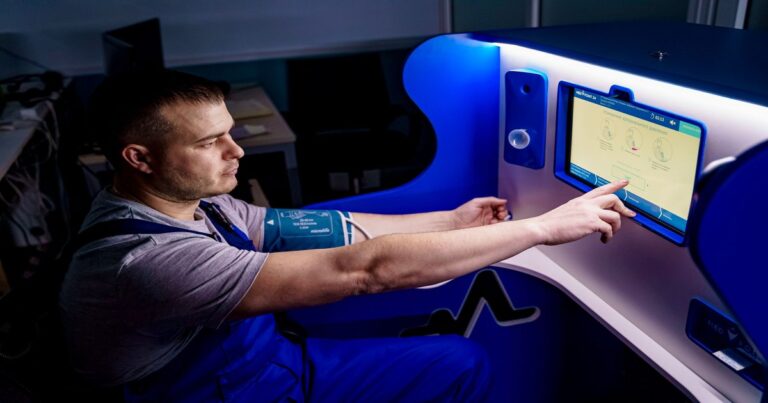
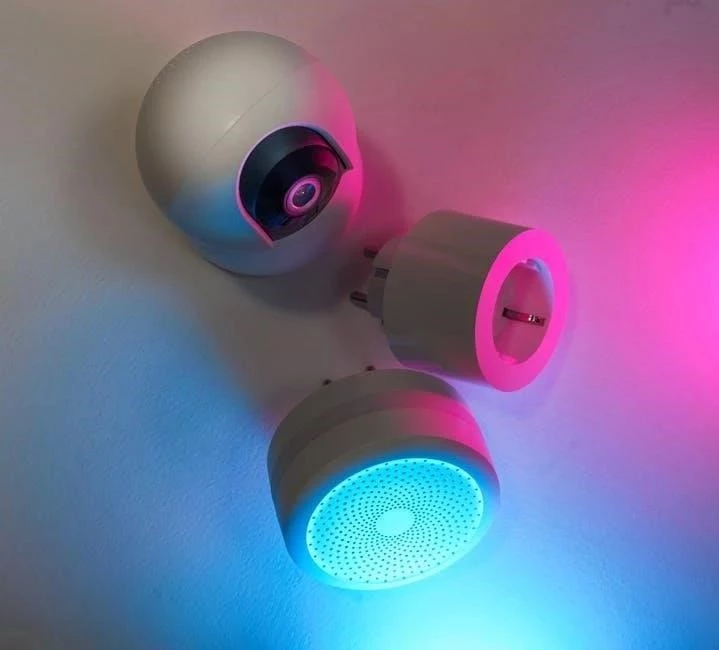
Ensuring the safety of our aging loved ones in New York City often begins with the most private and potentially hazardous area: the bathroom. As families navigate the complexities of home care, the constant worry about slips, falls, or accidental burns during bathing can be overwhelming. Integrating modern technology through IoT shower safety systems NYC provides a much-needed layer of protection and peace of mind for both caregivers and seniors. These innovative solutions transform a high-risk environment into a safe sanctuary, allowing residents to maintain their dignity and independence at home.
Clinical Quick Answer
Implementing smart sensors in the bathroom significantly reduces the risk of thermal injuries and orthopedic trauma by monitoring water temperature and movement patterns in real-time. For comprehensive advice on protecting your residence, we recommend consulting our Home Safety Guide to understand the full spectrum of available protections. By utilizing IoT shower safety systems NYC, families can ensure immediate alerts are sent to caregivers the moment an anomaly is detected, preventing minor incidents from becoming life-threatening emergencies.
Understanding the High-Risk Environment of the NYC Bathroom
- Space Constraints: Many New York City apartments, particularly pre-war buildings, feature narrow bathrooms with tight layouts that increase the likelihood of impact injuries during a fall. IoT shower safety systems NYC are designed to work within these compact spaces, utilizing wall-mounted sensors that do not require bulky hardware.
- Flooring Vulnerabilities: Smooth ceramic tile surfaces common in urban dwellings become frictionless when wet; motion sensors can detect if a resident has been stationary on the floor for an unusual duration, triggering an emergency protocol.
- Inadequate Lighting: Poor illumination in older NYC bathrooms contributes to depth perception issues among seniors; integrated smart lighting can activate automatically upon entry to reduce trip hazards.
- Structural Obstacles: High-walled cast iron tubs are difficult to navigate for those with limited mobility; IoT systems can monitor the transition in and out of the tub to ensure safe passage.
- Moisture and Steam: High humidity levels can affect respiratory health and visibility; smart exhaust fans connected to IoT hubs can regulate air quality automatically during a shower.
- The ‘Silent Fall’ Phenomenon: Many falls in the bathroom go unreported or unnoticed for hours; IoT connectivity ensures that a lack of movement is flagged immediately to off-site family members or nursing staff.
Preventing Thermal Injuries with Intelligent Temperature Monitoring
- Diminished Thermal Sensitivity: Aging skin and conditions like diabetic neuropathy often reduce a person’s ability to sense extreme heat, making IoT shower safety systems NYC essential for preventing third-degree burns.
- Digital Thermostatic Valves: These IoT-enabled components allow caregivers to set a maximum water temperature remotely, ensuring the water never exceeds a safe threshold (typically 120 degrees Fahrenheit).
- Real-Time Scald Alerts: If the water temperature spikes due to plumbing fluctuations common in NYC high-rises, the system can instantly shut off the flow or emit an audible warning.
- Consistent Temperature Regulation: Older plumbing systems often suffer from sudden ‘pressure balances’ where cold water drops; smart valves compensate for these changes faster than manual thermostatic mixers.
- Skin Integrity Protection: Maintaining a consistent, moderate temperature prevents the drying and cracking of fragile geriatric skin, which is the first line of defense against systemic infections.
- User-Friendly Interfaces: Simplified digital displays provide clear, high-contrast visual cues about the water temperature, helping those with visual impairments manage their own bathing safety.
Advanced Fall Detection and Movement Analytics
- Non-Invasive Privacy Sensors: Modern IoT shower safety systems NYC use radar or infrared technology rather than cameras, preserving the resident’s privacy while still providing 24/7 monitoring of their posture.
- Gait Analysis: Sophisticated algorithms can detect subtle changes in a senior’s walking pattern over time, predicting an increased risk of a fall before it actually occurs.
- Impact Sensing: Multi-axis accelerometers can distinguish between someone dropping a soap bar and a human body hitting the floor, reducing the frequency of false alarms.
- Automated Emergency Contact: Upon detecting a fall, the system can automatically initiate a two-way voice call through a bathroom speaker, allowing the senior to ask for help even if they cannot reach a pull cord.
- Dwell Time Monitoring: If a resident stays in the shower for significantly longer than their established routine, the system can send a ‘wellness check’ notification to a caregiver’s smartphone.
- Integration with Wearables: Many bathroom IoT systems sync with medical alert pendants to provide a redundant layer of safety, ensuring that even if one device fails, the other remains active.

The Role of Data in Proactive Geriatric Care
- Trend Monitoring: By tracking how often and at what times a senior uses the bathroom, families can identify early signs of urinary tract infections (UTIs) or other medical issues that cause frequent nighttime trips.
- Caregiver Transparency: IoT shower safety systems NYC provide a digital log of bathing activity, ensuring that home health aides are adhering to the established care plan.
- Customizable Alert Thresholds: Families can choose who receives notifications first—whether it is a local neighbor, a family member, or a professional monitoring center.
- Evidence-Based Home Modifications: The data gathered by these sensors can help occupational therapists recommend specific physical changes to the bathroom layout based on actual usage patterns.
- Reduced Hospital Readmissions: By preventing the ‘long lie’ (staying on the floor for hours after a fall), IoT systems help avoid complications like rhabdomyolysis, dehydration, and pneumonia.
- Peace of Mind for Long-Distance Caregivers: For NYC families with relatives living in different boroughs or states, the ability to check a ‘safety dashboard’ via an app provides immense emotional relief.
Installation Challenges and Solutions in NYC Residences
- Retrofitting Older Plumbing: Installing IoT shower safety systems NYC in pre-war buildings often requires specialized plumbing adapters to accommodate modern digital valves; professional installation is highly recommended.
- Wi-Fi Connectivity in Dense Environments: The thick plaster and brick walls of New York apartments can block signals; utilizing mesh network extenders ensures the bathroom sensors never lose connection to the cloud.
- Waterproofing Integrity: All IoT components must be rated for high-moisture environments (IP67 or higher) to prevent short circuits and ensure the longevity of the equipment.
- Battery Backup Systems: Given the occasional power flickers in NYC’s electrical grid, choosing systems with internal battery backups ensures the safety features remain active during an outage.
- Professional Calibration: Sensors must be calibrated to the specific dimensions of the bathroom to avoid blind spots, particularly around toilets and behind shower curtains.
- Aesthetic Preservation: Modern IoT devices are designed to be discrete, ensuring that the ‘home’ environment does not feel like a ‘clinical’ or ‘institutional’ space, which helps with senior adoption.
Financial Assistance and NYC Medicaid Integration
- Environmental Clinical Modifications (E-mods): Under certain NYC Medicaid Managed Care plans and HCBS waivers, IoT shower safety systems NYC may qualify as necessary home modifications to prevent institutionalization.
- Long-Term Care Insurance: Some private insurers recognize the cost-saving benefits of fall prevention and may offer reimbursements or discounts for the installation of smart safety technology.
- CDPAP Flexibility: Participants in the Consumer Directed Personal Assistance Program (CDPAP) can advocate for the use of technology to supplement the care provided by their chosen assistants.
- Tax Deductions: If prescribed by a physician as a medical necessity for a chronic condition, the cost of safety sensors and installation may be tax-deductible as a medical expense.
- Non-Profit Grants: Various NYC-based organizations focused on aging-in-place offer grants or low-interest loans for seniors looking to upgrade their home safety infrastructure.
- Cost-Benefit Analysis: While the initial investment may seem high, it is significantly lower than the cost of a single ER visit or a move to an assisted living facility in Manhattan or Brooklyn.
Nurse Insight: In my experience working with families across the five boroughs, the bathroom is the number one location where a senior’s independence is most at risk. I have seen far too many patients suffer ‘the long lie’ after a fall because they couldn’t reach their phone or a traditional pull cord. IoT shower safety systems NYC remove the ‘human error’ element from emergency calls. My best advice for NYC families is to prioritize a system that offers both temperature control and motion sensing; it is the most effective way to prevent the dual threats of burns and fractures that often lead to a loss of autonomy.
Frequently Asked Questions
What are IoT shower safety systems NYC and how do they differ from grab bars?
Will these sensors work in a steam-heavy NYC bathroom?
Are there monthly fees associated with smart bathroom monitoring?
Does Medicaid pay for the installation of these sensors in New York?
Is my privacy protected with these bathroom sensors?
Contact ProLife Home Care NYC for a free clinical assessment:(718) 232 – 2777