

Home health care is skilled medical care at home, such as nursing or therapy, that a doctor orders and a certified agency provides. Home care is non-medical help with daily living, such as bathing, dressing, meals and light housekeeping. In New York both count as “home care services” under state law, but they differ in who orders them, who provides them and who pays.
The two names get swapped constantly, and the mix-up costs families money: someone leaves the hospital expecting Medicare to send an aide every morning, and it does not. Here is how to tell them apart.
What is home health care?
Home health care is part-time or intermittent skilled care at home: nursing (wound care, injections, IV therapy, monitoring an unstable condition), physical, occupational and speech-language therapy, and medical social services. Per Medicare.gov, a doctor or other provider such as a nurse practitioner must see you in person, confirm you need it and order it, and a Medicare-certified home health agency must provide it.
In New York the agency is usually a Certified Home Health Agency, or CHHA. The state Department of Health says referrals typically come from physicians or hospital discharge planners, and that CHHA services may be reimbursed by Medicare, Medicaid, private payment and some insurers.
What is home care?
Home care, also called personal or custodial care, is hands-on help with daily living and the household tasks that keep a person safe at home. New York’s Personal Care Services program lists housekeeping, meal preparation, bathing, toileting and grooming. The people doing it are home health aides (HHAs) and personal care aides (PCAs), also called home attendants in New York City.
This work needs no nursing license and is not tied to a skilled medical need, which is why Medicare does not pay for it when it is the only care required.
Home health care and home care compared
| Type of care | What it is | Who provides it | Usual payer |
|---|---|---|---|
| Home health care | Part-time skilled nursing and therapy, doctor-ordered | CHHA nurses, therapists, aides | Medicare, Medicaid, some insurers, private pay |
| Home care / personal care | Bathing, dressing, toileting, meals, housekeeping | HHA or PCA from a licensed agency | Medicaid (often via an MLTC plan), some insurers, private pay |
| Companion / homemaker | Company, errands, light housekeeping | Aide or homemaker from a licensed agency | Mostly private pay |
| Private duty nursing | Hourly nursing, short or long shifts | RN or LPN, often via a LHCSA | Private pay, insurance, or Medicaid where approved |
| Live-in care | A caregiver stays in the home (a schedule, not a license type) | Aides from a licensed agency | Medicaid if hours are authorized, otherwise private pay |
| Hospice | Comfort care for a terminal illness | Medicare-approved hospice team | Medicare, Medicaid, some insurers, private pay |
How does New York license home care agencies: CHHA or LHCSA?
New York’s Public Health Law, section 3602, defines home care services broadly: home health aide services, personal care, homemaker services and housekeeper or chore services, plus services of a home care services agency. The Department of Health states that an organization must be licensed or certified by the state to provide or arrange for home care services. Two types matter to families.
- CHHA, a Certified Home Health Agency. By statute it must qualify as a home health agency under Medicare and Medicaid and provide at least nursing, home health aide services, medical supplies and equipment, and one more service such as therapy.
- LHCSA, a Licensed Home Care Services Agency. Per the Department of Health’s LHCSA page, it provides hourly nursing and homemaker, housekeeper and personal care attendants, for clients with private insurance or paying privately. In some cases it contracts with a social services department or a CHHA to serve people on Medicaid.
You can check any agency’s status through the state home care registry before you sign anything, and see the guide to choosing a home care agency for other questions to ask.
Who qualifies for home health care services?
For Medicare-covered home health care, Medicare.gov says you must meet all of these:
- You need part-time or intermittent skilled care, such as nursing or therapy.
- You are homebound. Leaving home is not recommended or is hard without help (a cane, wheelchair or another person), and leaving takes considerable effort.
- A doctor or other provider orders it after seeing you in person, and a Medicare-certified agency provides it.
Covered home health services cost you nothing, apart from 20% of the approved amount for medical equipment after the Part B deductible. Nursing and aide care generally total up to 8 hours a day and 28 hours a week. More in our guide to what Medicare covers.
Who can provide what: nurse, therapist, HHA or PCA?
The title tells you what the person is trained to do. Section 3602 gives the working definitions.
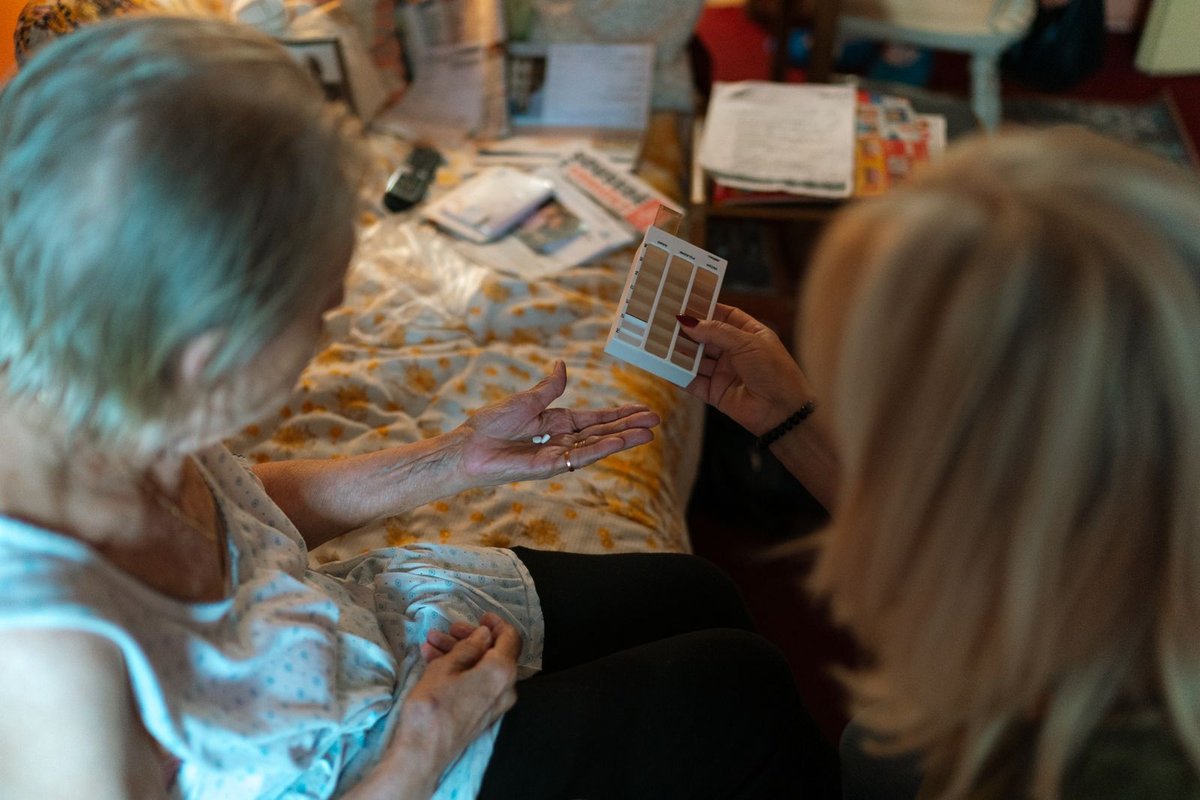
- RN or LPN. Skilled tasks and clinical judgment, such as wound care or catheter care. See nurse services and private duty nursing.
- Therapist (physical, occupational, speech). Rehabilitation after injury, stroke or surgery. See therapy at home.
- Home health aide (HHA). The statute describes simple health care tasks, personal hygiene and housekeeping essential to the patient’s health, supervised by a registered nurse. The training and certificate are covered in our HHA certificate guide.
- Personal care aide (PCA). Help with personal hygiene, dressing, feeding and household tasks essential to health. PCA and HHA are separate training programs, and a PCA can take an upgrade course to earn an HHA certificate (state training FAQ). See personal care services and in-home care.
- Homemaker or companion. Household management, meals, errands and company. The statute lists homemaker and housekeeper or chore services separately from personal care.
Who pays for each?
Medicare pays for skilled home health that meets the rules above and for hospice care. It does not pay for 24-hour-a-day care at home, unrelated homemaker services, or personal care when that is the only care you need.
Medicaid is the main public payer for ongoing personal care. For adults 18 and over, the state requires a community health assessment and clinical appointment through the New York Independent Assessor Program before services start and, since 1 September 2025, Medicaid recipients 21 and over seeking personal care must also meet a minimum needs requirement. Managed long term care (MLTC) is open to Medicaid recipients who are eligible for nursing home admission. See how Medicaid covers home care and CDPAP eligibility.
Long term care insurance and private pay fill the gaps. Ask the insurer which agencies and tasks a policy reimburses. For prices, see what home care costs in New York.
Which one do you need? A decision guide
| Situation | Best fit | Likely payer |
|---|---|---|
| Home from the hospital, needs wound care or therapy, leaving the house is a struggle | Home health care from a CHHA | Medicare if the rules are met |
| Needs daily help bathing, dressing and with meals, no skilled need | Personal care by an HHA or PCA | Medicaid or MLTC if eligible; otherwise private pay or long term care insurance |
| Needs a nurse for long shifts (breathing support, complex wounds, feeding tube) | Private duty nursing | Private pay or insurance; Medicaid where approved |
| Cannot safely be alone at night or around the clock | Live-in or 24-hour care | Medicaid if hours are authorized; otherwise private pay |
| Lonely, manages most tasks, needs company and light housekeeping | Companion or homemaker help | Private pay |
| Serious illness with a prognosis of six months or less, goal is comfort | Hospice, at home | Medicare or Medicaid, some insurers |
| A relative does the work and wants pay | CDPAP, if eligible | Medicaid |
What usually happens after a hospital discharge?
Most families meet both in sequence: home health first, then personal care when the skilled need ends but the daily help does not.
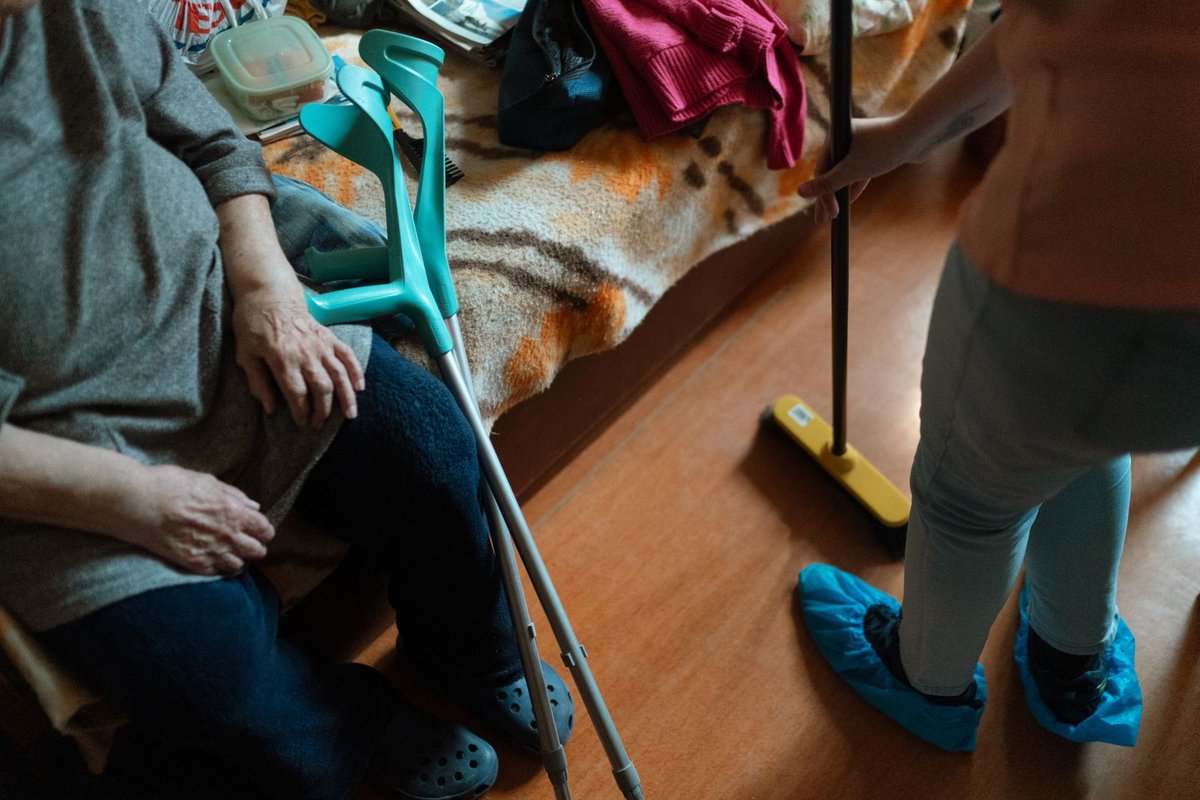
- Ask the discharge planner or doctor for a home health referral to a CHHA, which assesses you and sets a plan of care.
- Nurses and therapists visit.
- The skilled need ends. Visits stop, but bathing, meals and safety may still need help.
- Start the Medicaid or MLTC assessment early if you may qualify. The state’s personal care page also covers immediate need.
- Bridge with private-pay aides until hours are approved.
See home care after surgery and stroke recovery at home for common discharges.
Sorting out the right care: advice from our nurse director
Anna Klyauzova, RN, MSN, MPA, Director of Patient Services at ProLife Home Care, on what she sees in practice:
A registered nurse (RN) from the agency usually does the first assessment. She meets the patient, talks through their health and care needs, and, depending on the program, either visits the home or starts with a phone consultation. A Community Health Assessment by an RN usually takes two to three hours.
She checks whether the person can stand, walk, dress, bathe and use the toilet alone; whether there is a risk of falls, memory problems or disorientation; which conditions and medications affect daily life; whether meals and housework need help; how safe the home is; and what family already does. We look closely at what the person can really do, not just what they say they can do.
Next step
ProLife Home Care is a licensed home care agency in Brooklyn and Queens, NY Department of Health licence #2572L001. Medicare-covered nursing and therapy visits come from a certified home health agency (CHHA). We can talk through which kind of help fits. Call (718) 232-2777 or use our contact page.
Rules change. Everything above was checked on 9 October 2026 against Medicare.gov, the New York Public Health Law and the state Department of Health’s consumer pages. Confirm your own eligibility with Medicare or your health plan; complaints about an agency can go to the Department of Health Home Health Hotline, 1-800-628-5972.
Frequently asked questions
What is home health care?
Skilled medical care at home, such as nursing, therapy and medical social services, ordered by a doctor and provided by a certified home health agency. Medicare covers it part-time or intermittently if you are homebound.
What is home care?
Non-medical help with daily living at home: bathing, dressing, toileting, meals and housekeeping, provided by HHAs and PCAs from a licensed agency and paid by Medicaid, some insurers or private payment.
Who qualifies for home health care services?
For Medicare, you need part-time or intermittent skilled care, you must be homebound, a doctor or other provider must order it after seeing you in person, and a Medicare-certified agency must provide it. Other payers have their own rules.
Does Medicare pay for home care aides?
Only aide care that comes with skilled nursing or therapy. It does not cover personal care as the only care you need, or 24-hour-a-day care at home.
What is the difference between a CHHA and a LHCSA?
A CHHA is certified, qualifies under Medicare and Medicaid, and must provide nursing, aide services, supplies and one more service. A LHCSA is licensed and mostly serves private-pay and privately insured clients, sometimes Medicaid clients through contracts.
Is private duty nursing the same as home health care?
No. Home health is part-time skilled visits from a certified agency; private duty nursing is hourly one-on-one nursing.
Is hospice home care?
It can be delivered at home, but it is a separate benefit for a terminal illness with a prognosis of six months or less, focused on comfort rather than cure.