

A bedbound person should be repositioned on a schedule built around that person, not a number copied from a poster. MedlinePlus suggests moving someone in bed about every 2 hours, while the 2019 international pressure injury guideline says the interval should be individualized to their mobility, skin and mattress. Tilt them about 30 degrees onto one side rather than a full 90, keep the head of the bed as low as their condition allows, and look at the skin every time you turn them.
How often should you reposition a bedbound person?
The honest answer is “it depends,” and the guideline says so directly. Recommendation 5.1 of the 2019 NPIAP/EPUAP/PPPIA guideline is to reposition everyone with or at risk of a pressure injury “on an individualized schedule, unless contraindicated.” Recommendation 5.2 says to set the frequency by the person’s activity level, mobility and ability to reposition on their own.
The research behind it is mixed. In one nursing home study of 838 residents, turning every 4 hours on a high-specification foam mattress led to fewer serious pressure injuries than turning every 2 or 3 hours on a standard mattress. In another study of 942 residents, there was no significant difference between 2-, 3- and 4-hour turning. The lesson is that the mattress and the person’s skin matter as much as the clock.
For a family at home, a practical approach is to start with about every 2 hours, as MedlinePlus advises, then let the nurse or doctor adjust the plan once they have seen the skin and the bed. The guideline also recommends reminder strategies (5.4), so a written turning chart by the bed or a phone alarm is worth setting up.
| What to consider | Why it changes the schedule |
|---|---|
| Can the person shift their own weight? | The guideline ties frequency to activity, mobility and the ability to reposition independently. |
| What are they lying on? | A high-specification foam mattress did better with 4-hour turning than a standard mattress did with 2- or 3-hour turning in one study. |
| Is there already a red area or sore? | MedlinePlus says to avoid lying on a sore, so the plan has to keep weight off it. |
| Do they need to sit up to eat or breathe? | The guideline allows a higher head of bed when a medical condition or eating requires it. |
How do you reposition someone in bed safely?
Pressure sores usually form where bone sits close to the skin: the heels, ankles, hips, back and elbows, according to MedlinePlus. Safe turning protects those areas without hurting the person or your own back.

- Get your supplies ready. Pillows or foam wedges within reach, clean dry sheets, and your turning chart.
- Tell the person what you are about to do and ask them to help as much as they comfortably can.
- Lift or roll, do not drag. MedlinePlus warns that sliding someone across the sheet adds friction, and the guideline (5.6) recommends handling techniques and equipment that reduce friction and shear. A nurse can show you the right technique for your home.
- Tilt to about 30 degrees, not a full side-lying position. The guideline (5.8) prefers the 30-degree tilt over 90 degrees. Use pillows or foam wedges to hold it.
- Check the heels and other small areas. The guideline (5.5) warns that a position can relieve one area while leaving the heels under constant pressure.
- Keep the head of the bed low when you can. The guideline (5.9) says as flat as possible, with 30 degrees as the upper option, though some people need it higher for meals or breathing.
- Look at the skin and write down the time and position. Never massage the skin over or near a sore, because MedlinePlus says it can cause more damage.
Skip donut-shaped or ring cushions. MedlinePlus says they reduce blood flow and can cause sores.
What should you check on the skin every day?
Check the whole body once a day, and look at the heels, hips and tailbone at every turn. MedlinePlus says the caregiver should look at areas the person cannot see for themselves.
The NHS describes the early warning sign as a discolored patch that does not change color when pressed. On white skin it looks red, and on black or brown skin it can look purple or blue. It may feel warm, spongy or hard, and it may be painful or itchy.
| What you see or feel | What to do |
|---|---|
| A patch that stays red, purple or blue when pressed | Take weight off it, avoid lying on it, and tell the nurse or doctor the same day. |
| A blister or an open sore | Contact the provider promptly, per MedlinePlus. |
| Pus, foul odor, warmth, swelling, redness around the sore, or fever | These are signs of infection. MedlinePlus says to contact the provider promptly. |
| Hot, swollen skin plus severe or worsening pain, or a high temperature | The NHS says to seek urgent medical help. |
Our guide to wound care and pressure sores at home covers what nursing care looks like once skin has broken down.
What helps besides turning: beds, cushions and moisture?
MedlinePlus lists pillows, foam cushions, booties and mattress pads to reduce pressure on bony areas, and says to ask the provider which type and shape suits the person. It also says to keep skin clean and moisturized.
If the person needs a hospital bed, Medicare Part B may cover one when a provider prescribes it for use at home and it is medically necessary. After the Part B deductible you pay 20 percent of the Medicare-approved amount, and the supplier must accept assignment. Medicaid members should ask their plan about equipment coverage. Our guide to what Medicare covers for home care explains where the limits are.
What about insulin-dependent seniors who are bedbound?
Insulin adds a second layer of risk. The American Diabetes Association’s 2026 Standards of Care say older adults with diabetes have a greater risk of low blood sugar, especially when they take insulin, and recommend asking about it at routine visits (recommendation 13.4). They also recommend continuous glucose monitoring for older adults with type 2 diabetes on insulin (13.5), which can alert a caregiver to a low before symptoms show.
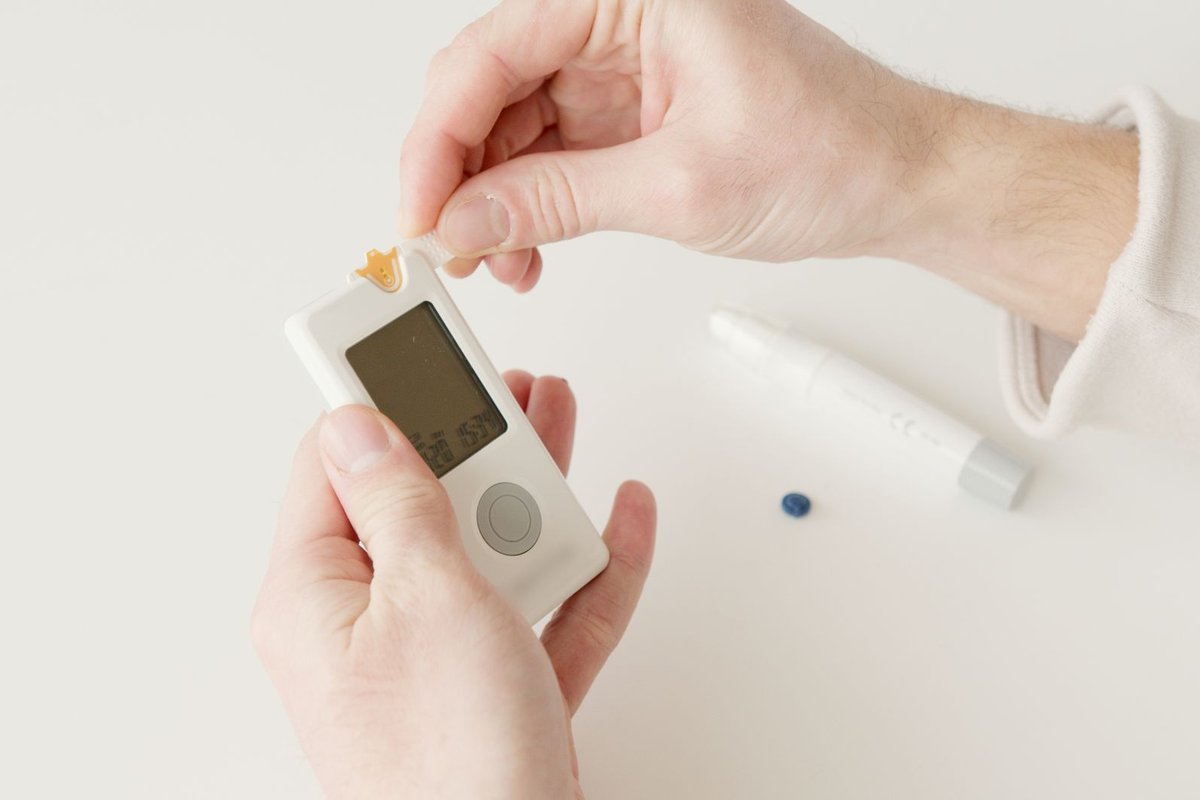
Medicare Part B may cover a continuous glucose monitor if you take insulin or have a history of low blood sugar, a provider orders it, and you or your caregiver has been trained to use it. The standards for older adults are in Section 13 of the 2026 Standards of Care.
| Who | What they can do for glucose and insulin in New York |
|---|---|
| Registered nurse (home health or private duty) | Skilled nursing care. Medicare home health covers part-time skilled nursing, including patient education and injections, for people who are homebound. |
| Home health aide through an agency | The state’s Home Health Aide Matrix allows injecting a pre-filled insulin dose only under “special circumstances”: the patient is self-directing, needs the help, cannot do it because of disability, and has no informal caregiver available or willing. |
| CDPAP personal assistant | The state’s CDPAP comparison chart says a CDPAP caregiver may help with health measurements such as glucose tests and with self-administered medications. Agency personal care does not allow this. |
| Family caregiver | Ask the doctor or nurse to teach you the exact routine, including what to do for a low reading. |
For daily diabetes care beyond the bed, including foot checks and meals, see our guide to diabetes care at home.
Who can help with bedbound care at home in New York?
Turning someone every few hours, day and night, is more than one family member can usually sustain alone. These are the main routes:
- Medicare home health. Covers part-time skilled nursing and therapy for people who are homebound, and an aide only while skilled care is also needed. It does not cover 24-hour care or custodial care when that is the only care needed.
- Medicaid home care. If the person has Medicaid, personal care or CDPAP hours are set by an assessment. See what Medicaid covers for home care.
- Private-pay home care. Trained aides can handle turning, hygiene and skin checks on a schedule you set. See our personal care services and nurse services.
- Respite and overnight help. Overnight turning is often the hardest part. Our live-in care page explains that option.
We are a licensed home care agency in Brooklyn and Queens, NY State Department of Health licence #2572L001. If you want help working out what a bedbound loved one needs at home and which coverage fits, call (718) 232-2777 or use our contact page. We will tell you honestly if a different service is a better fit.
This article is general information, not medical advice. Guidance on repositioning and pressure injuries changes as research develops. Facts above were checked on 9 October 2026 against the sources linked in the text. Ask the person’s doctor or nurse for a turning plan that fits their skin, mattress and health.
Frequently asked questions
How often should a bedbound patient be repositioned?
On an individualized schedule. MedlinePlus advises about every 2 hours in bed, and the 2019 international guideline says frequency should reflect the person’s mobility, skin and support surface. Ask the nurse or doctor to set the interval once they have seen the skin.
What is the best position for a bedbound person?
The guideline prefers a 30-degree side-lying tilt over a full 90-degree turn, with the head of the bed as flat as possible and no higher than 30 degrees unless the person needs it for eating or breathing. Check that the heels are not carrying all the pressure.
What are the first signs of a bed sore?
A patch of skin that does not change color when you press it. The NHS says it looks red on white skin and purple or blue on black or brown skin, and it may feel warm, spongy or hard, or be painful.
Can you massage a red area to improve circulation?
No. MedlinePlus says not to massage the skin over or near a pressure sore, because it can cause more damage. Take the weight off the area instead.
Does Medicare pay for a hospital bed at home?
Part B may cover a hospital bed when a provider prescribes it for home use and it is medically necessary. You generally pay 20 percent of the Medicare-approved amount after the deductible, if the supplier accepts assignment.
Can a home health aide give insulin in New York?
Only in narrow cases. The state’s Home Health Aide Matrix permits injecting a pre-filled insulin dose only under special circumstances that include the patient being self-directing and having no informal caregiver available. Otherwise a nurse gives it, or the person or trained family member does. Ask any agency about its policy before care starts.
When should I call a doctor about a bedbound person’s skin?
Right away for a blister, an open sore, pus, a foul odor, warmth or swelling around a sore, or fever. Call the same day for a red patch that does not fade when pressed.