For most older adults, the changes that lower fall risk most are small and cheap: grab bars, a shower seat, a handheld shower head, nonskid surfaces, good lighting and handrails on both sides of the stairs. A walk-in tub is one option among several, not a requirement, and the best way to choose is an occupational therapist’s look at the person and the bathroom. Original Medicare pays for very little of this, but NYC Aging, Medicaid plans and a state grant program may.
What home modifications do older adults use most?
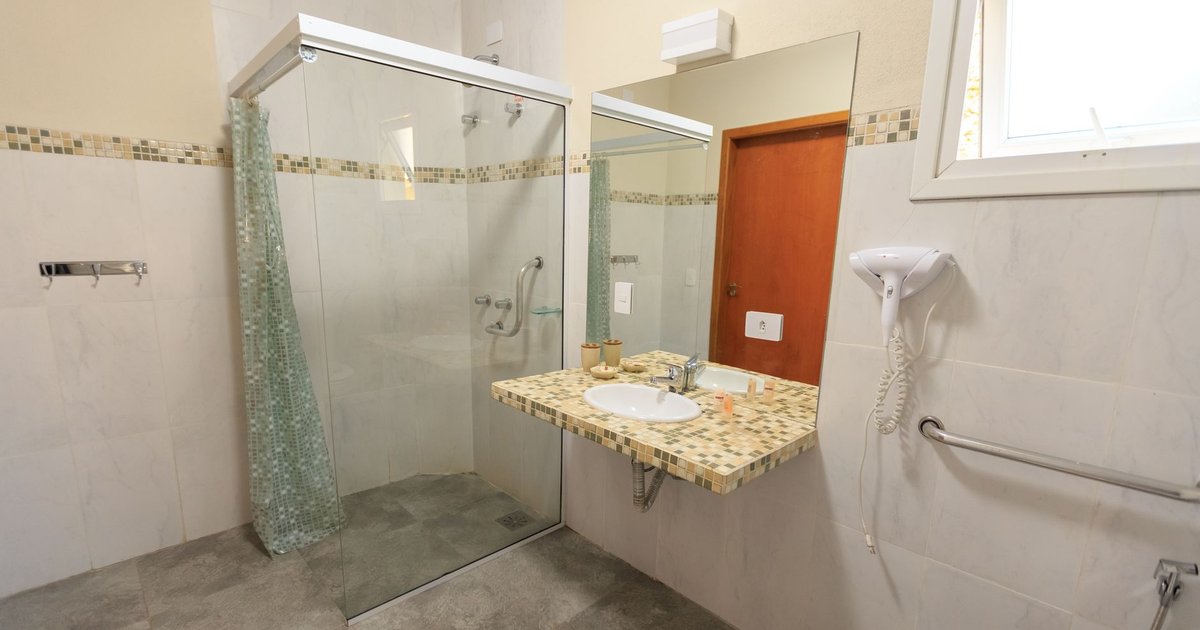
The National Institute on Aging and the CDC both start with the same short list: grab bars inside and outside the tub or shower and next to the toilet, nonskid mats or strips on wet surfaces, railings on both sides of stairs, and better lighting. Walk-in tubs are not on NIA’s room-by-room list. The table below compares the usual options. Prices appear only where we found a source we could check.
| Change | What it does | Watch out for | Cost we could verify |
|---|---|---|---|
| Grab bars | Support when stepping in, out and standing up in the shower, tub and by the toilet | They must be mounted into the wall structure, so ask how they are anchored | No reliable figure found |
| Shower chair or built-in bench, handheld shower head | Lets the person wash seated | The person still has to step over the tub wall or shower edge | No reliable figure found |
| Tub transfer bench | A bench across the tub wall: sit down outside the tub, then slide in | Needs a tub and a bathroom wide enough to fit it; an OT can check the fit | No reliable figure found |
| Walk-in or curbless shower | Removes the step over a tub wall; roll-in versions suit a wheelchair | A remodel; the building and plumbing decide what is possible | AARP (2023): $6,000 to $10,000 for a curbless shower |
| Walk-in tub | A low step in, a built-in seat, bathing seated | Space, installation work and the person’s ability to transfer | AARP (2023): from about $2,000 for a standard model to over $20,000 for a luxury one |
| Raised or comfort-height toilet seat | Makes standing up easier | Not a substitute for a grab bar | AARP notes a comfort-height toilet sits 2 to 3 inches higher; no price given |
| Ramp, handrails, stair lift | Safer entry, exit and stairs | Buildings, landlords and local rules | No reliable figure found |
Costs above come from AARP’s 2023 bathroom guide. They are national and dated, and installation, plumbing and floor work can change the total, so ask contractors for itemized written quotes.
What are the benefits of a walk-in tub, and what are the drawbacks?
The main benefit is the low step: a person does not have to lift a leg over a high tub wall, and can bathe sitting down. For someone who loves a bath and cannot manage a standard tub, that can be a real gain.
The drawbacks are practical. A walk-in tub costs far more than the small changes in the table. Fixing grab bars and a seat in an existing tub or shower costs less and addresses the same step-in risk. With most door-type tubs a person sits inside while the tub fills and drains, so ask any seller for fill and drain times in writing. A walk-in tub also does nothing for the toilet, the bathroom floor or the stairs outside.
It also depends on the person. Someone who cannot lower themselves to the seat, or who needs a helper to reach in and wash them, may be better served by a walk-in shower with a bench. We do not recommend any brand or seller, so get the occupational therapist’s opinion before you buy.
Is a walk-in shower better than a walk-in tub?
Often, yes, for people who can stand briefly or sit on a bench. A walk-in or curbless shower has no tub wall to climb over, it can hold a built-in bench and a handheld sprayer, and a roll-in version works for a wheelchair. AARP describes one homeowner who added reinforcement blocks in the wall beside the toilet and shower entrance so a grab bar could be added later.
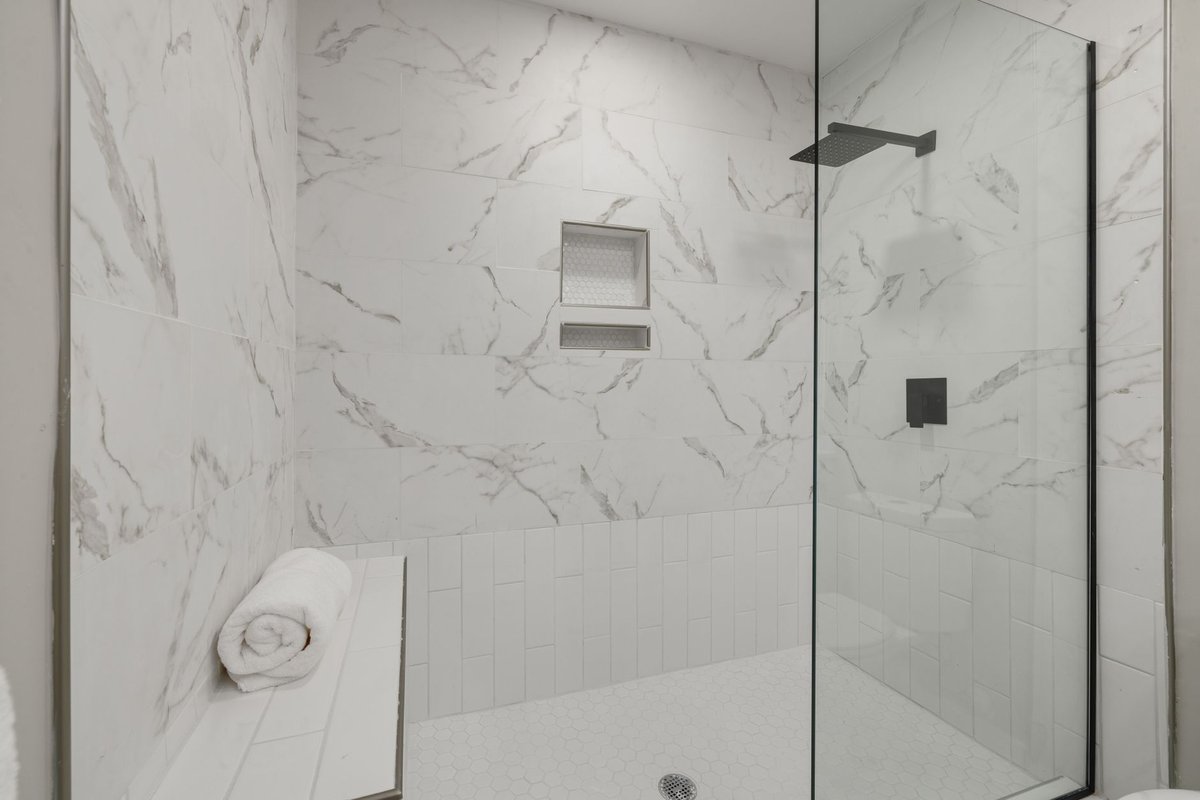
If a remodel is not possible, which is common in rental buildings, the lower-cost route is a shower chair or tub transfer bench, a handheld shower head and grab bars. Our guide to fall prevention in NYC apartments covers the rest of the home.
Do ramps and stair lifts help in a New York apartment?
They can, but they depend on the building. NIA advises handrails on both sides of any stairs and a grab bar near the front door for balance while locking or unlocking it. If stairs are the real barrier, a ramp or a lift needs the owner’s agreement. For ramps in rentals and what Medicaid pays, see our guide to ramps and home accessibility in NYC.

Does Medicare pay for walk-in tubs, grab bars or ramps?
Mostly no. Medicare’s national equipment list, the CMS Durable Medical Equipment Reference List, denies grab bars, bathtub seats, bathtub lifts and raised toilet seats as convenience or self-help items, and denies stairway elevators. Walk-in tubs do not appear on it. AARP states that Original Medicare also excludes home modifications such as ramps.
There are exceptions. The same list covers commodes if the patient is confined to bed or room. Medicare.gov lists walkers, canes and commode chairs as Part B equipment when a provider orders them for use at home, with 20% coinsurance after the deductible. Our guide to free medical equipment in New York covers loan closets and similar sources.
Medicare Advantage varies. AARP reported in 2023 that about 10% of regular plans covered bathroom safety devices and some offered an allowance of up to $500 a year for items such as handrails and shower stools. Check your plan’s own benefits.
Who can help pay for home modifications in New York?
| Source | Who it is for | What it covers | How to start |
|---|---|---|---|
| NYC Aging Older Adults Home Modification Program | Age 62 or older, five boroughs, primary residence, plan to stay at least 2 years, income at or below 80% of NYC area median income, no project-based rental assistance | No-cost fall-prevention work, such as grab bars and safety railings, non-slip strips, lever faucets, furniture risers, better lighting, floor repair | Application on nyc.gov; email HomeMod@aging.nyc.gov or call 212-602-4455 |
| New York Medicaid managed long term care | Plan members whose assessed needs call for it | The state’s model member handbook lists home modifications under social and environmental supports | Ask the plan’s care manager |
| Access to Home (NYS Homes and Community Renewal) | Low and moderate income people with a documented substantial limitation from a disability; owners or renters | Examples: ramps, lifts, handrails, doorway widening, roll-in showers | Through a local program administrator, not HCR directly |
| RESTORE (HCR) | Homeowners 60 or older, income up to 100% of area median income | Emergency repairs and code violations, up to $20,000 per project | Through a local program administrator |
| Federal income tax | People who itemize | Ramps, widened doorways, railings, support bars and grab bars can count as medical expenses, above 7.5% of adjusted gross income | Ask a tax professional |
Sources: the NYC Aging application form, HCR Access to Home, HCR RESTORE and IRS Publication 502. The NYC Aging program lists an occupational therapist’s home assessment as part of its service. Access to Home also has a version for Medicaid members. For tenants, HCR says the property owner must not already be required by law to make the improvements. HCR’s pages do not state a grant maximum, and funding rounds change, so ask the local administrator what is open.
On Medicaid, the Department of Health’s guidelines for authorizing environmental modifications (a 2019 document for the Community First Choice option) list ramps, widened doorways, roll-in showers or accessible tubs, hand rails and grab bars. They exclude general upgrades such as new carpet, require a clinician’s justification and the owner’s or landlord’s written permission, and set $15,000 a year as the amount that needs prior approval. A managed plan’s own rules decide what it approves, so ask. Our guide to what Medicaid covers for home care explains the wider picture.
NY Connects, the state’s free information line, is at 1-800-342-9871. NIA also points families to the Eldercare Locator, 800-677-1116, to find a local Area Agency on Aging.
Can a tenant in New York City ask the landlord for grab bars or a ramp?
Yes. The NYC Commission on Human Rights says people with disabilities are entitled to reasonable accommodations and lists ramps, roll-in showers, grab bars and handrails as examples. State law, Executive Law 296(18), makes it unlawful to refuse reasonable modifications of existing premises at the expense of a person with a disability. In a rental, the landlord may where reasonable condition the permission on restoring the interior afterward. The Commission’s pages do not say who pays, so settle that in writing before work starts.
- Get a note. A doctor’s or therapist’s statement of why the change is needed helps.
- Ask in writing. The Commission’s Project Equal Access advises making the request in writing to the landlord or building manager.
- Talk it through. The Commission says housing providers must engage in a conversation about what accommodation is needed.
- Call the Commission if it stalls. The number is (212) 416-0197, or use the online form on the Commission’s page.
If the problem is a refusal, an elder law or tenant attorney can advise on your case. This page is general information, not legal advice.
What does an occupational therapist’s home assessment involve?
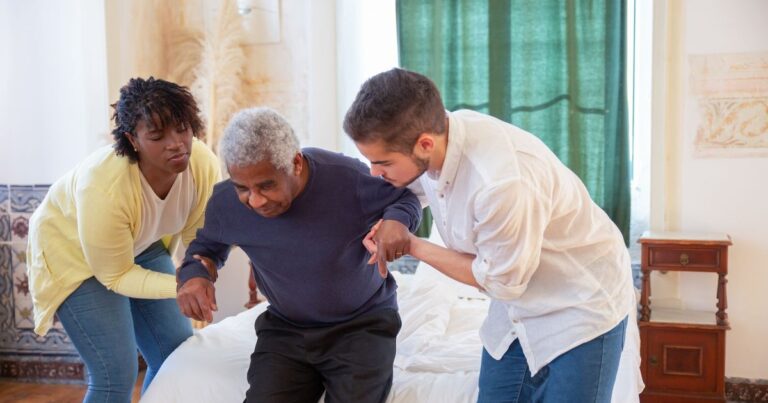
NIA says that if you have fallen, your doctor might suggest an occupational therapist, physical therapist or nurse visit your home to assess its safety and advise on changes.
On coverage, Medicare.gov lists occupational therapy as part of home health when the person is homebound and meets the other conditions. Outside that, it is usually paid privately or through a plan. ProLife’s therapy at home service includes occupational therapy, which looks at the apartment itself. It is paid privately, or arranged under contract with a certified home health agency, and it is not billed to Medicare or Medicaid managed care.
What does a nursing assessment look at in a home? Advice from our nurse director
Anna Klyauzova, RN, MSN, MPA, Director of Patient Services at ProLife Home Care, on what she sees in practice:
A registered nurse (RN) from the agency usually does the first assessment. She meets the patient, talks through their health and care needs, and, depending on the program, either visits the home or starts with a phone consultation.
She checks whether the person can stand, walk, dress, bathe and use the toilet alone; whether there is a risk of falls, memory problems or disorientation; which conditions and medications affect daily life; how safe the home is; and what family already does. We look closely at what the person can really do, not just what they say they can do. Our guide to choosing a home care agency explains how that works.
We are a licensed home care agency in Brooklyn and Queens, licence #2572L001, New York State Department of Health. We can talk through the care side of staying safe at home. For the building work itself, use the programs and the therapist route above. Call (718) 232-2777 or use our contact page.
Program rules, funding and prices change. Everything above was checked on 12 October 2026 against nia.nih.gov, cdc.gov, cms.gov, medicare.gov, aarp.org, irs.gov, hcr.ny.gov, health.ny.gov, nyc.gov, aging.ny.gov and nysenate.gov. Confirm your own situation with the program, your plan, a therapist or an attorney. This page is general information, not medical, legal or tax advice, and it does not recommend any product or seller.
Frequently asked questions
Are walk-in tubs a good idea for seniors?
They can be, for someone who can lower themselves to the seat and wants to bathe in a tub. For many people a walk-in shower, or grab bars with a shower seat, costs less and solves the same step-in problem. An occupational therapist can say which fits.
How much does a walk-in tub cost?
AARP’s 2023 bathroom guide put walk-in tubs at about $2,000 for a standard model to more than $20,000 for a luxury one. Installation and bathroom work can change the total, so get itemized written quotes.
Does Medicare cover walk-in tubs?
We found no Medicare coverage for walk-in tubs: they are not on the CMS equipment list, and the list denies bathtub seats, bathtub lifts and grab bars as convenience items. Some Medicare Advantage plans offer small allowances for bathroom safety items.
Does Medicaid pay for bathroom changes in New York?
It can. The state’s model managed long term care handbook lists home modifications, and the Department of Health’s modification guidelines list roll-in showers or accessible tubs, hand rails and grab bars, with a clinician’s justification and landlord permission. Approval depends on your plan and your assessed needs.
Can a landlord refuse grab bars in an NYC apartment?
New York law makes it unlawful to refuse reasonable modifications at the expense of a person with a disability, and the NYC Commission on Human Rights lists grab bars as an example. A landlord may in a rental ask that the interior be restored. If a request is ignored, call the Commission at (212) 416-0197.
Is there free help with home safety changes in NYC?
Possibly. NYC Aging’s Older Adults Home Modification Program offers no-cost fall-prevention work to people 62 and older whose income is at or below 80% of the NYC area median income. Email HomeMod@aging.nyc.gov to ask about current availability.
Where should I start if I do not know what my parent needs?
Ask the doctor for an occupational therapist’s home assessment, and put in grab bars, nonskid surfaces and lighting while you wait. NIA suggests a therapist or nurse can assess a home after a fall. NY Connects, 1-800-342-9871, can point you to local programs.