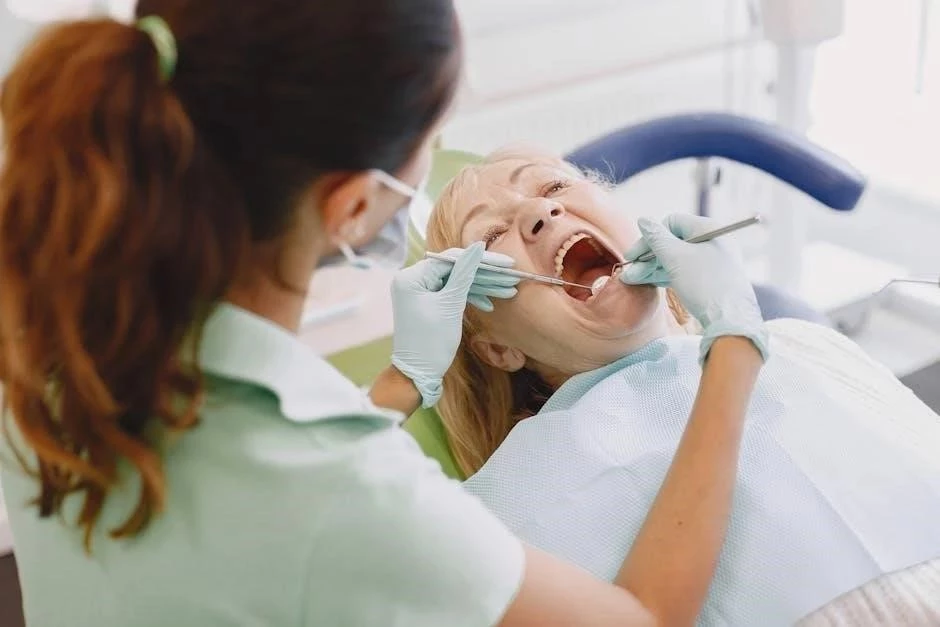
As a senior registered nurse with extensive experience in the New York City healthcare corridor, I have witnessed firsthand the struggles many families face when trying to access specialized dental services. In the borough of Queens, the density of the population combined with the complexities of insurance networks can make finding a reliable Medicaid managed care dentist Queens provider feel like an uphill battle. It is my professional mission to ensure that patients understand their rights and the resources available to them for maintaining optimal oral health through consistent Dental Hygiene Support and clinical intervention.
To find a Medicaid managed care dentist Queens provider in 2026, you should utilize the official New York State Provider Search tool or contact your insurance member services directly to request a list of participating clinics in neighborhoods such as Flushing, Jamaica, or Astoria. Essential Dental Hygiene Support is a covered benefit under most managed care plans, ensuring that preventative cleanings and screenings remain accessible to all eligible residents without significant out-of-pocket costs.
From a clinical nursing perspective, the most significant risk associated with Medicaid managed care in Queens is the “provider gap,” where patients assume coverage exists but find that local clinics have reached their maximum capacity for managed care participants. In 2026, we are seeing a trend where preventative Dental Hygiene Support is the first line of defense against systemic conditions like endocarditis and aspiration pneumonia, particularly in the elderly population. My expert advice is to secure a primary dental home during the first quarter of the year and to never skip a diagnostic appointment, as catching decay early prevents the need for complex surgeries that often require lengthy prior authorizations from insurance companies.
ProLife Home Care is dedicated to bridging the gap between clinical requirements and daily wellness by providing compassionate coordination for New York residents. Our commitment to holistic health ensures that every patient has the advocacy they need to navigate complex insurance systems effectively. Learn more about our comprehensive approach by visiting ProLife Home Care services today.
The Evolving Landscape of Dental Care in Queens for 2026
The healthcare environment in Queens has undergone significant transformations over the last few years. As we move through 2026, the integration of dental health into general primary care has become a priority for the New York State Department of Health. For residents utilizing Medicaid, this means that finding a Medicaid managed care dentist Queens is not just about aesthetics; it is about managing overall systemic health. The borough of Queens is unique because of its immense diversity, which brings both opportunities and challenges in the delivery of healthcare services.
In neighborhoods like Jackson Heights and Woodside, the demand for bilingual providers has surged. Patients often find that the best way to secure an appointment is to look for clinics that specifically market themselves as community health centers. These centers are frequently the backbone of the Medicaid managed care system, offering a wide range of services under one roof. When searching for a provider, it is vital to understand that “managed care” means your dental benefits are administered by a private insurance company contracted by the state, such as Healthplus, Fidelis, or UnitedHealthcare Community Plan. Each of these plans has its own unique directory of providers in the Queens area.
The clinical implications of delayed dental care are severe. As an RN, I often see patients in the emergency room with facial cellulitis or severe abscesses that could have been prevented with basic Dental Hygiene Support. In 2026, the shift is toward “Value-Based Care,” where providers are incentivized to keep you healthy rather than just treating you when you are sick. This is good news for patients, as it places a higher premium on routine cleanings and early intervention.
Understanding Medicaid Managed Care Dentist Queens Networks
Navigating a provider network requires a strategic approach. Many residents in Queens make the mistake of calling a dentist’s office and simply asking, “Do you take Medicaid?” In the world of managed care, this question is too broad. You must specify which managed care plan you are enrolled in; For instance, a dentist might accept DentaQuest but not Healthplex, even though both are Medicaid administrators. To ensure you are looking in the right place, follow these steps:
- Check your insurance ID card for the specific name of your dental administrator.
- Use the “Find a Doctor” tool on the insurer’s website, filtering specifically for the Queens borough and your specific zip code.
- Call the dental office to verify they are currently accepting new patients under your specific plan, as some offices cap the number of managed care patients they see.
- Inquire about the availability of Dental Hygiene Support services, such as specialized cleanings for patients with chronic conditions like diabetes.
In 2026, many clinics in Queens have adopted digital waiting lists. If a preferred provider is full, it is often worth getting on a cancellation list. The density of Queens means that appointments open up frequently, but they are filled just as fast. Being proactive is the only way to navigate this high-demand environment successfully.
The Vital Role of Dental Hygiene Support in Preventive Health
Dental Hygiene Support is often the most underrated aspect of a managed care plan. This service includes professional cleanings, fluoride treatments, and patient education on proper brushing and flossing techniques. From a medical standpoint, the mouth is the gateway to the body. Bacteria from untreated periodontal disease can enter the bloodstream and contribute to arterial inflammation and heart disease. For our diabetic patients in Queens, poor oral hygiene can make blood sugar levels nearly impossible to regulate.
When we talk about Dental Hygiene Support in a clinical context, we are looking at several key interventions:
- Scaling and Root Planing: This is a deep cleaning that removes tartar from below the gum line. For many Medicaid managed care patients, this requires prior authorization, but it is essential for stopping bone loss.
- Prophylaxis: Regular cleanings that should occur at least twice a year. These are typically covered 100% by managed care plans in New York without a deductible.
- Patient Education: Nurses and dental hygienists work together to teach patients how to manage their oral health at home, which is especially important for those with limited mobility or cognitive impairments.
For those living in Queens, local community health fairs often provide free screenings and Dental Hygiene Support. These events are excellent opportunities to meet local providers and get a baseline assessment of your oral health before committing to a specific dental office.

Real Risks and Common Pitfalls in NYC Dental Care
Living in the New York City healthcare ecosystem presents unique risks. One of the most common mistakes I see is the “emergency-only” mentality. Many patients believe that if their teeth do not hurt, they do not need to see a dentist. However, by the time a tooth hurts, the infection has often reached the nerve, necessitating an extraction or a root canal. Under Medicaid managed care, extractions are easily covered, but restorative work like crowns or bridges often involves complex approval processes and strict criteria.
Another risk is the “churn” of dental offices. In a competitive market like Queens, dental practices may change the insurance plans they accept or move locations frequently. This can disrupt the continuity of care. To mitigate this, patients should keep copies of their own dental records, including X-rays. If you have to switch to a new Medicaid managed care dentist Queens provider, having your recent X-rays can prevent unnecessary radiation exposure and speed up the diagnostic process.
There is also the risk of “corporate dentistry” versus “private practice.” Some large dental chains in Queens focus on high-volume turnover. While they are efficient, they may not offer the personalized Dental Hygiene Support that a smaller, community-focused practice can provide. As a patient, you have the right to choose where you go. Do not feel pressured to stay with a provider who does not listen to your concerns or explain your treatment plan clearly.
Practical Steps for Navigating the Queens Health System
If you are a resident of Queens looking to optimize your dental care in 2026, there are several practical steps you should take immediately. First, ensure that your contact information is up to date with the New York State of Health marketplace. Many patients lose their coverage simply because they missed a renewal notice sent to an old address. Second, take advantage of the transportation services often provided by Medicaid managed care plans. If you find a great dentist in Long Island City but live in Far Rockaway, your plan may offer free or reimbursed transportation to get you there.
Communication is also key. When you visit your Medicaid managed care dentist Queens office, bring a list of all your current medications. Many drugs used for high blood pressure or depression can cause “dry mouth” (xerostomia), which significantly increases the risk of tooth decay. A dental team providing proper Dental Hygiene Support can offer saliva substitutes or high-fluoride toothpastes to combat this side effect.
Finally, utilize the resources provided by the New York City Department of Health and Mental Hygiene. They often publish reports on the best-performing clinics in the five boroughs. In Queens, look for clinics that have received high marks for patient satisfaction and outcomes. Remember, you are your own best advocate in the healthcare system.
The Connection Between Home Care and Oral Health
As we look at the broader picture of health in New York, the role of home-based support cannot be ignored. For many seniors or individuals with disabilities in Queens, getting to a dental office is a major logistical challenge. This is where home care services become vital. Home health aides can be trained to assist with daily oral care, ensuring that the recommendations of the dentist are followed every single day. This daily Dental Hygiene Support is often what prevents a minor issue from becoming a major medical crisis.
In 2026, we are seeing more integration between home care agencies and dental providers. Some agencies now help coordinate “teledentistry” visits, where a dentist can look at a patient's mouth via video call to determine if an in-person emergency visit is necessary. This technology is a game-changer for residents of Queens who may be homebound. By combining the expertise of a Medicaid managed care dentist Queens professional with the daily support of a home care team, patients can enjoy a much higher quality of life and avoid the pain and complications of dental neglect.
| Service | What It Includes | Why It Matters<br /> |
|---|---|---|
| Preventative Cleanings | Professional removal of plaque and tartar every six months. | Prevents the onset of periodontal disease and tooth loss. |
| Annual Oral Exams | Comprehensive screening for cavities, gum disease, and oral cancer. | Early detection of issues saves money and prevents systemic illness. |
| Dental Hygiene Support | Personalized education and daily care assistance for patients. | Ensures the success of clinical treatments through consistent home care. |
Frequently Asked Questions
How do I find a Medicaid managed care dentist Queens?
You can find a provider by using the New York State Provider Lookup tool or calling your managed care plan's member services department for a list of local dentists currently accepting new patients.
What does Dental Hygiene Support entail for Queens residents?
It includes professional cleanings, fluoride treatments, and education on how to maintain oral health at home, which is especially important for patients with chronic diseases.
Are emergency dental visits covered by Medicaid managed care in 2026?
Yes, emergency services for pain, swelling, or trauma are covered, though it is always best to visit a participating provider to ensure full coverage and follow-up care.
Can I switch my Medicaid managed care dentist Queens provider?
Yes, you have the right to change your dentist. However, you should ensure the new provider accepts your specific managed care plan before scheduling an appointment.
Why is dental care so important for seniors in home care settings?
Seniors are at a higher risk for gum disease and tooth decay, which can lead to difficulty eating and systemic infections; daily Dental Hygiene Support is essential for their overall wellbeing.
Contact ProLife Home Care NYC for a free clinical assessment: (718) 232-2777