
To help an older parent bathe safely, make the bathroom safe first (a non-slip mat, grab bars, a shower seat and a handheld shower), check the water temperature yourself, explain each step, let them do what they can, and never leave them alone in the tub or shower. If they cannot stand or transfer safely, do not lift them; ask the doctor about an occupational therapist and get trained help. Most of this advice comes from the National Institute on Aging (NIA), the Alzheimer’s Association and CDC/NIOSH.
Why is bathing so hard for older adults?
Bathing is private, and being helped with it can feel like a loss of dignity. NIA says a person may feel embarrassed and not want help, or feel angry about no longer being able to care for themselves. For someone with Alzheimer’s disease, bathing can seem scary or unpleasant, and the person may resist.
The Alzheimer’s Association adds depth perception problems that make stepping into water frightening, not seeing a need to bathe, and feeling cold. Fear of falling is real too. NIA says many older adults fear falling, and MedlinePlus notes that the bathroom is a place where falls most often happen.
How do you prepare the bathroom for a safe bath or shower?
Start with the room, not the person. The CDC’s Check for Safety checklist (STEADI), NIA and MedlinePlus agree on the basics.
| What to set up | Why and how |
|---|---|
| Non-slip surface | CDC suggests a non-slip rubber mat or self-stick strips on the tub or shower floor. MedlinePlus adds a non-skid mat outside the tub and a dry floor. |
| Grab bars | CDC: bars inside and next to the tub and next to the toilet. MedlinePlus says towel racks cannot hold weight, so they must not be used as grab bars. |
| Shower chair or bench | MedlinePlus advises sitting on a bath chair or bench. The Alzheimer’s Association suggests a tub bench or chair that adjusts in height. |
| Handheld shower | NIA recommends a handheld showerhead when you are the one bathing the person. |
| No bath oil | NIA says oils and anything else that could make the tub slippery should be avoided. |
See our guides to grab bars and walk-in tubs and the home safety checklist. MedlinePlus suggests asking a health care provider for a referral to an occupational or physical therapist, who can visit the bathroom and make recommendations.
What water temperature is safe?
Test the water yourself every time, even if your parent runs their own bath. The Alzheimer’s Association explains that a person with dementia may not sense when water is dangerously hot, or may refuse to bathe if it is too cool. NIA recommends warm, not hot, water for older skin.
For the water heater, NIA’s home safety tips and MedlinePlus both say to set it to 120°F. The Consumer Product Safety Commission gives the reason: most adults get third-degree burns after two seconds in 150°F water, six seconds at 140°F and thirty seconds at 130°F, and even at 120°F a five-minute exposure could burn. In an apartment, CPSC says to contact the building manager about lowering tap water temperature, and to check with a candy or meat thermometer under the faucet.
What are the steps for helping with a shower or tub bath?
These steps combine NIA’s and the Alzheimer’s Association’s bathing guidance. Adjust them to what your parent can do.
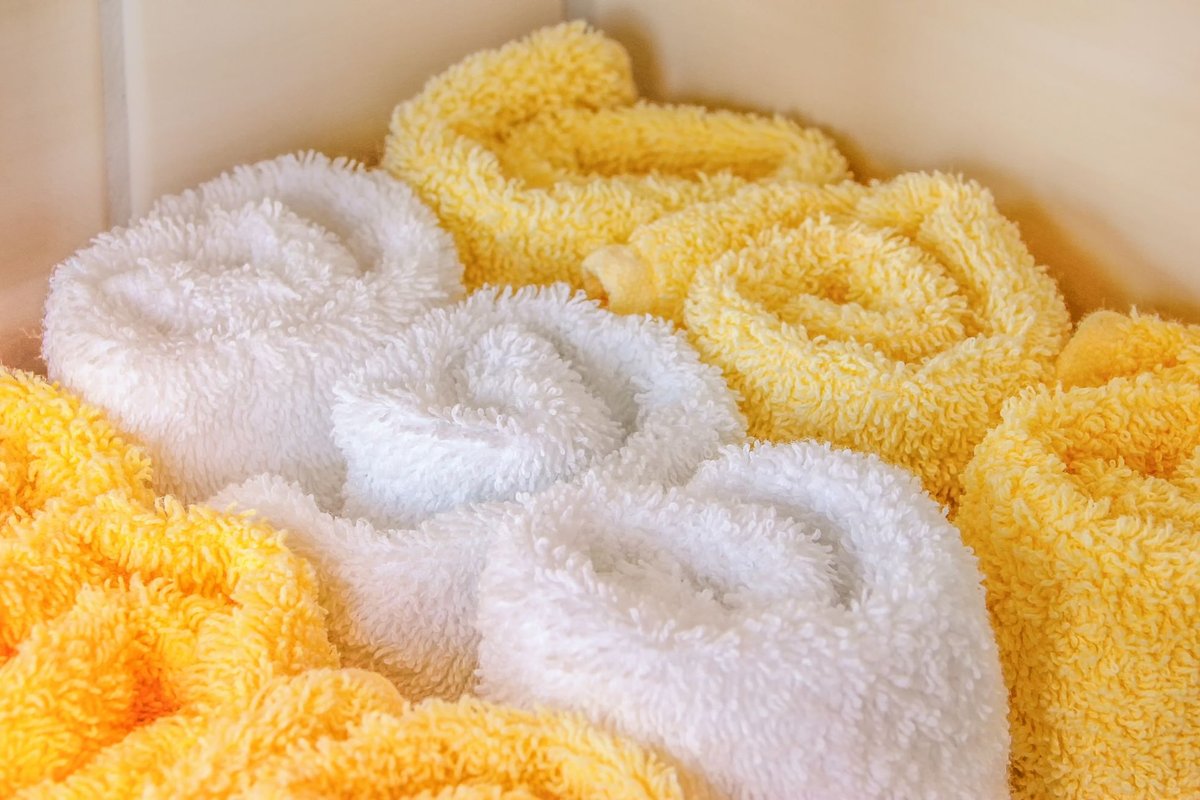
- Get everything ready first. Keep the room warm and well lit, with soap, shampoo and large towels within reach.
- Check the water. If you use the tub, the Alzheimer’s Association suggests only 2 to 3 inches of water, possibly filled after the person is seated.
- Ask simply and offer a choice. Say “It’s time for a bath now,” then offer bath or shower, or now or in 15 minutes.
- Get in with support. Use the seat and grab bars. A towel over the shoulders or lap helps the person feel less exposed.
- Explain each step before you do it. NIA suggests starting with the hands or feet, which feel less threatening, before the face, torso or head.
- Hand over what they can still do. Even if they cannot wash their body, they can hold the washcloth, sponge or shampoo bottle.
- Wash the private areas and skin folds. The Alzheimer’s Association says to wash the genital area, between skin folds and under the breasts, especially if incontinence is a problem.
- Pat dry, do not rub. NIA says to dry between folds of skin and check for rashes.
- Stay for the whole bath. NIA: never leave a person with Alzheimer’s alone in the tub or shower.
How do you give a bed bath or sponge bath?
When the bathroom is not safe, a wash at the sink or in bed is a legitimate bath. NIA suggests a sponge bath of the face, hands, feet, underarms and private areas on days when a full bath is too upsetting. These are the main options.
| Option | When it may fit | Notes from the sources |
|---|---|---|
| Shower with a seat and handheld shower | The person can walk and step in with support | Never leave them alone; check the water first (NIA, Alzheimer’s Association) |
| Tub bath with a bath seat or bench | The person can get in and out safely with grab bars | A shallow fill of 2 to 3 inches (Alzheimer’s Association) |
| Sponge bath at the sink | A full bath is too upsetting or tiring | Face, hands, feet, underarms, private areas (NIA) |
| No-rinse soap with warm wet towels | Showering is difficult | The Alzheimer’s Association says research shows regular, thorough use is equally effective |
| Bed bath | The person cannot safely leave bed | Check the skin for redness or sores (MedlinePlus) |
For a bed bath, MedlinePlus uses a basin of warm water (around 106°F), soap and washcloths. Raise the bed to a comfortable height, keep the room warm and uncover only the part you are washing. Start with the face and move toward the feet, then roll the person to one side for the back. Rinse, pat dry including skin folds, and apply lotion. Wash the private areas last with fresh water, front to back. Rolling someone in bed is a handling task, so ask the nurse to show you first.
What if my parent cannot stand or transfer safely?
Do not try to lift them. CDC/NIOSH’s home care worker training says: don’t lift a client who can’t partially support their own weight, and if the client can’t, it is not safe to lift or transfer them by yourself. NIOSH also calls manual patient handling the single greatest risk factor for injury to healthcare workers, and lists tools such as gait belts, slide boards, shower chairs and mechanical hoists.
Stop, do not improvise, and ask the doctor for an occupational therapist visit to show safe transfers. Until help is in place, a bed or sink wash is safer than a risky transfer.
How do you protect your parent’s dignity and privacy?
- Cover them. The Alzheimer’s Association suggests covering the person with a large towel while undressing, and NIA suggests a towel over the shoulders or lap with washing done underneath it.
- Offer choices. Let them pick the time and shower or bath. A lifelong morning bather may be confused by an evening bath (Alzheimer’s Association).
- Consider who helps. The Association suggests trying a familiar person of the same sex if that is more comfortable.
- Let them keep doing what they can. Washing their own face or holding the cloth matters more than a perfect wash.
How do you handle dementia and refusing to bathe?
The Alzheimer’s Association says finding what works is often trial and error. Both NIA and the Association recommend staying matter-of-fact, giving one-step directions and offering a choice rather than debating. The Association suggests “Let’s wash up” in place of “Let’s take a bath,” and demonstrating each action or gently guiding the person’s hand.
If your parent is resisting, distract them and try again later. A regular time helps, and the Association suggests washing one part of the body each day or shampooing on a different day. Our guides on aggression and agitation in dementia and dementia care at home go deeper. Never force a bath.
How often should an older adult bathe?
Not every day. In its Alzheimer’s caregiving guidance, NIA says to try a bath or shower two or three times a week while staying open to a more flexible schedule, with a sponge bath on other days if needed. NIA’s skin care page also warns that hot baths and showers, and too much soap, can make dry skin worse. Mild soap, warm water and a daily moisturizer are its advice.
What should you check on the skin while bathing?
Look at skin folds, heels, hips, lower back, buttocks, elbows and the back of the head, where MedlinePlus says pressure sores tend to form.
MedlinePlus describes the earliest stage as a reddened, painful area that does not turn white when pressed. NIA says a forming pressure sore can look discolored or darker, and to ask the doctor what to do about any redness or sores. MedlinePlus says not to massage the area. After the bath, NIA suggests a moisturizing cream for a minor rash and a doctor visit if it does not improve. Our guides to bed sore prevention and wound care for pressure sores explain how the nurse manages them.
How do you handle incontinence and private-area care?
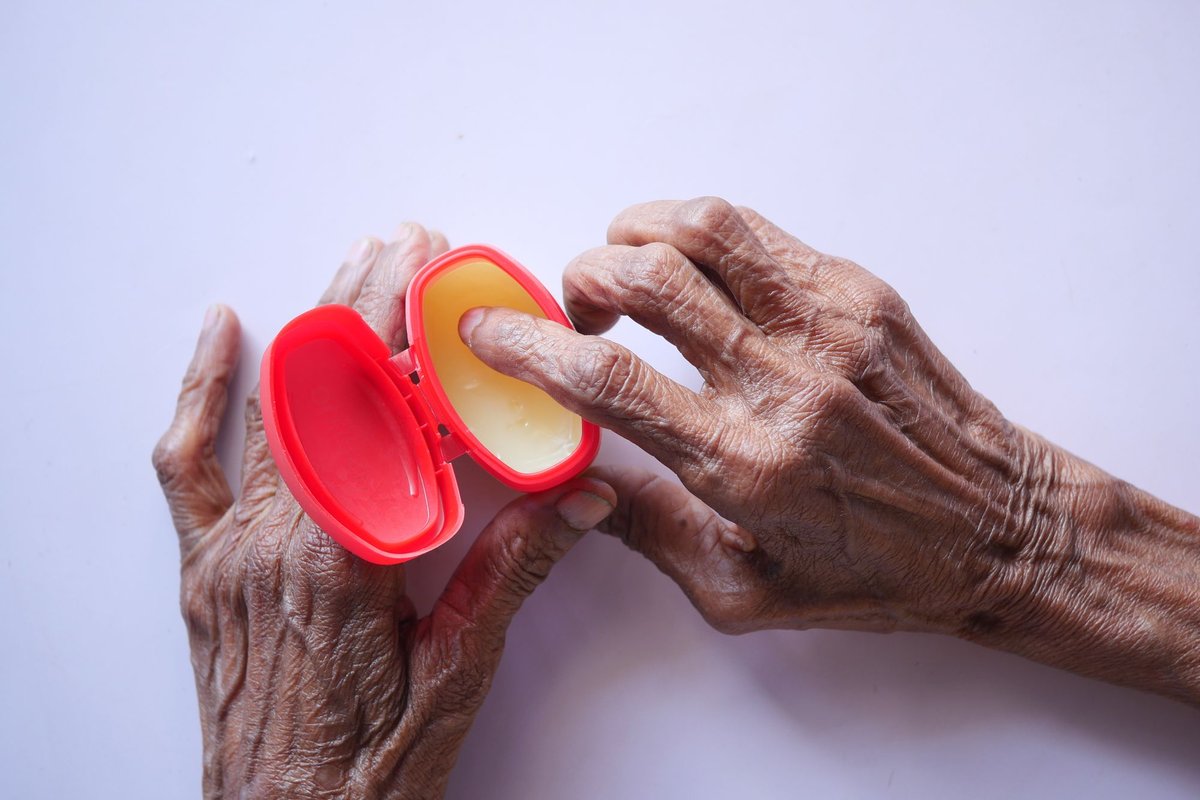
In general terms: clean gently, dry well and protect the skin. The Alzheimer’s Association says to make sure the genital area and skin folds are washed, especially when incontinence is a problem. NIA suggests a protective ointment such as petroleum jelly around the rectum, vagina or penis, and asking whether the person would like to apply it themselves. MedlinePlus says to wash front to back. For supplies and who may pay, see our guide to incontinence supplies and Medicaid in New York.
What does an aide do with bathing in New York?
Bathing is a core part of personal care. Under 18 NYCRR 505.14, Level II personal care includes bathing the patient in bed, the tub or the shower, plus dressing, grooming, toileting, transferring from bed to chair and turning and positioning. 10 NYCRR 700.2 says a home health aide works under the supervision of a registered nurse or licensed therapist, and a personal care aide works under professional supervision.
What your parent actually gets depends on the nurse’s assessment, the plan of care and their coverage. See the difference between a home health aide and a personal care aide and our personal care services.
When should you call the nurse or doctor?
| What you see or what happens | What the sources say to do |
|---|---|
| Redness, blisters or an open sore on the skin | Contact the person’s health care provider (MedlinePlus) |
| A sore with a foul odor, pus, warm or swollen skin, redness and tenderness around it, or fever | Contact the provider right away; these are signs of infection (MedlinePlus) |
| A rash that does not improve | See a doctor (NIA) |
| A fall in or near the bathroom, even without pain | Always tell the doctor (NIA). In an emergency, call 911 |
| Bathing has become unsafe or too hard | Ask the doctor for an occupational therapist visit (MedlinePlus), and consider help (NIA) |
How can caregivers protect their own backs?
NIOSH’s training for home care workers applies to family members too: have all supplies ready before you start, limit bending and twisting (it suggests a stool at the bath), get close to the person, and bend your knees, not your back. Handrails, a shower chair, a hand-held shower hose and a long-handled brush make bathing easier. See our back safety guide for family caregivers, and if you are already worn out, read about caregiver burnout.
Bathing advice from our nurse director
Anna Klyauzova, RN, MSN, MPA, Director of Patient Services at ProLife Home Care, on what she sees in practice:
A registered nurse (RN) from the agency usually does the first assessment. She checks whether the person can stand, walk, dress, bathe and use the toilet alone. We look closely at what the person can really do, not just what they say they can do. You can’t do all of it by yourself. Even a few hours of professional home care a week gives relatives time to rest.
We are a licensed home care agency in Brooklyn and Queens, licence #2572L001, New York State Department of Health. To talk about help with bathing and daily personal care, see our in-home care page, call (718) 232-2777 or use our contact page.
Guidance changes. Everything above was checked on 16 October 2026 against nia.nih.gov, alz.org, medlineplus.gov, cdc.gov (STEADI and NIOSH), cpsc.gov and the New York regulations at law.cornell.edu. This page is general information, not medical advice. For a medicine, pain or health question, ask the prescriber or doctor, and in an emergency call 911.
Frequently asked questions
How do I help my elderly mother take a shower safely?
Set up the bathroom first: a non-slip mat, grab bars, a shower seat and a handheld shower. Test the water, keep the room warm, explain each step, let her do what she can, and stay with her the whole time. If she cannot step in or stand safely, do not lift her; ask the doctor about an occupational therapist.
How often should an elderly person bathe?
NIA’s Alzheimer’s caregiving guidance suggests a bath or shower two or three times a week with a flexible schedule, plus a sponge bath on other days if needed. Frequent hot baths and heavy soap use can dry older skin, according to NIA’s skin care page.
What is a safe water heater temperature for an older adult?
NIA’s home safety tips and MedlinePlus say 120°F. CPSC urges 120°F and notes that even 120°F water can burn after five minutes. Always check the water by hand or with a thermometer before the person gets in.
What if my parent refuses to bathe?
Find out why: fear, cold, embarrassment or confusion. Offer a choice, stay matter-of-fact, give simple step-by-step directions, and try again later if upset. A sponge bath or washing one body part a day are legitimate alternatives, per the Alzheimer’s Association and NIA.
Can I give a bed bath at home?
Yes, if it is safe. MedlinePlus lists the supplies and steps: warm water, uncover only the part you are washing, wash from face to feet, private areas last with fresh water, then dry, moisturize and check the skin. Ask the nurse to show you how to roll the person safely.
Who can help with bathing under New York home care rules?
In New York, Level II personal care under 18 NYCRR 505.14 includes bathing in bed, the tub or the shower, and home health aides and personal care aides work under professional supervision. How many hours your parent gets depends on the assessment and coverage.
When should I call the doctor after a bath?
Call the doctor or nurse for redness, blisters or an open sore, a rash that does not improve, or signs of infection such as a bad odor, pus, warm or swollen skin or fever. Always tell the doctor about a fall, even if there was no pain. In an emergency, call 911.