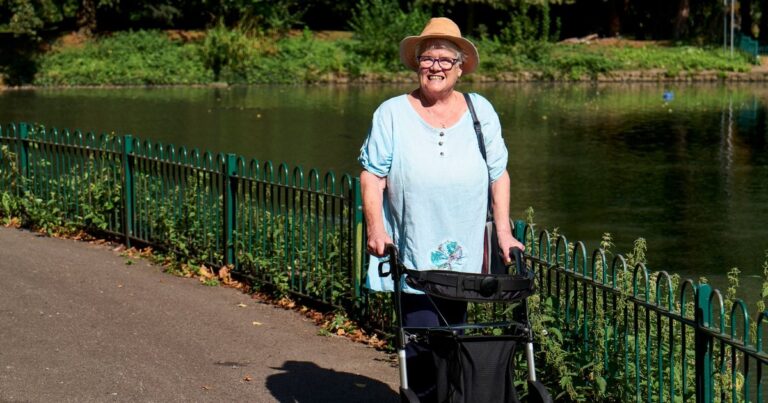

Older New Yorkers can usually keep the foods they grew up with, including on a diabetes or insulin plan. The American Diabetes Association says no single eating plan works for everyone and that cultural background should shape the plan, so the real task is adapting familiar dishes with the care team. For seniors who take insulin, meal timing and who gives the injection matter as much as the menu.
Can seniors keep traditional foods on a diabetes diet?
Usually yes, with changes to portions and timing rather than a ban on cultural dishes. The ADA’s guidance explains that eating plans for diabetes should be based on each person’s needs and preferences, and it names cultural backgrounds, cost, living situation and access to food among the factors. It describes several evidence-based meal patterns (Mediterranean-style, vegetarian or vegan, low-fat and low-carbohydrate, among others) and tells people to choose one with their health care team.
The basic mechanics are simple. According to the National Institute of Diabetes and Digestive and Kidney Diseases (NIDDK), when you eat foods that contain carbohydrates, your digestive system breaks down sugars and starches into glucose, which raises blood glucose. Rice, noodles, bread, tortillas, dumplings, potatoes and many desserts all carry starch. A dietitian or doctor can show how much of them fits the person’s medicines and targets.
- Start from what the person actually eats now, not a generic “diabetic menu.”
- Keep meals at regular times, especially on insulin (see below).
- Bring the real recipes and portion sizes to the doctor or dietitian.
- Write the agreed plan down so every aide and family member follows the same one.
What care and support options exist for insulin-dependent seniors at home?
The right option depends on who can safely give the injection, how steady the person’s memory and vision are, and how often glucose swings. These are the common arrangements in New York.
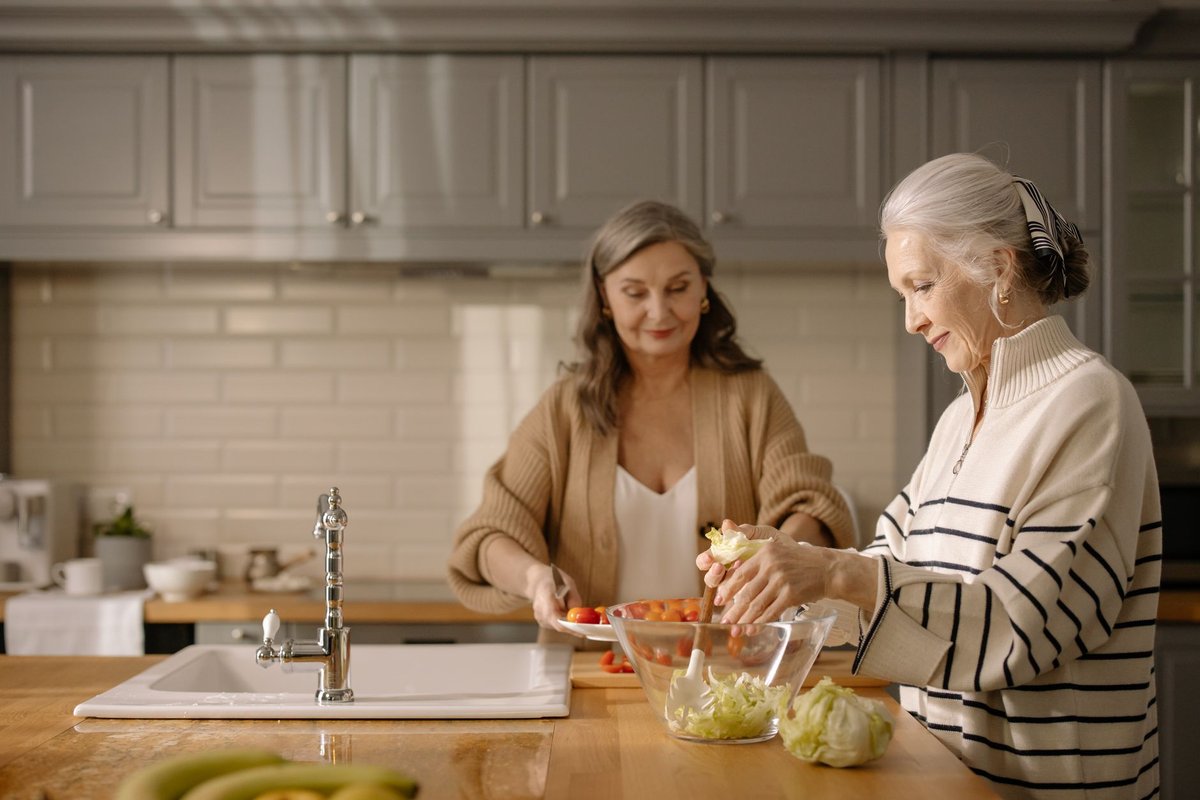
Whatever the arrangement, the doctor’s orders come first, and an agency nurse should write the plan of care.
| Option | What it covers | Good to know |
|---|---|---|
| The senior self-administers | Injections, glucose checks and meals handled by the person | An aide can help with shopping and cooking. Memory loss, vision changes or tremor may mean this stops being safe. |
| A trained family caregiver | Injection, checks and treating lows | Ask the doctor or a nurse to teach the steps and review them regularly. |
| Visiting agency nurse | Injection teaching, supervision, wound and skin checks, medication review | This is skilled nursing, usually part-time. |
| Advanced home health aide (AHHA) | Insulin injections for a specially trained aide who is listed on the state registry and assigned the task by an RN | DOH’s FAQ says the supervising RN must visit at least every two weeks, and the client may decline an AHHA. Ask whether the agency uses them. |
| Home health aide or personal care aide | Meal preparation, reminders set by the plan of care, noticing and reporting changes | An aide’s tasks are set by the plan of care; ask the agency’s RN what applies to your situation. |
Our diabetes care at home page explains how nursing and aide visits fit together. For the registry that lists aides, see our guide to checking the NYS Home Care Registry.
Why do meal times matter so much on insulin?
NIDDK lists age 65 or older, taking insulin and cognitive impairment among the factors that make low blood glucose more likely. Skipping or delaying meals, or eating too few carbohydrates, can drop glucose below a healthy level. Symptoms can come on quickly: shakiness, hunger, tiredness, dizziness, confusion or irritability, a fast or uneven heartbeat, headache, or trouble seeing or speaking clearly.
NIDDK’s treatment steps for a reading below the person’s target, or under 70 mg/dL, are:
- Eat or drink 15 to 20 grams of glucose or carbohydrates right away, for example four glucose tablets or half a cup of fruit juice.
- Wait 15 minutes and check glucose again.
- Repeat until the reading is back in range, and have a snack if the next meal is more than an hour away.
Severe lows can cause loss of consciousness or a seizure. NIDDK says glucagon is the best treatment for severely low glucose when the person cannot treat it, and that people close to the patient should call 911 right away after giving it. Ask the doctor whether your family member should have a glucagon kit and who has been shown how to use it.
Religious or personal fasting needs a doctor’s plan first. NIDDK lists fasting while continuing glucose-lowering medicine as a cause of low blood glucose, so decisions about Ramadan, Yom Kippur, Lent or any other fast belong in the doctor’s office, not in guesswork.
How do I find culturally specific meal programs for seniors in NYC?
NYC Aging (the Department for the Aging) funds home-delivered meals, and its program standards say providers must offer the cultural and religious meals required in their catchment area, with kosher meals certified Kosher and halal meals certified Halal. The standards also say meals should meet one third of the Dietary Reference Intakes and follow the Dietary Guidelines for Americans. What is actually offered varies by neighborhood, so ask the provider for the current menu.
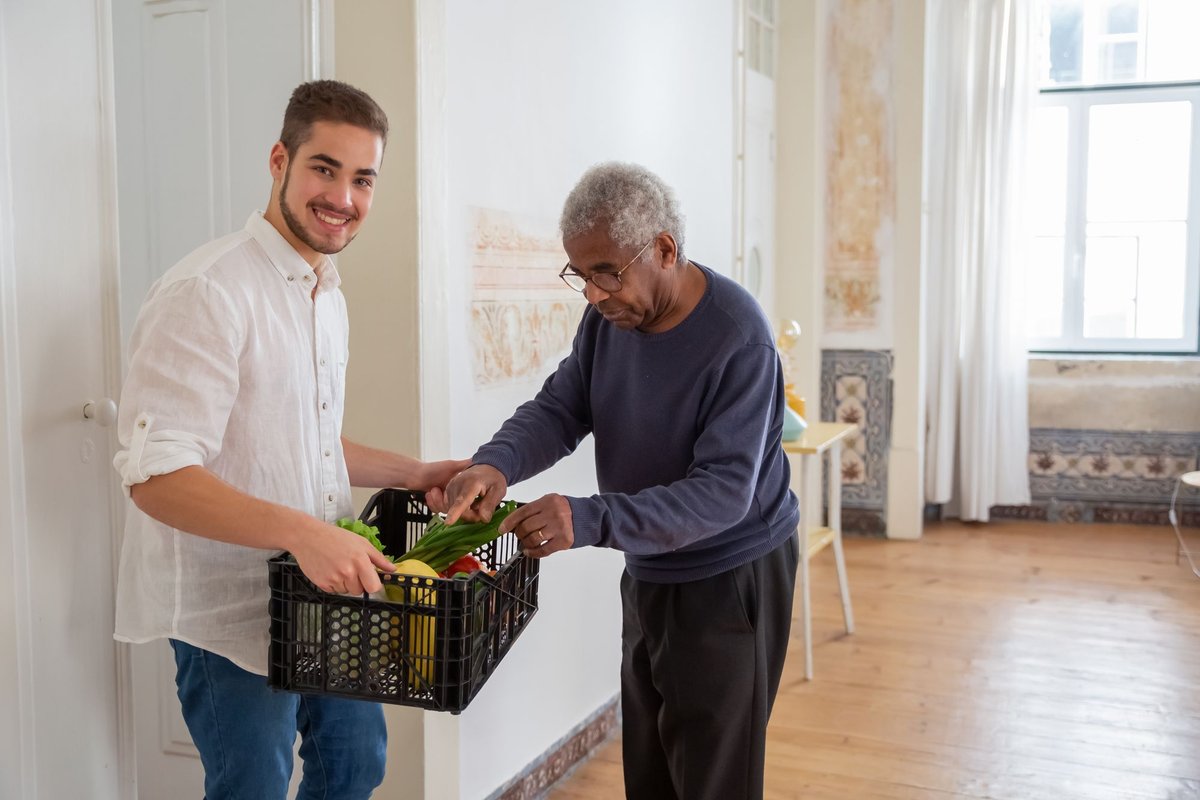
According to the program standards and NYC311, the basic eligibility rules for home-delivered meals are:
| Requirement | Detail |
|---|---|
| Age and residence | New York City resident, age 60 or older |
| Need | Unable to attend a group meal site because of accident, illness or frailty, and without family, friends or neighbors who regularly provide meals |
| Safety | Able to live safely at home if meals are delivered |
| Who decides | A local case management agency assesses and enrolls you, not the meal provider |
| Home care hours | People who receive home care for eight or more hours a day are generally not eligible, because the home care attendant is expected to prepare meals |
To start, call 311 and ask for Home Delivered Meals, or see the NYC311 page and the NYC Aging program standards. If your parent has Medicaid home care, see how Medicaid covers home care, since the number of hours affects meal-program eligibility.
How can a home care aide help with familiar cooking?
Meal preparation is a normal part of personal care. NYC311 itself says a home care attendant is expected to prepare meals. Ask for an aide who knows your family’s cuisine or shares the senior’s language, and give the aide a short written list: favorite dishes, foods to limit, meal times and what to do about a low reading. Our personal care services and in-home care pages describe what aides do.
Matching an aide to a family’s kitchen: nurse director’s note
Anna Klyauzova, RN, MSN, MPA, Director of Patient Services at ProLife Home Care, on what she sees in practice:
An HHA or PCA should fit on language, schedule, location and experience with the person’s needs, not only on certification. If an aide isn’t right or can’t make a shift, the family should know exactly whom to call. Our guide to choosing an agency lists what to ask.
Where can I get help arranging care?
ProLife Home Care is a licensed home care agency in Brooklyn and Queens (NY DOH license #2572L001). We can talk through nursing, aide and meal-support options for a parent on insulin. Call (718) 232-2777 or use our contact page.
Checked on 9 October 2026 against NIDDK, the American Diabetes Association, NYC Aging program standards, NYC311 and the Department of Health’s advanced home health aide FAQ (last revised June 2017, so ask the agency whether it currently uses advanced aides). This page is general information, not medical advice; the person’s doctor sets the diabetes and insulin plan.
Frequently asked questions
Can a home health aide give my mother insulin?
The Department of Health treats insulin injections as an advanced task: a specially trained advanced home health aide, listed on the state registry and assigned the task by a supervising RN, may be authorized to give them. A standard aide’s tasks are set by the plan of care and the agency’s RN, so ask what applies to your mother. Otherwise, arrange nurse visits or family training.
What are the signs of low blood sugar in an older adult?
NIDDK lists feeling shaky or jittery, hungry, tired, dizzy, confused or irritable, a fast or uneven heartbeat, headache, or trouble seeing or speaking clearly. Severe lows can cause loss of consciousness or seizure and need urgent treatment; call 911.
Who qualifies for home-delivered meals in New York City?
New York City residents age 60 or older who cannot attend a group meal site because of accident, illness or frailty, who lack others to bring meals regularly, and who can live safely at home with delivery. A local case management agency decides.
Are kosher and halal meals available through NYC Aging?
The program standards require providers to offer the cultural and religious meals required in their catchment area, certified Kosher or certified Halal where offered. Availability differs by neighborhood, so ask the provider before you enroll.
Is it safe for an older adult on insulin to fast?
Only with a doctor’s plan. NIDDK lists fasting while continuing glucose-lowering medicine as a cause of low blood glucose, so the doctor should adjust medicines and meal timing in advance.
Can an aide cook the traditional dishes my father eats?
Meal preparation is part of personal care, and the agency can often match an aide who knows the cuisine or speaks the language. Share the recipes and portion guidance from the doctor or dietitian so the dishes fit the diabetes plan.