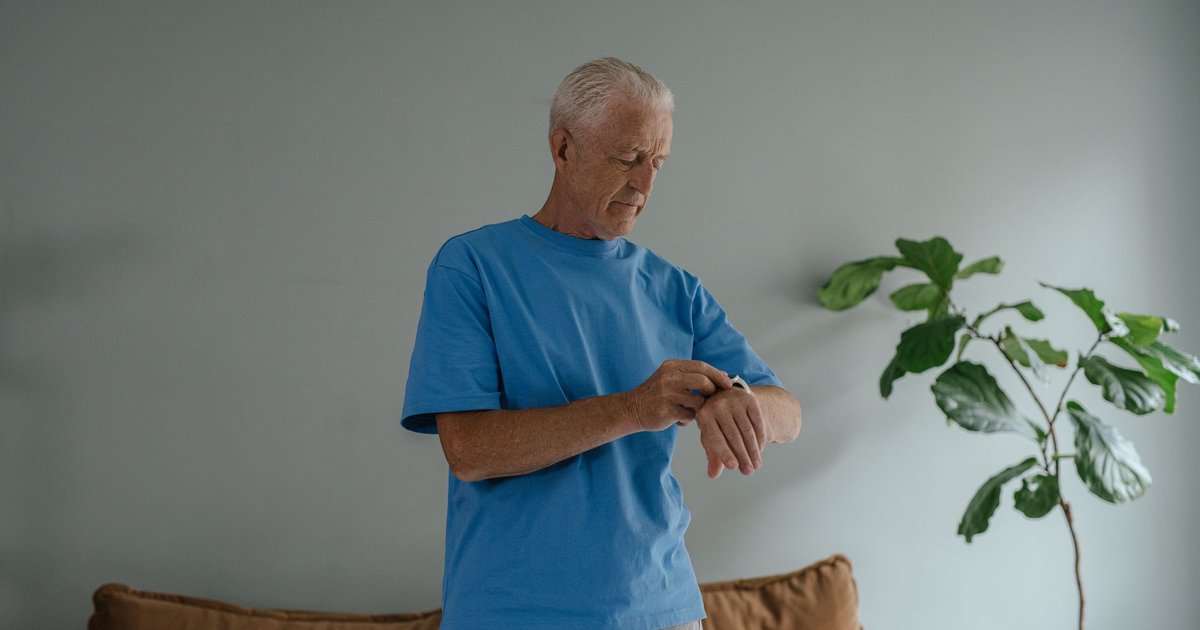
A medical alert system, which New York Medicaid calls a personal emergency response system (PERS), lets an older adult press a button on a necklace pendant or wristband to reach a monitoring center that sends help. Medicare does not pay for it, according to the National Institute on Aging (NIA). New York Medicaid can, through its home care programs, after an assessment, and some private insurers and long-term care policies pay part of the cost.
How does a medical alert system work?
Most systems have two parts: a wearable button and a way to connect to a monitoring center that answers around the clock. The NIA describes the wearable as an electronic monitor worn by the person, usually a necklace or bracelet, and notes that some smartwatches have the same feature.
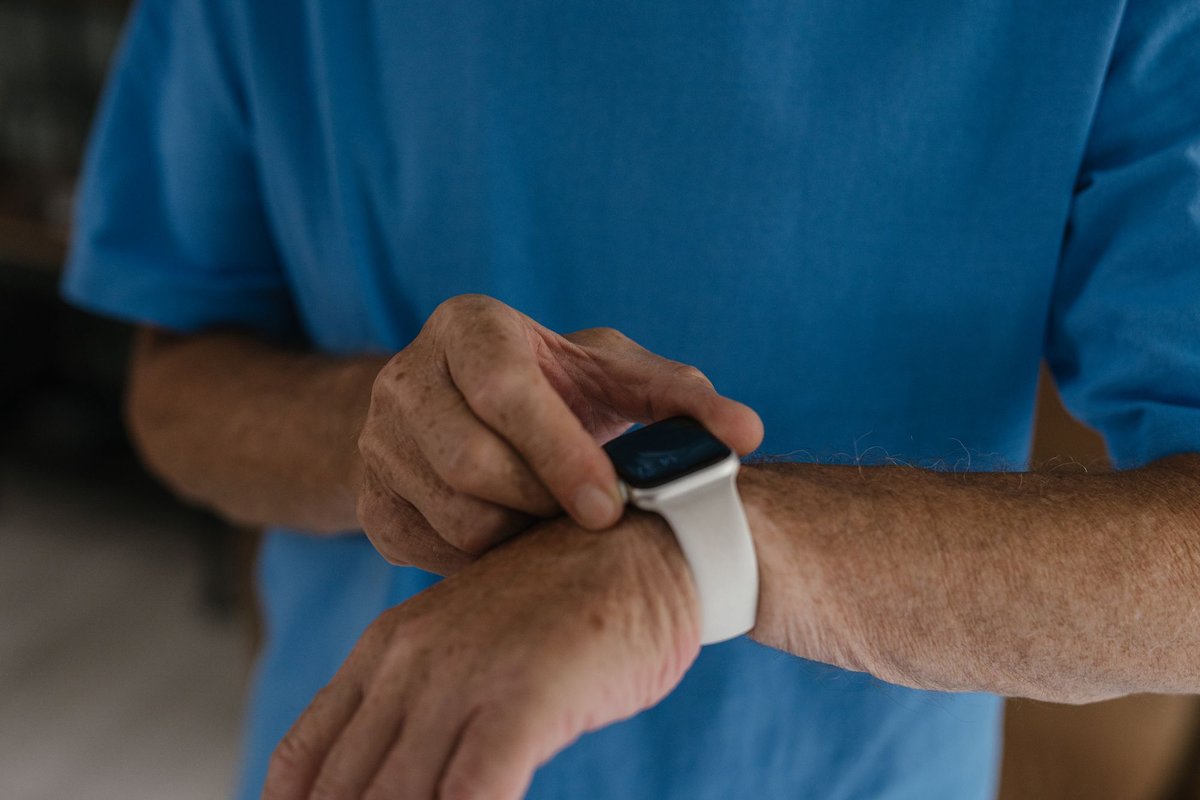
The New York State rule for Medicaid-funded PERS gives a useful plain-language picture. It describes equipment in the home that signals a monitoring agency when the person presses the activator, or after a set period if a timer has not been reset, and a monitoring agency that can receive signals 24 hours a day, seven days a week, decide whether an emergency exists and notify the right responders. The NIA also names fall monitors and GPS tracking devices as related services. Either way, the chain is the same: button, signal, trained operator, responders.
Pendant, wristband, base station or mobile: what should you compare?
The NIA says costs vary by company, features and coverage area, and that these services typically charge a start-up fee followed by a monthly service fee. This page does not name or rank brands. Compare the same points across every offer:
| What to compare | Questions to ask before you buy |
|---|---|
| Wearable style | Pendant or wristband? Will the person actually wear it in the shower and at night? Can they press it with arthritic hands? |
| Home base station vs. mobile device | Does it work only near a base unit, or anywhere with cellular coverage? Does it use a landline, internet or cellular connection? Does it work in your building, including a basement or high floor? |
| Two-way voice | Can the person talk to the operator through the wearable or only through the base, and can they hear it from the bathroom? |
| Fall detection | Is it automatic, an extra fee, and what happens if it does not trigger? Ask how it handles a slow slide to the floor. |
| GPS location | Is the person’s location sent to the center when they press the button away from home, and who sees it? |
| Battery and charging | How long does the wearable last, who charges it, and what warns you when it is low? The NIA says batteries must be charged or replaced as recommended. |
| Water resistance | Is it rated for use in the shower or bath, or must it come off? |
| Monthly fee and contract | What is the total monthly cost, is there a start-up or equipment fee, what is the contract length, and what is the cancellation penalty? Get it in writing. |
| Monitoring center | Is it staffed 24/7 and by trained operators? Is it the company’s own or a contractor? Does it speak the person’s language? |
| False alarms | How are accidental presses handled, and will the center call before sending anyone? |
What happens when someone presses the button?
Ask each company to walk you through its own process, then test it. In New York’s Medicaid PERS rule, the steps are set by who the person has named in advance. A typical sequence looks like this:
- The signal reaches the center. The activator sends it to the equipment in the home or, for mobile devices, over a cellular connection.
- An operator answers and checks. The state rule says the monitoring agency determines whether an emergency exists.
- Help is sent. The center notifies the emergency response organization the person chose, such as an ambulance service, a fire or police department, or a hospital, or a named emergency responder such as a neighbor or relative.
- Someone gets in. For Medicaid PERS, the person or their representative signs a written authorization letting responders enter the home to give treatment and transport, and the person names a preferred hospital.
For private-pay systems, the rule does not apply, so ask the company how it contacts 911, whether it calls family first, and how quickly it says it responds.
Does Medicare pay for a medical alert system?
No. The NIA states that Medicare will not pay for emergency medical alert systems, while Medicaid and other programs may provide coverage. Medicare.gov’s durable medical equipment page defines covered equipment as used for a medical reason and typically useful only to someone sick or injured, and its list of covered items (canes, walkers, hospital beds, oxygen equipment and so on) does not include medical alert systems. Medicare Advantage plans and Medigap are separate products, so ask your plan directly and check its benefits booklet; we did not find a Medicare.gov statement we could cite for them. For equipment that Medicare does cover, see our guide to free and covered medical equipment in New York.
Does New York Medicaid cover a medical alert system?
It can. The state’s managed long term care (MLTC) guide lists a Personal Emergency Response System under “Other Services” in the service lists for the plan types it describes, and the state’s model member handbook for partial capitation plans lists it among additional covered services. Whether a particular plan approves one depends on the person’s assessment and the plan’s own process, so ask the plan’s care manager.
| Route | How it works | Where to verify |
|---|---|---|
| MLTC plan | PERS is a listed plan service; the care manager decides after the assessment | health.ny.gov MLTC page and the plan’s member handbook |
| Medicaid personal care through the local social services district | A physician’s order and a comprehensive assessment are required; the district authorizes PERS under state rule | 18 NYCRR 505.33 |
| Private pay, long-term care insurance or private insurer | Some private insurers and long-term care policies pay part of the cost, per the NIA | Your policy or the insurer |
Who qualifies under the state’s PERS rule?
The rule (18 NYCRR 505.33) says a district may authorize PERS only when the assessment shows it fits the person. The conditions it lists include that the person:
- has a medical condition, disability or impairment that warrants PERS, and their safety at home needs to be monitored
- has too few informal caregivers, such as family and friends, directly available to monitor their health and safety
- is “alert and self-directing”, meaning able to make choices about daily activities, understand their impact and take responsibility for them
- can communicate in basic English, or has emergency responders who can
- can use the equipment effectively and has a working telephone compatible with it
Authorizations are based on a physician’s order and last no more than six months before reauthorization. A denial or discontinuation comes in writing, with fair hearing rights. A 2004 state guidance message (GIS 04 MA/029) adds that PERS is not a stand-alone service: the person must also be authorized for help with personal care tasks. That document is old and the rules may have been updated, so confirm current practice with the plan or with the local Medicaid office. Our guides explain what Medicaid covers for home care and how PACE and MLTC differ.
Can New York or NYC aging programs help pay for one?
Possibly, but we could not confirm a specific program. The New York State Office for the Aging’s EISEP page says the program serves people 60 and older who need help with daily activities and are not eligible for the same services under Medicaid, and that it can include assistive devices, but it does not name emergency response systems. Your local Area Agency on Aging or NY Connects (1-800-342-9871) can tell you what is available in your county.
In New York City, the NYC Aging website did not list a PERS program when we checked. Aging Connect, at 212-244-6469 or 311, can tell you about current options. See also our guide to financial help for seniors in NYC.
On taxes, we opened IRS Publication 502 and did not find medical alert systems listed, so we make no claim about a deduction. Ask a tax preparer.
How do you avoid “free” medical alert scams?
The Federal Trade Commission has taken action against telemarketers who used robocalls to push supposedly “free” medical alert systems. In one case it described calls claiming a system had been bought for the person “at no cost whatsoever,” while consumers later owed monthly monitoring fees and found it difficult to cancel without a penalty. Read the FTC release, and use these simple rules: never give a card number to an unsolicited caller, get total monthly cost and cancellation terms in writing, and be cautious about any company claiming endorsement by a health organization.
What if a parent refuses to wear a pendant?
This is common, and a device in a drawer protects no one. Ask why, then offer a wristband instead of a necklace or let them help choose. If they still say no, the NIA’s fall guidance lists other steps: keep a well-charged cordless or mobile phone with you at all times, and arrange daily contact with a family member or friend. A scheduled daily check-in call is free and works for many people. Do not count on a smart speaker or phone as a substitute unless you have tested that the person can really use it from the floor, in the dark.

Does a medical alert system replace supervision?
No. The NIA says emergency medical alert systems won’t be useful in every kind of emergency, must be worn and set up correctly, and cannot replace regular check-ins by family, friends and caregivers. The state Medicaid rule also requires that the person be “alert and self-directing,” so a button-based system may not suit someone who cannot reliably remember to press it or understand why. For someone who wanders, forgets or cannot call for help, talk to the doctor about supervision. Our guide to dementia care at home explains what a safe plan includes.
Alert button or a person in the room: advice from our nurse director
Anna Klyauzova, RN, MSN, MPA, Director of Patient Services at ProLife Home Care, on what she sees in practice:
You can’t do all of it by yourself. Alzheimer’s and other dementias change the whole family’s life, not only the patient’s. The sooner support is in place, the easier it is to keep a familiar routine and a safe home. Even a few hours of professional home care a week gives relatives time to rest.
How does a medical alert system fit with fall prevention?
It helps after a fall; it does not prevent one. The CDC reports that more than 1 in 4 adults 65 and older fall each year, and fewer than half tell their doctor. The NIA’s advice after a fall is to ask someone for help or call 911 if you are hurt or cannot get up, and, if alone, to get into a comfortable position and wait for help. Tell the doctor about any fall, even without pain. For prevention at home, see our guide to fall prevention in NYC apartments and the CDC falls facts, and the NIA’s falls and fractures guidance.
We are a licensed home care agency in Brooklyn and Queens, licence #2572L001, New York State Department of Health. We do not sell or install medical alert devices, but we can talk through what care at home looks like when someone lives alone or is at risk of falling. Call (718) 232-2777 or use our contact page.
Coverage rules and company products change. Everything above was checked on 12 October 2026 against nia.nih.gov, medicare.gov, health.ny.gov, regs.health.ny.gov, aging.ny.gov, nyc.gov, ftc.gov, cdc.gov and irs.gov. Confirm your own situation with your plan, your local Medicaid office or NY Connects. This page is general information, not medical or legal advice.
Frequently asked questions
Does Medicare pay for medical alert devices?
No. The National Institute on Aging says Medicare will not pay for emergency medical alert systems. Medicaid and other programs may, and some private insurers and long-term care policies pay a portion.
Does New York Medicaid pay for a medical alert system?
It can. The state lists a Personal Emergency Response System among services in managed long term care plans, and a state rule lets local districts authorize one after a physician’s order and an assessment. Approval depends on the person’s needs and plan.
What is better, a medical alert necklace or a bracelet?
Neither is better for everyone. The best choice is the one the person will wear all day, including in the shower, and can press easily. Compare battery life, water resistance, voice, fall detection and cost.
How much does a medical alert system cost?
Prices vary. The NIA says these services typically charge a start-up fee and then a monthly fee, depending on the company, features and coverage area. Ask for the total monthly cost, equipment fees and contract terms in writing.
What happens when you press the medical alert button?
The signal goes to a monitoring center staffed by operators who decide whether an emergency exists and notify the responders the person chose, such as an ambulance service, a hospital or a relative. Ask each company for its exact steps.
Can a medical alert device replace a caregiver?
No. The NIA says these systems cannot replace regular check-ins by family, friends and caregivers, and a button only helps if the person can use it. Ask the doctor about supervision for someone with dementia.
Is a medical alert system tax deductible?
We could not confirm this. IRS Publication 502 does not list medical alert systems in the sections we read, so ask a tax preparer before claiming it.