Osteoporosis is a bone disease that makes bones weak enough to break from a minor fall, a cough or a bump. It usually causes no symptoms until a bone breaks, which is why NIH calls it a “silent” disease. There is no cure, but treatment can slow bone loss and lower the chance of fractures, and a doctor decides which treatment fits each person.
What is osteoporosis, and who is at risk?
Bone is living tissue. The National Institute on Aging explains that the body keeps breaking down old bone and replacing it with new bone, and osteoporosis develops when more bone is broken down than replaced. The National Institute of Arthritis and Musculoskeletal and Skin Diseases (NIAMS) says the fractures happen most often in the hip, the vertebrae of the spine and the wrist.
NIA says osteoporosis affects about one in five women over 50 and one in 20 men. Risk grows with age. Women can lose bone quickly for several years around menopause, and by age 65 or 70 men and women lose bone at about the same rate. NIAMS and NIA name these risk factors:
| Risk factor | What the sources say |
|---|---|
| Age and sex | Risk rises with age and is higher in women, especially after menopause (NIAMS, NIA) |
| Family history | A parent with osteoporosis or a hip fracture, or a family history of broken bones (NIAMS, NIA) |
| Low body weight | Slender, thin-boned people have less bone to lose; NIA lists low body mass index or being underweight |
| Long-term medicines | Steroids (glucocorticoids), some seizure medicines, hormone-based cancer drugs, stomach-acid reducers called proton pump inhibitors, and others (NIAMS, NIA) |
| Other conditions | Rheumatoid arthritis, some digestive and hormone disorders, some cancers (NIAMS) |
| Lifestyle | Smoking, heavy drinking, long periods of inactivity or bed rest, too little calcium, vitamin D or protein (NIAMS, NIA) |
Men are at risk too, and NIAMS says some people with osteoporosis have no specific risk factor at all.
What are the symptoms of osteoporosis?
Usually none. NIAMS and MedlinePlus both say there are typically no symptoms until a bone is broken.
Signs that can point to weakened spine bones, according to NIAMS, are severe back pain, loss of height and a stooped or hunched posture. Fractures can also happen from normal stresses such as bending, lifting or coughing. New height loss or a changing posture is a reason to call the doctor.
Does osteoporosis cause pain?
Not by itself. You cannot feel bones thinning, so osteoporosis is usually painless until a fracture happens. NIAMS lists severe back pain as a symptom of a vertebral (spine) fracture, and AAOS says a hip fracture is typically acutely painful, usually in the groin and upper thigh.
NIA adds that people with osteoporosis can have a harder time recovering from broken bones, which can sometimes cause pain that does not go away. New back pain in an older adult deserves a doctor’s look, especially with height loss or a change in posture.
Is osteoporosis genetic?
Family history matters, but it is only one part of the picture. NIAMS says the risk of osteoporosis and fractures may rise if a parent has had osteoporosis or a hip fracture, and NIA lists a family history of broken bones.
If a parent broke a hip or has osteoporosis, tell the doctor, because it can affect when bone density testing makes sense. Several other risk factors in the table above, such as activity, diet, smoking and alcohol, can be changed.
Can osteoporosis be reversed or cured?
No cure exists. The Bone Health & Osteoporosis Foundation states that although there is no cure for osteoporosis, the FDA has approved medicines to prevent, slow or stop its progress, and that a prescribed medicine plus enough calcium, vitamin D and regular exercise can help reduce the risk of broken bones. NIAMS gives the goals of treatment as slowing or stopping bone loss and preventing fractures.
On the question of reversal, NIA says some medicines slow bone loss and others can help rebuild bone, and that a doctor decides whether any of them fits. That is not the same as a cure. NIAMS also says that for older adults, exercise no longer increases bone mass, so diet and exercise alone are not presented as a way to rebuild bone. Never stop a prescribed osteoporosis medicine, or change the dose, without the prescriber’s say-so.
How is osteoporosis diagnosed?
The usual test is a bone mineral density scan called DXA (or DEXA). NIAMS describes it as quick, painless and noninvasive: the person lies on a cushioned table while a scanner uses low-dose x-rays, usually on the hip and spine. The U.S. Preventive Services Task Force recommends screening for women over 65 and for younger postmenopausal women at increased risk. For men it made no recommendation because of a lack of evidence, so older men with risk factors or a broken bone should ask their doctor.
The result is a T-score. NIAMS explains it this way:
| T-score | What it means (NIAMS) |
|---|---|
| -1 or higher | Bone is healthy |
| -1 to -2.5 | Osteopenia, lower bone density that is less severe than osteoporosis |
| -2.5 or lower | Might have osteoporosis |
NIAMS adds that the risk of broken bones rises 1.5 to 2 times with each 1-point drop in the T-score.
Does Medicare pay for it? According to Medicare.gov, Part B covers a bone mass measurement once every 24 months (or more often if medically necessary) if you meet certain conditions. Those include X-rays that show possible osteoporosis or spine fractures, taking prednisone or similar steroids, a woman whose doctor finds her estrogen-deficient and at risk, primary hyperparathyroidism, or monitoring of osteoporosis drug therapy. You pay nothing if the provider accepts assignment. Ask the doctor’s office whether the person qualifies. See also our Medicare Part B guide.
How to treat osteoporosis without medication?
Healthy habits are part of every treatment plan, but the sources do not present them as a replacement for medicine when bone loss is serious. NIA says lifestyle changes may not be enough if a person has lost a lot of bone density, and the Bone Health & Osteoporosis Foundation says there is no single “silver bullet” and describes a whole-person approach.
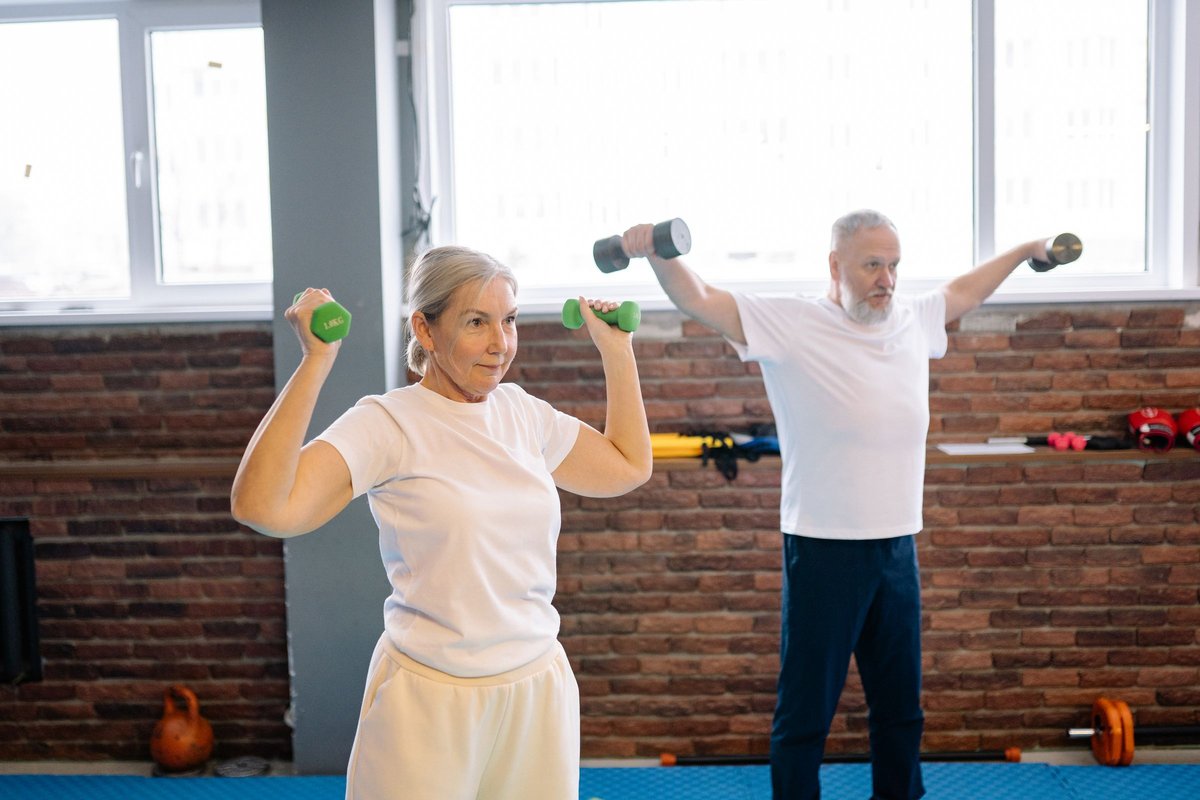
What NIAMS says about exercise is specific. Strength or resistance training is among the best activities for bone health, but for older adults exercise no longer increases bone mass much. It still helps build muscle and strength and improve balance and coordination, which lowers the chance of falling. People with osteoporosis should avoid high-impact exercise and movements that twist the spine or bend it forward from the waist, such as sit-ups and toe touches. Talk to the doctor or a physical therapist before starting any program. Our therapy at home page describes in-home physical and occupational therapy that needs a physician’s order.
NIAMS also lists quitting smoking, avoiding secondhand smoke, and no more than one drink a day for women and two for men.
What should an older adult eat for bone health?
NIAMS recommends a balanced diet with plenty of fruits and vegetables, plus enough calcium, vitamin D and protein. Calcium sources it lists include low-fat dairy, bok choy, collards, broccoli, sardines and salmon with bones, and fortified soymilk, tofu, orange juice and cereals. Vitamin D comes from sunlight on the skin, fatty fish, egg yolks and fortified milk and cereals.
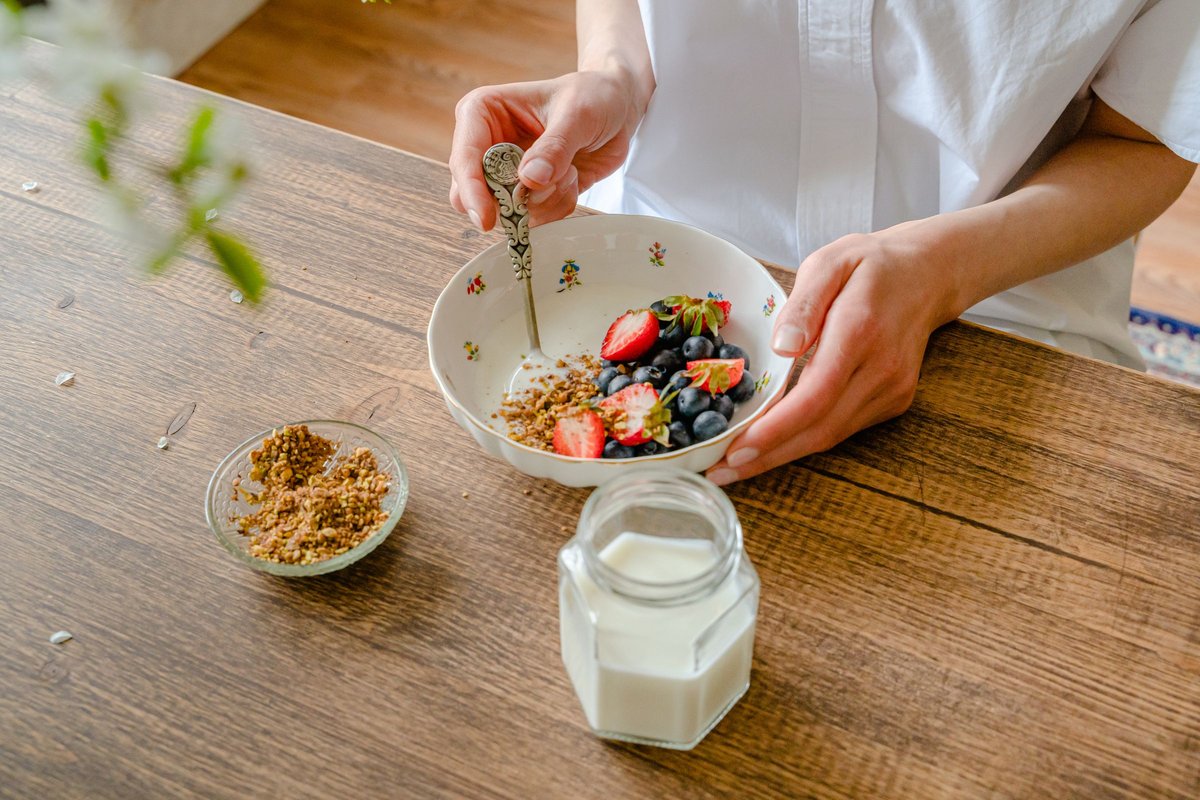
NIAMS publishes this chart of daily intake recommendations from the NIH Office of Dietary Supplements (November 2018):
| Age group | Calcium (mg/day) | Vitamin D (IU/day) |
|---|---|---|
| Men 51 to 70 | 1,000 | 600 |
| Women 51 to 70 | 1,200 | 600 |
| Over 70 | 1,200 | 800 |
These are general recommendations, not a prescription for one person. NIAMS says supplements may be needed if food is not enough, and to talk with a health care provider about the type and amount. Do not add or increase a supplement on your own. Our guides on nutrition for NYC seniors and food resources cover meals and groceries.
How can you prevent falls and fractures at home?
The NIA says more than one in four people age 65 or older fall each year, and the CDC’s STEADI program offers a home safety checklist and fall prevention brochures for older adults and caregivers. For someone with osteoporosis a fall is more likely to break a bone, so prevention matters. NIAMS and NIA suggest:
| Where | What NIAMS and NIA suggest |
|---|---|
| Floors and rugs | Keep floors clear of clutter and cords; use skid-proof backing or double-stick tape on rugs |
| Bathroom | Grab bars near the tub, shower and toilet; a rubber bathmat or slip-proof shower seat |
| Lighting and stairs | Night lights, lamps with switches at the room entrance, well-lit stairs with rails on both sides |
| Footwear | Supportive shoes with thin nonskid soles, even indoors; no socks or smooth slippers |
| Body and medicines | Eye and hearing checks; stand up slowly; ask the doctor or pharmacist about medicines that cause dizziness or sleepiness |
Our guides on fall prevention in NYC apartments, grab bars and home modifications and medical alert systems go into the details.
What does recovery from a hip fracture look like?
Every case is different, so the surgical team sets the plan. In general, the American Academy of Orthopaedic Surgeons (AAOS OrthoInfo) says most hip fractures need surgery, and having it within 24 to 48 hours may reduce complications. Most patients get out of bed and start physical therapy the day after surgery, because moving early helps prevent blood clots, pneumonia, bed sores and confusion.
AAOS says many patients go home after surgery, with in-home physical therapy until they are strong enough for outside therapy. Some need short-term care in a rehabilitation facility first. It notes that older patients often need more help in daily life afterward. NIAMS says the risk of another break is highest in the year or two after the first, so fall prevention and a talk with the doctor about osteoporosis treatment come soon after a fracture.
See our guides to hospital discharge and home care, Medicare skilled nursing facility coverage, medication reconciliation and post-surgery home care.
What can a family caregiver do?
- Write down height loss, a changing posture, new back pain and every fall, even without pain, and report them. NIA says to always tell the doctor about a fall.
- Bring a full medicine list to appointments and ask the doctor or pharmacist which could affect bones or balance. Do not stop anything on your own.
- Ask the doctor whether a bone density scan makes sense, especially after a fracture, for a woman over 65, or with long-term steroid use.
- Help with safe movement: NIAMS advises avoiding twisting or forward bending of the spine for people with osteoporosis, and a physical therapist can show safe ways to do daily tasks.
- Arrange rides to appointments: see our senior medical transportation guide.
What does the nurse director see in practice?
Anna Klyauzova, RN, MSN, MPA, Director of Patient Services at ProLife Home Care, on what she sees in practice:
You can’t do all of it by yourself. Illness changes the whole family’s life, not only the patient’s. The sooner support is in place, the easier it is to keep a safe home and a familiar routine. Even a few hours of professional home care a week gives relatives time to rest. A husband or an adult daughter who has done everything alone for years has usually given up their own rest. A home health aide a few days a week can change that. We want the person safe and well cared for, and the family able to breathe.
We are a licensed home care agency in Brooklyn and Queens, licence #2572L001, New York State Department of Health. We do not diagnose or treat osteoporosis, and the doctor makes every medical decision. If a parent needs hands-on help at home with bathing, dressing, meals or getting around safely, see our personal care services, call (718) 232-2777 or use our contact page.
Medical guidance and Medicare rules change. Everything above was checked on 15 October 2026 against nih.gov (NIAMS and NIA), medlineplus.gov, medicare.gov, bonehealthandosteoporosis.org, orthoinfo.aaos.org and cdc.gov. Confirm your own situation with the person’s doctor or pharmacist and with Medicare or the plan. This page is general information, not medical advice. Never start, stop or change a medicine or supplement without the prescriber’s approval.
Frequently asked questions
Can osteoporosis be reversed?
Not in the sense of a cure. NIA says some osteoporosis medicines slow bone loss and others can help rebuild bone, and the Bone Health & Osteoporosis Foundation says treatment aims to prevent, slow or stop progress. Whether any medicine fits a person is the doctor’s decision.
Is osteoporosis reversible?
Bone density can improve with some prescription medicines, but the disease itself is managed, not erased. The goal of treatment, per NIAMS, is to slow or stop bone loss and prevent fractures. Ask the doctor what result to expect on a repeat scan.
Can osteoporosis be cured?
No. The Bone Health & Osteoporosis Foundation says there is no cure for osteoporosis, but FDA-approved medicines can prevent, slow or stop its progress, and a prescribed medicine plus calcium, vitamin D and regular exercise can help lower fracture risk.
Does osteoporosis cause pain?
Usually not until a bone breaks. NIAMS lists severe back pain as a symptom of a spine fracture. NIA says broken bones in people with osteoporosis can sometimes cause pain that does not go away, so new back pain should be checked by a doctor.
Is osteoporosis genetic?
Family history is a risk factor. NIAMS says risk may be higher if a parent has had osteoporosis or a hip fracture. Age, sex, medicines, diet, activity, smoking and alcohol also play a role, so tell the doctor about family history and ask about screening.
What are the symptoms of osteoporosis?
Typically none until a fracture. Signs that may point to spine fractures, according to NIAMS, are severe back pain, loss of height and a stooped or hunched posture. Fractures can also happen from a minor fall or even a cough.
How to treat osteoporosis without medication?
Nutrition, safe exercise, quitting smoking, limiting alcohol and fall prevention are part of treatment and can support bone health and balance. NIA says lifestyle changes may not be enough after significant bone loss, so ask the doctor whether medicine is advised. Do not start or stop any medicine or supplement on your own.