
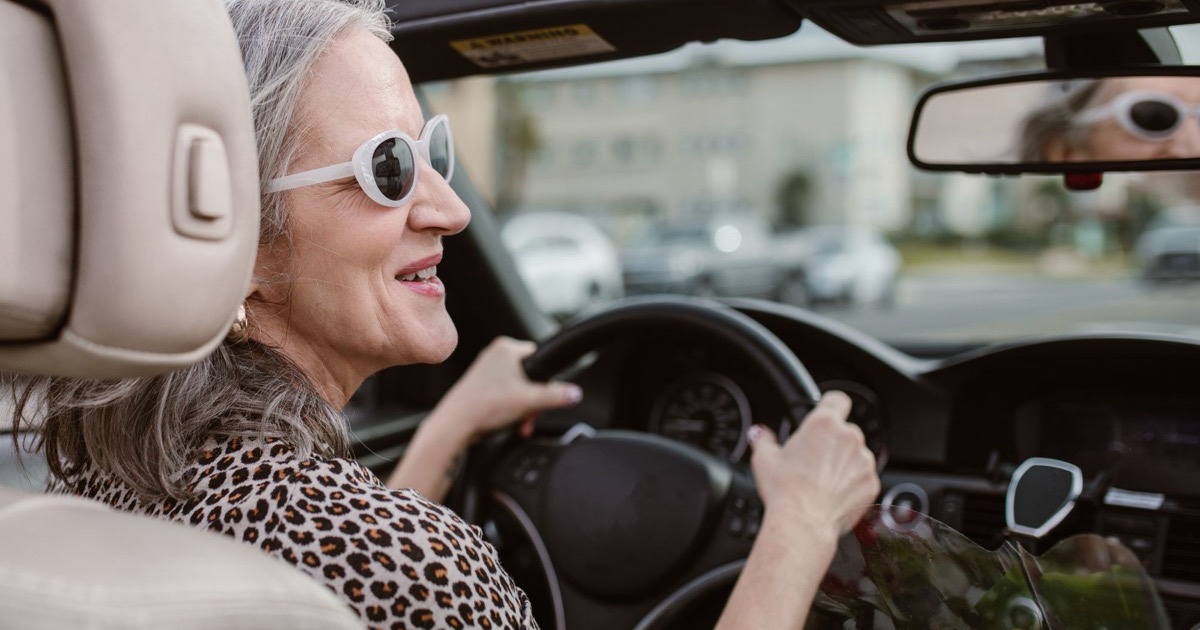
There is no age at which an older adult must stop driving. The National Institute on Aging says the question is whether the person can still drive safely, and the signs to look for are getting lost, near misses, new dents, slower reactions and a doctor’s warning. In New York, the DMV says it will not remove driving privileges based on age, only on driving ability, and a family member or doctor can ask it to review a driver they believe is unsafe.
What are the warning signs that an older person should stop driving?
No single sign settles it. If you cannot ride along, the National Institute on Aging (NIA) suggests watching for these, and the New York DMV lists several of the same.
| What you may notice | Listed by |
|---|---|
| Several crashes, near misses, or new dents and scrapes on the car | NIA, NY DMV |
| Two or more traffic tickets or warnings in the last two years, or higher insurance premiums because of driving | NIA |
| Getting lost or confused on roads the person knows | NIA, NY DMV |
| Other drivers often honking; trouble reading road signs, exits or lane lines | NIA, NY DMV |
| Confusing the brake and gas pedals; anxiety about night driving | NIA |
| Neighbors or friends mention erratic driving, or a doctor advises changing driving | NIA |
Jot down dates and specifics as you notice them; a doctor can use them. The CDC counts about 9,100 older adults killed in traffic crashes in 2022.
Could a medical condition or medicine be the cause?
Often, and it is worth checking first. The NIA lists vision problems (cataracts, glaucoma, macular degeneration), hearing loss, stiff joints, numb hands or feet and slower reactions. It says medicines can cause drowsiness, light-headedness or lower alertness even when the label has no driving warning, and that Parkinson’s disease or limb weakness after a stroke can make driving unsafe. The DMV adds that some conditions and medicine combinations can look like dementia and may be correctable.
Ask the doctor or pharmacist whether any health problem or medicine could affect driving, and never stop or change a medicine on your own; that is for the prescriber. Our guides to medications linked to dementia risk, medication management and memory loss and when to see a doctor explain what to bring to that visit.
How do you start the conversation with a parent about driving?
For many older adults, giving up the keys means losing freedom. The NIA and the Alzheimer’s Association give similar advice.

- Prepare first. Learn what rides exist where your parent lives and which trips matter to them.
- Speak for yourself. The NIA suggests “I” messages, such as “I am concerned about your safety,” not “you are unsafe.”
- Talk about skills, not age, and offer a plan, not only a no. Promise to help them get where they want to go.
- Expect feelings and more than one talk. Hurt, anger or silence are common.
- Bring in the doctor. The Alzheimer’s Association says a physician’s advice often carries more weight than a relative’s, and the NIA notes a doctor can write “Do not drive” on a prescription pad.
What if my parent will not stop driving?
The NIA warns that someone could get hurt or be killed. Go step by step:
- Ask for a professional driving evaluation (next section), or a “do not drive” note from the doctor.
- Ask a respected relative or an attorney to reinforce the message, as the Alzheimer’s Association suggests.
- Ask the DMV to review the driver (see below).
- As a last resort, the NIA lists hiding the keys, disabling the car, moving it out of sight or selling it. Line up other ways to get around first.
What is a driving evaluation, and who does it?
A driver rehabilitation specialist, often an occupational therapist, tests the person. The DMV says that means a physical evaluation of vision, reaction times and cognitive ability, then a driving evaluation of about an hour. Results are recommendations only, and the therapist does not report to the DMV without the driver’s written consent. Health insurance may pay with a doctor’s or plan’s referral; the NIA says fees may apply, so ask first.
To find one, ask the doctor or use the American Occupational Therapy Association’s driving practitioner directory or the provider search of the Association for Driver Rehabilitation Specialists. Confirm credentials; listings are not endorsements.
What are New York’s rules for older drivers?
| Topic | What the NY DMV says |
|---|---|
| Age limit | None. Privileges are not removed based on age, only driving ability, and there are no set rules for when to give up a license. |
| Renewal timing | You can renew up to 1 year before and 2 years after the license expires. DMV fee pages refer to an 8-year license; check the date printed on yours. |
| Vision test | Required to renew: at least 20/40 in one or both eyes, with or without lenses. Proof comes from a provider through the DMV Vision Registry or a Vision Test Report (MV-619) and expires 12 months after the test. |
| Health questions | Renewal asks about conditions causing unconsciousness or unawareness (a doctor’s statement, MV-80U.1, may follow) and hearing aids. |
| Road test | The pages we read describe road tests during a re-evaluation, not as an automatic step at renewal. |
| Doctor reporting | State law does not require doctors to report impaired drivers, though a doctor may choose to (form DS-6). |
The DMV’s restrictions include corrective lenses, daylight driving only (added when an eye care professional finds night vision impaired) and others, such as no driving on limited-access highways.
How can a family member or doctor report an unsafe driver to the DMV?
You mail a form; the DMV does not accept these requests by phone or email. Its Driver Re-Evaluation Program takes reports from police (DS-5), physicians (DS-6) and concerned individuals (DS-7, Request for Driver Review).
- Get the DS-7 from dmv.ny.gov. A request from an individual must include their name and signature.
- Give a specific, driving-related reason, such as an incident or observation, with dates and details.
- Mail it to the Medical Review Unit, NYS DMV, 6 Empire State Plaza, Room 337, Albany, NY 12228. The unit’s phone is 518-474-0774, option 2.
- The DMV decides. A local examiner decides whether there is a valid reason. If so, the driver gets a certified letter asking for an interview.
- The driver may be tested: vision, a physician’s statement (MV-80), a written test and a driving skills test. Missing the interview or failing the vision or written test means suspension until resolved. Failing the road test means revocation, with at least 30 days before reapplying.
The DMV’s medical review page says it does not reveal your identity in response to a FOIL request when you report a medical condition. Reporting can lead to suspension or revocation, so many families try the doctor and an evaluation first.
Does a defensive driving course lower insurance in New York?
Yes. The DMV’s Point and Insurance Reduction Program gives insured principal operators at least a 10% cut in the base rate of liability and collision premiums for three years, plus up to four points off the record. Give the course certificate to your insurer within 90 days so the discount starts at completion, and use only sponsors on the DMV’s list. A course refreshes skills; it does not replace a medical check or a driving evaluation.
What is a non-driver ID, and how do you get one in New York?
A driver who can no longer drive safely can exchange the license for a non-driver photo ID. The DMV says you can exchange a license that is current or expired within the last 2 years, in a DMV office or by mail with an MV-44 application, the license and payment. A standard card will not let you board a domestic flight without a passport. The DMV fee page lists these amounts for people 62 and older:
| Card type | Valid | Fee, age 62+ | Age 62+ and on SSI |
|---|---|---|---|
| Standard | 10 years | $6.50 | No fee |
| REAL ID | 8 years | $6.00 | No fee |
| Enhanced | 8 years | $36.00 | No fee |
The no-fee card must be requested by mail or in an office with proof of SSI. Confirm current amounts first.
How do you get around New York City without a car?
The DMV suggests combining several options.
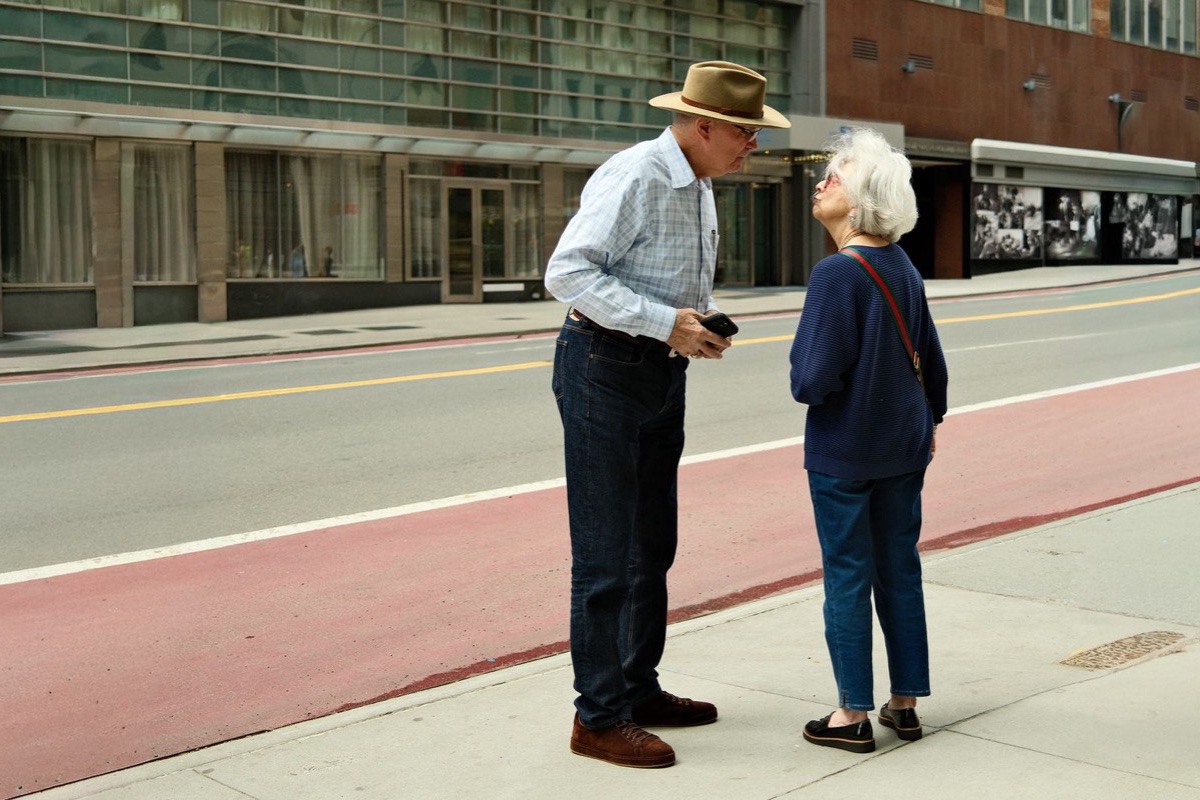
- Subway and buses: riders 65 and older pay $1.50 instead of $3 with the MTA Reduced-Fare program. Apply in person or by mail.
- NYC Aging rides: residents 60 and older who lack access to transportation or cannot use public transit may get trips to essential medical and social service appointments. Call 212-244-6469 (NYC Aging).
- Access-A-Ride and Medicaid rides: see our medical transportation and NYC transportation guides.
- More help: NY Connects, 1-800-342-9871, or the Eldercare Locator, 800-677-1116. See also senior discounts in New York City.
What does dementia change about driving?
The NIA says some people in the early stages of dementia can keep driving, but as memory and decision-making worsen they will likely need to stop. People with dementia often do not know they are having driving problems, so family should watch for signs such as forgetting how to find familiar places. Some states revoke a license after a diagnosis; New York’s DMV says it does not act on age alone and decides each case separately. See the stages of dementia for what to expect.
What about the car, the keys, the money and the feelings?
Settle transportation first. If the car will be sold or parked for good, the DMV says to surrender the plates and registration (form PD-7) before canceling the liability insurance; otherwise it will suspend the registration and can suspend the driver license. If your parent can no longer manage these decisions, see our guides to power of attorney and guardianship and financial help for seniors, and ask an elder law attorney about your situation.
Name the loss, too. The NIA says people worry about missing errands, appointments and activities and becoming socially isolated. Plan the first weeks of rides together, and check in. If you see withdrawal, sadness or loss of interest, tell the doctor. Our guides on loneliness and mental health and depression in older adults can help.
What can home care aides and medical escorts do when a parent stops driving?
They cannot test driving or decide who may drive, but they can cover trips the car used to handle. A medical escort from ProLife is a home health aide who picks the person up at home, stays in the exam room, helps communicate with the doctor and brings them home. It is private pay. Personal care services can include shopping, cooking and getting to the pharmacy and back, within the tasks approved in the plan of care. See also in-home care.
Rides, appointments and family strain: advice from our nurse director
Anna Klyauzova, RN, MSN, MPA, Director of Patient Services at ProLife Home Care, on what she sees in practice:
The ride is rarely the hard part. The hard part is the visit: who helps at the front desk, finds the right office, explains the symptoms to the doctor and remembers what was said? That is tough for someone with dementia, limited mobility or limited English. Medicaid transportation and Access-A-Ride get a person to the clinic. An escort stays with them. If your father walks slowly, forgets what the doctor said or gets lost in a big hospital, I would book an escort.
You can’t do all of it by yourself. Even a few hours of professional home care a week gives relatives time to rest.
We are a licensed home care agency in Brooklyn and Queens, licence #2572L001, New York State Department of Health. If a parent is losing the car and you need escorts or daily help, call (718) 232-2777 or use our contact page. We do not test driving skills or decide who may drive.
DMV rules, forms and fees change. Everything above was checked on 16 October 2026 against nia.nih.gov, cdc.gov, alz.org, dmv.ny.gov, mta.info and nyc.gov. Confirm your own situation with the person’s doctor, the DMV or an elder law attorney. This page is general information, not medical or legal advice.
Frequently asked questions
At what age should a senior stop driving?
There is no recommended age. The NIA says people age differently, so the decision rests on whether the person can still drive safely. Warning signs, a doctor’s advice or a driving evaluation are better guides.
Does New York require seniors to take a road test at a certain age?
The DMV pages we read do not set an age for a road test. A vision test is required to renew at any age, and the DMV can require tests after a re-evaluation request.
How do I report an unsafe elderly driver in New York?
Mail the DS-7, Request for Driver Review, with your name, signature and specific driving-related reasons to the Medical Review Unit in Albany. The DMV does not accept these reports by phone or email.
Will the DMV tell my parent who reported them?
The DMV says it does not reveal your identity in response to a FOIL request when you report a medical condition. A request from an individual must still carry a name and signature.
Can a doctor take away a license in New York?
Not directly. The DMV makes that decision. State law does not require doctors to report impaired drivers, but a doctor can report to the DMV (form DS-6), and the DMV’s examiner decides what happens next.
What if my mother has dementia and refuses to stop driving?
The NIA suggests asking her doctor to tell her to stop, arranging a driving evaluation and, if needed, hiding the keys, disabling the car or selling it, ideally after other transportation is arranged. The Alzheimer’s Association helpline, 1-800-272-3900, is free and open 24 hours.
How much is a non-driver ID in New York for someone over 62?
The DMV fee page lists $6.50 for a standard card valid 10 years, $6.00 for a REAL ID and $36.00 for an Enhanced ID, both valid 8 years. People 62 and older who receive SSI pay no fee, but must apply by mail or in an office.